How Can You Stop Cats Scratching Furniture: Expert Tips
Is your feline friend turning your couch into a scratching post? You’re not alone.
Many cat owners face the same dilemma, watching helplessly as their beloved pets leave their mark on furniture. It’s a common issue that can leave you feeling frustrated and helpless. But don’t worry, there’s hope! Understanding why cats scratch and learning simple strategies can transform your home from a feline battlefield to a peaceful haven.
Imagine your furniture looking pristine, while your cat stays happy and healthy. Intrigued? Stick around to discover how you can make this dream a reality.
Understanding Cat Behavior
Cats are known for their curious behaviors, and scratching is one of them. This natural action puzzles many cat owners. Understanding why cats scratch can help in managing this behavior. It’s not just about keeping furniture safe. It’s about knowing your pet better.
Reasons For Scratching
Cats scratch for several reasons. They might scratch to mark their territory. This behavior helps them feel secure. Scratching also removes the dead outer layer of their claws. It’s their way of keeping claws sharp and ready.
Another reason is exercise. Stretching with scratching helps them stay fit. It engages their muscles, keeping them active. Scratching can also be a stress-reliever. Cats may scratch when they are anxious or bored.
Natural Instincts
Scratching is a natural instinct in cats. It’s how they explore their environment. This action is rooted deeply in their behavior. Cats have scent glands in their paws. These glands leave a scent on scratched surfaces.
Scratching helps them communicate with other cats. It’s a silent way of saying, “I was here.” This instinct is hardwired and difficult to stop. Understanding it can help in finding solutions. Working with their instincts is key.
Preventive Measures
Cats often scratch furniture to mark territory or sharpen claws. Provide scratching posts to deter them. Cover furniture with protective materials and use cat-friendly deterrent sprays for added protection.
If you’ve ever watched in dismay as your cat turns your beloved sofa into their personal scratching post, you’re not alone. Cats naturally scratch to maintain their claws and mark their territory. But how can you steer them away from your furniture and towards more suitable options? Implementing preventive measures can help. By offering alternatives and strategically placing them, you can guide your feline friend to scratch where you want them to.Suitable Scratching Alternatives
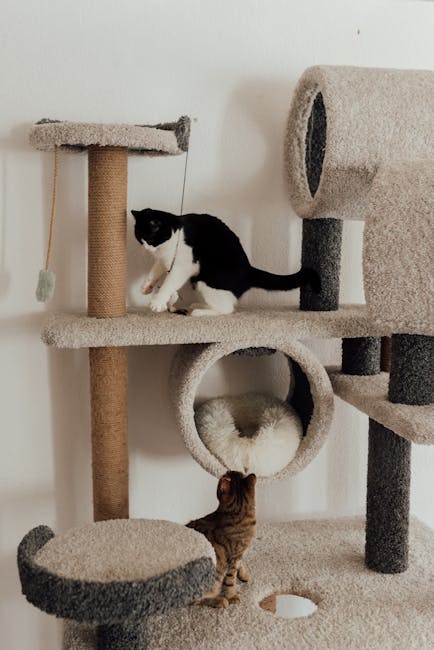
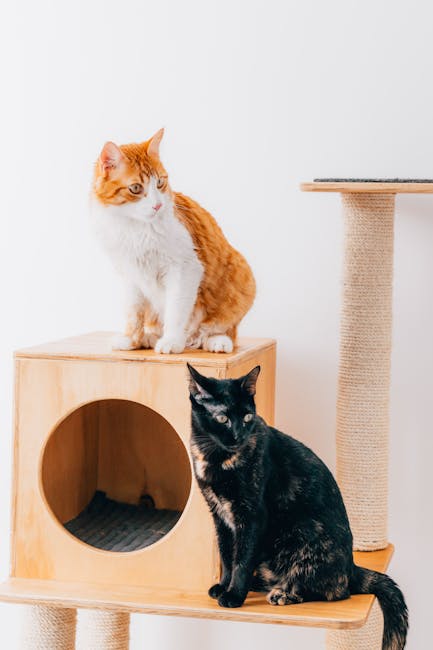
Cats scratch as part of their instinctual behavior. To deter them from your furniture, provide them with suitable scratching alternatives. Consider scratching posts, boards, and mats made of materials like sisal, cardboard, and carpet. Place these alternatives in areas where your cat frequently scratches. If your cat tends to go for the arm of your favorite chair, position a scratching post nearby. By doing so, you’re offering a similar but acceptable option. Observe what material your cat prefers. Some cats love the texture of cardboard, while others go wild for sisal. Offering a variety of textures can ensure your cat finds a favorite.Strategic Placement Of Scratching Posts
Positioning is crucial when it comes to scratching posts. Place them in high-traffic areas or near items your cat previously targeted. Cats often scratch when they wake up, so consider placing a post near their sleeping area. If you’ve ever caught your cat scratching in front of a window, it might be because they enjoy watching the world outside. A scratching post by the window can serve a dual purpose: keeping your furniture safe and allowing your cat a spot to perch and observe. Think about your cat’s routine. Do they scratch right after meals or playtime? Placing a post in these areas can make it more appealing. Remember, the goal is to make the post more enticing than your couch. It’s all about understanding your cat’s habits and preferences. What scratching alternative will you introduce first?Training Techniques
Teaching cats to avoid scratching furniture involves providing alternatives. Offer scratching posts to redirect their instinctive behavior. Positive reinforcement rewards them when they use these posts.
Cats scratching furniture is a common problem for pet owners. Training techniques can help manage this behavior. Understanding and applying these techniques can save your furniture and improve your relationship with your cat.Positive Reinforcement
Reward your cat for good behavior. Use treats or praise when they scratch a designated area. This encourages them to repeat the action. Positive reinforcement builds trust and strengthens your bond. It helps them learn what is expected. Be patient as your cat adjusts to new habits.Consistency In Training
Consistency is key in training. Always respond the same way to scratching. Use the same words and actions each time. Cats thrive on routine. Consistent behavior from you guides them in their actions. Keep training sessions short but frequent. This reinforces learning and helps them remember.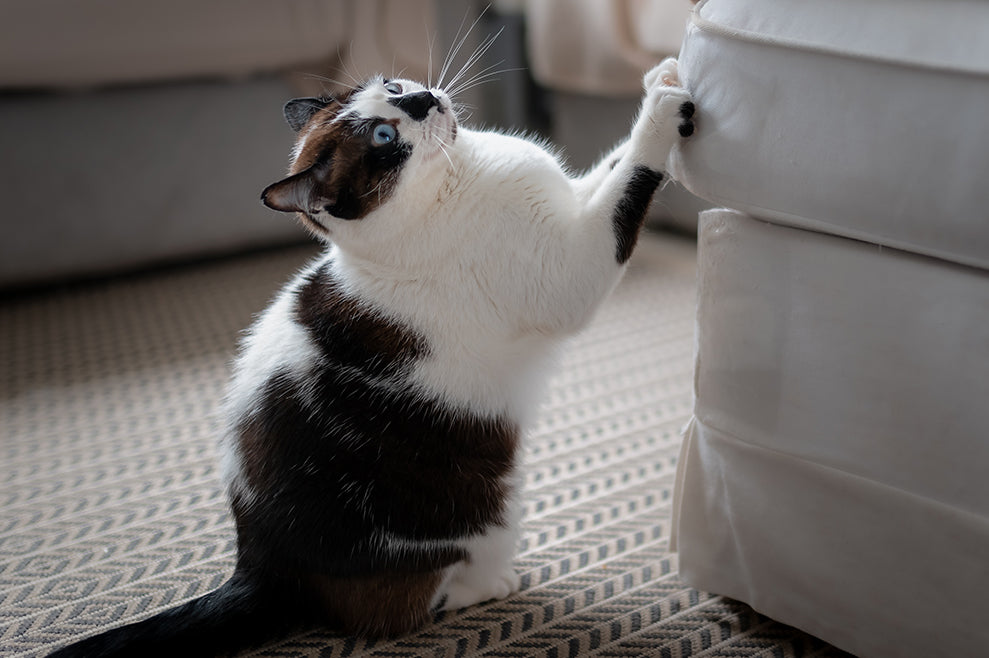
Credit: mademoggie.com.au
Protecting Your Furniture
Cat scratching can damage your favorite furniture. Protecting it becomes essential. Scratching is natural for cats. They do it to mark territory and sharpen claws. You can take steps to keep your furniture safe. Here are simple methods to protect your belongings.
Using Protective Covers
Protective covers are a simple solution. They act as a barrier. These covers can be stylish and functional. Choose materials that match your decor. They keep your furniture safe and clean. Covers are easy to remove and wash. This makes maintenance simple. Your furniture remains scratch-free and looks new.
Applying Repellents
Repellents can deter cats from scratching. Choose natural options. Citrus scents often work well. Cats dislike strong smells. Apply the repellent to areas your cat scratches. Test the repellent on a small area first. Ensure it does not damage the fabric. Reapply as needed for best results. Your furniture stays protected and your cat stays happy.
Behavioral Solutions
Scratching furniture is a common issue for cat owners, but it doesn’t have to be a constant battle. Behavioral solutions offer effective ways to redirect your cat’s natural urge to scratch. By understanding the underlying causes and providing the right environment, you can preserve your furniture and maintain peace in your home.
Understanding Stress Factors
Have you ever noticed your cat scratching more when you have guests over? Cats often scratch more when they’re stressed. Changes in their environment, such as new people, loud noises, or even a new pet, can trigger this behavior.
Identifying these stress factors is crucial. You can help your cat feel more comfortable by providing a quiet space or using calming scents. Have you tried pheromone diffusers? They’re designed to soothe your cat by mimicking natural calming signals.
Stress isn’t always obvious. Consider your cat’s daily routine. Are there sudden changes? This could be affecting your cat more than you realize. Make adjustments to reduce stress, like maintaining consistent meal times or ensuring they have a cozy, familiar spot to retreat to.
Providing Enrichment
Scratching is not just about stress; it’s also about stimulation. Cats need mental and physical challenges to stay happy. If your cat is bored, they might turn to your couch for entertainment.
Think about how you can enrich your cat’s environment. Adding scratching posts is a great start, but variety is key. You can use different materials like sisal, carpet, or cardboard to keep things interesting.
Does your cat seem uninterested in the scratching post? Try placing it in areas where your cat loves to hang out. You can also sprinkle catnip to make it more appealing. Your cat will soon prefer it over your furniture.
Interactive toys can also play a role. A toy that moves or makes sounds can capture your cat’s attention and provide the excitement they crave. Have you tried puzzle feeders? These not only engage your cat’s mind but also reward them with treats, keeping them occupied for longer periods.
By addressing stress and providing enrichment, you create an environment where your cat can express their natural behaviors without damaging your furniture. What changes can you make today to ensure your cat feels comfortable and stimulated?
:strip_icc()/keep-cat-from-scratching-carpet-554831_final-a8dcf3bb9e3b4c269259604c244f42d5.png)
Credit: wb-iisg.com
Professional Help
Expert advice can help stop cats from scratching furniture. Try using cat scratch posts or furniture covers. Professional training can also teach your cat better habits.
When your beloved cat turns your sofa into a scratching post, frustration can mount quickly. At some point, you’ve probably asked yourself: “Is there professional help for this?” Fortunately, there is. Sometimes, turning to experts like veterinarians or cat behaviorists can make all the difference.Consulting A Veterinarian
A veterinarian isn’t just for health check-ups. They can provide insights into your cat’s scratching behavior. Sometimes, excessive scratching stems from underlying health issues like stress or anxiety. During a vet visit, ask about medical conditions that might be causing your cat’s behavior. The vet might suggest treatments or adjustments in your cat’s environment. Imagine if a simple dietary change or a calming supplement could reduce the scratching. Vets also have access to resources and tools you might not know about. This could include special sprays or products designed to deter scratching. Have you explored all the options available through your vet?Seeking A Cat Behaviorist
Ever thought about consulting a cat behaviorist? These professionals specialize in understanding feline actions and reactions. They can observe your cat’s environment and behavior to identify triggers. A behaviorist can recommend personalized strategies to redirect your cat’s scratching. This might involve introducing new toys or scratching posts in strategic locations. What if the solution is as simple as placing a scratching post near the furniture your cat loves? Some behaviorists offer in-home visits to provide a comprehensive assessment. This can be more effective than a general consultation. Could a fresh pair of expert eyes spot something you’ve missed? Involving professionals might seem like a big step. However, their expertise could be the key to a more peaceful home. Have you considered how much easier it would be to relax if your cat wasn’t shredding your furniture?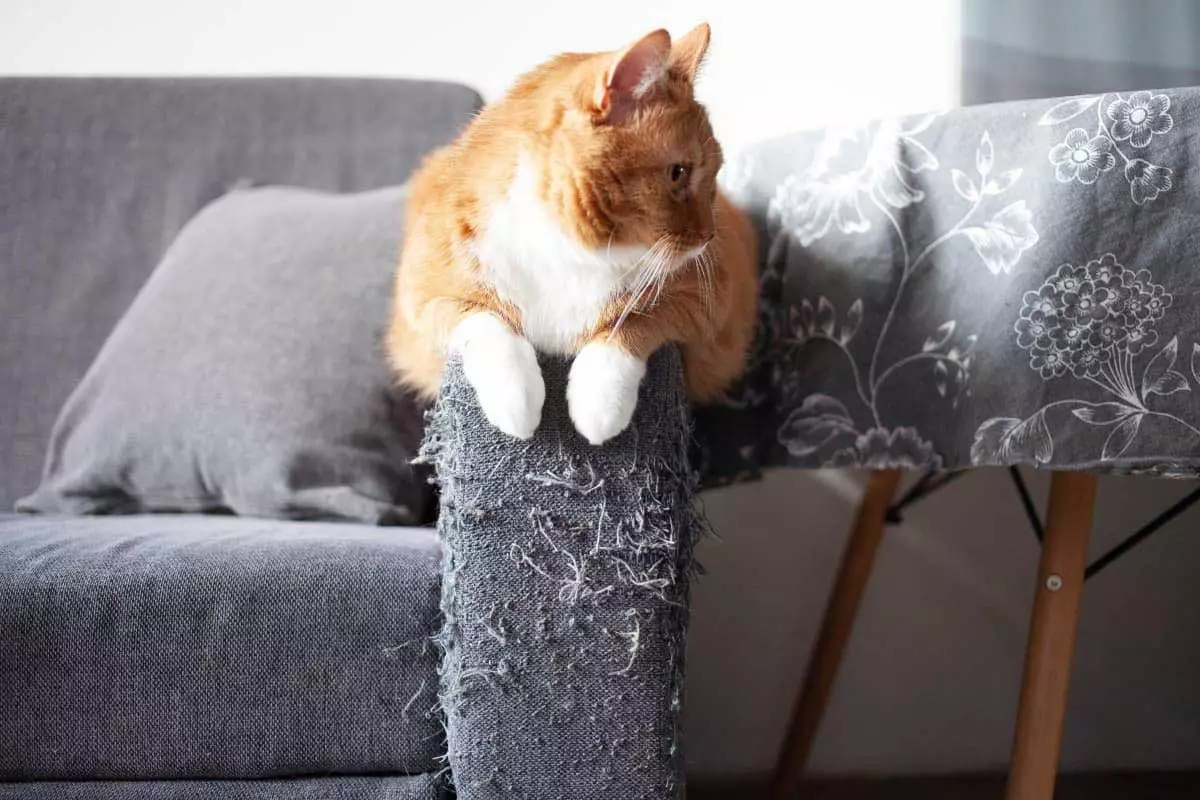
Credit: blog.homesalive.ca
Frequently Asked Questions
What Smell Do Cats Hate To Stop Scratching Furniture?
Cats hate the smell of citrus, vinegar, and eucalyptus. These scents deter them from scratching furniture. Use sprays or soaked cotton balls near affected areas to keep them away.
What Is The Best Homemade Spray To Stop Cats From Scratching Furniture?
Mix water, white vinegar, and a few drops of citrus essential oil. Spray on furniture surfaces. Cats dislike the smell, which can deter scratching. Always test on a small area first to prevent damage. Use regularly for best results.
How Do You Scratch Proof Furniture From Cats?
Use cat-friendly furniture covers or double-sided tape. Provide scratching posts and pads nearby. Regularly trim your cat’s nails. Apply pet-safe deterrent sprays. Consistent training helps redirect their scratching behavior.
Does Trimming Cat Nails Prevent Scratching?
Trimming cat nails reduces scratching damage. Shorter nails are less sharp, minimizing harm to furniture and skin. Regular trimming keeps nails manageable, making cats less likely to cause accidental injuries. Combine with scratching posts for complete prevention. Maintain a consistent nail care routine for best results.
Conclusion
Stopping cats from scratching furniture requires patience and understanding. Use scratching posts to redirect their behavior. These posts should be tall and sturdy. Place them near the furniture they scratch. Trim your cat’s nails regularly to reduce damage. Consider using deterrents like double-sided tape or pet-safe sprays.
Reward your cat with treats when they use the post. Consistency is key. Training takes time, but it works. Soon, your furniture will thank you. Cats can learn better habits with your help. Keep trying, and you will see results.
Your home will become a happier place for everyone.