Why Do Cats Claw on Furniture? Uncover the Mystery
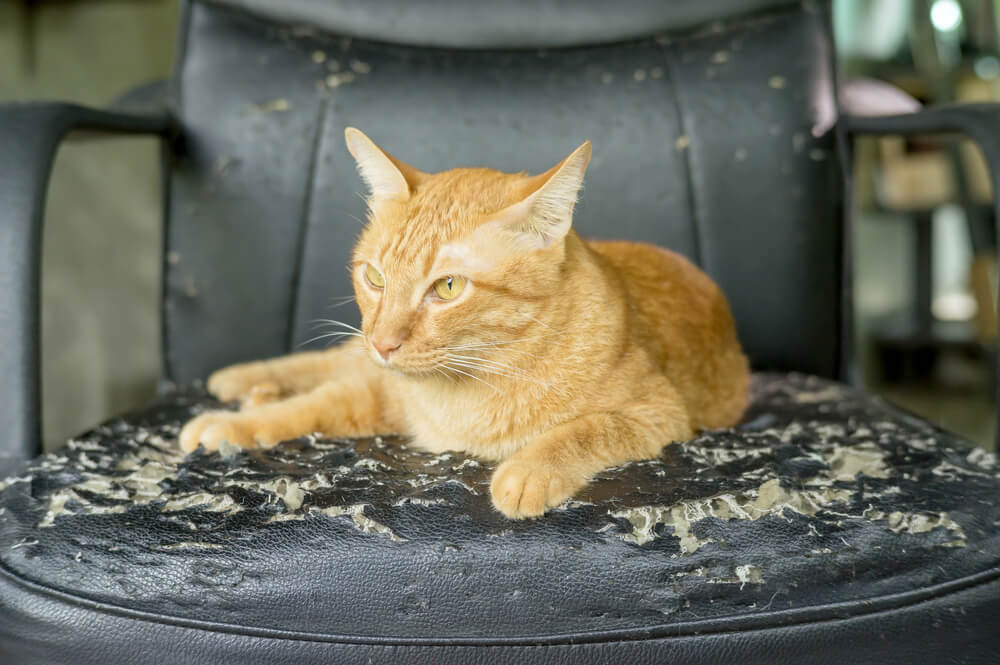
Have you ever walked into your living room only to find your favorite chair looking like it’s been through a tornado, courtesy of your feline friend? If so, you’re not alone.
It’s a mystery many cat owners face: why do cats claw on furniture? You might feel a mix of frustration and confusion. After all, you provide toys, scratch posts, and plenty of love. Yet, your couch is still their favorite target.
Understanding this behavior is crucial, not just for the sake of your furniture but also for your peace of mind. We’ll dive into the reasons behind this puzzling habit. You’ll learn about your cat’s instincts, needs, and how you can redirect their energy in a way that keeps both you and your furry companion happy. So, let’s unravel the mystery together.
Instinctive Behavior
Have you ever found your favorite couch shredded by your feline friend? Cats claw on furniture, and while it might seem like a destructive habit, it’s deeply rooted in their instinctive behavior. Understanding these instincts can help you address the issue more effectively and perhaps save your couch from further claw attacks. Let’s dive into the innate reasons why cats claw on furniture.
Natural Instincts
Cats are born with certain behaviors that help them survive in the wild. Clawing is one such behavior. It helps them keep their claws sharp and ready for hunting or climbing. Even though your cat is domesticated, this instinct remains strong.
Clawing also provides a good stretch for their muscles. Think about it like your morning stretch routine. It’s refreshing and essential for their physical health. This instinct ensures they’re always agile and ready for action.
Have you noticed how kittens tend to claw more frequently? It’s part of their learning process. As they explore their environment, they’re honing their skills. This natural tendency is hardwired into their DNA.
Territorial Marking
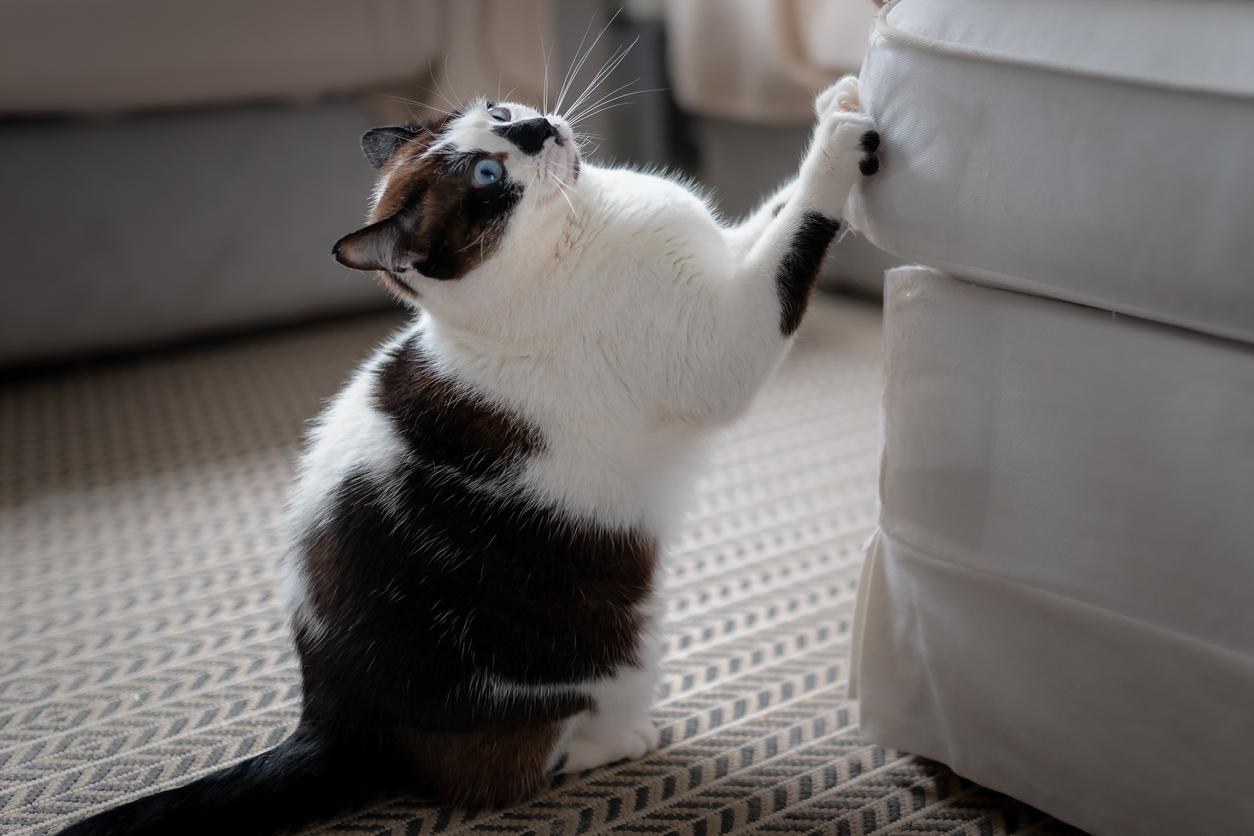
Clawing isn’t just about physical exercise; it’s a way for cats to mark their territory. By clawing, they leave both a visual and scent mark, signaling ownership to other animals. This behavior is akin to how humans personalize their living spaces.
Does your cat target specific furniture pieces? It might be their favorite spot, and they want everyone to know it. This territorial marking is crucial in multi-cat households, helping establish hierarchy and territory boundaries.
Next time you see your cat clawing, consider this: they’re communicating in the only way they know how. It’s a fascinating glimpse into their world. How can you help them express this need without damaging your furniture? Providing designated scratching posts might be a practical solution.
Understanding your cat’s instinctive behavior can lead to a more harmonious home. By acknowledging their natural instincts and territorial needs, you can devise strategies that satisfy both your cat and your furniture. So, are you ready to embrace their wild side and find a balance that works?
Physical Benefits
Cats claw on furniture to stretch their bodies and maintain healthy claws. This action helps them exercise, releasing tension in their muscles. Clawing also removes old nail sheaths, promoting healthy claw growth.
Cats claw on furniture for several reasons, but one of the most significant is the physical benefits they gain from this behavior. Understanding these benefits can help you address your cat’s needs more effectively. Let’s explore how clawing serves your feline friend in maintaining their physical health.Nail Maintenance
Cats naturally claw surfaces to maintain their nails. This instinctive behavior helps them shed the outer layers of their claws, keeping them sharp and in good condition. Have you noticed how your cat seems more content after a good scratch session? It’s because they’ve just given themselves a quick nail trim! Keeping their claws healthy isn’t just about sharpness. It’s also about preventing overgrowth, which can lead to discomfort or even injury. Providing a scratching post or pad can redirect their attention from your furniture, while still allowing them to care for their nails.Stretching Muscles
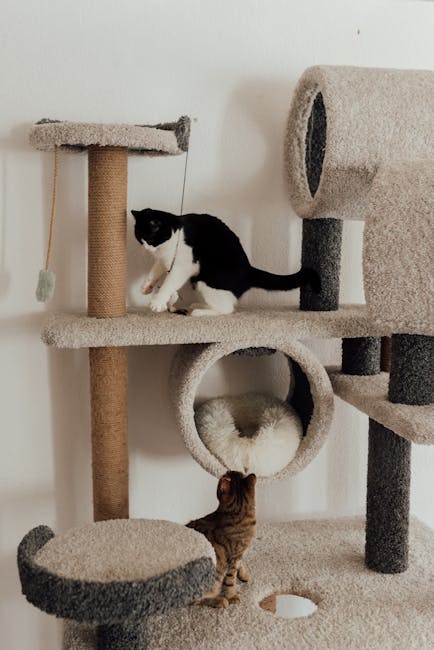
Clawing isn’t just about the nails—it’s also about stretching. When cats dig their claws into a surface, they pull back, stretching their muscles. This action helps to keep them limber and agile, much like how we feel after a good stretch. Think of the satisfaction you feel after a long, satisfying stretch. Cats experience something similar, which is why they often look so pleased after clawing. If you’ve ever seen your cat extend its legs and arch its back, you’ve witnessed this stretching ritual in action. Consider how you can provide alternatives that encourage this healthy stretching. A cat tree or a dedicated scratching post can offer them a place to stretch without damaging your furniture. Understanding these physical benefits can lead to a happier, healthier cat. Could addressing these needs reduce the wear and tear on your beloved couch? By meeting their needs through alternative solutions, you can find a balance that works for both you and your feline companion.Emotional Reasons
Cats claw on furniture for various reasons, and while some may be purely instinctual, emotional factors play a significant role. Understanding these emotional triggers can help you address the behavior effectively. Cats, like humans, experience stress and contentment, and their clawing can be a direct expression of these feelings.
Stress Relief
When your cat is feeling anxious or stressed, clawing becomes an outlet. The physical activity helps them release pent-up energy.
Think of it as their version of a stress ball. If you’ve ever felt the need to squeeze something when stressed, you can relate to your cat’s need to scratch.
Providing scratching posts can redirect this behavior, offering a safe zone for your cat to vent its stress.
Have you noticed your cat clawing more after a loud noise or a change in routine? These could be stress triggers worth considering.
Expression Of Contentment
Cats also scratch when they are happy and relaxed. This might seem paradoxical, but it’s a way they express their contentment.
Clawing helps them stretch and flex their muscles, which feels good. You might catch them clawing after a satisfying meal or a long nap.
It’s like their version of a happy dance. Encouraging this behavior with a designated scratching area can reinforce their positive emotions.
Do you see your cat clawing after playing with you? That’s a sign of their happiness. Use this insight to strengthen your bond with them.
Understanding these emotional reasons behind your cat’s clawing can deepen your connection with them. Address their stress, celebrate their happiness, and you’ll likely see a change in behavior.
:max_bytes(150000):strip_icc()/__opt__aboutcom__coeus__resources__content_migration__mnn__images__2017__05__cat_shredded_couch-504b59c8e9c241b7a52b8d7cb65f148f.jpg)
Credit: www.treehugger.com
Environmental Influences
Cats claw on furniture to mark territory and keep claws sharp. Scratching relieves stress and provides a satisfying stretch. Furniture often serves as a convenient spot for them to exercise these natural instincts.
Cats are fascinating creatures, and their behavior is often influenced by their environment. One common issue cat owners face is the tendency of their feline friends to claw on furniture. Understanding the environmental influences behind this behavior can help you address it effectively.Lack Of Scratching Posts
Cats need to scratch; it’s a natural behavior. If your home lacks scratching posts, your furniture becomes the next best option. Scratching serves several purposes: it helps cats stretch, mark territory, and keep their claws healthy. Imagine if you didn’t have a proper place to exercise; you’d probably make do with what’s available. Have you ever considered how the absence of scratching posts might be pushing your cat toward your beloved sofa? Investing in a variety of scratching posts can divert your cat’s attention from your furniture. Choose posts with different textures and heights to keep things interesting for your furry friend.Furniture Material Attraction
The material of your furniture can be surprisingly enticing for cats. Soft fabrics and textured surfaces are like magnets for their claws. Cats love the feeling of sinking their claws into something they can grip, and certain materials give them that satisfaction. Have you noticed your cat favoring that plush couch or the woven armchair? That’s no coincidence. If your furniture has become a scratching target, consider covering it with less appealing materials. Alternatively, strategically placing scratching posts near favored furniture can redirect this behavior. By understanding these environmental influences, you can better manage your cat’s scratching habits. What changes can you make to create a more cat-friendly environment?Preventative Measures
Cats claw on furniture to sharpen their claws and mark territory. This behavior is natural and helps maintain their claws’ health. Providing scratching posts can redirect this instinct, saving your furniture from damage.
Cats claw on furniture—it’s an age-old dilemma for many pet owners. Understanding why they do it is the first step in finding solutions that work. Cats claw to mark territory, stretch their muscles, and keep their claws sharp. But how can you protect your furniture from becoming their favorite scratching post? Let’s dive into some effective preventative measures.Providing Alternatives
Offering your cat suitable alternatives is a practical strategy. Invest in sturdy scratching posts or mats. Place them near the furniture they frequently scratch. This subtle redirection can save your couch and give your cat an outlet for their natural behavior. Consider different textures. Cats have varied preferences; some might love carpet while others prefer sisal. Experiment with placements and materials. Have you noticed your cat scratching the wooden legs? Try a wooden post!Training Techniques
Training your cat requires patience and consistency. Every time your cat claws the furniture, gently redirect them to the scratching post. Reward them with treats or affection when they use it. Use deterrents wisely. Double-sided tape or aluminum foil can make furniture less appealing. But don’t rely solely on these. They should complement your training efforts, not replace them. Have you ever considered clicker training? It’s a powerful tool for reinforcing positive behavior. A simple click followed by a treat can teach your cat the right habits quickly. Preventative measures are about understanding and creativity. Protect your furniture while respecting your cat’s instincts. What strategies have worked for you? Let’s share ideas and keep our homes feline-friendly!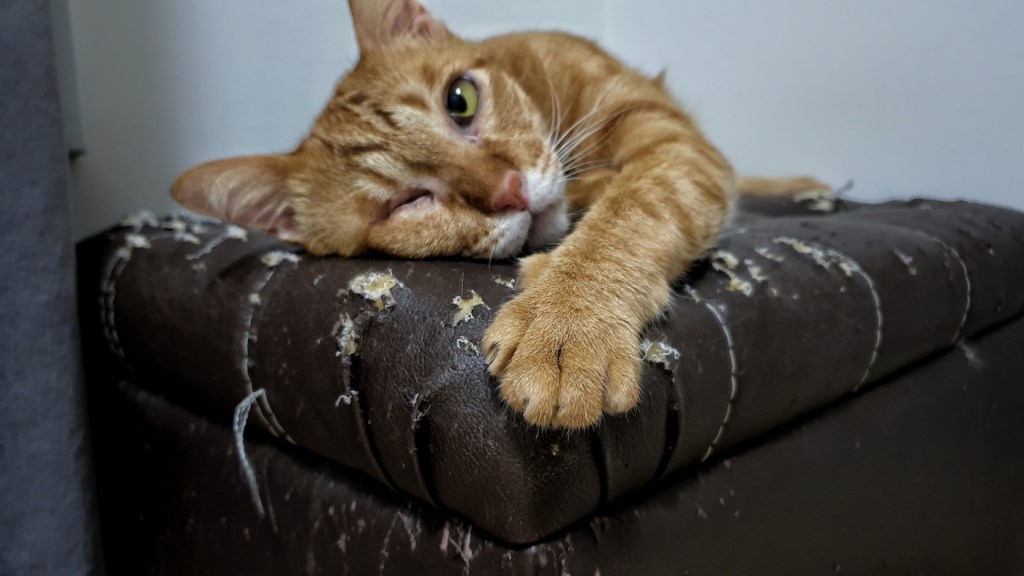
Credit: www.sciencefriday.com
Impact On Human-cat Relationship
Cats clawing on furniture can strain the human-cat relationship. This behavior often puzzles and frustrates cat owners. Understanding why cats scratch can help bridge this gap. It is essential to address these issues to maintain a harmonious environment.
Understanding Behavior
Cats scratch to mark their territory. This behavior is natural. They use scent glands in their paws. Scratching also helps them stretch their muscles. It keeps their claws healthy. Many cat owners see this as destructive. Understanding this need helps build patience.
Building Trust
Trust grows when we respect a cat’s instincts. Providing scratching posts can redirect this behavior. Praise them when they use these posts. It strengthens the bond between human and cat. Acknowledge their needs and create a supportive home. This fosters mutual respect and understanding.
Credit: us.feliway.com
Frequently Asked Questions
Why Does My Cat Claw The Furniture?
Cats claw furniture to mark territory and keep claws healthy. Scratching helps them stretch and relieve stress. Provide scratching posts to redirect this natural behavior and protect your furniture. Regular nail trimming can also minimize damage.
Do Cats Claw Furniture For Attention?
Cats often claw furniture to mark territory or keep their claws healthy. They might also do it for attention if they feel neglected. Providing scratch posts and engaging in playtime can help redirect this behavior.
Do Cats Scratch Furniture When Stressed?
Yes, stressed cats often scratch furniture. Scratching helps them relieve anxiety and mark territory. Providing scratching posts can reduce furniture damage. Keep your cat engaged with toys to minimize stress-induced scratching. Regular playtime and attention can help maintain their emotional well-being.
At What Age Do Cats Stop Clawing?
Cats may never completely stop clawing. Clawing helps them stretch, mark territory, and maintain nail health. Providing scratching posts can redirect behavior. Most cats calm their clawing habits as they mature, usually around 2-4 years old. Consistent training and environmental enrichment can minimize unwanted clawing.
Conclusion
Cats claw furniture to mark territory and maintain their claws. It’s natural behavior. Providing scratching posts can help. Choose posts with sturdy materials. Place them near favorite spots. Reward your cat for using them. Redirect attention with toys. Protect furniture with covers or sprays.
Patience and understanding are key. Consistency helps in training. Scratching isn’t misbehavior; it’s instinct. Learning cat needs improves harmony at home. Addressing scratching reduces frustration for everyone. Your furniture and cat can coexist peacefully. Adapting to their needs shows love and care.