How Do You Prevent Hairballs in Cats: Expert Tips
Are you tired of finding hairballs around your house? If you have a cat, you’re likely no stranger to this unpleasant surprise.
But what if there was a way to minimize, or even prevent, these furry nuisances? Hairballs not only create a mess but can also cause discomfort for your feline friend. Understanding how to prevent hairballs is crucial for maintaining both a clean home and a happy cat.
In this guide, you’ll discover simple, effective strategies to keep hairballs at bay, ensuring your cat stays healthy and your living space remains clean. Keep reading to find out how you can make hairballs a thing of the past.
Causes Of Hairballs
Cats groom themselves and ingest loose fur, leading to hairballs. Regular brushing reduces shedding and hairball formation.
Cats often develop hairballs due to their grooming habits. Understanding the causes helps in prevention. Two main factors contribute to hairball formation: natural grooming behavior and shedding. Each plays a role in your cat’s health.Natural Grooming Behavior
Cats groom themselves to stay clean. They use their tongues to remove dirt and loose fur. This grooming process is instinctual. It helps them maintain hygiene and comfort. But, it leads to ingestion of fur. The barbs on a cat’s tongue grab loose hair. Some of this hair passes through the digestive system. But some can accumulate in the stomach. This can form a hairball.Shedding And Fur Types
Different cats shed differently. Long-haired breeds shed more fur. This increases the risk of hairballs. Seasonal changes also affect shedding. Cats lose more fur during these times. The type of fur can influence hairball formation. Dense undercoats can lead to more shedding. Regular brushing can help manage shedding. It reduces the amount of fur a cat ingests.Signs Your Cat Has Hairballs
Hairballs are common among cats but can be uncomfortable for them. Recognizing the signs early can help you manage the problem. Your cat may show both physical symptoms and behavioral changes. Let’s explore these signs to help your furry friend.
Physical Symptoms
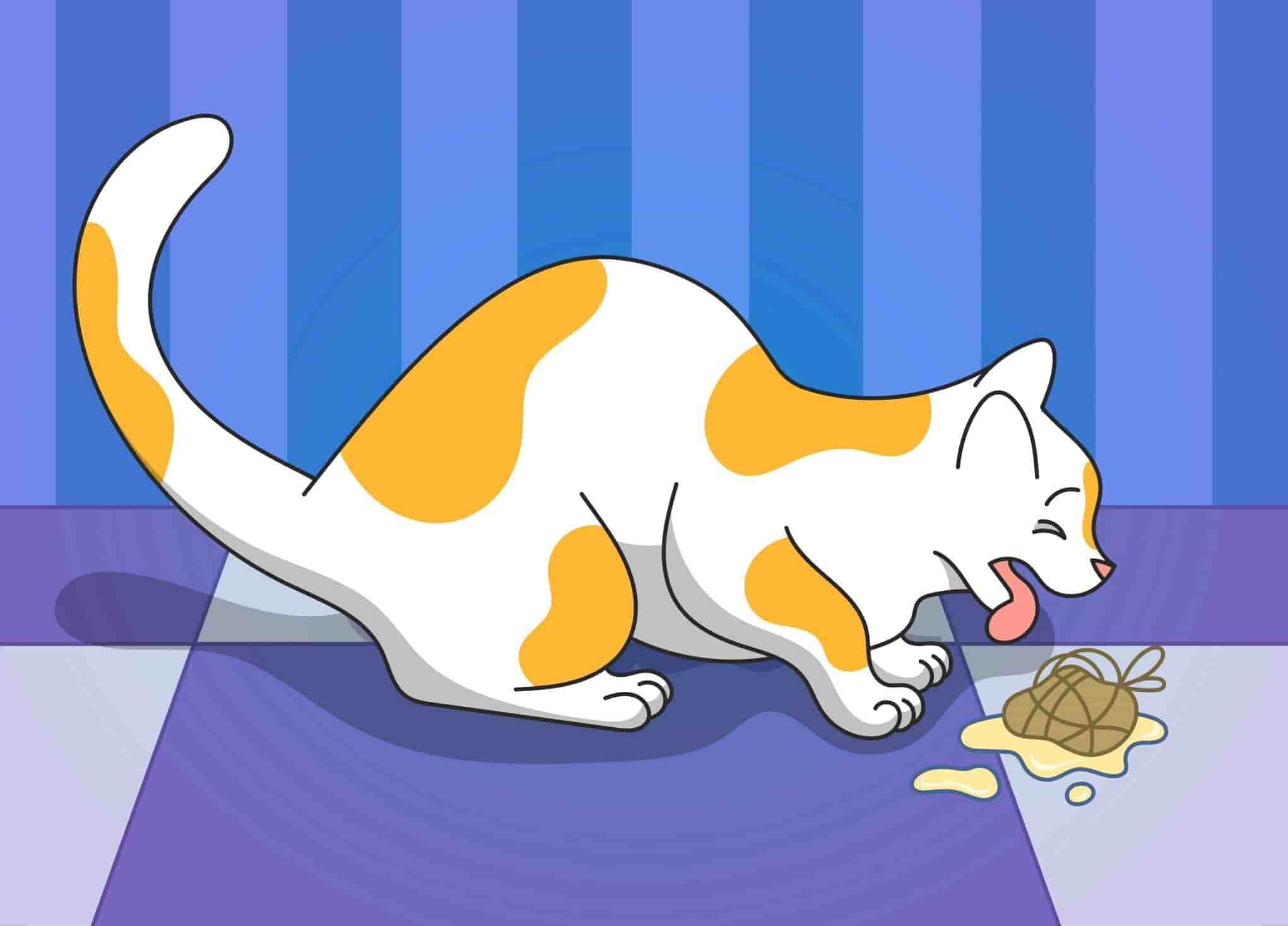
Cats often show physical signs when they have hairballs. Coughing and hacking are common. Your cat may retch or vomit. The hairball may or may not come out. Sometimes, you might notice a loss of appetite. Weight loss can follow if it continues. Watch for these symptoms closely.
Behavioral Changes
Behavioral changes can also indicate hairballs. Your cat might groom more than usual. Excessive grooming can lead to more hairballs. Lethargy is another sign. Your cat may seem less active. It might hide more often. These changes can be subtle. Pay attention to any unusual behavior.
Dietary Solutions
Hairballs are a common issue for cats. They can cause discomfort and potential health problems. Dietary solutions offer an effective way to help prevent hairballs. These solutions focus on feeding your cat high-fiber foods and ensuring proper hydration. Implementing these changes can reduce hairball formation, promoting your cat’s overall well-being.
High-fiber Foods
High-fiber foods help move hair through the digestive system. This reduces the chance of hairball formation. Fiber aids in digestion and keeps the intestines healthy. Cats need a balanced diet with enough fiber. Look for cat food with added fiber content. Consider mixing wet and dry food to increase fiber intake.
Hydration Importance
Hydration plays a vital role in preventing hairballs. Cats often do not drink enough water. Wet cat food can help increase water intake. Provide fresh water daily and encourage your cat to drink. Proper hydration helps digestion and moves ingested hair along. This reduces the risk of hairballs forming.
Regular Grooming Practices
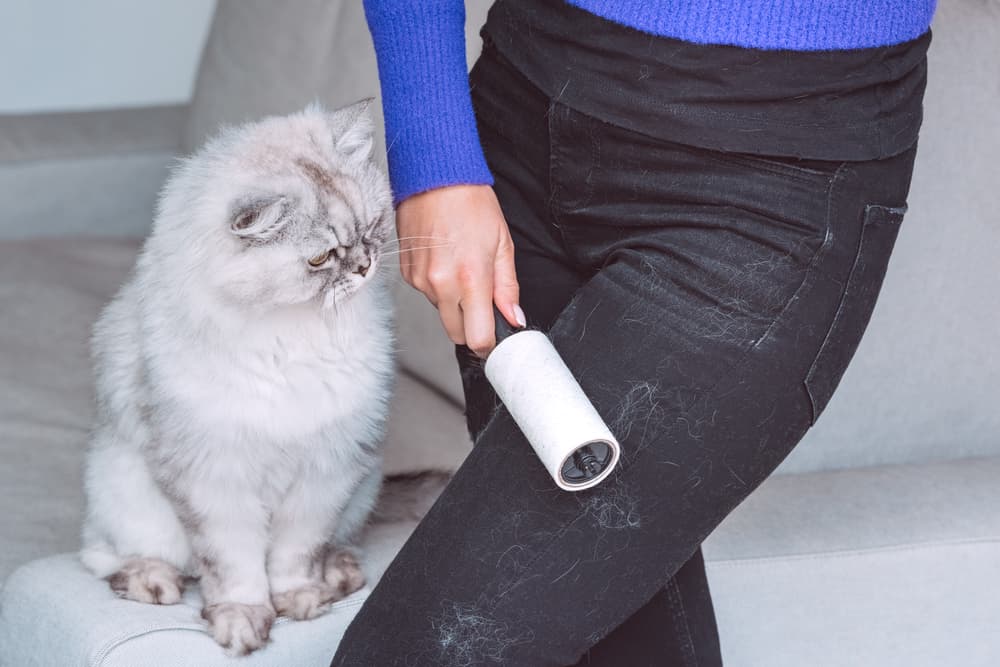
Brushing your cat regularly helps reduce hairballs. Less loose hair means fewer ingested strands, minimizing hairball formation. Choose a gentle brush that suits your cat’s fur type for effective grooming.
Regular grooming practices can make a world of difference in preventing hairballs in cats. Not only does grooming keep your feline friend looking sleek, but it also minimizes the amount of loose hair that can be ingested. This section will focus on specific techniques and tips to help you effectively groom your cat, ensuring they stay healthy and happy.Brushing Techniques
Brushing your cat regularly is crucial. It reduces the amount of loose hair that can be swallowed. Choose a brush that suits your cat’s fur type. For short-haired cats, a simple rubber brush might be sufficient. Long-haired breeds, like Persians, benefit from a wider-toothed comb to detangle and remove excess fur. Make brushing a routine. You might find it easiest to brush your cat during a relaxed moment, like when they’re lounging in your lap. This not only helps your cat but can be a bonding experience. Try to brush at least once or twice a week for short-haired cats and more frequently for long-haired cats.Bathing Tips
Bathing cats can be a challenge, but it’s worth the effort for reducing hairballs. Use a cat-friendly shampoo to avoid skin irritation. Bathing helps remove loose fur and is especially useful for long-haired breeds. Consider using a removable showerhead to gently rinse your cat. This can make the process smoother. Remember, not all cats need frequent baths; once every few months is often enough unless your cat tends to get dirty often. How does your cat react to water? Some may enjoy it, while others might resist. Creating a calm environment can make a big difference. Reward your cat with treats afterward to make it a positive experience. Regular grooming can transform how you manage hairballs. With these practical tips, you’re well-equipped to tackle this common issue and ensure your cat’s comfort. Have you tried these techniques yet? Your cat will thank you for it.Specialized Products
Preventing hairballs in cats is essential for their health and comfort. Specialized products can play a significant role in reducing hairball issues. These products are designed to help cats digest hair more efficiently. They can also assist in lubricating their digestive tract.
Hairball Control Treats
Hairball control treats are tasty and effective. They contain fiber that aids digestion. Cats enjoy them as snacks, making them easy to administer. The treats help in moving hair through the digestive system smoothly.
Supplements And Lubricants
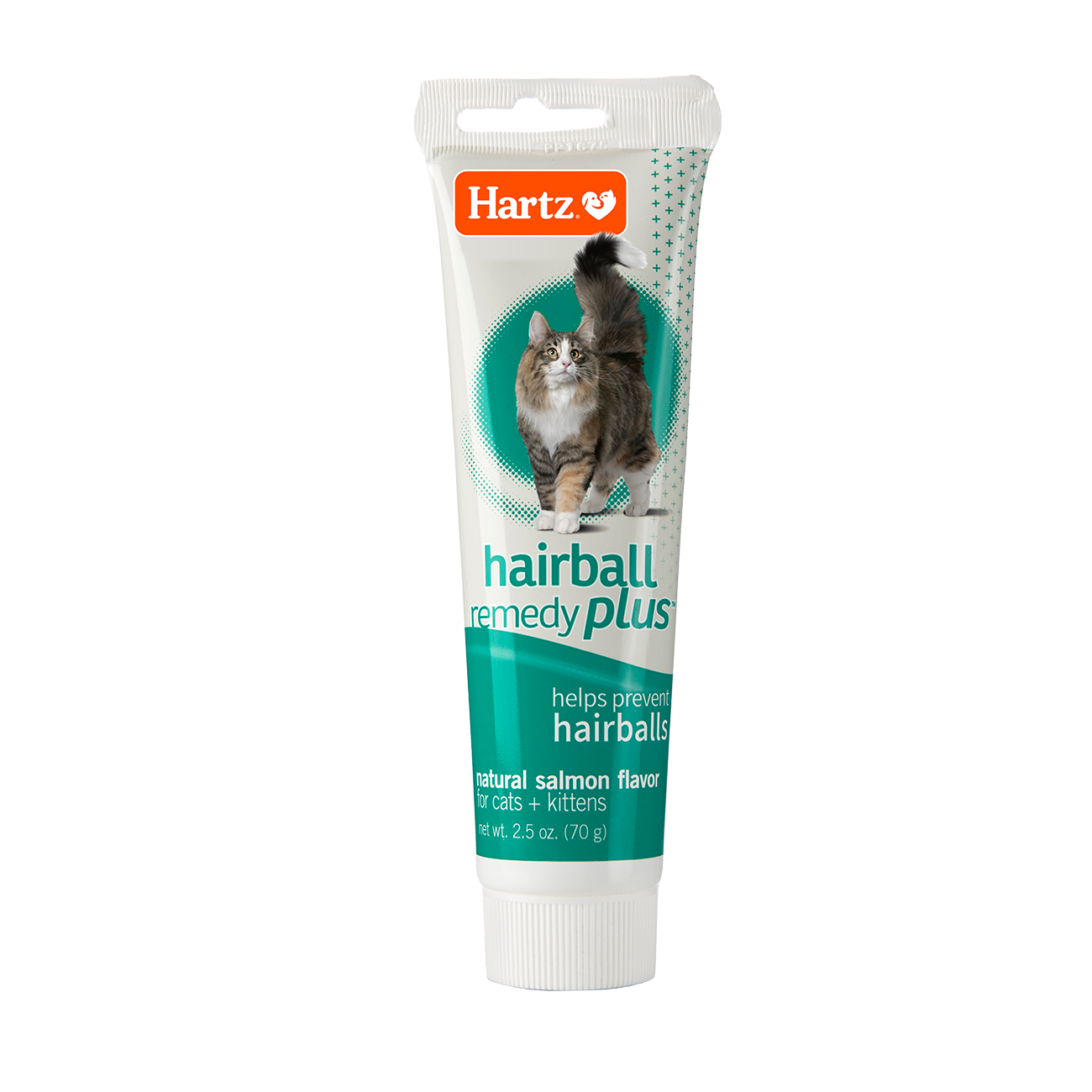
Supplements offer additional support for hairball control. They often contain natural oils that lubricate the intestines. This makes it easier for hair to pass through the system. Lubricants can also be given directly to cats.
These products provide a safe way to reduce hairball formation. They are easy to use and beneficial for feline health. Regular use can lead to fewer hairball incidents. Consider these options for a healthier, happier cat.
Credit: smallpetselect.com
Veterinary Advice
Preventing hairballs in cats requires expert insights. Cat owners often struggle with hairball issues. Veterinary advice can provide effective solutions. Vets offer guidance on diet, grooming, and health management. This expert advice ensures your cat’s well-being. Proper care minimizes hairball formation. Learn when to seek veterinary help and possible medical interventions.
When To Consult A Vet
Hairballs are common, yet sometimes problematic. Frequent hairballs need a vet’s attention. Look for signs of distress in your cat. Symptoms include persistent coughing or vomiting. Weight loss or appetite changes are concerning. A vet visit ensures your cat’s health. Early intervention prevents complications.
Medical Interventions
Vets may suggest medical interventions for severe hairballs. Lubricants and laxatives can ease the problem. Prescription diets may reduce hairball formation. Specialized food helps with digestion. In rare cases, surgery might be needed. A vet will determine the best course of action. Always follow professional advice for your cat’s safety.
Environmental Adjustments
Cats often struggle with hairballs, which can be uncomfortable. Making changes in their environment helps prevent these issues. Adjusting your cat’s surroundings can greatly reduce hairball problems. Consider these environmental adjustments to create a healthier space for your feline friend.
Reducing Stress Factors
Cats can become stressed easily. Stress can increase the risk of hairballs. Identify stress triggers in your home. Loud noises or frequent changes can stress cats. Provide a quiet space where your cat feels safe. This can be a cozy corner or a quiet room.
Spend quality time with your cat. Play and interact with them. This helps reduce stress and strengthens your bond. A calm cat is less likely to over-groom, which means fewer hairballs.
Creating A Clean Living Space
A clean home environment helps your cat stay healthy. Regularly clean your cat’s bedding and toys. Remove dust and allergens from your home. Vacuum often, especially in areas your cat frequents.
Keep litter boxes clean. A dirty litter box can stress your cat. Ensure fresh water and clean food dishes are always available. A clean space encourages healthy grooming habits.
Consider using air purifiers to improve air quality. This can reduce allergens and irritants. A clean, stress-free environment promotes your cat’s overall health. This means fewer hairballs and a happier cat.
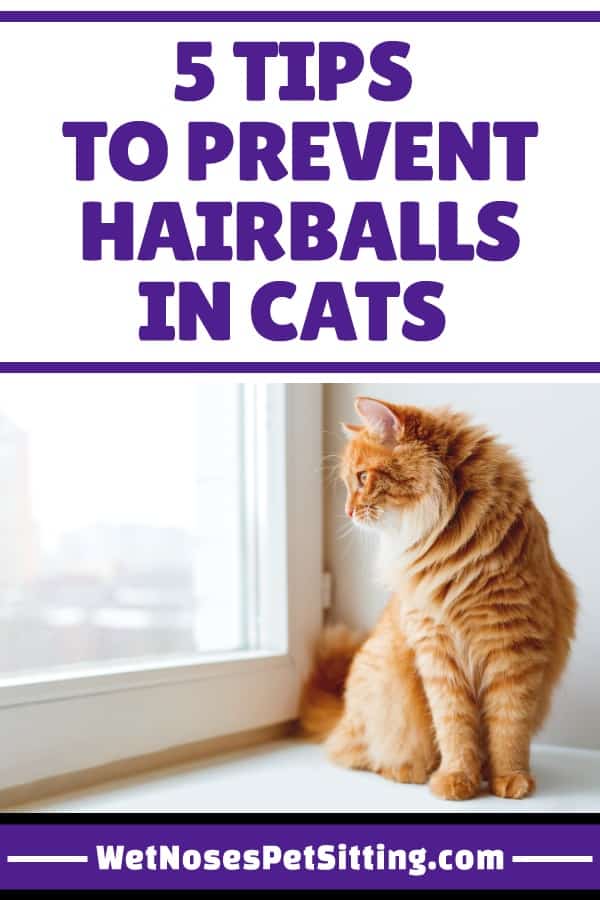
Credit: wetnosespetsitting.com
Preventive Measures
Regular grooming reduces loose hair, minimizing hairball formation in cats. A balanced diet with fiber supports digestion, helping hair pass naturally. Providing plenty of water encourages hydration, aiding in the prevention of hairballs.
Preventing hairballs in cats can feel like a never-ending battle, especially if you’re constantly cleaning up after your furry friend. But you can take simple steps to help your cat live a hairball-free life. From regular vet visits to ensuring your cat has a balanced lifestyle, these preventive measures can make a world of difference.Routine Health Check-ups
Regular vet visits are crucial. They help catch any underlying issues that might contribute to hairballs. A vet can offer tailored advice for your cat’s specific needs. Think about how often you get a health check-up. Your cat deserves the same attention. Even if your kitty looks fine, regular check-ups can prevent future hairball issues.Maintaining A Balanced Lifestyle
Balance is key in your cat’s life. Provide a diet rich in fiber to aid digestion. High-quality cat food can minimize the shedding that leads to hairballs. Encourage exercise with toys and playtime. A well-exercised cat is less stressed and grooms less obsessively. Less grooming means fewer hairballs. Grooming your cat is also essential. Regular brushing helps remove loose fur, preventing it from becoming a hairball. Find a brush your cat enjoys to make it a bonding experience. Implementing these simple steps can significantly reduce hairball issues. Have you tried any of these methods? Your cat will thank you for the extra effort.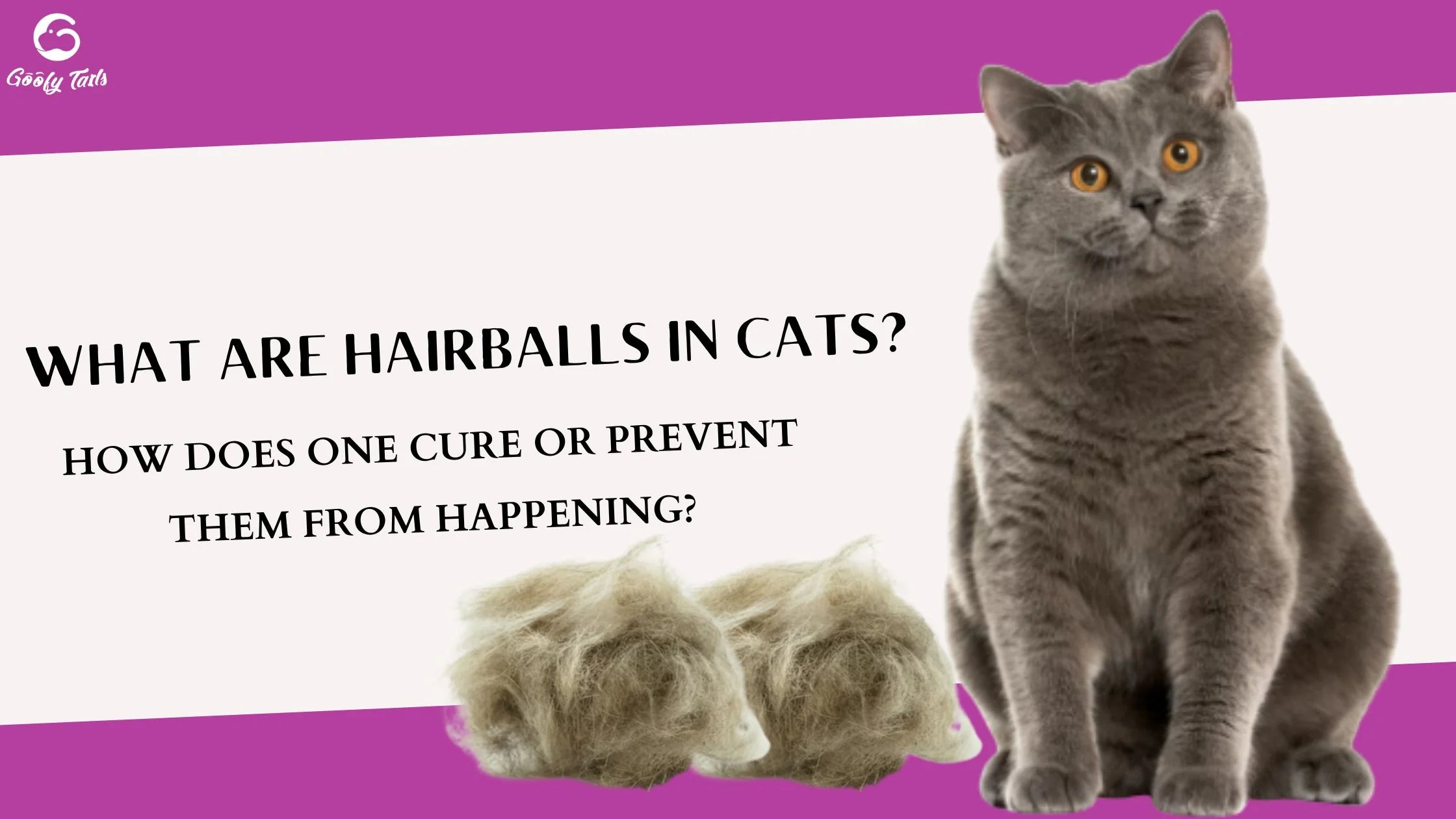
Credit: goofytails.com
Frequently Asked Questions
What Can I Give My Cat To Prevent Hairballs?
Feed your cat specialized hairball control cat food to reduce hairballs. Regular grooming helps remove loose fur. Consider using hairball gels or supplements to aid digestion. Provide fresh water to keep your cat hydrated. Encourage exercise and play to maintain a healthy coat and minimize hairball formation.
Does Dry Cat Food Cause Hairballs?
Dry cat food doesn’t directly cause hairballs. Hairballs result from cats grooming themselves and ingesting fur. High-quality dry food with fiber can help prevent hairballs by aiding digestion. Regular grooming and hydration also minimize hairball formation. Consult a vet for dietary advice tailored to your cat’s needs.
How To Stop Cats Bringing Up Hairballs?
To reduce hairballs, brush your cat regularly to remove loose fur. Provide a high-fiber diet to aid digestion. Encourage hydration by offering fresh water. Use specialized hairball control treats or supplements. Regular vet check-ups ensure overall health.
Why Is My Cat Getting A Lot Of Hairballs?
Cats get hairballs from grooming themselves. Excessive shedding or long fur increases hairball risk. Regular brushing helps reduce this. Ensure your cat has a balanced diet with fiber to aid digestion. If hairballs persist, consult a veterinarian for advice.
Conclusion
Preventing hairballs keeps your cat happy and healthy. Regular grooming reduces loose fur. A balanced diet helps digestion. Provide plenty of water. Encourage playtime to lessen stress. Consider special hairball control food. Consult a vet for persistent issues. Your cat deserves comfort.
Hairballs can be minimized with care. Small changes make a big difference. Keep an eye on your cat’s behavior. Act quickly if problems arise. Your efforts pay off in the long run. Happy cat, happy home. Remember, prevention is key.
Follow these tips for a hairball-free life. Your cat will thank you.

Similar Posts