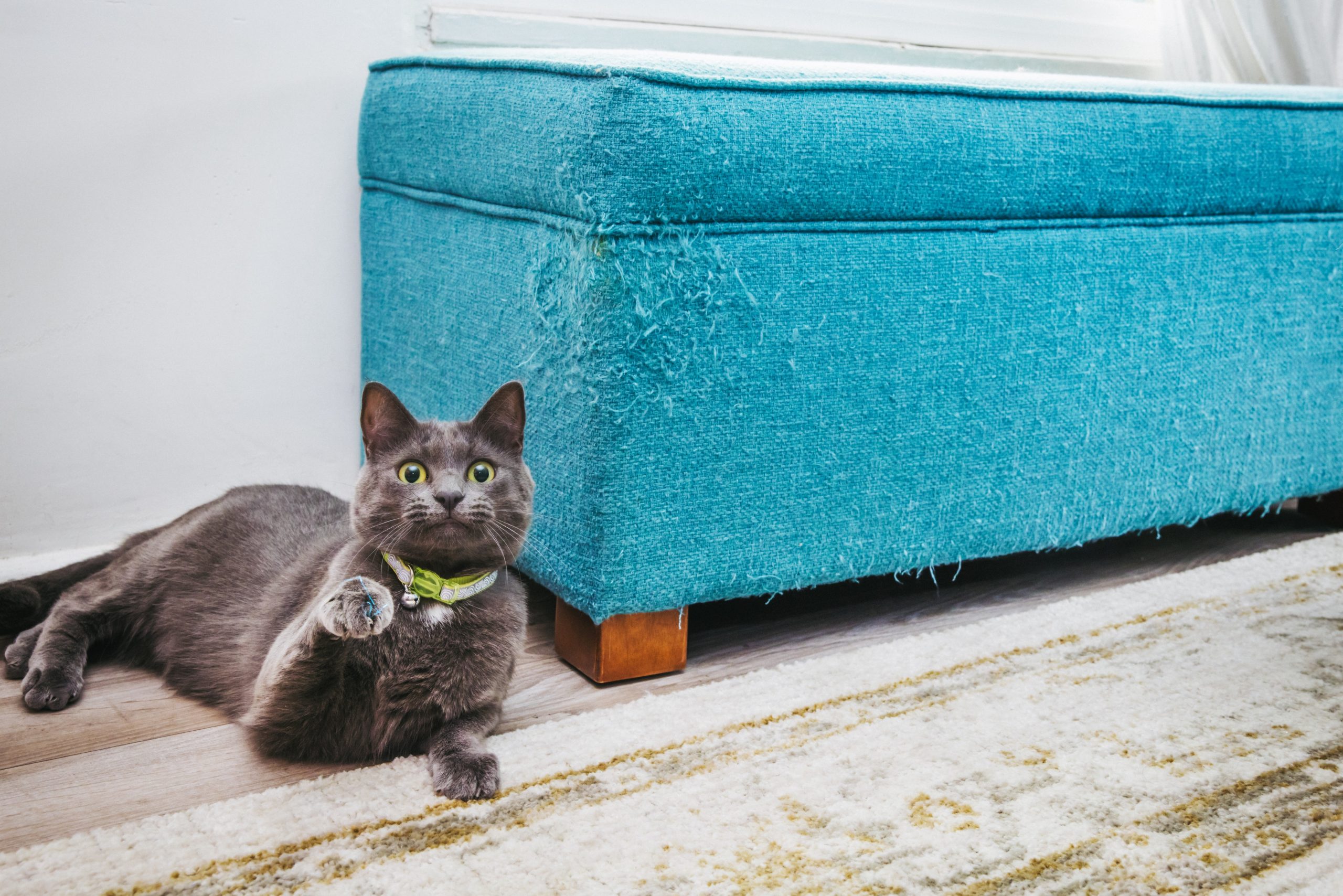
How Do You Keep Cats from Scratching Furniture: Proven Strategies
Are your beloved feline companions turning your beautiful furniture into their personal scratching posts? If you’re nodding in agreement, you’re not alone.
Many cat owners face the same challenge, watching helplessly as their couches, chairs, and tables bear the brunt of their cat’s natural instincts. But don’t worry, there’s hope. You don’t have to choose between your cat and your furniture. By understanding why cats scratch and learning some effective strategies, you can keep your home looking pristine while keeping your kitty happy.
Ready to discover how to protect your furniture from those tiny claws? Let’s dive in and transform your living space into a cat-friendly haven.
Reasons Cats Scratch Furniture
Cats scratch furniture to sharpen their claws, mark territory, and stretch their muscles. Providing scratching posts and using deterrent sprays can help redirect this behavior. Protecting furniture while meeting your cat’s natural needs is key.
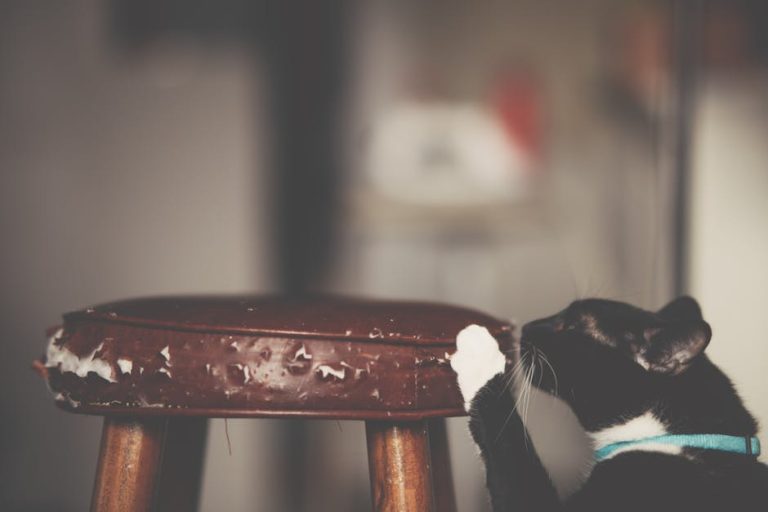
Cats are wonderful companions, but they can also be quite the furniture destroyers. Scratching is a common issue that many cat owners face. Understanding why your feline friend engages in this behavior is the first step in addressing it effectively. Let’s break down the main reasons behind your cat’s scratching habits.Natural Behavior
Scratching is an innate behavior for cats. It’s not something they do out of spite or mischief. It’s simply a part of who they are. Just like you might stretch your arms after sitting for a while, cats scratch to feel good and stay healthy. When my cat, Whiskers, was a kitten, I noticed her scratching everything in sight. At first, it was frustrating. But once I understood that it was as natural for her as breathing, I started looking for solutions rather than getting annoyed.Marking Territory
Cats are territorial creatures. They use scratching to mark their territory, both visually and with scent. The scent glands in their paws leave a unique signature on whatever they scratch. This is why you might notice your cat scratching the same spot repeatedly. It’s their way of saying, “This is mine.” Understanding this can help you redirect their behavior to more appropriate surfaces. Offer designated scratching areas, like a scratching post, to satisfy this need.Exercise And Stretching
Scratching provides essential exercise and helps your cat stretch its muscles. It keeps their claws sharp and healthy. Without it, they might feel restless or even anxious. Imagine if you were confined to a small space without the opportunity to move around. Scratching offers that physical release for cats. Encourage this behavior by providing various textures and heights for them to explore and scratch. Have you ever caught your cat in a long, leisurely stretch while scratching? That’s their version of a morning yoga routine. By giving them alternatives, you’re not just saving your furniture; you’re contributing to their well-being. If your furniture is suffering from your cat’s need to scratch, don’t despair. Understanding these reasons can help you find ways to accommodate their needs without sacrificing your home decor. What strategies have you tried to redirect your cat’s scratching habits?
Credit: www.wikihow.com
Effective Deterrents
Prevent furniture scratches with cat deterrents. Use scratching posts near furniture to redirect attention. Cover furniture with protective sheets or sprays to discourage clawing.
Cats love to scratch. It’s their natural way to keep claws sharp and mark territory. But scratched furniture can be frustrating. Fortunately, there are effective deterrents to help protect your belongings. Let’s explore some practical solutions.Using Scratch Posts
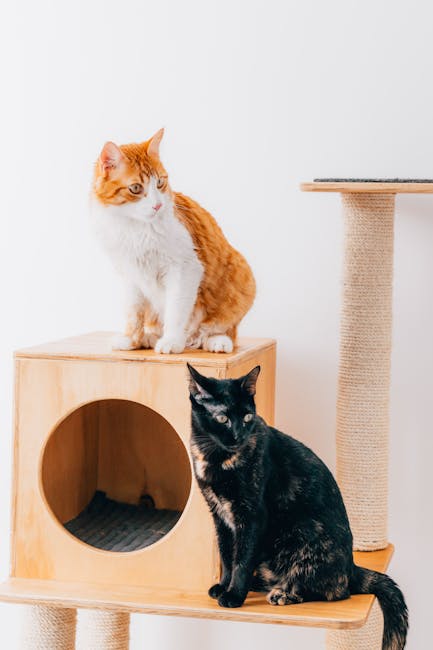
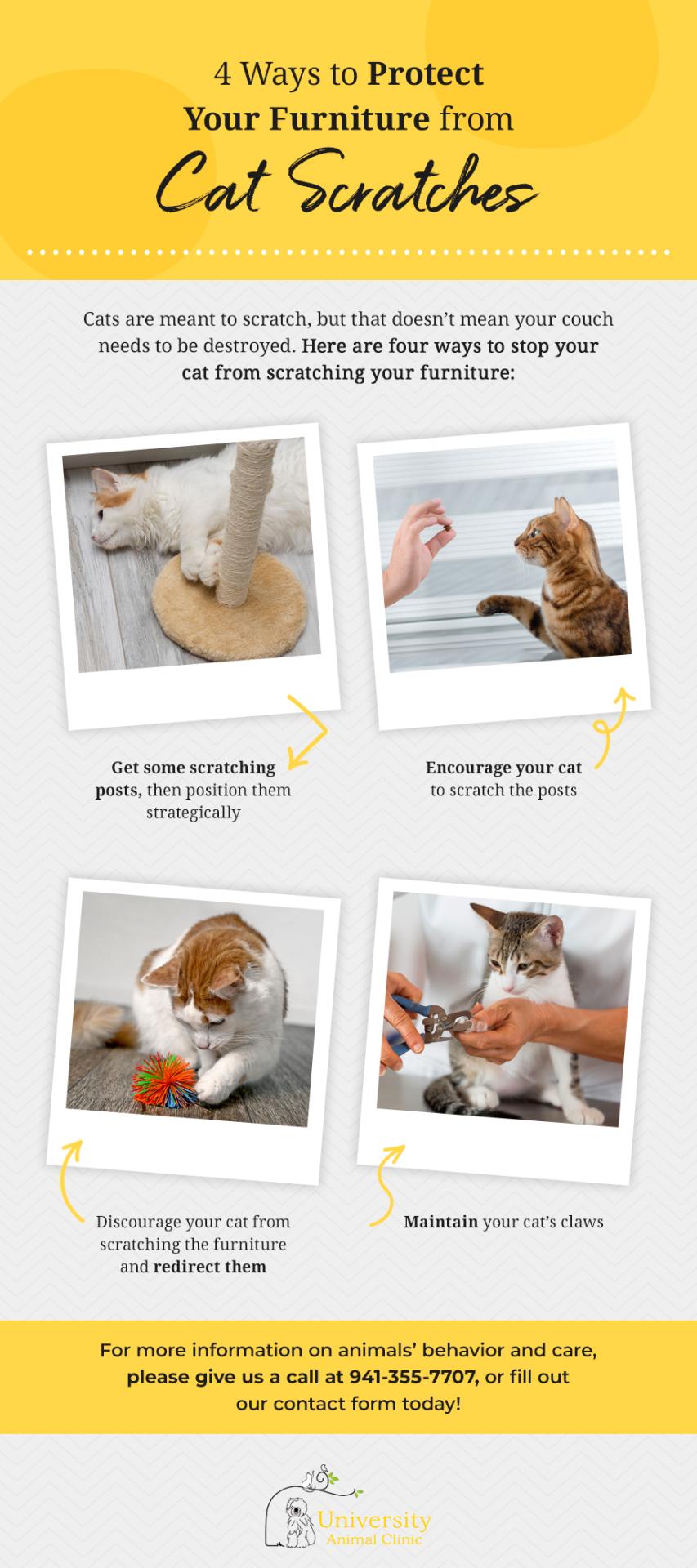
Scratch posts can save your furniture. Place them near the items your cat loves to scratch. Ensure they are tall and stable. Cats prefer posts covered in sisal rope. This material feels great on their claws. Regularly encourage your cat to use the scratch post. Reward them with treats when they do. Over time, they’ll prefer scratching the post instead of your furniture.Applying Sticky Tape
Sticky tape can deter cats from scratching furniture. Cats dislike the sticky sensation on their paws. Apply the tape to the areas your cat scratches most. Choose a tape that doesn’t damage the fabric. Once they associate the area with discomfort, they’ll avoid it. Remember to remove the tape once your cat stops scratching.Using Scented Deterrents
Cats are sensitive to smell. Use scented deterrents to protect your furniture. Citrus scents often work well. Spray a little on the areas prone to scratching. Be careful not to overdo it. Cats may avoid the area altogether. Ensure the scent is safe for pets. Natural oils are a good choice. With these deterrents, your furniture stays safe and your cat stays happy.Training Techniques
Cats are adorable, but they can be quite the troublemakers when it comes to furniture. Scratching is a natural behavior for them, helping with nail care and territory marking. Training techniques can help manage this behavior without sacrificing your beloved couch or chairs. With the right approach, you can teach your cat to scratch less destructively.
Positive Reinforcement
Reward your cat for using a scratching post. Treats and praise work wonders. Every time your cat scratches the post instead of furniture, offer a small reward. This encourages good behavior. Cats learn best when they feel appreciated. Consistent rewards create a habit.
Redirecting Behavior
Provide alternatives to furniture. Scratch posts, mats, and boards are excellent options. Place them near favorite scratching spots. Entice your cat with catnip or toys. Encourage interaction with these items. Cats are curious creatures. Redirect their attention effectively.
Consistency And Patience
Training takes time. Stay consistent with your techniques. Cats need routine to learn effectively. Be patient and persistent. Avoid frustration. Cats can sense emotions. A calm approach leads to better results. Keep reinforcing positive behavior regularly.
Credit: www.theuniversityanimalclinic.com
Alternative Solutions
Try using scratching posts to divert your cat’s attention from furniture. Place double-sided tape on areas they target. Regularly trim their claws to reduce damage.
Cats scratching furniture can be a common issue for pet owners, but there are alternative solutions that can help you keep your furniture safe. These methods can be effective in redirecting your cat’s natural instincts without resorting to negative reinforcement. Let’s explore some practical and actionable solutions that you can easily implement at home.Protective Covers
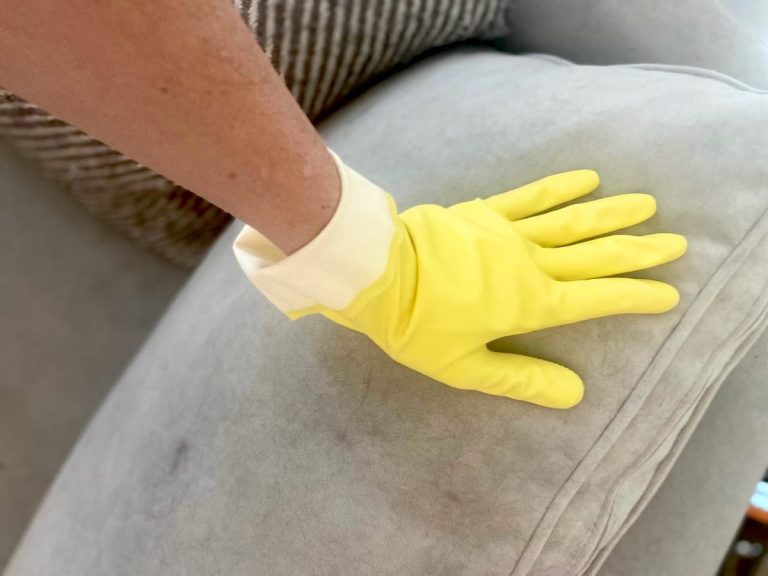
Protective covers are a simple yet effective way to shield your furniture from those sharp claws. They come in various materials, such as fabric or plastic, and can be easily placed over your furniture. This solution doesn’t just protect; it also saves you the hassle of frequent cleaning. I once used a stylish fabric cover on my couch, and it not only protected the material but also added a new look to my living room. Have you thought about how a simple cover might change the aesthetics of your home while protecting it?Claw Caps
Claw caps are tiny plastic covers that fit over your cat’s claws. They’re safe, painless, and can last for weeks before needing replacement. They come in different colors, allowing your cat to sport a trendy look! My cat, Whiskers, didn’t mind them at all, and it was a relief to see my sofa unscathed. Would your feline friend flaunt a pop of color on their paws?Regular Nail Trimming
Keeping your cat’s nails trimmed can significantly reduce the damage they do to your furniture. It also helps in keeping your cat comfortable and prevents overgrown nails. Regular trimming sessions can be a bonding experience for you and your cat. Have you tried making nail trimming a part of your routine with treats and cuddles as rewards? By addressing these alternatives, you can create a harmonious living space where both your furniture and your feline friend can coexist peacefully. Which solution do you think would suit your home best?Creating A Scratch-friendly Environment
Creating a scratch-friendly environment involves redirecting your cat’s natural instinct to scratch. Provide scratching posts and pads near furniture to entice them. Use deterrents like double-sided tape or citrus sprays on furniture to discourage scratching.
Creating a Scratch-Friendly Environment Creating a scratch-friendly environment for your feline friend is not just about saving your furniture. It’s about understanding their natural behavior. Cats love to scratch; it’s how they stretch, mark territory, and keep their claws healthy. Imagine if you could redirect that energy to places you actually want them to scratch. Wouldn’t that be amazing?Choosing Appropriate Scratching Surfaces
Selecting the right scratching surfaces can be a game-changer. Cats prefer surfaces that mimic tree bark or textured materials. Consider cardboard scratchers, sisal rope posts, or carpet-covered ramps. Observe your cat’s current scratching habits. Are they drawn to the arms of your sofa, or do they prefer the rough texture of your doormat? Choose similar textures for their designated scratch spots. Experiment with different surfaces. Place options around the house to see which your cat prefers. It may surprise you how specific they are!Strategically Placing Scratch Posts
Location matters when it comes to scratch posts. Place them near the furniture your cat loves to scratch. This provides a convenient alternative. Think about where your cat spends most of its time. Is it the living room or a cozy corner in the bedroom? Ensure scratch posts are easily accessible in these areas. Don’t forget to add posts near entryways. Cats often scratch when you come home, marking their territory as you enter.Encouraging Use Of Scratch Posts
Getting your cat to use scratch posts requires a bit of encouragement. Sprinkle catnip on the posts to make them more appealing. Involve playtime around the scratch posts. Use toys to lure your cat to the area, making it a fun experience. Celebrate small wins. When your cat uses the scratch post, reward them with praise or a treat. Positive reinforcement goes a long way in changing habits. Remember, it’s a partnership between you and your cat. Are you ready to create a home where both you and your feline can live in harmony?When Professional Help Is Needed
Scratching is a natural behavior for cats, but when it becomes destructive, it might be time to seek professional help. Understanding when to reach out for assistance can save both your furniture and the bond with your feline friend. Let’s explore the signs that indicate it’s time to call in the experts.
Signs Of Stress Or Anxiety
Does your cat scratch excessively, even when it has plenty of scratching posts? This could be a sign of stress or anxiety. Cats often scratch more when they feel threatened or uneasy in their environment.
If you notice other behaviors like hiding, overeating, or aggression, these might also signal stress. Addressing these issues early can prevent further damage to your furniture and improve your cat’s well-being.
Consulting A Veterinarian
When was the last time your cat visited the vet? Regular check-ups are essential, but if scratching becomes a problem, an extra visit might be necessary. A veterinarian can rule out any medical issues that might be causing discomfort or stress.
They can also provide insights into your cat’s behavior, offering advice on diet, environment, and health that might alleviate the urge to scratch. This professional guidance can be a game-changer for you and your pet.
Behavioral Therapy Options
Have you considered behavioral therapy for your cat? Trained professionals can work with you to understand the root cause of your cat’s scratching. They can offer tailored strategies to redirect this behavior.
Behavioral therapy might include techniques like clicker training or environmental modifications. Imagine teaching your cat to scratch only on designated items, saving your furniture and your sanity.
Isn’t it reassuring to know that there are experts ready to help you and your furry companion? Engaging with professionals can make a significant difference, transforming destructive scratching into manageable behavior. So, when should you seek professional help for your cat’s scratching habits? The answer might be sooner than you think.
:strip_icc()/keep-cat-from-scratching-carpet-554831_final-a8dcf3bb9e3b4c269259604c244f42d5.png)
Credit: www.thesprucepets.com
Frequently Asked Questions
What Is The Best Way To Stop Cats From Clawing Furniture?
Use scratching posts to divert cats from furniture. Apply double-sided tape or aluminum foil on surfaces. Regular nail trimming helps. Offer catnip on posts to attract them. Keep furniture clean with sprays that deter scratching.
What Smells Keep Cats From Scratching Furniture?
Cats dislike citrus, lavender, and eucalyptus scents. Use essential oils or sprays to deter them. These natural smells keep cats away from scratching furniture, preserving your home.
How Do You Scratch Proof Furniture From Cats?
Use furniture covers or throws to protect surfaces. Provide scratching posts and cat trees as alternatives. Apply double-sided tape or deterrent sprays on furniture. Trim your cat’s nails regularly to minimize scratching damage. Consider using claw caps for extra protection.
What Is The Best Homemade Spray To Stop Cats From Scratching Furniture?
Mix equal parts water and vinegar for an effective anti-scratch spray. Add a few drops of citrus oil for extra deterrent. Spray on furniture where cats scratch. This homemade solution is safe, eco-friendly, and can help protect your furniture from cat scratches.
Conclusion
Cats can stop scratching furniture with some simple steps. Start with providing scratching posts. These give them a place to scratch. Use materials they like, such as sisal. Place posts near favorite scratching spots. Consistent training helps too. Use rewards for good behavior.
Cover furniture with protective materials. This makes scratching less appealing. Try sprays or deterrents if needed. Remember, patience is key. Cats need time to learn. With care and persistence, they will choose their posts over your furniture. A happier home for both you and your feline friend.