Can Cats Recover from Poisoning on Their Own: Vital Facts

Imagine your beloved cat suddenly acting strangely, and you start worrying if they might have ingested something harmful. The thought of your furry friend being poisoned is terrifying.
As a cat owner, it’s crucial to know if cats can recover from poisoning on their own or if immediate action is necessary. You might be asking yourself: Is it possible for them to bounce back without intervention? Or is professional help the only option?
We’re diving into the reality of feline poisoning and recovery. You will discover what signs to look out for and whether your cat has the ability to heal naturally. You’ll also learn about critical steps you can take to ensure your cat’s safety and well-being. By the end of this read, you’ll be equipped with knowledge that could potentially save your cat’s life. So, stay with us and explore the important details that every cat lover should know.
Signs Of Poisoning In Cats
Cats are curious creatures that often explore their surroundings. This curiosity can lead them into trouble, especially with toxic substances. Recognizing the signs of poisoning is crucial for a cat’s survival.
Common Symptoms To Watch For
Vomiting is a frequent sign of poisoning. Cats may also experience diarrhea. Drooling or excessive salivation often indicate a toxic reaction. Lethargy can be a major symptom. It shows your cat is not feeling well. Seizures or tremors are severe signs. Quick action is required if these occur.
Behavioral Changes Indicating Toxicity
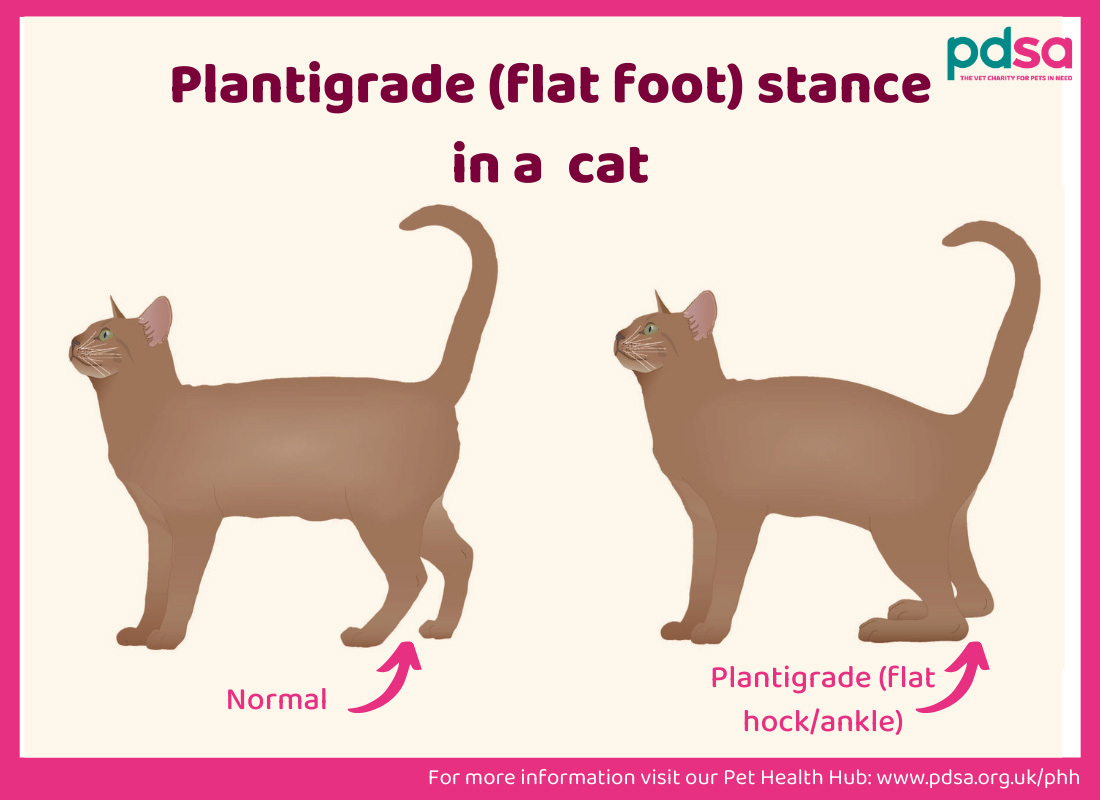
Sudden changes in behavior can signal trouble. A friendly cat becoming aggressive is a red flag. Hiding more than usual may indicate discomfort. Increased vocalization often means distress. Cats might refuse to eat or drink. This refusal is a serious warning sign. Strange gait or difficulty walking suggests neurological issues. These changes demand immediate attention.

Credit: www.reddit.com
Common Poisons Affecting Cats
Cats are curious creatures, often getting into things they shouldn’t. This curiosity can lead to encounters with harmful substances. Understanding common poisons is crucial for pet owners. Quick action can prevent serious harm to your feline friend.
Household Items And Chemicals
Many household items pose a risk to cats. Cleaning products like bleach and ammonia are toxic. Cats might ingest them by licking treated surfaces. Antifreeze is another danger, with its sweet taste attracting pets. Even small amounts can be deadly.
Pest control products, like rat poison, are also hazardous. Cats can ingest these directly or by eating poisoned rodents. Keep all chemicals out of reach. Store them securely to protect your pet.
Toxic Foods And Plants
Cats often nibble on plants, not knowing the risks. Some common houseplants are toxic. Lilies are particularly dangerous. Even a small bite can cause kidney failure. Other harmful plants include poinsettias and azaleas.
Foods like chocolate and onions are toxic to cats. Even small amounts can cause harm. Grapes and raisins are also dangerous. They can lead to kidney damage. Always keep human food away from your cat’s reach.
Immediate Steps For Suspected Poisoning
Cats can often recover from mild poisoning on their own if they receive immediate care. Remove the poison source and call a vet right away for advice. Quick action may prevent serious health issues.
When your beloved cat shows signs of poisoning, every second counts. While cats are known for their resilience, waiting for them to recover on their own is risky. Taking immediate action can make all the difference. Understanding the first steps to take when you suspect poisoning is crucial. It could be the key to saving your furry friend’s life.First Aid Measures
Begin by assessing the situation. If your cat is conscious and able to move, gently remove any potential toxins from their vicinity. This could be a spilled cleaning product or a chewed houseplant. Next, check your cat’s mouth for any residue or foaming. Carefully rinse it out with clean water if safe to do so. Keep your cat calm and still to prevent further absorption of toxins. Offer fresh water to encourage drinking, but avoid feeding food until advised by a vet. Sometimes, inducing vomiting can help, but this should only be done if a vet recommends it.When To Call The Vet
Time is of the essence. If your cat shows severe symptoms like seizures, difficulty breathing, or loss of consciousness, call the vet immediately. Even mild symptoms can escalate quickly, so err on the side of caution. Have you ever faced a medical emergency with your pet and hesitated to call for help? It’s common to second-guess. Remember, it’s better to seek professional advice early rather than regret later. Provide the vet with as much information as possible. Describe the suspected toxin, symptoms, and any first aid measures you’ve taken. This can help them tailor the treatment effectively. In what ways can you prepare for such emergencies? Having your vet’s number handy and a list of toxic substances in your home can be life-saving. Are there other steps you’ve found useful in your experience with pets?Can Cats Heal Naturally?
Cats have a natural resilience, but recovering from poisoning requires immediate veterinary care. Poisonous substances can cause severe harm. Timely intervention is crucial. While some symptoms might seem mild, underlying damage can be serious. Always consult a vet to ensure your cat’s safety and health.
Cats are mysterious creatures with remarkable healing abilities. Many cat owners wonder if their feline friends can heal naturally from poisoning. While cats possess unique instincts, self-recovery from poisoning can be complicated. Let’s explore this intriguing topic.Self-recovery Limits
Cats have strong immune systems. They can fight off minor illnesses. But poisoning is different. It often requires immediate attention. Some poisons affect internal organs. These can be life-threatening. Vomiting is a common sign of poisoning. Without treatment, recovery chances are slim. Self-recovery has limits. Poison impacts vary greatly. The type and amount of toxin matter. Time is crucial in these situations.Role Of Natural Instincts
Cats rely on natural instincts. They avoid harmful substances instinctively. But curiosity sometimes leads them astray. Cats often self-regulate their diet. They might refuse food if unwell. Drinking water can help flush toxins. But instincts alone can’t always save them. Cats may seek quiet places when sick. This behavior isn’t always beneficial. Instincts guide them but aren’t foolproof. Active intervention might be necessary. Understanding these aspects can help cat owners make informed decisions. Always consult a vet for suspected poisoning. Cats need support to recover fully.Medical Treatments For Poisoned Cats
Cats often cannot recover from poisoning without help. Quick medical treatment can be crucial for survival. Common symptoms, like vomiting or lethargy, require immediate attention.
Cats are curious creatures. They often explore their environment without caution. This curiosity can lead them into dangerous situations. Poisoning is a serious risk. Immediate medical treatment is crucial. Cats cannot recover from poisoning on their own. Professional veterinary care is essential.Common Veterinary Procedures
Veterinarians first assess the type of poison. They examine the cat’s symptoms. The vet may induce vomiting. This removes the poison from the stomach. Activated charcoal can be used. It helps absorb toxins. Sometimes, gastric lavage is necessary. This procedure cleans the stomach. Intravenous fluids are often administered. They help flush out toxins.Medications And Therapies
Specific medications may counteract the poison. Antidotes are used for certain toxins. The vet may prescribe supportive therapies. These include pain relievers and anti-nausea drugs. Blood tests help monitor organ function. Some cats need oxygen therapy. This supports their breathing. In severe cases, hospitalization is required. Ongoing care ensures a full recovery. `Preventing Poisoning In Cats
Preventing poisoning in cats is crucial for their well-being. Cats are naturally curious creatures, often getting into places and things they shouldn’t. By taking proactive steps to secure your home, you can significantly reduce the risk of your furry friend encountering harmful substances.
Home Safety Tips
Start by securing all cleaning supplies and chemicals in cabinets with childproof locks. Cats are adept at opening cabinets, especially if they detect an intriguing scent. Consider labeling these areas as a reminder for guests who might not be aware of the dangers.
Next, focus on your plants. Many common houseplants, like lilies and poinsettias, are toxic to cats. Opt for cat-safe plants such as spider plants or Boston ferns. A friend once told me how she switched her entire indoor garden to cat-safe plants after a scare with her curious kitty. It saved her cat’s life and gave her peace of mind.
Finally, keep small objects like rubber bands, hair ties, and coins out of reach. These can be tempting toys but can cause serious internal damage if ingested. How often do we leave these items lying around, not realizing the potential danger?
Recognizing Hazardous Materials
Understanding what substances are hazardous is key. Antifreeze, for instance, has a sweet taste that attracts cats but is lethal even in small amounts. Always clean up spills immediately and store such products securely.
Pay close attention to human medications. Even over-the-counter drugs like ibuprofen can be deadly to cats. Never leave pills out in the open or in easily accessible locations. A family member learned this the hard way when their cat ingested a dropped pill, resulting in an urgent trip to the vet.
Consider your food items too. Foods like chocolate, onions, and grapes might be treats for humans, but they can poison cats. Are you aware of what’s safe and what’s not? Keeping a list of cat-toxic foods on your fridge can be a helpful reminder.
Taking these precautions will help ensure your cat stays safe from potential poisoning threats. Remember, prevention is always better than cure. What steps will you take today to make your home a safer place for your feline friend?
Long-term Effects Of Poisoning
Cats might show signs of recovery from poisoning, but long-term effects can linger. Some poisons cause permanent damage to organs. Prompt veterinary care is crucial for a full recovery and prevention of lasting harm.
Understanding the long-term effects of poisoning in cats is crucial for every pet owner. While some cats might seem to bounce back after a poisoning incident, there can be hidden consequences. These effects can range from subtle behavioral shifts to more severe health issues that might not be immediately evident. Recognizing and addressing these can significantly improve your cat’s quality of life post-recovery.Potential Health Complications
Poisoning can leave lasting impacts on a cat’s health. Kidney and liver damage are common, given these organs are vital for detoxification. A friend’s cat once appeared healthy after ingesting household cleaner, but months later, it struggled with kidney function. Monitoring your cat’s health through regular vet visits can catch such issues early. You might notice symptoms like lethargy or a change in appetite, which could indicate underlying problems. Always pay attention to even minor changes in your cat’s behavior or physical condition. Another complication can be neurological issues. Some toxins affect the nervous system, leading to coordination problems or seizures. If your cat starts behaving unusually, it’s essential to seek veterinary advice promptly.Behavioral Changes Post-recovery
Behavioral changes can be subtle yet telling. You might observe your cat becoming more withdrawn or anxious. A usually sociable cat might start hiding more often after a poisoning event. Such changes could be linked to the stress of the experience or lingering physical discomfort. Providing a safe, quiet environment can help your cat feel secure and ease its stress. Aggression or fearfulness can also surface, which might be surprising if your cat was previously calm. Consider how the poisoning might have affected their trust or comfort in their surroundings. If these behaviors persist, consulting with a vet or animal behaviorist might be necessary. Have you noticed your cat acting differently after a health scare? It’s important to tune into these changes and respond with patience and care. Taking these small steps can make a big difference in your cat’s recovery journey.
Credit: www.cats.org.uk
Myths And Misconceptions
Cats are curious creatures, often exploring their surroundings. This curiosity can sometimes lead them into trouble. When a cat encounters something toxic, myths about their recovery abound. These myths can be misleading and even dangerous. Understanding the truth is essential for every cat owner.
Common Misbeliefs About Cat Poisoning
Many people believe cats can handle toxins better than other animals. This idea stems from their independent nature. Some think that cats can heal themselves after ingesting poison. This is not true. Poisoning can be severe, requiring immediate attention.
Another myth is that if a cat is not showing symptoms, it’s safe. Some poisons have delayed effects. By the time symptoms appear, it might be too late. Quick action is crucial to save a cat’s life.
Debunking Recovery Myths
There’s a belief that milk can neutralize poison in cats. This is a misconception. Milk does not counteract toxins. In some cases, it can worsen the situation. Relying on home remedies can be dangerous.
Some think a cat’s natural instincts will guide it to safety. Cats might avoid certain foods, but not all dangers are obvious. Even a small amount of toxin can be lethal.
Professional help is always the best choice. A vet can provide the right treatment for poisoning. Trusting in myths can put your cat at risk. Seek expert guidance without delay.

Credit: animalemergencyservice.com.au
Frequently Asked Questions
How Long Does It Take For A Cat To Recover From Being Poisoned?
Cat recovery from poisoning varies, typically taking hours to weeks. Immediate vet treatment increases recovery chances.
How Do You Flush Poison Out Of A Cat’s System?
Contact your vet immediately for advice. Induce vomiting only if instructed. Provide fresh water to help dilute toxins. Avoid home remedies without professional guidance.
How To Treat A Poisoned Cat At Home?
Keep the cat calm and away from the toxin. Call your vet for immediate advice. Do not induce vomiting unless instructed. Provide fresh water to flush out toxins. Monitor symptoms closely and seek emergency veterinary care if needed.
Can Cats Recover From Food Poisoning On Their Own?
Cats can sometimes recover from mild food poisoning on their own. Monitor them closely and ensure they stay hydrated. If symptoms persist or worsen, consult a veterinarian immediately for proper treatment. Early intervention can prevent serious complications and ensure your cat’s well-being.
Conclusion
Cats may struggle to recover from poisoning alone. Immediate veterinary help is crucial. Symptoms can worsen quickly without treatment. Always monitor your cat closely for unusual behavior. Quick action can save their life. Keep harmful substances out of reach. Safe environments prevent future incidents.
Regular check-ups also help maintain your cat’s health. Love and care ensure a happy, healthy pet. Stay informed. Protect your feline friend from potential dangers.

Similar Posts