Can a Cat Be Trained: Unlocking Feline Potential
Have you ever looked at your cat lounging on the windowsill and wondered if they could do more than just nap and chase the occasional laser pointer? You might be surprised to learn that cats, often seen as fiercely independent creatures, can indeed be trained.
Imagine the possibilities: a cat that comes when called, uses a scratching post instead of your favorite couch, or even performs tricks! Training your cat isn’t just about teaching them new skills—it’s about enhancing your bond and making life more enjoyable for both of you.
We’ll unravel the myths and reveal the secrets behind cat training. Get ready to discover how you can transform your feline friend into a well-behaved companion. Curious to find out how? Keep reading!
Credit: www.coastalpet.com
Feline Intelligence
Cats are mysterious and independent creatures. Their intelligence often surprises us. Despite common beliefs, cats are quite smart. Understanding feline intelligence can change how we interact with them. Cats can learn, adapt, and respond to their environment. Their intelligence is different from dogs but equally fascinating.
Understanding Feline Intelligence
Cats have a strong memory. They remember places, people, and routines. This helps them navigate their surroundings easily. Their ability to solve problems shows their intelligence. They can open doors or find hidden toys. This indicates their capability to think and plan.
Social Intelligence In Cats
Cats communicate in subtle ways. They use body language and vocalizations to express themselves. Understanding these signals can strengthen your bond with them. Cats also observe their owners closely. They learn routines and respond to emotional cues.
Learning Through Observation
Cats often learn by watching. They observe other animals or humans to learn new skills. This observational learning is a sign of intelligence. It shows they can adapt based on what they see. This ability makes training possible.
Motivation And Rewards
Training a cat requires patience and motivation. Cats respond well to treats and praise. Using positive reinforcement encourages them to learn. Finding the right motivation can make training easier. It turns learning into a fun activity for them.
Basics Of Cat Training
Training a cat is different from training a dog. Cats have a unique personality. Their independent nature can make training challenging. Yet, with the right techniques, they can learn many things. The basics of cat training involve understanding their behavior. This helps in creating a positive learning experience.
Positive Reinforcement
Positive reinforcement works well with cats. Reward them for good behavior. Use treats or affection. This encourages them to repeat the action. Cats respond better to rewards than punishment. Keep the reward immediate. So they connect the action with the reward.
Consistency And Patience
Consistency is key in cat training. Use the same commands and actions. This helps them learn faster. Patience is also important. Cats take time to learn. Do not rush the process. Celebrate small achievements. This keeps the training enjoyable for both.
Common Training Techniques
Training your cat might sound like a daunting task, but it’s entirely possible with the right techniques. Cats, much like humans, have different learning styles and preferences. Understanding these can make training more effective and enjoyable for both of you. Let’s dive into some common training techniques that can help you communicate with your feline friend more effectively.
Clicker Training
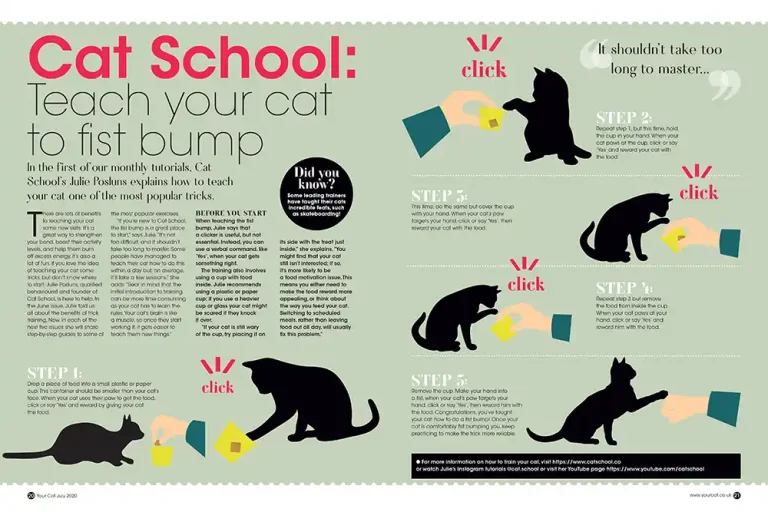
Clicker training is a popular method, and it’s all about positive reinforcement. You use a small device that makes a clicking sound to mark a desired behavior. Once your cat performs the action you want, click the device and offer a treat. This technique is straightforward and can be quite effective.
I remember using clicker training with my cat, Max. He was hesitant at first, but the click sound caught his attention. Soon, he was sitting on command, eager for his treat. It was a game-changer in our communication. Could your cat learn to respond to a clicker?
Lure And Reward
The lure and reward technique involves using food or a toy to guide your cat into performing a behavior, then rewarding them. It’s especially useful for teaching simple commands like sit or high-five.
Try holding a treat above your cat’s head to encourage them to sit. Once they do, give them the treat. This method taps into their natural curiosity and food motivation. Have you ever tried luring your cat with a treat? You might be surprised at how quickly they pick up new tricks.
Training your cat takes patience and consistency. Different cats respond to different techniques, so it’s important to observe what works best for your pet. Whether you choose clicker training or lure and reward, remember that the key is positive reinforcement. Celebrate every small success with your feline friend, and you’ll both enjoy the journey together.
Training Challenges
Cats often seem mysterious and independent. Training them can be challenging. Unlike dogs, cats have unique behaviors. Understanding these behaviors is crucial for successful training. Patience and consistency are key. Some cats might resist training initially. With the right approach, you can overcome these challenges.
Understanding Cat Behavior
Cats are natural hunters. Their instincts drive much of their behavior. They value their independence. This can make training difficult. Recognizing their needs is essential. Understanding their motivations helps in crafting effective training strategies. Observe your cat closely. Learn what interests them. Use this knowledge to your advantage.
Overcoming Stubbornness
Some cats can be stubborn. They might ignore commands. Don’t give up easily. Persistence pays off. Use positive reinforcement. Rewards encourage desired behavior. Treats and praise work well. Keep training sessions short. This maintains their attention. Gradually increase complexity. Patience is crucial. Celebrate small victories. Each step forward is progress.
Benefits Of Training Cats
Training cats can offer numerous benefits for both the pet and the owner. Many people believe only dogs can be trained, but cats are just as capable. With the right techniques, cat training can lead to a happier, more harmonious household. Cats can learn to behave well, and training can strengthen the bond between you and your pet.
Improved Behavior
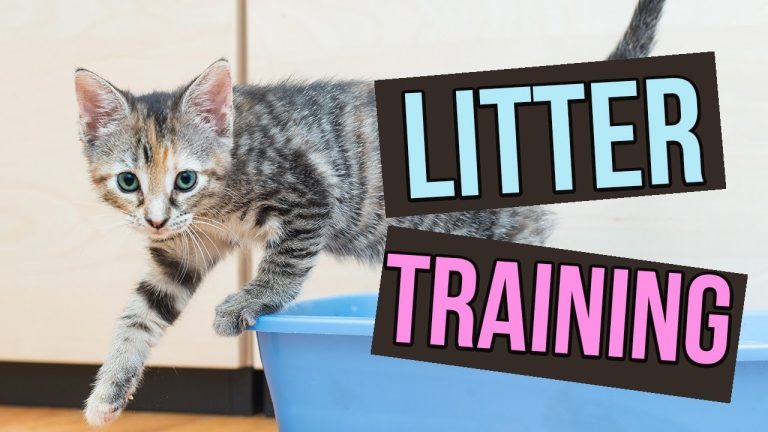
Training helps in addressing unwanted cat behaviors. Cats can learn to use litter boxes consistently. They can also be trained to avoid scratching furniture. Teaching them commands reduces stress for everyone. A well-trained cat is less likely to cause damage in the home. This makes living with them more enjoyable. Consistent training reinforces positive behavior.
Strengthened Bond
Training sessions offer special moments to bond with your cat. Spending time together builds trust and understanding. When cats learn new tricks, they feel accomplished. This boosts their confidence and happiness. Happy cats are more affectionate and loving. Regular training can make your relationship stronger. Both you and your cat benefit from this deeper connection.

Credit: www.littergenie.com
Training Tools And Resources
Cats can be trained using specific tools and resources. Treats, clickers, and toys help reinforce positive behaviors. Patience and consistency are key in teaching cats tricks or commands.
Training a cat might sound like a challenging task, but with the right tools and resources, it becomes an achievable goal. Cats, like humans, can learn and adapt with proper guidance. Using the correct equipment and educational materials can make the training process smoother and more enjoyable for both you and your feline friend. Let’s dive into the essentials you’ll need to get started on this rewarding journey.Essential Equipment
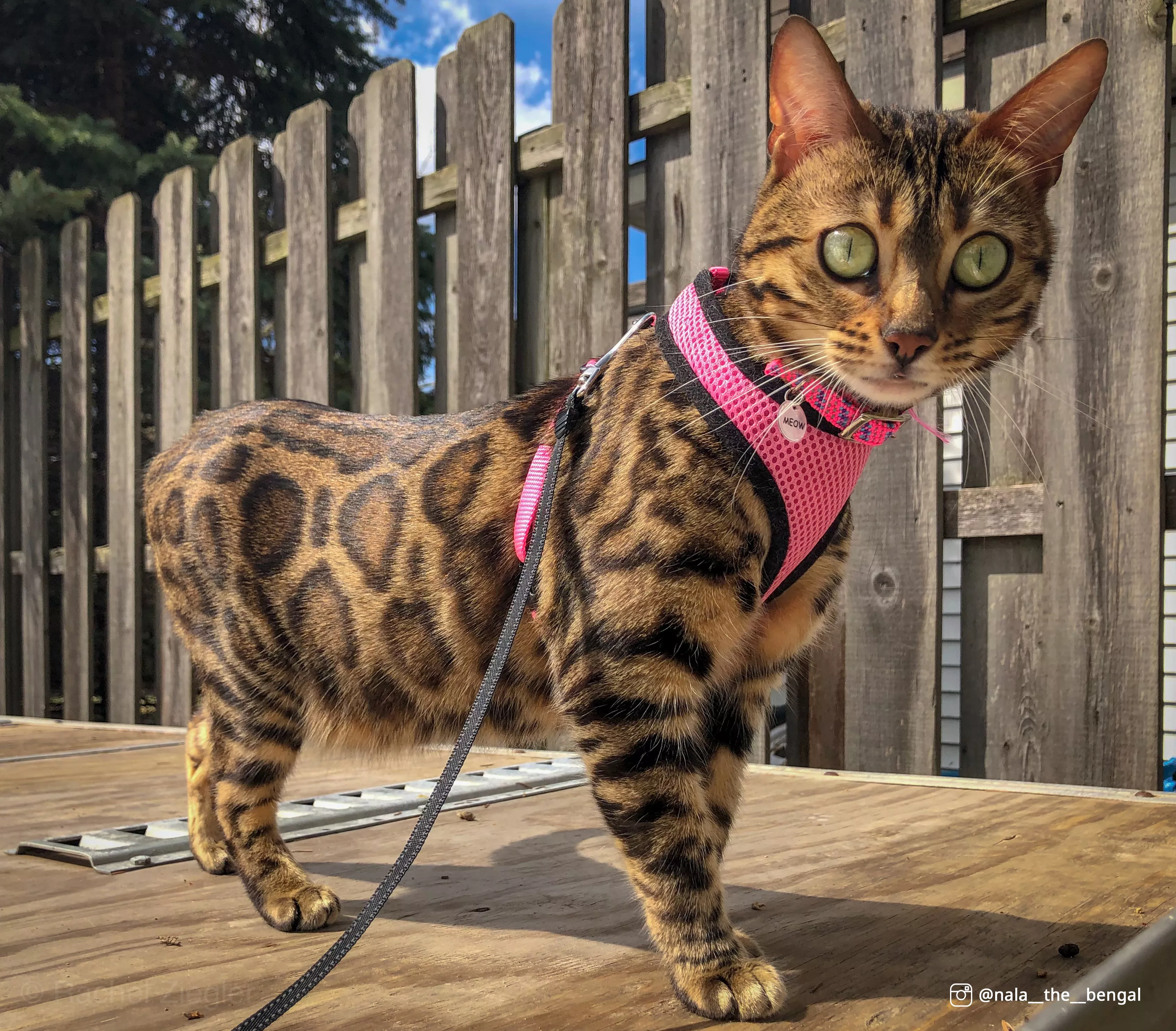
When training your cat, having the right equipment can make all the difference. Start with a reliable clicker; it’s a small device that makes a distinct sound when pressed, helping your cat associate the sound with a reward. Pair the clicker with some tasty treats that your cat loves. This will keep them motivated and eager to learn. A harness and leash are also useful, especially if you’re planning to train your cat for outdoor adventures. They allow your cat to explore safely while you maintain control. Consider investing in interactive toys as well. These toys can help stimulate your cat’s mind and keep them engaged during training sessions.Books And Online Guides
There are numerous resources available that can guide you through the cat training process. Books written by experienced trainers offer detailed insights and step-by-step instructions. Look for titles that focus on positive reinforcement techniques, as these are the most effective and humane. Online guides and video tutorials provide visual demonstrations that can be incredibly helpful. Websites like YouTube host countless videos of trainers working with their cats, offering practical tips and tricks. Joining cat training forums or social media groups can also be beneficial. Here, you can share your experiences, ask questions, and learn from other cat owners. Have you ever thought about creating a dedicated space for your cat’s training sessions? A quiet, distraction-free area can improve focus and make your sessions more productive. Consider setting up such a space in your home. Remember, patience is key. Every cat is different, and some might take longer to learn than others. With the right tools and resources, you’re well-equipped to guide your feline friend towards new and exciting skills.Real-life Success Stories
Training cats may seem challenging, but real-life stories prove it’s possible. Patience and treats can teach them tricks. Owners share tales of cats learning to sit and fetch, showcasing their intelligence and adaptability.
Training a cat might sound like a tall order, especially if you’ve ever watched your feline friend ignore your calls. However, real-life success stories prove that with patience and the right approach, cats can indeed be trained. These stories provide not just inspiration but practical insights into turning your kitty into a well-behaved companion.Meet Whiskers: The Cat Who Can High-five
Whiskers, a sprightly tabby, amazed his owner Sarah by learning to high-five. Sarah started by holding a treat just out of Whiskers’ reach, encouraging him to paw at her hand. With repetition and rewards, Whiskers quickly grasped the concept. Have you ever thought about teaching your cat a simple trick like high-fiving? It can be a fun way to bond and challenge your pet.Pepper’s Journey To Using The Toilet
Pepper, a clever Siamese, swapped his litter box for the toilet. His owner, Mark, used a special training kit designed for toilet training cats. Over several weeks, Pepper adapted to using the toilet, saving Mark from the dreaded litter cleaning chore. Would you consider toilet training your cat to ease your cleaning routine? Pepper’s story shows it’s possible with persistence.Luna’s Leash Training Adventure
Luna, a curious calico, learned to walk on a leash, opening up new outdoor adventures. Her owner, Emily, started by letting Luna wear the harness indoors until she was comfortable. Gradually, they moved to short outdoor walks, rewarding Luna with treats for staying calm. Thinking about taking your indoor cat on outdoor excursions? Luna’s success illustrates how you can introduce your cat to the outside world safely.Oliver’s Mastery Of The Fetch Game
Oliver, a playful Maine Coon, picked up fetching like a pro. His owner, Jake, started by rolling a small ball and encouraging Oliver to bring it back. Oliver’s natural curiosity and Jake’s positive reinforcement made fetch their favorite game. Could your cat learn to fetch? Oliver’s story suggests that patience and playful interaction can turn your cat into an eager participant. Real-life cat training success stories not only provide motivation but also practical tips for your training journey. Whether it’s teaching a new trick or tackling a behavior challenge, these examples show that with dedication, you can make great strides with your feline friend. What success story will you write with your cat?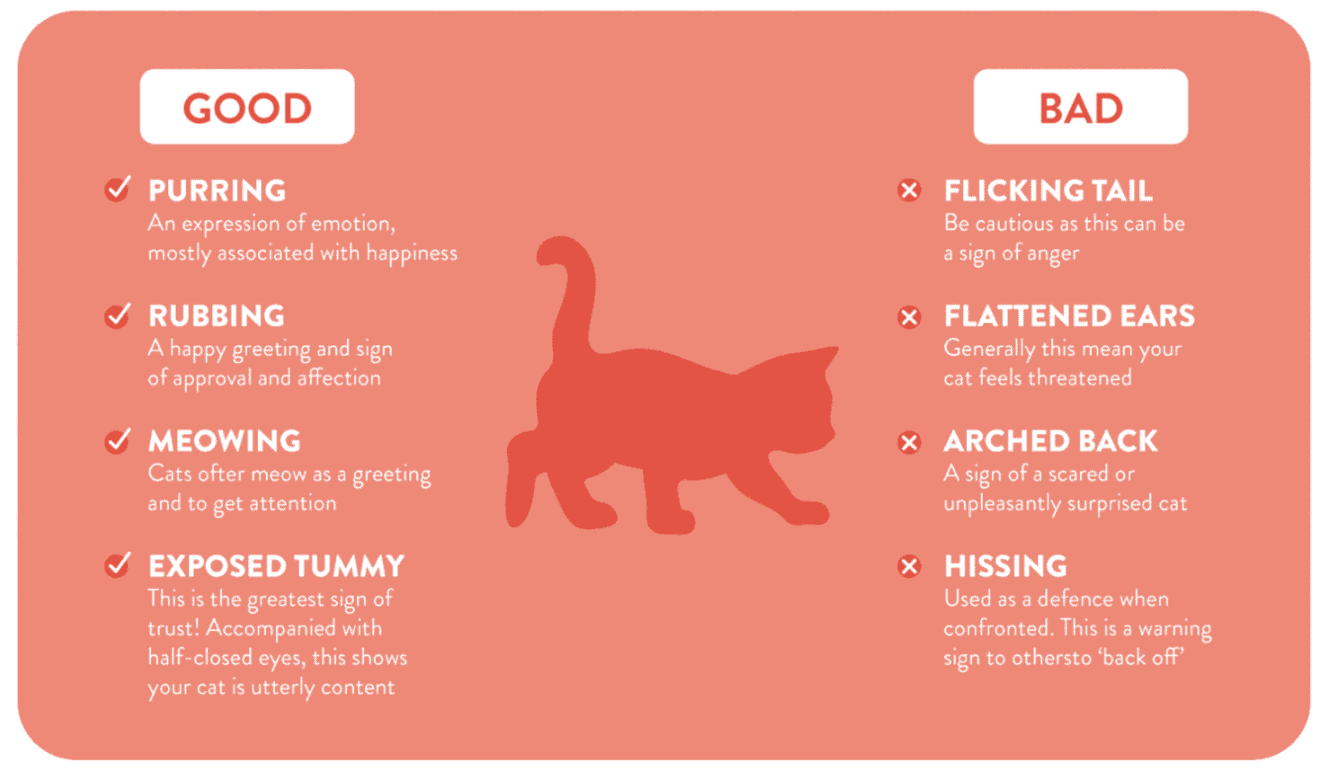
Credit: www.burgesspetcare.com
Frequently Asked Questions
Are Cats Easy To Train?
Cats can be challenging to train due to their independent nature. Use patience and positive reinforcement. Start with basic commands and short training sessions. Rewards like treats and praise help motivate them. Consistency is key to success. With time, cats can learn behaviors and tricks.
Is It Possible To Train A Cat To Behave?
Yes, cats can be trained to behave. Use positive reinforcement with treats and praise for desired actions. Consistent routines and patience help improve their behavior. Training takes time, but cats can learn commands, use litter boxes, and stop unwanted actions effectively.
How Much Is It To Train A Cat?
Training a cat typically costs between $50 and $100 per hour. Prices vary based on the trainer’s experience and location. Some online courses or books offer more affordable options starting at around $20. Always research and choose a reputable source to ensure effective training.
What Age Is Too Late To Train A Cat?
Cats can be trained at any age. Older cats might take longer, but they can still learn. Use patience, consistency, and positive reinforcement for best results. Training can enhance their mental stimulation and strengthen your bond.
Conclusion
Training a cat is possible with patience and consistency. Start small. Use positive reinforcement like treats and praise. Cats respond well to rewards. Keep training sessions short. This prevents your cat from losing interest. Remember, every cat is unique. What works for one might not work for another.
Adjust your approach as needed. Building a bond with your cat takes time. Enjoy the process. Celebrate small victories. Training not only teaches cats. It strengthens your relationship. Happy training!