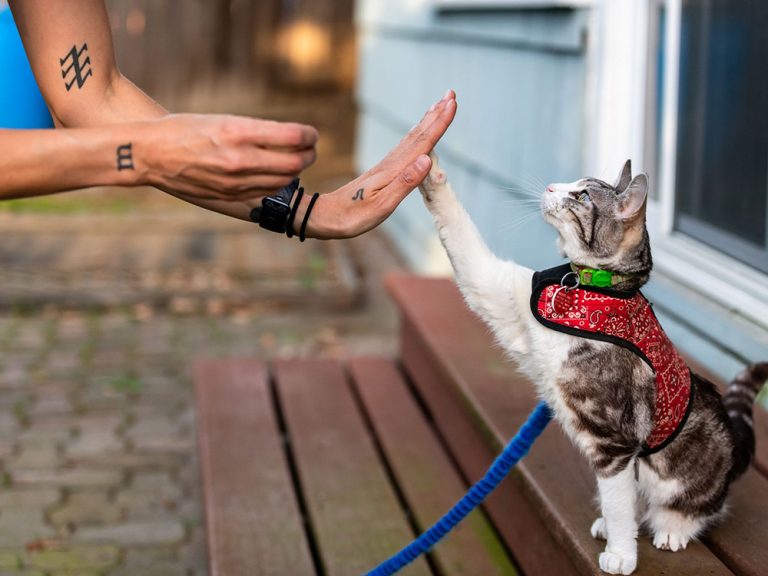
How to Train Your Cat to Come to You: A Step-by-Step Guide
Imagine calling your cat’s name and watching as they trot towards you, with the grace and charm that only a feline can possess. Training your cat to come when called might seem like a daunting task, but it’s entirely possible with the right approach.
This skill doesn’t just make life easier; it also strengthens your bond with your furry friend. Are you tired of feeling like your cat only comes around when it’s feeding time? If so, you’re not alone. Many cat owners yearn for a closer connection with their pets.
This blog post is your guide to achieving just that. Discover the secrets to gaining your cat’s attention and trust, turning those elusive moments of affection into regular occurrences. As you read on, you’ll find simple, yet effective techniques that will transform your relationship with your cat. Ready to uncover the key to a more responsive and affectionate pet? Keep reading, and unlock the magic of communication with your cat.
Choosing The Right Time
Selecting the ideal moment to train your cat can make a big difference. Cats respond better when they are calm and alert. Choose a quiet time without distractions for effective training.
Training your cat to come to you requires timing. Cats are creatures of habit, and choosing the right moment can make training effective. By selecting the optimal time, you can ensure your cat is attentive and willing to learn. This section will guide you on when to approach training sessions with your feline friend.Understanding Your Cat’s Routine
Observe your cat’s daily schedule. Cats have specific routines. They often nap, play, and eat at the same times. Identify when your cat is most active and alert. This is the ideal time for training.Avoid Interrupting Rest Or Meals
Never call your cat during rest or meals. Cats dislike being interrupted while eating or sleeping. Training during these times can frustrate them. Wait for a calm moment when your cat is ready to engage.Choose A Quiet Environment
A quiet space enhances focus. Cats get distracted easily by noise and activity. Select a peaceful area for training. This helps your cat concentrate on your commands.Start With Short Sessions
Keep training sessions short. Cats have limited attention spans. Begin with brief interactions, around five minutes. Gradually increase the duration as your cat becomes more responsive.Consistent Timing Is Key
Consistency builds habits. Train your cat at the same time each day. Routine helps your cat anticipate and prepare for training. This regularity boosts learning and cooperation. By choosing the right time, your cat will respond better. The timing affects their mood and willingness to learn. With patience and practice, your cat will come to you eagerly.
Credit: www.adventurecats.org
Creating A Positive Environment
Training your cat to come when called requires a friendly atmosphere. Start with gentle voices and rewards. Patience and consistency will make your cat feel safe and eager to respond.
Creating a positive environment is essential for cat training. Cats respond best in calm, welcoming spaces. A nurturing atmosphere encourages them to approach you willingly. Make your home inviting for successful training sessions. Focus on reducing stress and creating an area where your cat feels safe.Minimizing Distractions
Remove loud noises from training spaces. Turn off TVs and radios. Keep other pets away during sessions. Choose quiet times for training, like early mornings. Reduce clutter in the room. A tidy space helps your cat focus. Avoid sudden movements near your cat. They need calm surroundings to learn effectively.Using A Designated Space
Choose a specific area for training. This helps your cat associate the space with positive experiences. Use a room with minimal foot traffic. Select a spot with comfortable flooring. Place toys and treats in this area. This encourages your cat to approach. Keep the space clean and well-lit. A cheerful environment aids learning.Selecting A Reward System
Choose treats your cat loves to encourage them to come when called. Consistency helps reinforce this behavior. Use small rewards to keep your cat interested and motivated during training sessions.
Training your cat to come to you can be a rewarding experience for both you and your furry friend. One of the essential components of successful training is selecting a reward system that motivates your cat to respond to your call. It’s not just about giving treats; it’s about understanding what makes your cat tick and using that knowledge to create a positive learning environment.Treats
Cats often respond well to food rewards. Choose small, tasty treats that your cat loves. This makes the reward more enticing and memorable. Keep the treats handy during training sessions. Remember, moderation is key—overfeeding can lead to health issues. Mix up the treats to keep things exciting. You may find that your cat prefers chicken bits one day and tuna flakes the next.Affection And Praise
Not all cats are food-driven; some crave attention. Use affection as a reward if your cat enjoys being petted or held. Combine verbal praise with physical affection. A simple “good job” followed by a gentle stroke can reinforce positive behavior. Observe your cat’s reactions. What kind of praise makes their eyes light up? Tailor your approach based on what makes your cat feel special. Choosing the right reward system is crucial. Have you ever wondered what truly motivates your cat? Understanding their preferences can make training more effective and enjoyable.Teaching The Command
Training your cat to come to you can be fun and rewarding. Use treats and a gentle voice to encourage your cat. With practice, your cat will learn this useful command.
Training your cat to come to you can be a rewarding experience that strengthens your bond. It’s not just about teaching a command; it’s about creating a routine that your feline friend understands and enjoys. The process requires patience, consistency, and a sprinkle of creativity. Let’s dive into the steps that will make this training both fun and effective for you and your cat.Using A Consistent Cue
Consistency is key when teaching your cat to come to you. Choose a specific word or sound that will act as your cue. It could be a simple word like “come” or a unique sound like a clicker. Use this cue every time you want your cat to come to you. Avoid mixing words or sounds, as this may confuse your cat. Over time, your cat will associate this cue with positive experiences, making them more likely to respond eagerly.Starting With Short Distances
Begin the training by calling your cat from short distances. This keeps the task manageable and helps build confidence in your cat. Stand a few feet away and use your chosen cue. Reward your cat with treats or affection when they respond correctly. As your cat becomes more comfortable, gradually increase the distance. This challenges them and strengthens their ability to follow the command from further away. Did you know cats can be as responsive as dogs when trained consistently? Imagine the joy of seeing your cat trot towards you at the sound of your cue. With patience and practice, you and your cat can achieve this level of communication.Reinforcing The Behavior
Teaching your cat to come when called involves positive reinforcement techniques. Use treats or toys as rewards for desired behavior. Consistent praise encourages your cat to associate coming to you with pleasant experiences.
Training your cat to come when called can feel like a daunting task. Yet, with a sprinkle of patience and a dash of consistency, it’s entirely achievable. Reinforcing the behavior is crucial to teaching your feline friend this skill. The more positive experiences your cat associates with coming to you, the more likely they are to repeat the action. Let’s dive into some practical ways to reinforce this behavior effectively.Gradually Increasing Distance
Start with short distances. Call your cat from a few feet away. Reward them when they come to you. It might be a treat or a gentle stroke. As your cat becomes more reliable, increase the distance bit by bit. This gradual process helps your cat build confidence. It also strengthens the association between coming to you and receiving a reward. Have you ever noticed your cat hesitating when called? It could be the distance. So, take it slow and steady. Each successful attempt is a step forward in their learning journey.Practicing Regularly
Consistency is key. Practice calling your cat daily. It doesn’t have to be a long session—short bursts work well. Mix it up! Sometimes call them during playtime; other times during quiet moments. This creates a routine that integrates into their daily life. Regular practice helps your cat remember what’s expected. Moreover, it reinforces the idea that coming to you is rewarding. Just like humans, cats thrive on routine—so make it a fun one! Remember, reinforcing behavior is not just about rewards. It’s also about building a trusting relationship. Are you ready to see your cat respond eagerly every time you call?
Credit: www.adventurecats.org
Handling Challenges
Training your cat to come when called can be challenging. Begin with a quiet environment. Use treats or toys as rewards. Practice consistently with patience. Positive reinforcement is key.
Training your cat to come to you can be a rewarding experience. However, it’s not always smooth sailing. Every cat has its quirks, and some challenges might arise. Whether your feline friend is a bit stubborn or dealing with anxiety, handling these challenges effectively can make the training process more enjoyable for both of you.Dealing With Stubborn Cats
Some cats might not respond immediately to your call. Patience is key. Ensure that you’re using their favorite treats or toys as incentives. Consistency is crucial. Make sure you’re calling them at the same times daily. This helps them associate the routine with positive outcomes. If your cat remains indifferent, try changing the environment. Sometimes, a new setting can spark curiosity and engagement. Have you tried calling them from different rooms or in the yard?Addressing Fear Or Anxiety
An anxious cat may not come when called due to fear. Observe their behavior closely. Are they hiding often or showing signs of stress? Create a calm environment. Soft music and gentle tones can soothe a nervous cat. Avoid sudden movements or loud noises that might startle them. Building trust is essential. Spend quality time together without expectations. Gradually, your presence will become a source of comfort. Have you considered using pheromone diffusers to ease their anxiety? Training your cat requires understanding their unique personality. Each challenge, be it stubbornness or fear, offers a chance to deepen your bond. What steps will you take today to make your cat feel more at ease during training?Maintaining Progress
Training your cat to come to you involves patience and consistency. Start with a treat or favorite toy, calling their name gently. Repeat this daily to build a positive routine, rewarding them each time they respond.
Training a cat to come to you is a rewarding experience. But keeping the habit requires consistent effort. Cats are independent creatures. They may need regular practice to maintain their new behavior. Keeping the training fresh and enjoyable ensures long-term success. Let’s explore key strategies for maintaining progress.Consistency Over Time
Consistency is vital in cat training. Practice the recall command daily. Choose a specific time for training. This helps set a routine. Use the same word or sound each time. Your cat will recognize it as a cue to come. Repetition strengthens the command in your cat’s mind. Avoid skipping training sessions. Consistency builds trust and understanding.Adjusting Rewards
Rewards play a crucial role in training. They motivate your cat to respond. Start with high-value treats. These are irresistible to your cat. Over time, adjust the rewards. Use praise and petting as alternatives. Gradually reduce treat dependency. Maintain enthusiasm during each session. Your cat will respond positively. A variety of rewards keeps training exciting.
Credit: felinebehaviorsolutions.com
Frequently Asked Questions
What Is The 3-3-3 Rule For Cats?
The 3-3-3 rule guides new cat owners. Cats need 3 days to decompress, 3 weeks to adjust, and 3 months to become comfortable in their new home. This timeframe helps owners understand the transition period, fostering patience and empathy during the adaptation process.
Can I Train My Cat To Come To Me?
Yes, you can train your cat to come to you. Use positive reinforcement and rewards. Call their name gently, offering treats or affection when they respond. Consistent practice helps. Patience and understanding are key to successful training.
How To Stop A Cat From Running Away?
Keep your cat entertained with toys and activities. Secure outdoor spaces with a cat-proof fence. Ensure your cat is spayed or neutered. Provide a comfortable and safe indoor environment. Always ensure your cat has proper identification.
How Long Does It Take For A Cat To Come To You?
Cats vary in response time. Some may approach immediately, while others take days or weeks. Patience is key. Building trust with treats and gentle interactions can help. Each cat’s personality influences how quickly they come to you.
Conclusion
Teaching your cat to come to you takes patience and love. Use treats and praise to motivate your furry friend. Consistent practice will help your cat learn faster. Remember, each cat is unique and learns at its own pace. Be patient and celebrate small successes.
Training strengthens your bond with your cat. It also ensures their safety in various situations. Enjoy the journey of training and growing closer. Your efforts will pay off with a responsive, happy cat. Keep it fun and engaging for both of you.