How to Treat Cat UTI: Effective Home Remedies
If you’re a cat owner, your feline friend’s health is likely a top priority. When your cat isn’t feeling well, you can often tell.
If your cat is showing signs of discomfort while urinating or making frequent trips to the litter box, it might be dealing with a urinary tract infection (UTI). Understanding how to treat a cat UTI is crucial because it can save your furry companion from unnecessary pain and complications.
This guide will walk you through simple, effective steps to help your cat feel better quickly. We’ll explore symptoms to watch for, treatments to consider, and preventive measures you can take. Stick around to discover how you can restore your cat’s well-being and peace of mind.
Symptoms Of Cat Uti
Understanding the symptoms of a cat’s urinary tract infection (UTI) helps. Early detection can prevent serious health issues. Cats often hide their discomfort. Observing changes in their behavior and physical condition is key.
Behavioral Changes
Cats with UTIs may avoid the litter box. They might associate it with pain. Increased urination outside the litter box is common. Your cat may meow more than usual. The meows might sound like cries. This indicates discomfort or pain.
Some cats become more aggressive. Others may be unusually lethargic. A change in grooming habits is another sign. Cats may stop grooming themselves. This can lead to a messy coat.
Physical Indicators
Physical signs are easier to notice. Blood in the urine is a red flag. The urine may smell strong or unusual. Watch for changes in urination frequency. Increased attempts to urinate are common.
Pain during urination is another symptom. Your cat may strain or take longer to urinate. A swollen or tender abdomen can also occur. Weight loss may happen over time. Loss of appetite is a serious concern.
Monitor your cat’s water intake. Some cats drink more. Others drink less. These changes can signal a UTI.
Causes Of Cat Uti
Understanding the causes of Cat UTI is crucial for effective treatment. Cats can suffer from urinary tract infections (UTI) for various reasons. Identifying these causes helps prevent future occurrences.
Dietary Factors
Diet plays a vital role in a cat’s health. Certain foods can increase UTI risks. Dry food diets often lack necessary moisture. Cats need moisture for proper urinary function. Inadequate water intake can lead to concentrated urine. This increases the likelihood of infections. High mineral content in food can also be harmful. It may lead to crystal formation in the urinary tract. Always ensure your cat’s diet is balanced and hydrating.
Environmental Stressors
Stress can significantly impact a cat’s urinary health. Changes in their environment often cause stress. Moving homes or new pets can trigger anxiety. Cats may react to these changes physically. Stress can lead to inflammation in the bladder. This inflammation can cause or worsen UTIs. Providing a stable, calm environment is key. Regular play and affection can reduce stress levels.
Importance Of Veterinary Consultation
Dealing with a cat’s urinary tract infection (UTI) can be challenging. It’s vital to consult a veterinarian. They provide expert guidance to ensure your cat’s health and comfort. Veterinary consultation is essential for accurate diagnosis and effective treatment. Ignoring symptoms can worsen the condition. Professional advice is key to a cat’s recovery.
Diagnosing The Condition
A vet uses various methods to diagnose a cat’s UTI. Physical examination is crucial. It helps identify signs of infection. Blood and urine tests follow. These tests confirm the presence of bacteria or crystals. Imaging techniques like X-rays may be used. They help in detecting blockages in the urinary tract. Early detection aids in preventing complications. A vet’s expertise ensures accurate diagnosis.
Professional Advice
Veterinarians offer tailored advice for treating cat UTI. They prescribe medication to fight infection. Antibiotics are common in treating bacterial infections. Pain relief medications may be suggested. Dietary changes could be recommended. Special diets help maintain urinary health. Fluid intake is crucial. Vets advise increasing water consumption. Regular follow-ups ensure the treatment is working. Professional advice supports recovery and prevents recurrence.

Credit: www.amazon.com
Dietary Adjustments
Adjusting your cat’s diet can help treat urinary tract infections. Focus on providing wet food to increase hydration. Ensure the food is low in magnesium and phosphorus to prevent stone formation.
Dietary adjustments play a crucial role in managing cat urinary tract infections (UTIs). A change in diet can help alleviate symptoms and prevent future occurrences. Cats need a diet that supports urinary health. This includes ensuring they receive enough hydration and balanced nutrition. Let’s explore how these dietary adjustments can benefit your feline friend.Hydration Importance
Cats often drink less water than they need. This can lead to concentrated urine, increasing UTI risk. Encourage your cat to drink more by providing fresh water daily. Consider using a pet water fountain. Cats prefer moving water over stagnant bowls. Wet cat food can also boost hydration levels. It contains more moisture than dry kibble.Balanced Nutrition
A balanced diet supports overall health. Cats need a mix of proteins, fats, and carbohydrates. Look for foods labeled as urinary tract health formulas. These often contain nutrients that help maintain a healthy urine pH. Avoid foods high in magnesium. They can contribute to crystal formation in the urine. Consult your vet for diet recommendations. They can suggest foods tailored to your cat’s needs.Natural Supplements
Cats are prone to urinary tract infections (UTIs). These infections are painful and uncomfortable. Natural supplements can help treat and prevent UTIs. They offer gentle relief without harsh chemicals. Supplements can boost your cat’s health and well-being.
Herbal Remedies
Herbs have healing powers. They can soothe and heal your cat’s bladder. Cranberry extract is famous for treating UTIs. It prevents bacteria from sticking to the bladder walls. Dandelion helps cleanse the urinary system. It acts as a natural diuretic. Marshmallow root soothes inflamed tissues. It forms a protective layer in the bladder.
Probiotics Benefits
Probiotics are friendly bacteria. They help maintain a healthy gut. A strong gut supports the immune system. Probiotics can reduce UTI frequency. They balance the bacteria in the urinary tract. A healthy gut means fewer infections. Adding probiotics to your cat’s diet is easy. You can find them in supplements or food.
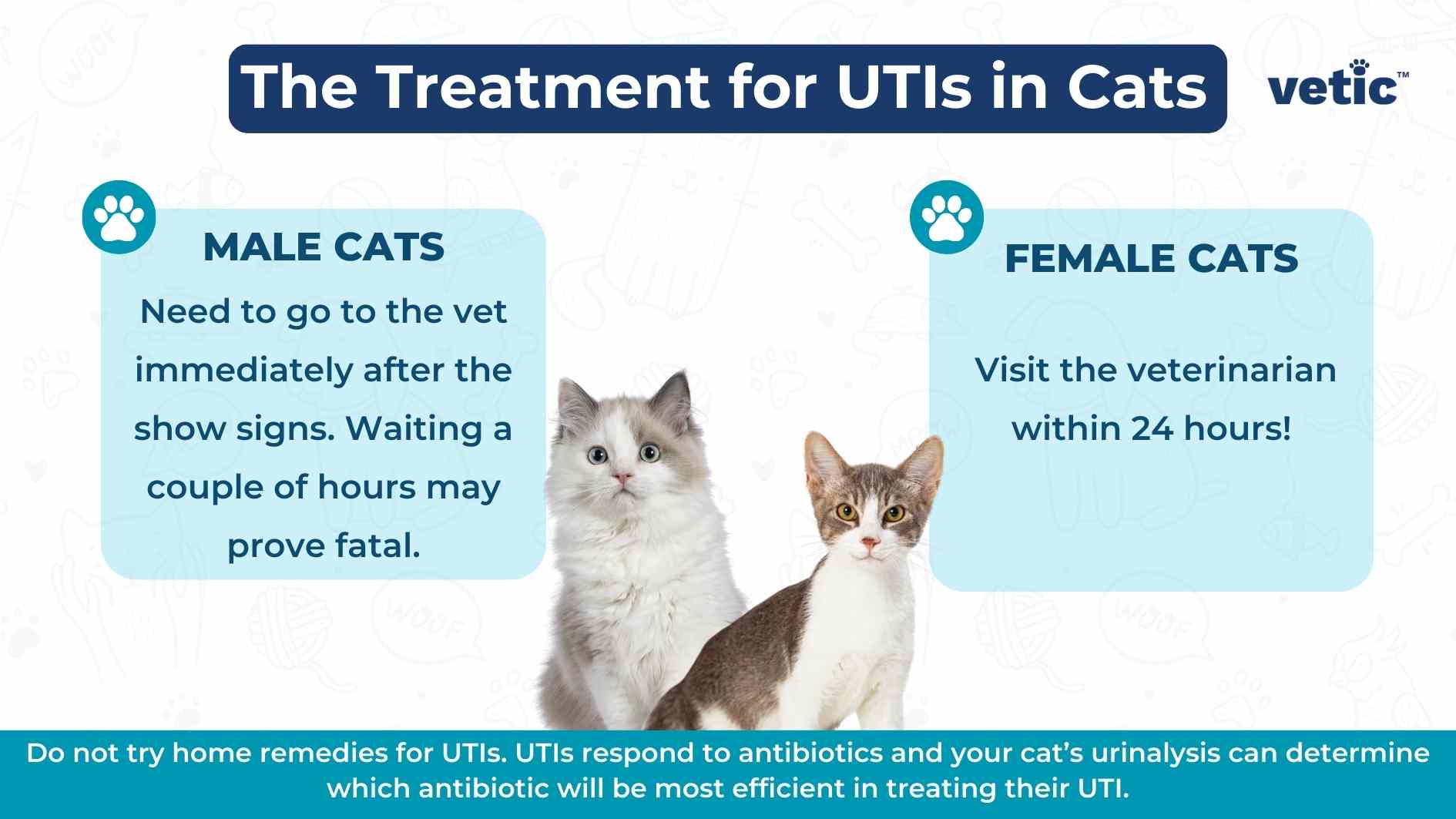
Credit: vetic.in
Environmental Modifications
Environmental changes can help treat a cat’s urinary tract infection (UTI). Cats thrive in calm and familiar settings. Creating a stress-free environment is essential. This can reduce the frequency of UTIs. Let’s explore how to modify the cat’s surroundings. These changes can improve their health and comfort.
Stress Reduction Techniques
Stress can trigger UTIs in cats. Reducing stress is key. Routine is vital for a cat’s peace of mind. Feed them at the same times daily. Play with your cat regularly. Use interactive toys to engage them. Soft music can also be soothing. Consider using feline pheromones. These can calm anxious cats. Provide scratching posts to release energy. Keep their litter box clean. This prevents stress related to hygiene.
Safe Space Creation
Cats need a safe space to relax. Create a dedicated area for your cat. Use a cozy bed or a soft blanket. Ensure the space is quiet and private. Avoid high-traffic areas of the house. Provide hiding spots for your cat. Cats love small, enclosed spaces. Cardboard boxes or pet tents work well. Keep this area free from loud noises. Ensure it’s a peaceful retreat for your cat. This can aid in their recovery from UTIs.
Monitoring And Follow-up
Monitoring and follow-up are crucial in treating cat UTI effectively. Regular vet visits ensure proper recovery and prevent complications. Watch for signs like frequent urination or discomfort to catch issues early.
When your cat is battling a urinary tract infection (UTI), your attention doesn’t end with the initial vet visit. Monitoring and follow-up are crucial parts of ensuring your furry friend returns to full health. It’s not just about treating the infection; it’s about understanding your cat’s unique needs and adjusting accordingly. So, how do you keep track and make sure your cat is on the road to recovery?Tracking Symptoms
Start by observing any changes in behavior. Is your cat still making frequent trips to the litter box? Keep a notepad handy to jot down unusual behaviors. Look for signs of discomfort or distress, like straining or crying out when urinating. These could indicate that the UTI is persisting or worsening. Hydration is key. Make sure your cat is drinking enough water. You might notice your cat’s coat becoming less shiny if they’re not well-hydrated, which could signal more than just UTI issues.Adjusting Remedies
Sometimes, the initial treatment plan might need tweaking. If symptoms persist, consult your vet about alternative or additional treatments. Consider dietary changes. Some cats respond well to special urinary health diets that can prevent future UTIs. Remember, every cat is unique. What works for one might not work for another. Are you noticing no change or improvement? It might be time to adjust the remedies or explore different methods suggested by your vet. Stay proactive in your approach. Regular check-ins with your vet can catch any lingering issues before they become serious. Plus, they offer peace of mind that you’re doing everything possible for your feline friend.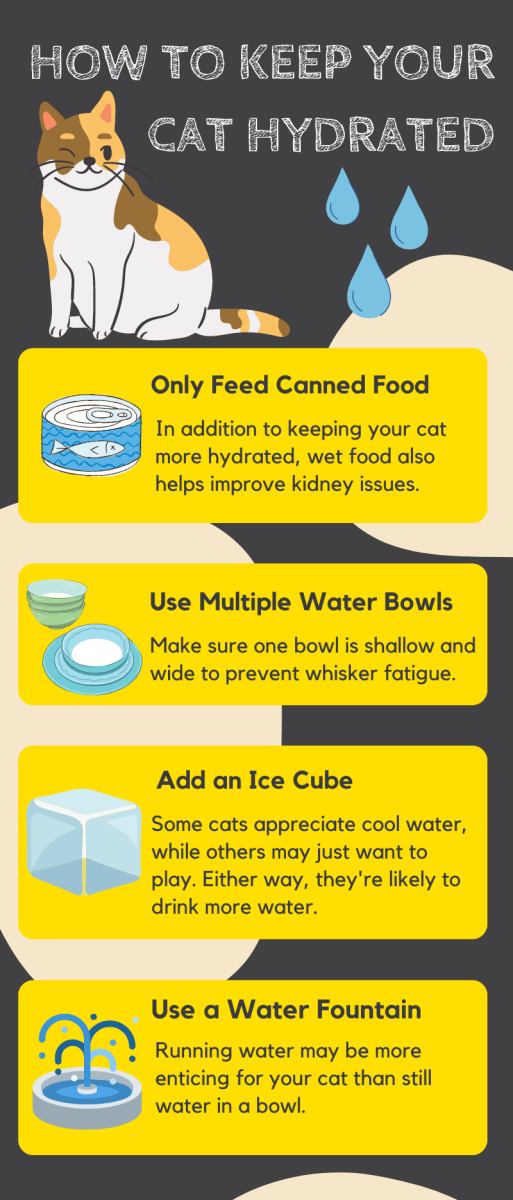
Credit: www.consolata.org
Frequently Asked Questions
How Can I Treat My Cat’s Uti At Home?
Ensure your cat drinks plenty of water. Offer wet cat food to increase hydration. Monitor litter box usage for any changes. Consult your vet if symptoms persist. Avoid home remedies without professional advice.
Can A Cat’s Uti Heal On Its Own?
A cat’s UTI rarely heals on its own. Seek veterinary care to prevent complications. Early treatment ensures faster recovery and avoids kidney damage. Always monitor your cat’s symptoms and consult a vet for proper diagnosis and treatment. Prompt action ensures your cat’s health and well-being.
How Can You Tell If A Cat Has A Uti?
Watch for frequent urination, straining, or blood in urine. Your cat may also show signs of pain or discomfort. A sudden change in litter box habits could indicate a problem. If you notice these symptoms, consult a veterinarian promptly for diagnosis and treatment.
What Are Common Symptoms Of Cat Uti?
Common symptoms of a cat UTI include frequent urination, straining to urinate, and blood in the urine. Cats may also urinate outside the litter box. Watch for signs of discomfort or excessive grooming of the genital area. If you notice these symptoms, consult your veterinarian for proper diagnosis and treatment.
Conclusion
Treating a cat’s UTI requires patience and care. Start by consulting a vet for proper guidance. They may suggest medications or dietary changes. Keep your cat hydrated. Fresh water is essential. Monitor their behavior for any signs of discomfort. A clean litter box helps prevent infections.
Pay attention to your cat’s diet. Healthy eating supports urinary health. Encourage regular exercise. It boosts overall well-being. Remember, a happy cat is a healthy cat. Consistent care leads to quick recovery. Stay alert and proactive. Your feline friend needs your support.