How Often Should You Brush a Cat: Essential Guide
Have you ever wondered how often you should brush your cat? If so, you’re not alone.
Many cat owners find themselves puzzled about the best grooming practices for their feline friends. You want your cat to look and feel its best, but how do you achieve that without overdoing it? The right brushing routine can make a world of difference in your cat’s life, keeping their coat shiny and their skin healthy.
You’ll discover the secrets to perfect grooming tailored specifically for your cat’s needs. Get ready to unlock the key to a happier, healthier pet that loves being pampered. Don’t miss out on these valuable insights; your cat will thank you for it!
Importance Of Cat Grooming
Grooming your cat is more than just maintaining its appearance; it’s an essential part of its overall well-being. Regular brushing helps keep your feline friend healthy and happy. You might be wondering, how often should you brush your cat? The answer depends on your cat’s breed, coat type, and lifestyle. But first, let’s dive into why grooming is so crucial.
Benefits For Health
Brushing your cat can significantly impact its health. It helps remove dirt and debris, reducing the risk of skin infections. Regular grooming also allows you to spot any unusual lumps or bumps early. This can be vital in catching health issues before they become severe.
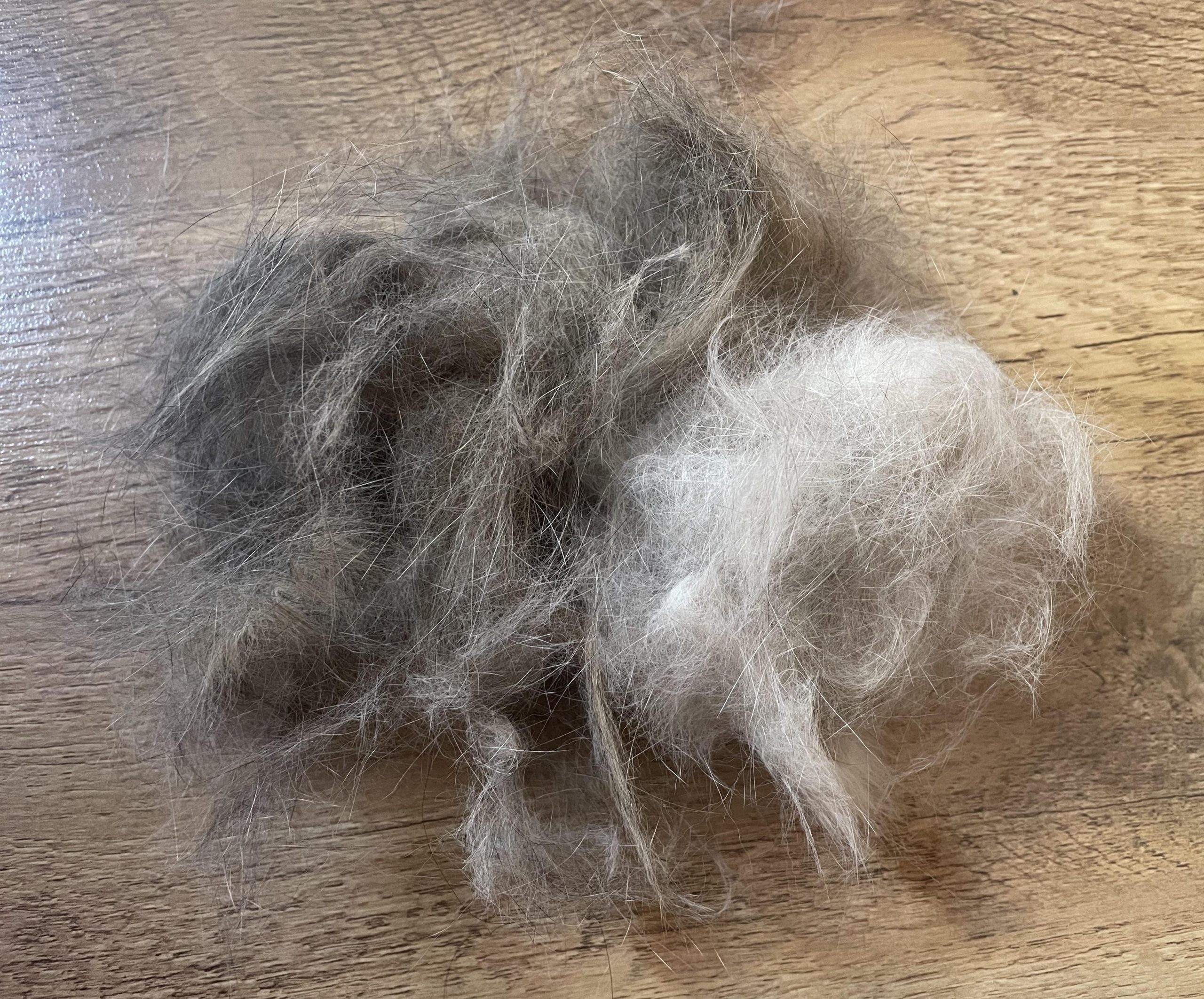
Another health benefit is reducing the chances of hairballs. Cats ingest loose fur while grooming themselves, which can form hairballs. By brushing your cat, you minimize the fur it swallows. Have you ever had to clean up after your cat coughed up a hairball? Not fun, right? Regular brushing can help prevent this.
Impact On Coat And Skin
Brushing plays a key role in maintaining your cat’s coat and skin health. It distributes natural oils evenly, keeping the coat shiny and skin moisturized. This is particularly beneficial for long-haired breeds like Persians or Maine Coons.
Regular grooming prevents matting, which can lead to discomfort and skin problems. Imagine wearing a sweater with knots all day; it’s not pleasant. Consistent brushing ensures your cat’s coat remains smooth and free of tangles. Plus, who doesn’t love the sight of a well-groomed, fluffy cat?
Take a moment to consider your cat’s grooming habits. Could a slight change in how often you brush them make a big difference? Engaging in this simple routine can strengthen your bond with your feline friend and enhance its life quality. So, pick up that brush and give your cat the pampering it deserves!
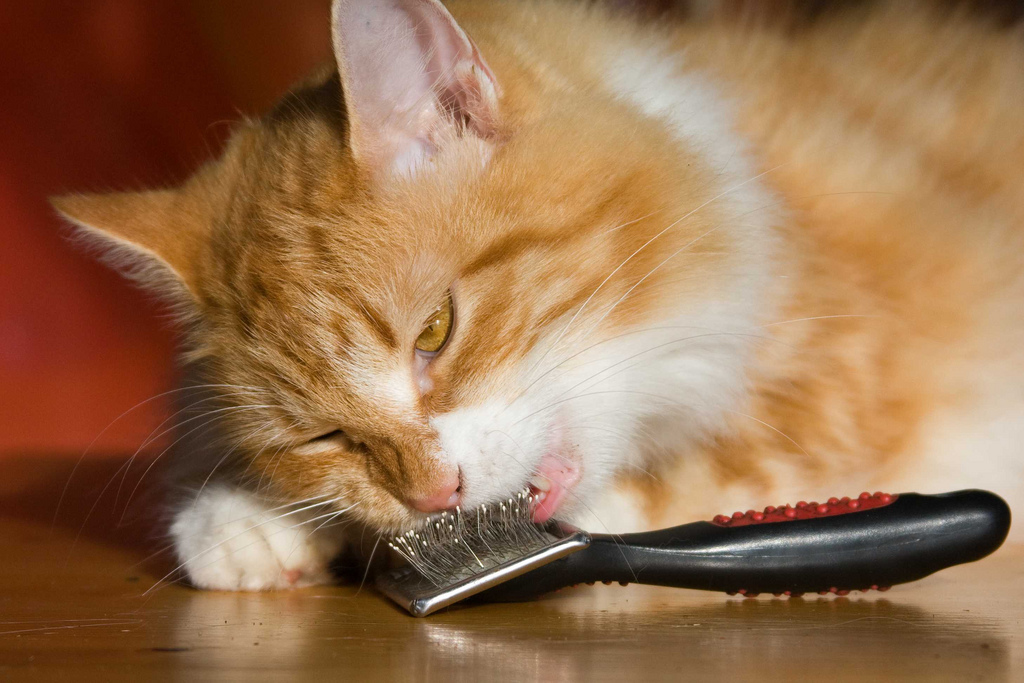
Credit: www.themeowplace.com
Understanding Cat Hair Types
Understanding your cat’s hair type is key to proper grooming. Different hair types need different care. This ensures your feline friend stays healthy and happy.
Short-haired Cats
Short-haired cats need less grooming. Their fur is sleek and close to the body. Brushing once a week is often enough. This removes loose fur and reduces shedding. It also helps distribute natural oils. This keeps their coat shiny and healthy. Short-haired breeds, like the Siamese or Burmese, may enjoy occasional brushing.
Long-haired Cats
Long-haired cats require more frequent grooming. Their fur can tangle and mat easily. Brush them daily to prevent knots. This keeps their coat smooth and free of tangles. Breeds like Persians and Maine Coons need special attention. Use a wide-tooth comb or a slicker brush. Regular grooming keeps their fur beautiful and prevents skin issues.
Recommended Brushing Frequency
Brushing your cat’s fur is an essential part of their grooming routine. But how often should you do it? The recommended brushing frequency depends on several factors such as hair type, age, and lifestyle. Let’s delve into the specifics to ensure your feline friend gets the best care possible.
Daily Vs Weekly Brushing
Some cats benefit from daily brushing, while others might only need it once a week. If your cat has long, flowing fur, daily brushing can help prevent tangles and mats. This practice also reduces shedding and keeps your home cleaner.
On the other hand, short-haired cats may not require such frequent attention. A weekly brushing session is often sufficient to remove loose hair and distribute natural oils. This keeps their coat healthy and shiny.
Have you ever noticed how much your cat enjoys being brushed? This activity can also serve as a bonding moment between you and your pet. Observe their reactions to determine what frequency works best for them.
Adjusting For Hair Type
Your cat’s hair type plays a crucial role in determining how often you should brush them. Long-haired breeds like Persians often require daily brushing to prevent knots and clumps. Regular attention ensures their coat stays smooth and beautiful.
Medium-haired cats might need brushing every few days. This helps to keep their undercoat in check and prevents excessive shedding. Short-haired breeds, however, typically only need weekly sessions.
Have you ever met a cat with a unique hair type, like a Devon Rex? These cats have wavy or curly fur, which might require special attention. Tailor your brushing routine to suit their individual needs.
Consider your cat’s preferences too. Does your cat get fidgety during grooming sessions? Adjust the frequency and duration to keep them comfortable. Finding the right balance will make brushing a pleasant experience for both you and your cat.
Tools For Effective Brushing
Brushing your cat is essential for their health and happiness. Using the right tools makes a big difference. Proper tools ensure your cat’s coat stays shiny and healthy. Different cats need different brushes and grooming tools. Understanding what works best for your cat is crucial.
Choosing The Right Brush
Not all brushes are the same. Short-haired cats need soft bristle brushes. These brushes remove loose fur gently. Long-haired cats require slicker brushes. They help prevent tangles and mats. Choose a brush that fits your cat’s coat type. Comfort for your cat should be a priority.
Additional Grooming Tools
Combs are useful for detangling long hair. They reach under the topcoat to remove dead fur. Shedding tools are great for seasonal fur loss. They reduce the amount of fur left around the house. Grooming gloves are an option for sensitive cats. Cats enjoy the gentle massage these gloves provide.
Nail clippers keep your cat’s nails short. Trim nails regularly to avoid scratches. Ear cleaning solutions help with wax buildup. Use these solutions to maintain ear health. Each tool serves a unique purpose. Consider your cat’s specific needs when choosing tools.
Brushing Techniques
Brushing your cat is essential to maintain their coat health. Regular brushing removes loose hair and prevents mats. It also keeps your home cleaner by minimizing shedding. Knowing the right techniques ensures a stress-free experience for both you and your pet. Let’s explore some effective brushing techniques.
Gentle Handling
Start by approaching your cat calmly. Speak softly to reassure them. Use gentle strokes to avoid startling them. Always brush in the direction of hair growth. This prevents pulling and discomfort. Make brushing a positive experience with gentle touches.
Spotting Trouble Areas
Look for areas where mats might form. These often appear behind ears and under legs. Check for dirt and tangles in the belly region. Use a comb to gently work through these spots. Regular checks help prevent painful knots. Stay alert to changes in their coat texture.
Handling Resistant Cats
Brushing a cat twice a week helps maintain its coat and health. Some cats resist brushing, making patience essential. Gradually introduce the brush and reward with treats to ease resistance.
Handling a cat that resists brushing can be a real challenge. Some cats just don’t take to the brush naturally. But with patience and understanding, you can make brushing a pleasant experience for both of you. Let’s explore how you can manage resistant cats by building trust and creating a calm environment.
Building Trust
Trust is the foundation of any good relationship, including the one with your cat. Start by associating brushing with positive experiences. Give your cat treats or gentle petting before and after brushing to create a positive association. Observe your cat’s body language. If they seem tense or try to move away, give them space. Building trust requires patience, and forcing the brush might backfire. Try using your fingers before introducing a brush. Some cats may find this less intimidating. Gradually transition to a brush once they are comfortable with your touch.
Creating A Calm Environment
A calm environment can make a world of difference when brushing a resistant cat. Choose a quiet spot in your home where your cat feels safe. Loud noises or unfamiliar surroundings can heighten their anxiety. Consider brushing your cat after a meal or playtime. They might be more relaxed and open to the experience when they are tired or content. Use soothing tones and a gentle touch. Speak softly to your cat and reassure them during the process. It can have a calming effect, making the experience more enjoyable for both of you. Have you noticed any specific triggers that make your cat uneasy? Addressing these can help create a more peaceful setting, making brushing a breeze.
Signs Of Over-brushing
Cats need brushing to keep their fur healthy. Over-brushing can lead to hair loss and skin irritation. Balance is key; too much brushing may stress your cat. Regular brushing, about 2-3 times a week, helps maintain a shiny coat without causing discomfort.
Caring for your feline friend involves a lot more than feeding and cuddling. Brushing your cat’s fur is an essential part of their grooming routine. However, it’s possible to overdo it, which can lead to unwanted side effects. Recognizing the signs of over-brushing can help you adjust your grooming habits to ensure your cat stays healthy and comfortable.
Skin Irritation
Over-brushing can lead to skin irritation in cats. You might notice red patches or spots on your cat’s skin. This can cause discomfort or even pain for your furry friend. Keep an eye out for excessive scratching or licking in certain areas. These are indicators that the skin might be irritated. If you notice these signs, it might be time to cut back on brushing.
Behavioral Changes
Cats are creatures of habit, and changes in their behavior can signal discomfort. If your cat suddenly becomes anxious or starts avoiding brushing sessions, this could be a sign of over-brushing. Does your cat run away or hide when you bring out the brush? These actions suggest that your cat associates brushing with discomfort. Pay attention to their body language. If your cat flinches or reacts negatively when you touch their fur, it’s worth considering whether your brushing routine is too rigorous. Balancing your cat’s grooming needs with their comfort is crucial. Have you noticed any of these signs in your cat? Adjusting your brushing routine can make a world of difference in their happiness and health.

Credit: rexipets.com
When To Seek Professional Help
Cats need regular brushing for healthy fur and skin. Seek professional help if your cat resists grooming or has matted fur. Groomers can handle difficult situations, ensuring your pet stays comfortable and clean.
Brushing your cat at home is a routine part of pet care that helps keep their coat healthy and free of tangles. However, there are times when your efforts might not be enough, and professional help becomes necessary. Knowing when to seek a groomer or a vet can make a big difference in your cat’s comfort and health. Let’s explore the signs that indicate it’s time to call in the experts.
Signs Of Matting
Cats with longer fur are prone to matting, especially in areas like their belly, underarms, and behind the ears. If you notice dense knots forming in these areas, it’s a sign that you may need professional help. Matting can be painful for your cat and lead to skin irritation. It’s not just a cosmetic issue; mats can pull at the skin and cause discomfort. A professional groomer can safely remove these mats without hurting your cat. Sometimes, mats can be hidden under the top layer of fur. Regularly check your cat’s entire body to spot these issues early, especially if they’re not fond of being handled. Have you noticed your cat avoiding certain spots during grooming?
Health Concerns
While regular brushing helps prevent health issues, it’s not foolproof. If you notice excessive shedding, bald patches, or skin redness, it might be time to consult a vet. These could be signs of allergies, skin infections, or other health problems. Cats are adept at hiding pain and discomfort. If your cat shows unusual behavior like irritability or avoiding being touched, it might be a sign of health concerns. A vet can diagnose underlying issues and provide appropriate treatment. Is your cat’s coat losing its shine despite regular brushing? This could indicate nutritional deficiencies or other health concerns. Seeking professional advice ensures you’re addressing the root cause of the problem. Remember, your cat’s well-being is paramount. When in doubt, reaching out to a professional can save your cat from discomfort and keep them healthy and happy.
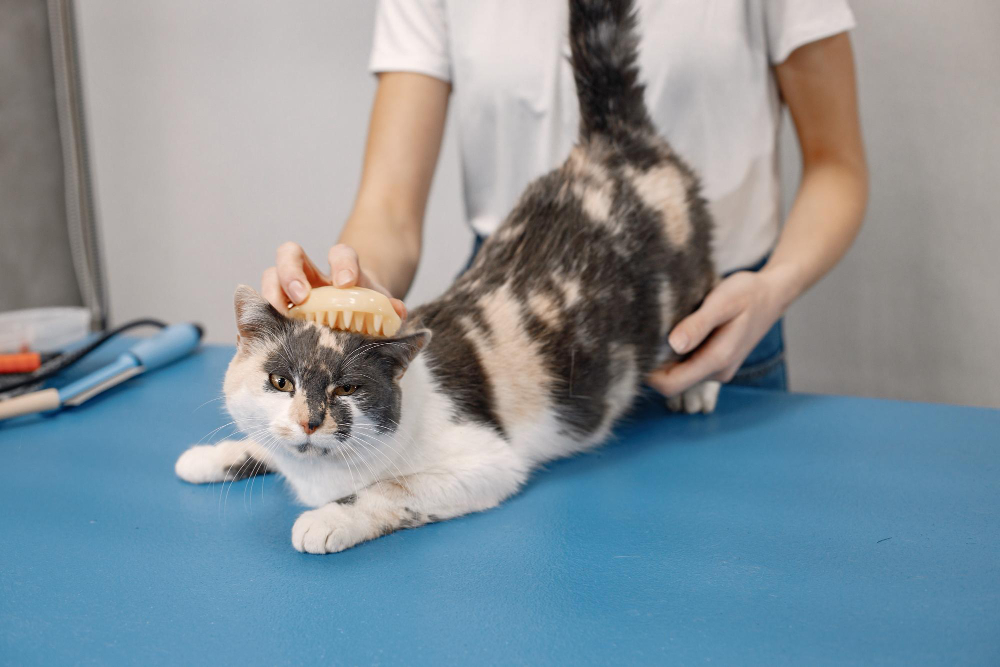
Credit: rexipets.com
Frequently Asked Questions
Are You Supposed To Brush Cats Every Day?
Brush your cat regularly to reduce shedding and prevent mats. Daily brushing is ideal for long-haired breeds. Short-haired cats benefit from weekly grooming. Regular brushing strengthens the bond with your pet and keeps their coat healthy. Adjust frequency based on your cat’s breed and individual needs.
Do Cats Feel Better After You Brush Them?
Yes, cats generally feel better after being brushed. Regular brushing removes loose fur and prevents matting. It also promotes healthy skin and stimulates blood circulation. Many cats enjoy the attention and bonding time with their owner. Regular grooming can reduce shedding and hairballs, enhancing their comfort and well-being.
Should I Brush My Indoor Cat?
Yes, brushing your indoor cat is important. It reduces shedding, prevents mats, and promotes healthy skin. Regular grooming helps bond with your cat and keeps them comfortable. Brush your cat once or twice a week with a suitable brush.
What Happens If I Don’t Brush My Cat?
Neglecting to brush your cat leads to matted fur and increased shedding. This can cause skin irritation and hairballs. Regular grooming prevents these issues and keeps your cat’s coat healthy.
Conclusion
Brushing your cat is key to a healthy coat. Regular brushing prevents tangles and reduces shedding. Try brushing twice a week for most cats. Long-haired cats may need more. Short-haired cats might need less. Monitor your cat’s skin and fur for changes.
Adjust brushing as needed. Be gentle and patient during brushing. Use the right tools for your cat’s fur type. Enjoy the bonding time with your cat. Make brushing a routine that both you and your cat look forward to. Happy brushing!

Similar Posts