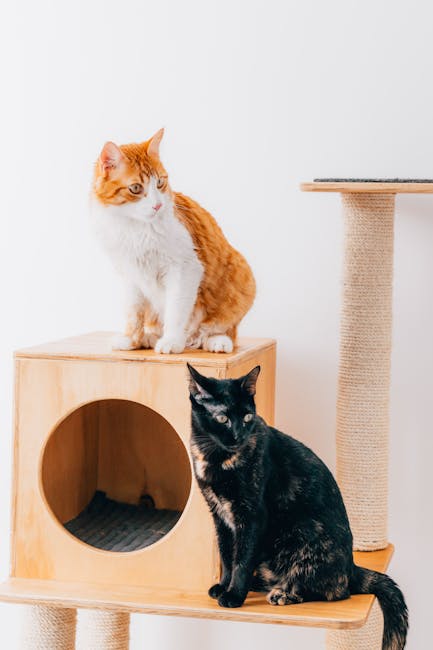
How to Stop Cat Scratching Furniture: Proven Strategies
Is your beloved cat turning your new couch into a scratching post? You’re not alone.
Many cat owners face the frustrating challenge of feline furniture destruction. But don’t worry; there’s hope. You can protect your furniture without sacrificing your cat’s happiness. Imagine a home where your sofa stays pristine, and your cat is content and entertained.
Intrigued? Keep reading. You’ll discover simple, effective strategies that can transform your living space into a scratch-free zone, while keeping your furry friend satisfied. Let’s dive into practical solutions that work for you and your pet.

Credit: www.greensafaris.com
Understanding Cat Scratching Behavior
Cats scratching furniture can be a puzzling issue for many pet owners. Understanding why cats scratch is crucial to finding solutions that work. This behavior is not random; it serves specific purposes. Let’s delve into the reasons behind this instinctive action.
Reasons Cats Scratch
Cats scratch for multiple reasons. It helps them mark territory. Scratching leaves visual and scent marks that signal ownership. This behavior is natural for them. Another reason is exercise. Scratching stretches their muscles, keeping them agile. It also helps them shed the outer layer of their claws. This keeps their claws sharp and ready. Scratching can relieve stress. When they scratch, it releases pent-up energy.
Natural Instincts
Scratching is a deeply ingrained instinct. It’s a behavior passed down through generations. In the wild, cats scratch to build shelters. They also use it to catch prey and climb trees. These instincts remain strong in domestic cats. Even indoor cats feel the urge to scratch. It satisfies their natural curiosity and desire to explore. Understanding these instincts helps us empathize with our feline friends. Solutions for scratching should respect these instincts.
Preventive Measures
Stopping cats from scratching furniture can be challenging. But, preventive measures work well. These techniques protect your furniture and keep your cat happy. Cats scratch to sharpen claws, mark territory, and stretch. Redirect this behavior with proper strategies. Let’s dive into some effective preventive measures.
Providing Scratching Alternatives
Cats need alternatives to your beloved sofa. Provide scratching posts or boards. Place these near favorite scratching spots. This encourages your cat to use them. Choose vertical or horizontal posts. It depends on what your cat prefers. Reward your cat with treats when they use these alternatives. Positive reinforcement builds good habits.
Choosing Suitable Materials
Not all materials attract cats equally. Some fabrics resist scratching better. Opt for microfiber or tightly woven fabrics for furniture. These materials are less appealing to cats. They are also easier to clean. Cover furniture with throws or slipcovers. These protect from scratches and are easy to replace. Cats lose interest in these surfaces over time.
Training Techniques
Training techniques can effectively reduce furniture scratching by cats. These methods shape your cat’s behavior positively. They also help protect your furniture from damage. Focusing on two main strategies can yield great results. These include positive reinforcement and redirecting scratching.
Positive Reinforcement
Positive reinforcement rewards your cat for desired behavior. Start by observing when your cat uses a scratching post. Reward them immediately with a treat or praise. This helps them associate scratching posts with positive outcomes. Repeat this consistently for better results.
Consistency is key in training your cat. Make rewards frequent at first. Gradually reduce them as your cat learns. Offer different types of rewards. Treats, toys, or extra playtime work well. Find what motivates your cat most.
Use a calm and encouraging voice. Cats respond to positive tones. Avoid punishment or harsh words. These can lead to stress and confusion. Keep the training sessions short and enjoyable.
Redirecting Scratching
Redirecting scratching involves guiding your cat’s attention. Offer alternatives to furniture. Place scratching posts near favorite scratching spots. This makes it convenient for your cat. Use materials they prefer, like sisal or cardboard.
Make scratching posts appealing. Use catnip or toys around the posts. This attracts your cat’s interest. Regularly move the posts to new locations. This keeps your cat curious and engaged.
Block access to furniture. Use covers or double-sided tape. These discourage scratching on unwanted surfaces. Encourage your cat to explore new options. Praise them when they use these alternatives.
Redirecting takes patience. Observe your cat’s habits closely. Adjust strategies based on their preferences. Reward them for using the right places. This builds positive associations over time.
Protecting Furniture
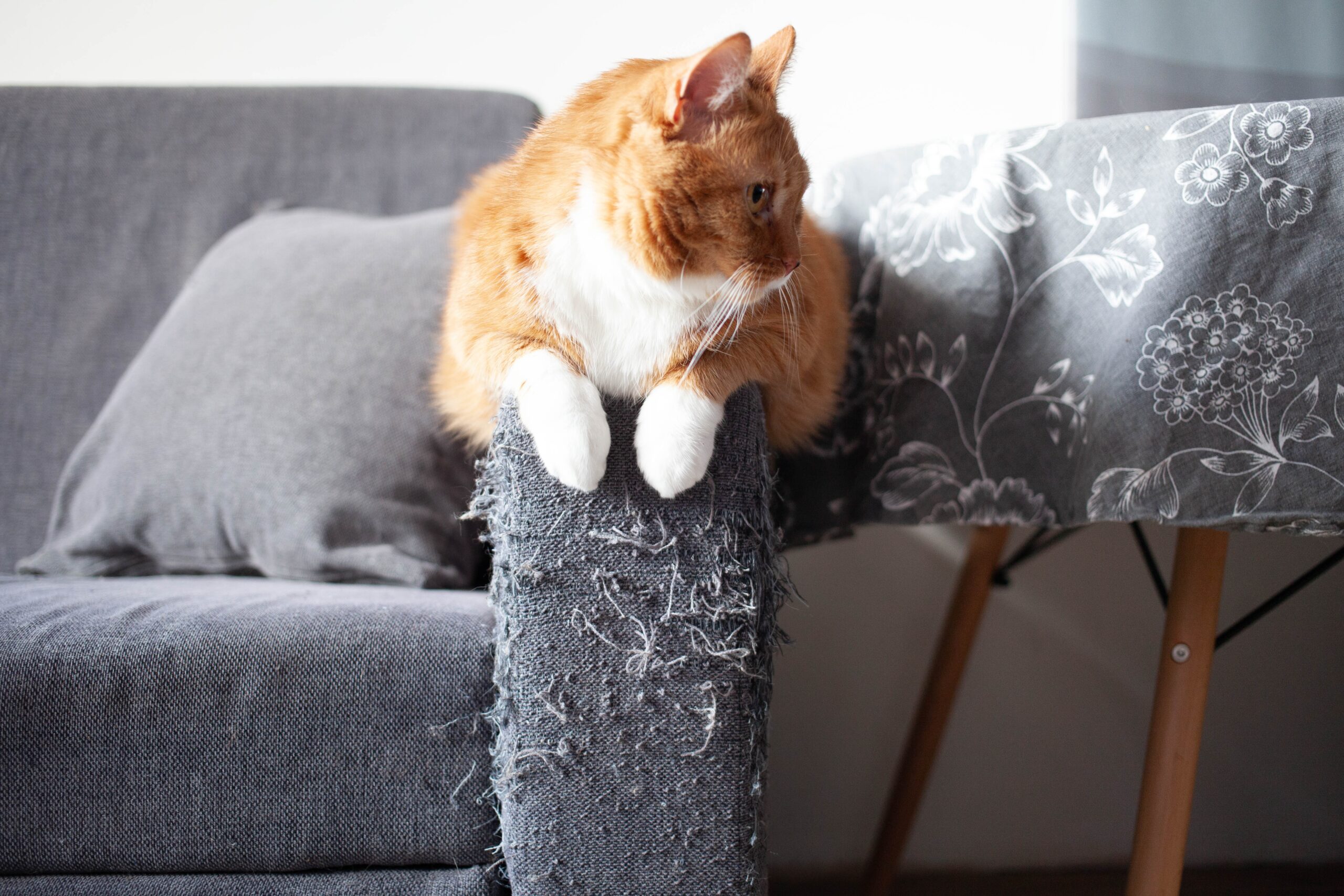
Cats often scratch to mark territory and keep claws healthy. Offer scratching posts to redirect this behavior. Cover furniture with protective materials like slipcovers or double-sided tape to discourage scratching.
Cats are wonderful companions, but their scratching habits can wreak havoc on your furniture. Protecting your sofas and chairs from those sharp claws doesn’t have to be a daunting task. By taking simple steps, you can keep your furniture safe and maintain a harmonious home with your feline friend. Let’s dive into practical ways to shield your beloved furnishings from kitty’s claws.Using Protective Covers
Protective covers can be your furniture’s best friend. They’re easy to use and come in various materials like cotton or polyester. Choose a color or pattern that complements your décor to keep your space stylish. Look for covers that are machine washable. This makes cleaning up cat hair and any accidental messes a breeze. I once found a waterproof cover that saved my couch from an unexpected kitten accident! Think about investing in covers with a snug fit. A well-fitted cover not only looks neat but also stays in place, even if your cat decides to take a nap on it. What’s your favorite type of cover?Applying Deterrents
Deterrents can effectively discourage cats from scratching. There are sprays available that are safe for both your cat and furniture. These sprays have scents that cats dislike, prompting them to avoid the area. Try applying double-sided tape on the sides of your furniture. Cats dislike the sticky sensation, which can help redirect their scratching to a more appropriate spot. It’s a simple trick that worked wonders for my armchair. Consider using aluminum foil or plastic carpet runners with the spiky side up. These textures are unappealing to cats, steering them away from your furniture. Have you tried any deterrents that worked particularly well? By using these strategies, you can protect your furniture while keeping your cat happy and healthy. Remember, a little prevention goes a long way in preserving your home and your relationship with your furry friend.Environmental Enrichment
Environmental Enrichmentplays a vital role in stopping cats from scratching furniture. Cats need mental and physical stimulation to stay happy. A well-enriched environment can reduce destructive behavior. It provides them with alternatives to furniture scratching. By keeping their environment lively, cats focus on positive activities.
Creating A Stimulating Environment
Cats get bored easily if their surroundings lack excitement. Offer a variety of scratching posts and pads around the home. Choose different textures and materials. This keeps their curiosity alive. Place them near furniture they’ve scratched before. Use vertical and horizontal options. Cats love exploring new places. Add shelves and perches for climbing. This encourages healthy exercise.
Natural light is important. Ensure they have access to windows. Cats love watching birds and other outdoor activities. Use cat-safe plants to make the area more inviting. Aromatic plants like catnip attract their attention. Rotate toys and furniture often. This keeps their interest piqued.
Interactive Play
Interactive play strengthens your bond with your cat. It also redirects their energy positively. Use toys that mimic prey movements. Wand toys and laser pointers are great choices. They stimulate their hunting instincts. Schedule regular play sessions daily. This builds routine and anticipation.
Incorporate puzzle feeders for mealtime. It challenges their mind and keeps them engaged. Cats enjoy tasks that reward them. These activities prevent boredom and reduce furniture scratching. Always supervise playtime. Ensure toys are safe and appropriate. Be patient; every cat is unique.
Credit: zoeforpets.com
Behavioral Modification
Cats often scratch furniture to mark territory or stretch their muscles. Redirect their behavior with scratching posts placed near favorite spots. Consistent encouragement and treats can help your cat choose the post over the couch.
Dealing with your cat’s scratching habits can be challenging, but behavioral modification provides a structured approach to address this issue. By understanding the underlying causes of your cat’s behavior, you can guide them to more acceptable activities. Let’s explore two critical aspects of behavioral modification: understanding stress factors and addressing anxiety.Understanding Stress Factors
Cats often scratch furniture due to stress. Changes in their environment, like moving to a new home or the arrival of a new pet, can trigger this behavior. Consider how you feel in a stressful situation; your cat might feel the same. Providing a stable environment with familiar scents can help reduce their stress. Observe your cat’s behavior for patterns. Do they scratch more when visitors come over? Knowing these triggers can help you plan better strategies.Addressing Anxiety
Anxiety in cats can lead to increased scratching. They might do it as a way to mark territory and feel secure. Have you tried using pheromone diffusers? They can create a calming effect, making your cat feel more at ease. Engage your cat with toys and interactive playtime to redirect their energy. A tired cat is less likely to scratch your furniture. Remember, patience is key. Behavioral modification takes time, but your efforts will be worth it when you see your furniture and your cat in harmony. What steps will you try first to help your furry friend?Consulting Professionals
Stopping cats from scratching furniture involves understanding their behavior. Consulting professionals offer strategies like using scratching posts. These experts suggest training methods and deterrents to protect your furniture.
Seeking professional help can be beneficial in stopping your cat from scratching furniture. Experts offer tailored advice and solutions to address this common issue. They understand feline behavior and can provide guidance to modify your cat’s habits. Consulting a professional can save your furniture and improve your cat’s behavior.When To Seek Help
Consider reaching out to a professional when home remedies fail. If scratching persists and damages your furniture, expert advice might be needed. Notice if your cat shows stress or behavioral issues. These signs indicate a need for professional intervention. Timely help can prevent further damage and stress for both you and your cat.Choosing The Right Expert
Selecting the right expert is essential for effective solutions. Look for a certified animal behaviorist or veterinarian. They have the necessary expertise to address feline behavior. Read reviews and ask for recommendations from other pet owners. Ensure the expert has experience with cat behavioral issues. A well-chosen expert can provide valuable insights and lasting solutions. `:strip_icc()/keep-cat-from-scratching-carpet-554831_final-a8dcf3bb9e3b4c269259604c244f42d5.png)
Credit: wb-iisg.com
Frequently Asked Questions
How Do I Get My Cat To Stop Scratching The Couch?
Place a scratching post near the couch to redirect your cat’s behavior. Use deterrent sprays on the couch. Trim your cat’s nails regularly. Offer positive reinforcement when your cat uses the scratching post. Cover the couch with a protective fabric temporarily.
What Scent Keeps Cats From Scratching Furniture?
Cats dislike citrus scents like orange, lemon, and lime. Spraying these scents on furniture can deter scratching. Use essential oils or homemade sprays for effectiveness. Ensure the scent is safe and non-toxic for pets. Regularly reapply to maintain effectiveness and keep your furniture scratch-free.
At What Age Do Cats Stop Clawing?
Cats never fully stop clawing, as it’s a natural behavior. They may claw less as they age, usually around 10-12 years. Providing scratching posts can help manage this habit. Regular nail trimming can also reduce damage.
How Do You Scratch Proof Furniture From Cats?
Use furniture covers or cat deterrent sprays to protect surfaces. Provide scratching posts and pads as alternatives. Trim your cat’s nails regularly to minimize damage. Consider using double-sided tape on furniture to deter scratching. Train your cat with positive reinforcement techniques to redirect their behavior.
Conclusion
Stopping cat scratching requires patience and understanding. Offer alternatives like scratching posts. Consistency is key. Reward good behavior with treats. Protect furniture with covers or sprays. Trim your cat’s nails regularly. Engage your cat with toys and playtime. This reduces boredom and stress.
Remember, each cat is unique. Some methods may work better than others. Stay patient and adapt your approach. Your efforts will pay off. Soon, you’ll notice a happier cat and intact furniture.