How Can I Stop My Cat from Scratching My Furniture: Tips
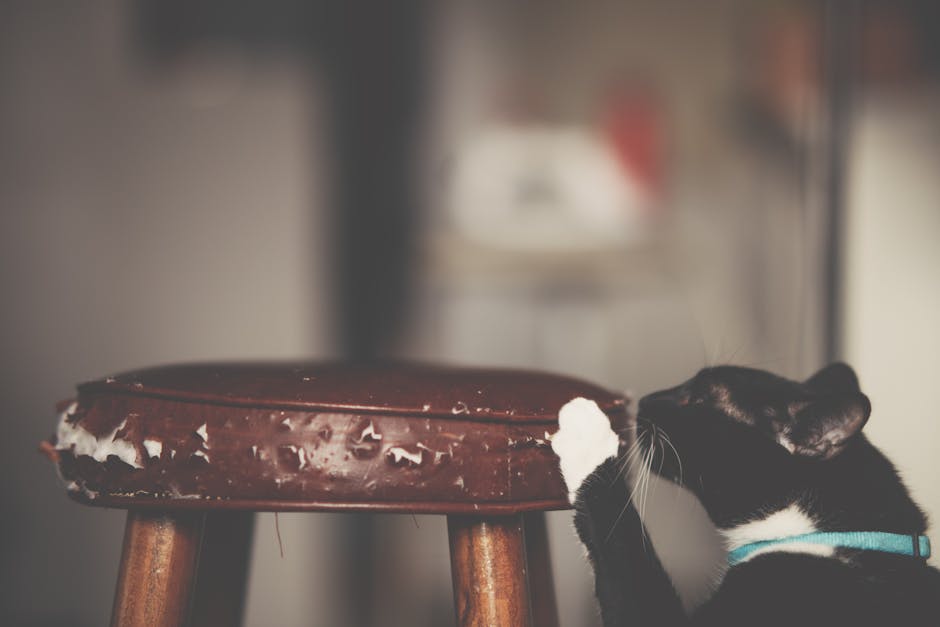
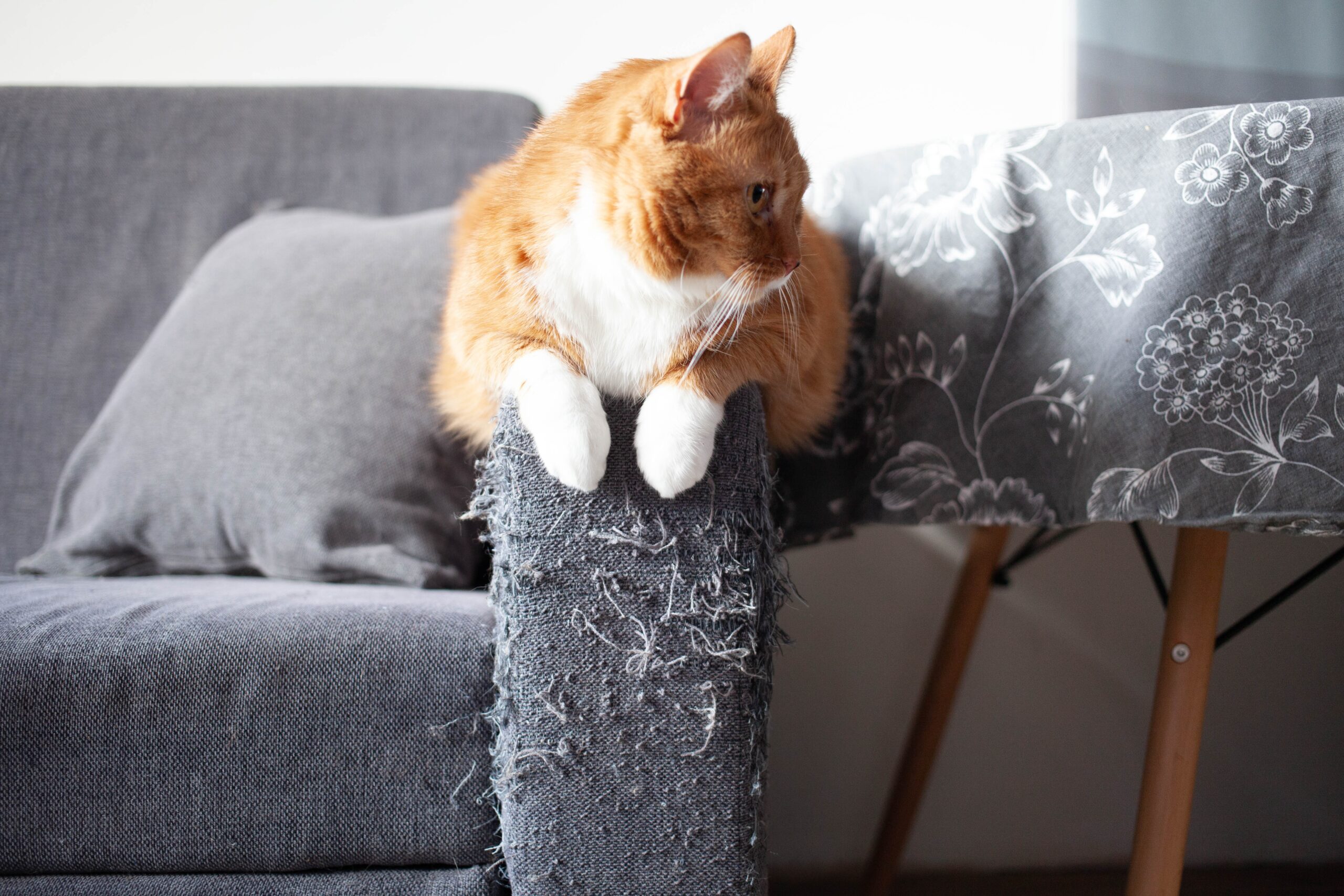
Have you ever walked into your living room only to find your favorite couch looking like it lost a fight with your cat? You’re not alone.
Scratching is a natural behavior for cats, but it can be frustrating when it leads to damaged furniture. You love your furry friend, but you also cherish your home. What if there was a way to keep both intact? Imagine a life where your cat can scratch to its heart’s content without ruining your beloved couch or chair.
You’ll discover effective strategies to redirect your cat’s scratching habits and protect your furniture. Say goodbye to shredded upholstery and hello to harmony in your home. Curious? Let’s dive in!
Credit: zoeforpets.com
Understanding Cat Behavior
Understanding why cats scratch can help save your furniture. Cats aren’t just being mischievous. Their scratching behaviors are deeply rooted in their nature. This section will dive into the reasons behind their actions.
Why Cats Scratch
Cats scratch to sharpen their claws. It’s a natural instinct. They also scratch to mark territory. Scratching leaves visual marks and scent. This helps them feel secure in their environment. Stretching while scratching is physically beneficial too. It helps them relieve stress and exercise muscles.
Common Misconceptions
Many believe cats scratch out of spite. This isn’t true. Scratching isn’t about revenge or anger. It’s a necessary behavior for them. Some think declawing is a solution. This can harm your cat and isn’t recommended. Instead, focus on understanding and redirecting this behavior.
Preventive Measures
Cats love to scratch, but you can protect your furniture. Provide scratching posts and trim their nails regularly. Use furniture covers or sprays to deter scratching.
When it comes to dealing with your cat’s scratching behavior, preventive measures can be your best strategy. Cats scratch to mark territory, stretch muscles, and maintain their claws. It’s natural, but it can be frustrating when they target your favorite couch. So, how do you steer them away from your furniture? Let’s look at some practical solutions.Choosing Scratch-friendly Furniture
Investing in scratch-friendly furniture can save both your sanity and your sofa. Look for materials that are less appealing to your cat, like microfiber or velvet, which are harder for claws to penetrate. Have you ever noticed your cat preferring certain textures over others? Use that knowledge to guide your choices. Consider furniture with built-in scratching posts. They provide a designated spot for your cat to scratch, away from your precious upholstery. You might be surprised to see how quickly your cat gravitates towards these new options.Using Protective Covers
Protective covers are another effective way to keep your furniture safe. They can deter scratching by making the surface less satisfying for your cat’s claws. Do you have a specific piece of furniture that your cat loves to attack? Slipcovers can act as a shield, preserving the underlying fabric. You can find covers designed specifically to deter scratching. Some are made of materials that cats don’t like the feel of, giving them a gentle reminder to look elsewhere. Don’t underestimate the power of a simple barrier between your cat’s claws and your couch.Training Techniques
Cats can damage furniture with their claws. Offer scratching posts near their favorite spots. Use double-sided tape or citrus sprays on furniture to deter them.
Training techniques can help stop your cat from scratching furniture. Cats scratch for many reasons. They may be marking territory or sharpening their claws. Training redirects this behavior to acceptable outlets. You will need patience and consistency.Positive Reinforcement
Reward good behavior with treats or praise. Encourage your cat when they use a scratching post. Reinforcement builds positive habits over time. Always keep treats handy. Make sure the scratching post is appealing. Use catnip or toys to attract your cat. Praise your cat when they scratch the post. Be consistent with rewards.Using Deterrents
Deterrents can stop scratching on furniture. Use double-sided tape or aluminum foil on furniture. Cats dislike sticky or noisy surfaces. Spray furniture with citrus scents. Cats tend to avoid these smells. Provide alternatives like cardboard scratchers. Place them near furniture. Redirect scratching behavior to these options.Alternative Solutions
Prevent your cat from scratching furniture by using scratching posts. Place them near favorite scratching spots. Cover furniture with protective covers or use double-sided tape to deter scratching.
When you find your beloved cat using your furniture as their personal scratch pad, it can be frustrating. But instead of feeling helpless, consider alternative solutions that can keep both you and your feline friend happy. By redirecting your cat’s scratching habits, you can protect your furniture and keep your cat engaged.Providing Scratch Posts
Scratch posts are a wonderful way to satisfy your cat’s natural urge to scratch. Place them in areas where your cat likes to scratch the most, like near the couch or their favorite window. Choose posts with different materials and textures to find what your cat enjoys scratching. If you notice your cat showing interest, reward them with treats or affection. This positive reinforcement encourages them to use the scratch post instead of your furniture. You might even find that your cat prefers the scratch post, saving your sofa from further damage.Interactive Toys
Keeping your cat entertained can reduce their need to scratch in unwanted places. Interactive toys are a great way to keep them busy. Toys that mimic prey or make noise can capture their attention and energy. Rotate toys regularly to keep things fresh and exciting for your cat. This variety can prevent boredom, reducing the chances they’ll turn to your furniture out of frustration. Plus, playing with your cat strengthens your bond and provides them with much-needed exercise. Have you considered which toys or scratch posts your cat might prefer? Observing their behavior can give you valuable insights. Finding the right solutions can turn a scratchy situation into a peaceful coexistence.Creating A Cat-friendly Environment
Prevent furniture damage by offering your cat scratching posts. Place them near favorite scratching spots. Regularly trim their nails to minimize damage.
Creating a cat-friendly environment is essential to stop your feline friend from scratching your beloved furniture. Cats have a natural instinct to scratch, and understanding this need is the first step in curbing destructive behavior. By providing your cat with an environment that meets their physical and emotional needs, you can protect your furniture while ensuring your pet is happy and healthy.Designated Play Areas
Cats thrive in environments where they can exercise and play. Creating designated play areas in your home can help redirect their energy away from your furniture. Set up a space with toys like feather wands, laser pointers, and interactive balls. Rotate these toys regularly to keep your cat interested. You can also add climbing structures or cat trees. These not only serve as playgrounds but also satisfy their instinct to climb and scratch. Wouldn’t you prefer a cat happily clawing a tree over your new sofa?Comfortable Resting Spots
Just as you appreciate a cozy corner to relax, your cat does too. Providing comfortable resting spots can reduce stress and discourage unwanted scratching. Consider placing soft blankets or cushions in areas where your cat likes to nap. A window perch can offer a sunny spot with a view, catering to their love for lounging and watching the world go by. Create a routine where your cat knows when it’s time to play and when it’s time to rest. When your cat is relaxed and content, they’re less likely to engage in destructive scratching. What changes can you make to ensure your cat feels at home?
Credit: wb-iisg.com
Consulting A Veterinarian
Seeking a veterinarian’s advice can help stop your cat from scratching furniture. A vet can suggest effective solutions and recommend safe products. Understanding your cat’s behavior is key to finding the best approach.
If your cat’s scratching habits are turning your furniture into a shredded mess, it might be time to consider consulting a veterinarian. While scratching is natural for cats, excessive or destructive scratching can sometimes signal underlying issues that need professional attention. A vet can provide insights into your cat’s behavior and overall health, offering solutions tailored to your unique situation.Understanding Health Impacts
Cats scratch to maintain their claws and mark their territory. But did you know that excessive scratching might indicate health problems? Your vet can assess if there’s an underlying condition, like arthritis or a skin allergy, causing discomfort. Health issues can also affect your cat’s mood. A normally calm cat may become more aggressive or stressed if they’re in pain. Understanding these health impacts is crucial to addressing the root of the problem.Professional Advice
After a thorough check-up, your vet will offer advice specific to your cat’s needs. They might suggest environmental changes or recommend safe, cat-friendly deterrents. A friend of mine discovered her cat was scratching due to anxiety, and the vet recommended a simple diffuser to calm her pet. Have you considered training your cat to use a scratching post? Vets can guide you on how to make this transition smoother. They can also suggest nail trims or caps as temporary solutions to protect your furniture. Consulting a veterinarian not only helps in understanding your cat’s health but also equips you with professional strategies to manage their behavior. Are you ready to explore these options for a happier, healthier relationship with your feline friend?:strip_icc()/keep-cat-from-scratching-carpet-554831_final-a8dcf3bb9e3b4c269259604c244f42d5.png)
Credit: wb-iisg.com
Frequently Asked Questions
How Do I Get My Cat To Stop Scratching The Couch?
Train your cat with a scratching post near the couch. Use catnip or treats to attract them. Cover the couch with protective covers. Regularly trim your cat’s nails to minimize damage. Consistency is key to changing your cat’s behavior effectively.
What Scent Keeps Cats From Scratching Furniture?
Cats dislike citrus scents like lemon, orange, and lime. These smells deter them from scratching furniture. Use essential oils or sprays to protect surfaces. Ensure the scent is safe for pets and doesn’t irritate their skin or respiratory system.
How To Punish A Cat For Scratching A Couch?
Redirect your cat’s behavior by providing scratching posts. Use positive reinforcement with treats and praise. Distract with toys when scratching begins. Consistently use a firm “no” and gently move them to the post. Protect furniture with covers or deterrent sprays.
Avoid physical punishment to maintain trust.
At What Age Do Cats Stop Clawing?
Cats may continue clawing throughout their lives. Clawing is a natural behavior for exercise, marking territory, and maintaining claw health. Training and providing scratching posts can help manage this behavior.
Conclusion
Helping your cat stop scratching furniture is achievable. Understand your cat’s needs. Provide alternatives like scratching posts. Reward good behavior consistently. Keep nails trimmed regularly to reduce damage. Use deterrents like sprays or covers. Create a cat-friendly environment. Patience is key.
Every cat is unique and may need different approaches. Consult a vet if issues persist. A happier cat means happier furniture. Enjoy a scratch-free home.