How Do You Treat a Cat With Diarrhea: Expert Tips
If you’ve ever owned a cat, you know they can be quite mysterious creatures. One day they’re playful and curious, and the next, they’re a bit under the weather.
When your feline friend suddenly starts suffering from diarrhea, it can be both concerning and a little messy. You might find yourself feeling unsure about what steps to take next. But don’t worry—you’re not alone. Many pet owners face this issue and wonder how to best care for their beloved cats.
In this guide, you’ll discover practical solutions and expert advice to help your furry companion feel better fast. Keep reading to learn the essential steps to treat your cat with diarrhea and restore their health and happiness.

Credit: www.youtube.com
Causes Of Cat Diarrhea
Understanding the causes of cat diarrhea is crucial for effective treatment. Cats can experience diarrhea due to various factors. Identifying these causes helps in providing proper care and relief. Let’s explore some common reasons behind this uncomfortable condition.
Dietary Indiscretions
Cats love exploring their environment and may eat unsuitable items. These indiscretions can upset their stomachs, leading to diarrhea. Sudden changes in their diet can also cause digestive issues. Ensure your cat’s meals are consistent and nutritious.
Infections And Parasites
Infections are a common cause of diarrhea in cats. Bacterial, viral, or fungal infections can disrupt their digestive system. Parasites like worms also lead to stomach problems. Regular veterinary check-ups help in detecting and treating these issues effectively.
Stress And Anxiety
Cats are sensitive creatures. Changes in their environment can cause stress and anxiety. This emotional stress often manifests as physical symptoms like diarrhea. Maintaining a stable and calm environment can prevent stress-related health issues.
Underlying Health Conditions
Some cats may suffer from chronic health conditions. Diseases like inflammatory bowel disease or pancreatitis can cause persistent diarrhea. Identifying these conditions requires a vet’s expertise. Early diagnosis and treatment can manage these health challenges.
Credit: lolahemp.com
Initial Steps For Care
Begin by ensuring your cat has access to fresh water to prevent dehydration. Offer a bland diet like boiled chicken and rice to help settle their stomach. Monitor their condition closely and consult a veterinarian if symptoms persist or worsen.
When your beloved feline is experiencing diarrhea, it can be concerning. Quick and thoughtful action can make all the difference in ensuring your cat’s swift recovery. The initial steps for care are crucial, as they lay the groundwork for your pet’s comfort and health. Let’s explore some practical strategies to help your cat feel better.Assessing Severity
First, observe the frequency and consistency of your cat’s stools. Is it happening just once or multiple times a day? A single episode might not be alarming, but repeated diarrhea calls for immediate attention. Consider any recent changes in your cat’s life, like new food or stressors. This can provide clues about the cause. If your cat seems lethargic or shows other signs of illness, it might be time to consult a vet.Monitoring Hydration
Diarrhea can lead to dehydration, which is dangerous for cats. Check your cat’s water intake. Are they drinking less than usual? You can gently pinch your cat’s skin at the back of the neck to check for dehydration. If it doesn’t spring back quickly, your cat may need more fluids. Encourage them to drink by offering fresh water or a broth.Temporary Diet Changes
Changing your cat’s diet temporarily can help soothe their stomach. Consider offering bland foods like boiled chicken or rice in small amounts. Avoid giving your cat dairy products, as many cats are lactose intolerant. Gradually reintroduce their regular diet once their stools return to normal. Have you ever had a situation where a minor tweak made a big difference? Small changes in your cat’s diet can have a significant impact on their recovery. Treating diarrhea isn’t just about addressing the symptoms; it’s also about understanding your cat’s needs and responding thoughtfully.When To Consult A Veterinarian
Consulting a veterinarian becomes crucial when a cat experiences diarrhea lasting more than 24 hours. A professional can provide guidance on dietary adjustments and necessary treatments. Early intervention helps prevent dehydration and ensures your feline friend stays healthy.
When your cat experiences diarrhea, it’s natural to feel concerned and want to help them feel better quickly. While mild cases can often be managed at home, there are situations where it’s crucial to seek professional veterinary advice. Understanding when to consult a veterinarian can make all the difference in ensuring your feline friend receives the care they need.Signs Of Serious Conditions
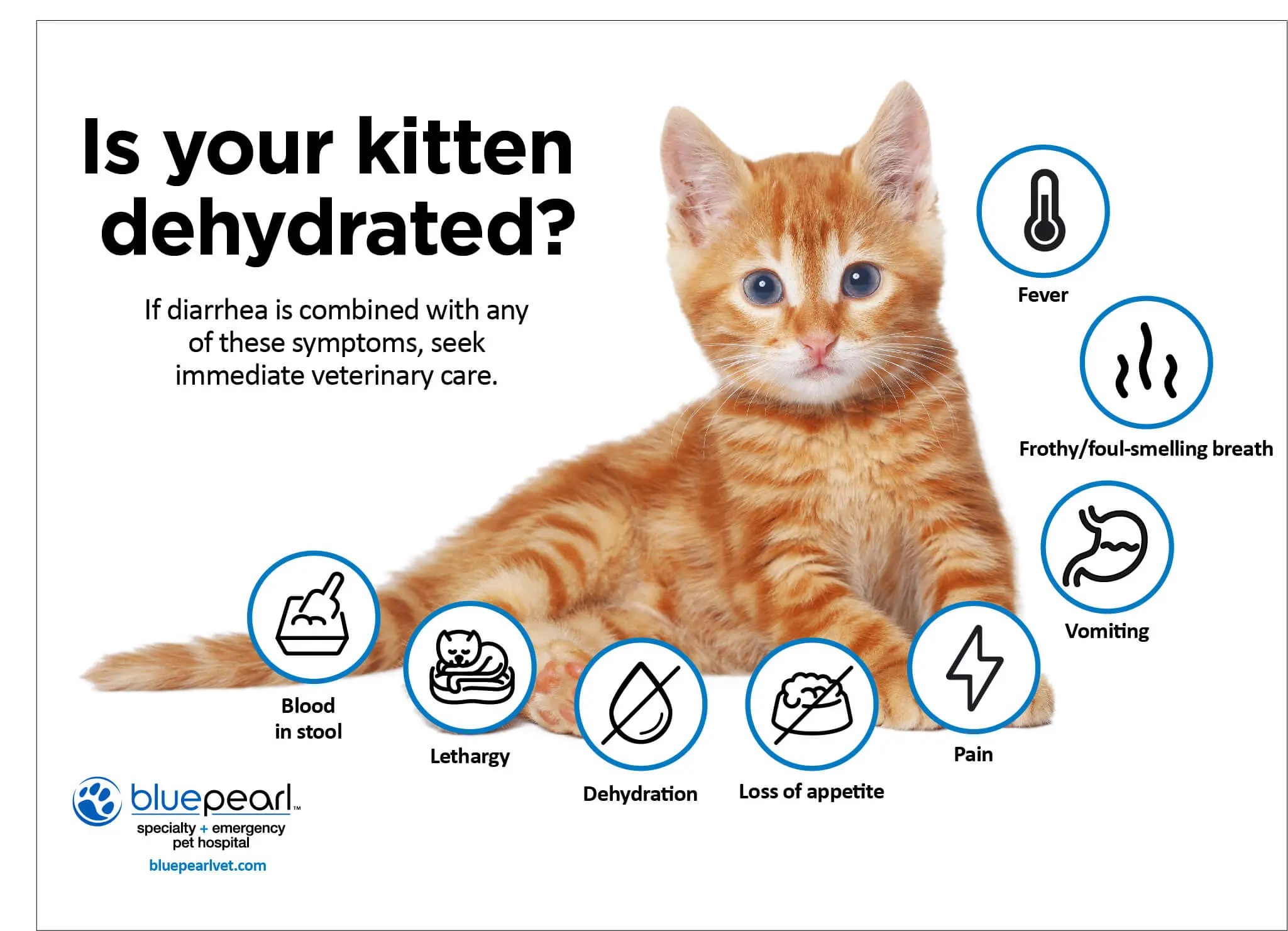
If your cat’s diarrhea is accompanied by other worrying symptoms, it may indicate a more serious condition. Look out for signs such as vomiting, fever, lethargy, or a noticeable decrease in appetite. These could suggest an underlying issue that requires immediate veterinary attention. You might notice blood in your cat’s stool or a drastic change in their behavior. These signs can be alarming and are clear indicators that you should contact your veterinarian. Such symptoms can be linked to infections, parasites, or even more severe health problems.Persistent Symptoms
Diarrhea that persists for more than 24 to 48 hours should not be ignored. If your cat’s symptoms continue despite home care, it’s time to consult a vet. Prolonged diarrhea can lead to dehydration and other complications, especially in kittens or older cats. Think about how you would feel if you had a stomach issue that wouldn’t go away. Your cat’s discomfort is no different. Persistent symptoms can indicate chronic conditions like inflammatory bowel disease or food allergies, which require professional diagnosis and treatment. Have you ever wondered how long is too long for your cat’s upset tummy? If you’re questioning whether or not to call the vet, it’s better to err on the side of caution. Your prompt action could prevent further health issues and ensure your cat’s speedy recovery.Dietary Adjustments
Dealing with a cat suffering from diarrhea can be concerning, but adjusting your cat’s diet can often help alleviate the symptoms. Dietary adjustments are crucial in ensuring your feline friend returns to their usual, playful self. As you consider changes, keep in mind that cats are creatures of habit and might resist new foods initially.
Introducing Bland Foods
Start by offering bland foods that are gentle on your cat’s stomach. Boiled chicken or turkey without any seasoning is a great option. Rice can be mixed in for added substance. My own cat, Max, once had a bout of diarrhea and a simple switch to boiled chicken worked wonders. This adjustment provides nutrients without overwhelming their digestive system.
Fiber And Probiotics
Adding fiber to your cat’s diet can help firm up stools. Consider small amounts of pumpkin puree. Cats often enjoy the taste, and it aids in digestion. You might also introduce probiotics, available as supplements. They support gut health by restoring beneficial bacteria. Have you tried adding probiotics to your cat’s meals?
Hydration Strategies
Keep your cat well-hydrated as diarrhea can lead to dehydration. Fresh water should always be accessible. Consider offering low-sodium chicken broth to encourage drinking. A friend of mine swears by ice cubes made from broth. Cats often find them irresistible. Is your cat drinking enough water?
Adjusting your cat’s diet requires patience and observation. Monitor their reaction to each change and consult your vet if symptoms persist. These dietary tweaks can lead to significant improvements in your cat’s health and happiness.
Medications And Treatments
Treating a cat with diarrhea requires patience and the right approach. Medications and treatments can help ease discomfort and restore health. Proper treatment ensures your cat returns to its playful self. Let’s explore some effective methods.
Antidiarrheal Medications
Antidiarrheal medications can help control symptoms. These medicines work by slowing down gut movement. This allows more water absorption. It’s crucial to consult a vet before giving your cat any medication. Some human drugs can harm cats.
Treating Parasites
Parasites often cause diarrhea in cats. Dewormers are effective in treating these invaders. They remove worms and restore gut health. Regular vet check-ups can catch parasites early. This prevents severe health issues.
Managing Stress
Stress can upset a cat’s stomach. A calm environment can help reduce stress. Provide a quiet space for your cat. Familiar toys and scents also comfort them. Reducing stress helps improve your cat’s digestive health.
Preventive Measures
Preventing diarrhea in cats involves several proactive steps. A healthy lifestyle is key. Regular vet visits, a balanced diet, and a stimulating environment play crucial roles. These measures can help maintain your cat’s digestive health. Let’s explore these preventive strategies.
Regular Health Check-ups
Routine vet visits are essential for your cat’s well-being. Early detection of health issues can prevent diarrhea. Vaccinations and parasite control are vital. Regular check-ups ensure your cat stays healthy. Discuss any dietary concerns with your vet. They can provide guidance on nutritional needs.
Stable Diet Plan
A consistent diet supports your cat’s digestive health. Avoid sudden changes in food brands or types. Gradual transitions are better for their stomachs. Ensure the diet meets your cat’s nutritional needs. Fresh water should always be available. Overfeeding can lead to digestive issues. Stick to recommended portion sizes.
Environmental Enrichment
Provide a stimulating environment for your cat. Mental and physical activities reduce stress. Stress can trigger digestive problems in cats. Toys, climbing trees, and interactive play are beneficial. A stress-free environment supports overall health. Monitor changes in behavior or appetite. These could indicate underlying health issues.
Credit: bluepearlvet.com
Frequently Asked Questions
What Home Remedy Can I Give My Cat For Diarrhea?
Offer plain boiled chicken or rice to soothe your cat’s stomach. Ensure fresh water is always available. Probiotic supplements can support gut health. If diarrhea persists, consult a vet immediately for professional advice.
What Do Vets Give Cats For Diarrhea?
Vets often give cats probiotics or dietary changes for diarrhea. They may also prescribe anti-diarrheal medications or fluids. Always consult a vet before giving any medication to your cat.
Can Cat Diarrhea Resolve On Its Own?
Cat diarrhea can sometimes resolve on its own in minor cases. Ensure your cat stays hydrated and monitor symptoms. Persistent diarrhea needs veterinary attention to identify underlying issues. Always consult a vet if diarrhea lasts longer than 24-48 hours or if your cat shows signs of distress.
What Is The Most Common Cause Of Diarrhea In Cats?
The most common cause of diarrhea in cats is dietary indiscretion. Cats often eat spoiled food or non-food items, leading to gastrointestinal upset. Other causes include infections, parasites, or food intolerances. Always consult a veterinarian if diarrhea persists for accurate diagnosis and treatment.
Conclusion
Caring for a cat with diarrhea requires patience and attention. Start by monitoring their symptoms closely. Offer them a bland diet to soothe their stomach. Ensure they stay hydrated, as dehydration is a risk. Consult your vet if symptoms persist or worsen.
They can provide specific guidance or treatments. Remember, your cat’s health is important. Quick action helps prevent serious complications. Keep your furry friend comfortable and calm during this time. With the right approach, your cat can recover swiftly. Enjoy the peace of mind knowing you’re taking the right steps.
Stay attentive and supportive. Your cat will appreciate it.