What Percentage of Calico Cats are Female: Unveiling the Mystery
Have you ever wondered why most calico cats you see are female? It’s a fascinating phenomenon that has intrigued cat lovers and scientists alike.
Imagine understanding the unique genetics behind the striking patches of orange, black, and white that adorn these beautiful felines. This isn’t just another fun fact; it’s a glimpse into the mysteries of nature. By the end of this article, you will not only know what percentage of calico cats are female but also discover the science that makes this statistic possible.
Prepare to be amazed as we unravel the genetic secrets hidden in your favorite furry companions.
Genetics Behind Calico Cats
Calico cats are mostly female due to their genetics. About 99% of calico cats are female. This is because the calico color pattern is linked to the X chromosome.
Calico cats are a fascinating subject for many animal lovers. Their unique coat pattern isn’t just a feast for the eyes; it’s also a peek into the world of genetics. Understanding why most calico cats are female means diving into the intricacies of feline genetics. This can give you a whole new appreciation for these beautiful creatures.Chromosomal Influence
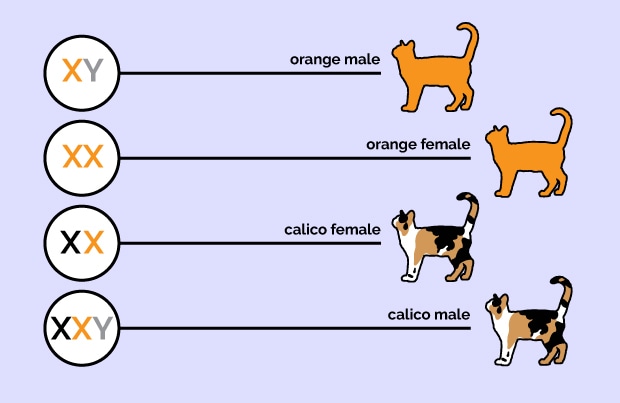
The secret to a calico cat’s sex lies in their chromosomes. Cats, like humans, have two sex chromosomes: X and Y. Female cats have two X chromosomes (XX), while males have one X and one Y (XY). The calico color pattern requires two different color genes, which sit on the X chromosome. Since females have two X chromosomes, they can carry two different color genes. This gives them the beautiful patchwork of colors we see in calicos. But what about male calico cats? They’re rare and usually have a genetic anomaly, like an extra X chromosome (XXY). This condition, known as Klinefelter syndrome, makes them sterile. If you’ve ever met a male calico, you’ve encountered a genetic rarity!Role Of X Chromosome
The X chromosome plays a crucial role in determining the calico pattern. Each X chromosome can carry either an orange or black gene. In females, one X chromosome in each cell is randomly deactivated, a process called X-inactivation. This results in patches of orange and black fur. Think of it this way: it’s like flipping a coin for each cell, deciding whether it will be orange or black. This randomness creates the unique mosaic pattern that makes calicos so captivating. This genetic lottery is why calico patterns are unpredictable. No two calico cats have the same pattern, just like snowflakes. This uniqueness is part of what makes them so special to cat enthusiasts. Have you ever wondered why every calico cat you meet seems to have its own personality? Could it be that their unique coat reflects a unique character? If you’re a fan of calicos, understanding the genetics behind their coats can deepen your appreciation for these charming felines. Who knew that so much science could be packed into such a small, fluffy package?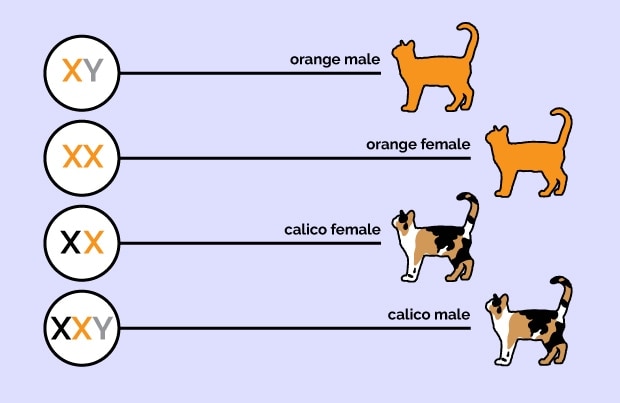
Credit: www.chewy.com
Why Most Calico Cats Are Female
Calico cats are a favorite among cat lovers. Their striking coats feature patches of orange, black, and white. But why are most calico cats female? This intriguing phenomenon has fascinated many. Understanding this requires a dive into genetics and statistics. Let’s explore why female calicos are so common.
Statistical Overview
About 99% of calico cats are female. This high percentage surprises many. Male calicos are rare. Only about 1 in 3,000 calico cats is male. These males usually have genetic anomalies. They often have an extra X chromosome, making them XXY. Such males are typically sterile. This makes them even more unique among cats.
Biological Explanation
The calico pattern is linked to the X chromosome. Female cats have two X chromosomes (XX). This allows them to carry two color genes. One gene might be black, the other orange. The white patches are from a separate gene. Male cats usually have one X and one Y chromosome (XY). They can only carry one color gene. This limits their color patterns.
Sometimes, male cats have an extra X chromosome (XXY). This condition is called Klinefelter syndrome. It lets them have the calico pattern. But as mentioned, these males are often sterile. The biological rules of genetics make female calicos common. Their unique pattern is a result of this genetic dance.
Rare Male Calico Cats
Male calico cats are a rare sight, as about 99. 9% of calico cats are female. These unique cats are often celebrated for their striking tri-color coats. The rarity of male calico cats makes them fascinating to cat enthusiasts worldwide.
Calico cats are often associated with their stunning coat patterns. Most calico cats are female, making male calico cats an extraordinary rarity. Their unique genetic makeup makes them fascinating to pet enthusiasts and researchers alike. Male calico cats are not just rare; they are genetic anomalies, creating intrigue in both scientific and cat lover circles.Genetic Anomalies
The calico pattern results from specific genetic combinations. Female cats have two X chromosomes, which makes the calico pattern common. Male cats typically have one X and one Y chromosome. For a male cat to be calico, it must have an extra X chromosome. This condition is known as XXY syndrome. It occurs in about one in 3,000 calico cats. This anomaly causes the tri-colored pattern in male calicos.Health Implications
Male calico cats often face health challenges. The genetic anomaly of XXY syndrome can lead to health issues. They may experience a shorter lifespan. Some male calicos face sterility, making them unable to reproduce. Regular veterinary check-ups are crucial. Monitoring health ensures these rare cats live comfortably. Proper care can help mitigate health issues. Male calico cats, with their unique genetic makeup, remain a rare wonder. Their rarity and potential health implications fascinate many. Understanding these genetic anomalies provides insight into their uniqueness.Breeding And Gender Distribution
Calico cats are famous for their striking tri-color coats. Most of these cats are female. This fascinating gender distribution results from genetics and breeding. Understanding the breeding practices helps explain why so many calico cats are female.
Selective Breeding Practices
Breeders aim for specific traits in calico cats. They focus on coat colors and patterns. Genetic makeup affects the cat’s color and gender. The calico pattern requires two X chromosomes. Males have one X and one Y chromosome. This makes male calico cats rare. Breeders often pair females for the desired coat pattern.
Impact On Gender Ratio
The genetic structure influences the gender ratio in calico cats. Most calico cats are female due to their XX chromosome pair. Male calicos are rare, often due to genetic anomalies. These males usually have an extra X chromosome, making them XXY. This unique genetic makeup leads to a higher number of female calico cats.
Cultural And Scientific Significance
Calico cats, with their striking patchwork coats, have captured the imagination of cultures and scientists alike. The overwhelming majority of calico cats are female, a fact that has both cultural and scientific significance. This unique gender distribution prompts questions about genetic patterns and cultural beliefs surrounding these fascinating felines.
Historical Perspectives
Throughout history, calico cats have been revered and surrounded by myths. In ancient Japan, they were considered lucky, believed to bring wealth and fortune to their owners. This cultural significance was tied to the rarity of male calicos, making them even more special.
In many cultures, calico cats were seen as symbols of protection. Sailors took them on voyages, trusting the feline’s supposed ability to ward off storms and misfortune. Does the historical reverence for calicos stem from their rarity, or is it the mystical allure of their tri-colored coats?
Research And Discoveries
The reason most calico cats are female lies in genetics. The gene that determines the calico pattern is linked to the X chromosome. Females, having two X chromosomes, are more likely to express this unique coloring.
Male calico cats are an anomaly, often resulting from a genetic mutation known as Klinefelter Syndrome. This syndrome gives them an extra X chromosome, leading to the rare occurrence of male calico cats. Scientists continue to study these genetic anomalies to understand more about chromosome behavior and inheritance.
Consider the impact of these findings. How do they alter our understanding of genetics in animals and humans alike? Are there lessons in the calico’s genetic makeup that apply beyond the feline world?
In your everyday life, the calico cat stands not just as a pet, but as a symbol of genetic wonder and cultural intrigue. Whether you own one or admire them from afar, their unique gender distribution offers insights into the complex interplay of culture and science.

Credit: www.reddit.com
Credit: www.hockeyplayer.com.ar
Frequently Asked Questions
How Rare Is A Male Calico Cat?
Male calico cats are extremely rare. Only about 1 in 3,000 calico cats are male. This rarity is due to genetic factors. Male calicos usually have a genetic anomaly, which makes them sterile. Their unique coloring is caused by an extra X chromosome.
Why Are Calico Cats So Special?
Calico cats are special due to their unique tricolor coats. Their colors result from genetic factors. Most are female, making male calicos rare. This rarity and distinctive appearance make them fascinating to many cat lovers. They are also often associated with good luck in various cultures.
Why Are Male Calico Cats Infertile?
Male calico cats are infertile due to their unique genetic makeup. They possess two X chromosomes and one Y chromosome (XXY), causing Klinefelter syndrome. This genetic anomaly leads to sterility, as the combination disrupts normal male reproductive functions. Only one in every 3,000 calico cats is male.
What Is The Rarest Type Of Calico Cat?
The rarest type of calico cat is the male calico. Male calicos occur due to a genetic anomaly. This anomaly results in only about 1 in 3,000 calico cats being male. Their rarity makes them highly sought after by cat enthusiasts.
Conclusion
Female calico cats are fascinating creatures. Most calico cats are female. In fact, about 99% of them. This is due to genetics. Their colorful coats depend on two X chromosomes. Male calicos are rare. They occur when there’s an extra chromosome.
These males are usually sterile. So, if you see a calico cat, it’s likely a female. Understanding this helps in breeding and care. Calico cats are special pets. Their unique colors make them a favorite. They bring joy and beauty to any home.
So cherish your calico companion.