How Contagious is Ringworm in Cats: Unveiling the Truth
Are you concerned about the health of your feline friend? If you’ve noticed suspicious patches of fur loss or red, scaly spots on your cat, you might be wondering just how contagious ringworm in cats really is.
Understanding the spread of this common fungal infection is crucial, not only for your pet’s well-being but also for the safety of your entire household. But don’t worry—you’re not alone in your concerns. This blog post will unravel the mysteries surrounding ringworm, offering you clear insights and practical advice.
Stay with us as we explore how to keep your home and beloved pets safe from this sneaky invader. Your peace of mind and your cat’s health are just a few paragraphs away.
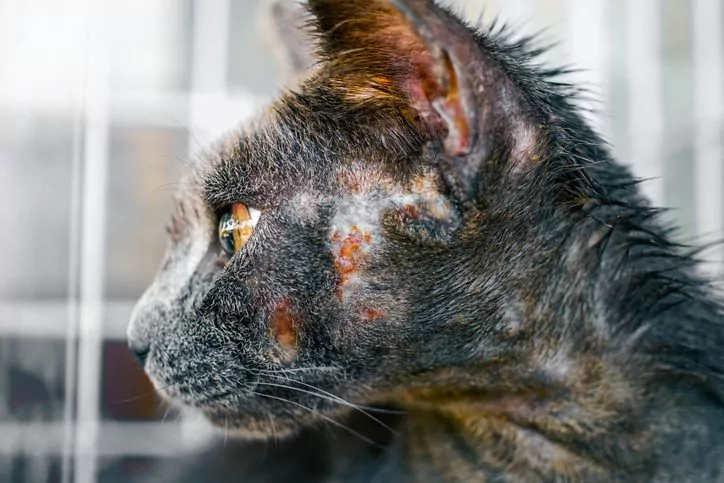
Credit: careyanimalhospital.com
Ringworm Basics In Cats
Understanding ringworm in cats is crucial for pet owners. This fungal infection affects the skin, fur, and nails of cats. It is not a worm, as the name suggests. Instead, it is a contagious fungus. Recognizing the signs and knowing the facts helps manage it effectively.
What Is Ringworm?
Ringworm is a type of fungal infection. It is caused by dermatophytes, which are mold-like fungi. These fungi love keratin, found in skin, hair, and nails. The infection spreads through direct contact. It can also spread via contaminated objects like bedding and grooming tools.
Symptoms In Cats
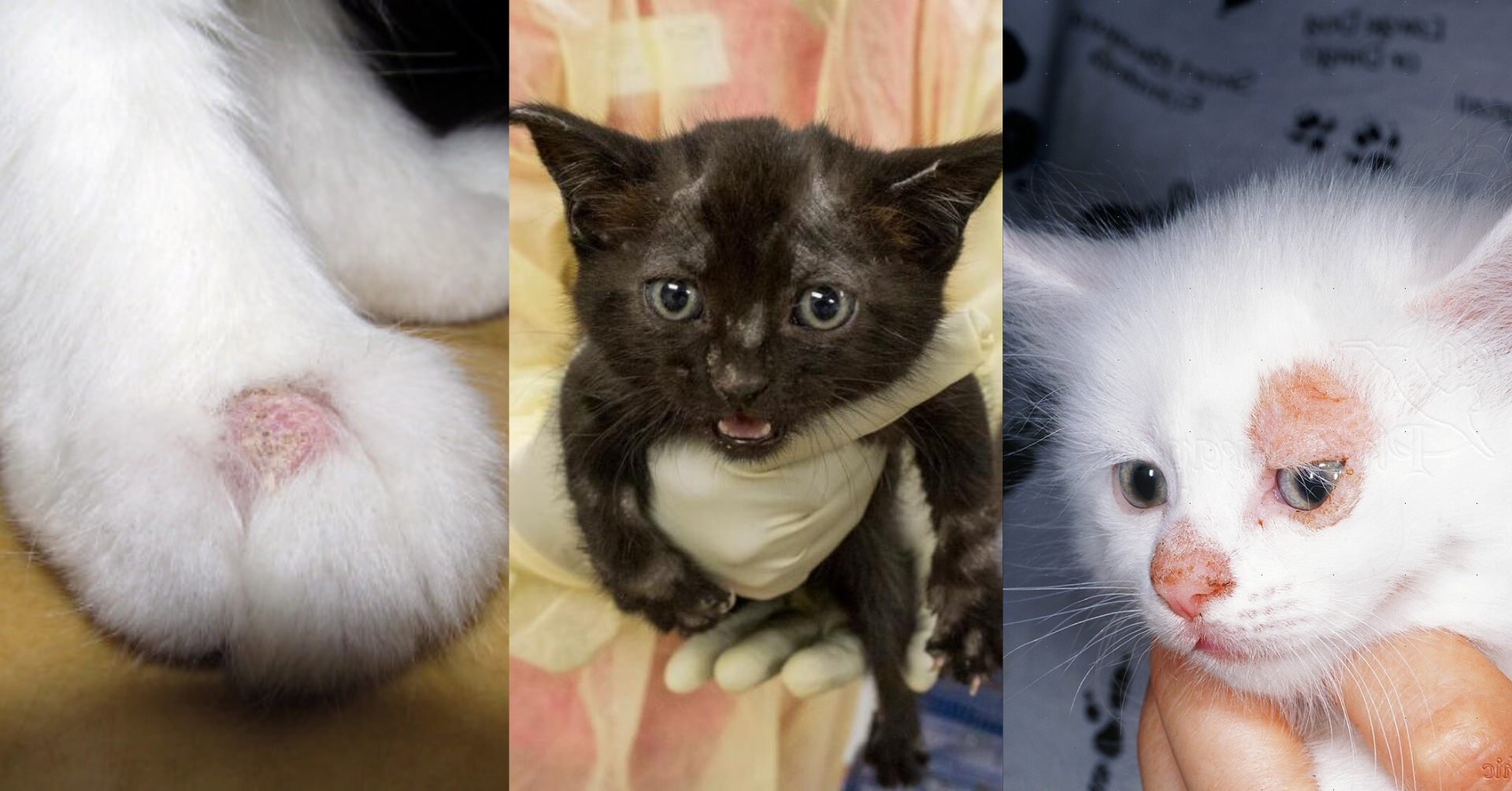
Symptoms in cats can vary. Common signs include circular patches of hair loss. These patches may appear red or scaly. Cats might also have dandruff-like flakes. Itchiness is another symptom, but not always present. Some cats show no visible signs yet still carry the fungus.
Common Misconceptions
Many believe ringworm only affects kittens. While they are more susceptible, adult cats can get it too. Another myth is that only outdoor cats catch it. Indoor cats can also contract the infection. Some assume ringworm is not serious. Left untreated, it can spread to humans and other pets.
Transmission Of Ringworm
Cats can easily spread ringworm through direct contact with infected animals or contaminated objects. The fungus thrives in warm, moist environments, making it highly contagious. Regular cleaning and isolation of infected cats can help prevent the spread.
Transmission of Ringworm Ringworm is a misleading name for a common fungal infection in cats. It’s not a worm at all, but a highly contagious fungal spore that can spread like wildfire. Understanding how it transmits can help you protect your feline friend and your household.How Cats Contract Ringworm
Cats can pick up ringworm in several ways. Direct contact with an infected animal is one of the most common methods. If your cat mingles with other cats at a park or shelter, they might be at risk. Another way cats contract ringworm is through contaminated objects. If your cat shares bedding, grooming tools, or even toys with an infected animal, the fungal spores can transfer easily. Have you ever wondered if your home environment is safe enough for your cat?Risk Factors For Infection
Certain factors can increase a cat’s risk of contracting ringworm. Young kittens, due to their developing immune systems, are particularly susceptible. Older cats or those with compromised immune systems also face a higher risk. Stress is another contributing factor. Have you noticed your cat stressed after moving to a new home or a change in routine? Stress can weaken their immune system, making them more vulnerable.Environmental Spread
Ringworm spores can linger in the environment for months. They thrive in warm, moist areas and can be found on carpets, furniture, and even in the air. Regular cleaning can reduce the risk, but spores can be stubborn. Vacuuming and washing your cat’s bedding frequently can help. Using a diluted bleach solution on hard surfaces can kill spores effectively. Are you taking these preventive measures to protect your cat and home? By understanding how ringworm spreads, you can take practical steps to safeguard your cat’s health. An informed approach not only helps in prevention but also in early detection and treatment.Human And Pet Risks
Ringworm spreads easily from cats to humans through direct contact. This fungal infection causes itchy, red skin. Both pets and people require treatment to prevent further transmission and discomfort. Keep hygiene in check to reduce risks.
Ringworm, despite its misleading name, is not a worm but a fungal infection. It’s surprisingly common in cats and poses risks not only to other pets but also to humans. If you have ever cuddled your furry friend only to find a suspicious rash later, you might have encountered this pesky fungus. Understanding these risks can help protect you and your loved ones.Transmission To Humans
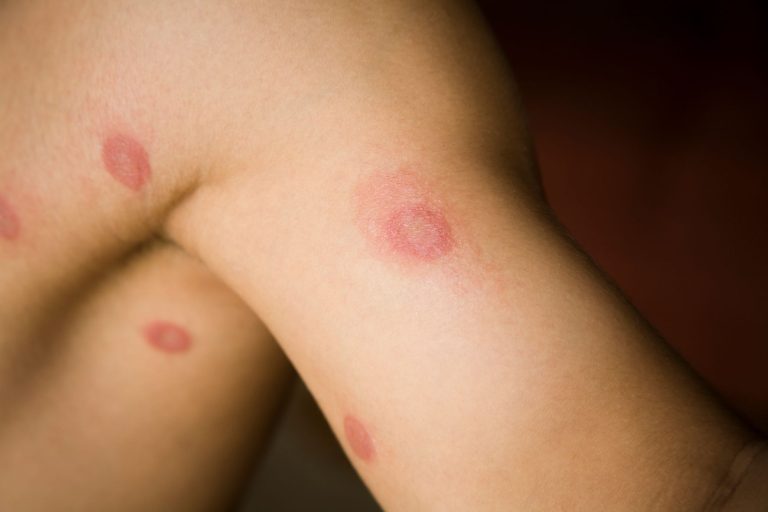
Ringworm is zoonotic, meaning it can be transmitted from animals to humans. If your cat has ringworm, you could potentially catch it through direct contact. Ever felt an itchy patch on your skin after petting your cat? That could be ringworm. Children are particularly vulnerable due to their love for cuddling pets. It’s crucial to monitor any skin changes they experience. Do you know that even a visit to the vet could be risky if your cat is infected? Vets often advise isolating the cat until treated.Risks To Other Pets
Cats can easily transmit ringworm to other animals in your household. Dogs, rabbits, and even guinea pigs are not safe from this contagious fungus. Have you noticed your other pets scratching excessively or losing fur in patches? They might have caught ringworm from your cat. It’s essential to keep infected animals separate to prevent an outbreak. Consider this: a single infected cat could lead to a household epidemic. Regularly check your pets for any signs of ringworm and consult a vet if you suspect infection.Preventive Measures
Preventing ringworm requires diligence. Regularly clean your cat’s bedding and areas they frequent. Have you ever thought about using a vacuum cleaner with a HEPA filter? This can help remove fungal spores from your environment. Wash your hands thoroughly after handling your cat. Use antifungal sprays or wipes if advised by your vet. Think about your cleaning routine: could you be missing areas where spores might hide? Keep your pets’ immune systems strong with balanced diets and regular health check-ups. This reduces their susceptibility to infections. What steps can you take today to ensure a safer environment for both you and your pets? Implement preventive measures and safeguard your household against ringworm.
Credit: www.fetchpet.com
Diagnosis And Treatment
Ringworm in cats spreads easily through direct contact with infected animals or surfaces. Early diagnosis involves skin tests and wood lamp examination. Treatment includes antifungal medications and thorough cleaning of the environment.
Ringworm in cats is a common fungal infection that can easily spread among pets and even humans. Understanding how to diagnose and treat this condition is crucial for any cat owner. By recognizing the signs early and taking appropriate action, you can ensure your feline friend recovers quickly and prevent the spread to other pets or family members.Diagnostic Methods
Diagnosing ringworm in cats involves a few straightforward techniques. Veterinarians often use a Wood’s lamp, a special ultraviolet light that causes the fungus to fluoresce, making it easier to spot. In some cases, a fungal culture or skin biopsy may be needed to confirm the presence of ringworm. This involves taking a sample of fur or skin and analyzing it in a lab. Keep an eye out for signs like hair loss or scaly patches. If you notice these, a visit to the vet can provide clarity and peace of mind.Effective Treatments
Treating ringworm requires a combination of topical and oral medications. Antifungal creams or shampoos can be applied directly to the affected areas to combat the infection. In severe cases, oral antifungal medications may be prescribed to tackle the infection from the inside. A friend’s cat once had a stubborn case of ringworm. The vet recommended both topical treatment and oral medication, which eventually cleared up the issue.Home Care Strategies
Managing ringworm at home involves maintaining a clean environment to prevent its spread. Regularly vacuum and disinfect areas where your cat spends time. This helps remove any lingering spores that could cause reinfection. Consider isolating your infected cat from other pets, especially in multi-pet households, to minimize the risk of contagion. Do you have any tried-and-true methods for dealing with ringworm in your home? Sharing your strategies can be incredibly helpful for others facing the same challenge. By focusing on accurate diagnosis and effective treatment options, you can help your cat recover swiftly and prevent the spread of ringworm.Preventing Spread In Homes
Ringworm in cats spreads easily, especially in homes. Fungal spores can transfer from pets to furniture and people. Regular cleaning helps minimize the risk of infection.
Preventing the spread of ringworm in homes is crucial for cat owners. Ringworm, a fungal infection, spreads through contact with infected animals or contaminated surfaces. It affects cats, humans, and other animals. Understanding how to stop its spread is vital for a safe home environment.Cleaning And Disinfection
Regular cleaning reduces ringworm spores in the home. Vacuum carpets, rugs, and upholstery frequently. Use a vacuum with a HEPA filter for best results. Disinfect surfaces with a bleach solution. Mix one part bleach with ten parts water. Focus on cat beds, litter boxes, and toys. Wash pet bedding in hot water weekly. This keeps spores from accumulating.Managing Infected Cats
Separate infected cats from healthy ones. Keep them in a specific room to limit exposure. Wear gloves when handling an infected cat. Apply topical antifungal treatments as directed by a vet. Oral medications may be necessary for severe cases. Monitor skin conditions regularly for improvement. Return to the vet if symptoms persist.Reducing Environmental Contamination
Minimize clutter in areas where cats roam. This reduces places for spores to hide. Use air purifiers to maintain clean air quality. Place purifiers in rooms where cats spend most time. Ensure adequate airflow to prevent stale air. Encourage good hygiene practices among family members. Wash hands after touching cats or their belongings. This reduces the risk of human infection.Debunking Myths
Ringworm in cats often sparks fear and confusion among pet owners. Misconceptions about its contagious nature abound, leading to unnecessary worry. By debunking these myths, we can better understand ringworm and how it truly spreads. This section aims to clarify common misunderstandings, present scientific insights, and gather expert opinions.
Common Misunderstandings
Many believe ringworm is a worm. It’s not. Ringworm is a fungal infection. This myth causes much confusion. Another misunderstanding is that all cats with ringworm show symptoms. Some cats can carry the fungus without visible signs. This makes it harder to detect and prevent. People also think ringworm spreads rapidly. In reality, the rate of transmission varies. It depends on several factors.
Scientific Insights
Scientific studies reveal important facts about ringworm. The fungus thrives in warm, humid conditions. It spreads through direct contact with infected animals or objects. Spores can survive for months in the environment. This makes it persistent but not necessarily fast-spreading. Cats with weakened immune systems are more susceptible. Healthy cats may resist infection better. Understanding these facts helps manage ringworm effectively.
Expert Opinions
Veterinarians share valuable insights on ringworm in cats. Dr. Sarah Jones, a feline specialist, states that early detection is key. She advises regular checks for skin lesions. Dr. Michael Lee highlights the importance of hygiene. He recommends cleaning living spaces thoroughly to remove spores. Experts agree on the value of prompt treatment. This reduces the risk of spreading to other pets and humans.

Credit: www.petmedicalcenterverobeach.com
Frequently Asked Questions
Is It Safe To Be Around A Cat With Ringworm?
Being around a cat with ringworm poses a risk of infection. Maintain good hygiene and limit contact. Use gloves when handling the cat, and disinfect surfaces regularly to reduce transmission chances. Seek veterinary advice for the cat’s treatment and consult a doctor if you suspect any symptoms.
Do I Need To Quarantine If My Cat Has Ringworm?
You don’t need to quarantine yourself if your cat has ringworm. Ensure your cat receives treatment. Clean and disinfect your home to prevent spread. Practice good hygiene, like washing hands after handling your pet. Consult a vet for advice and follow their recommendations.
Do I Need To Clean My House If My Cat Has Ringworm?
Yes, cleaning your house is essential. Ringworm is contagious and can spread through contaminated surfaces. Vacuum carpets, wash bedding, and disinfect surfaces to prevent spreading. Regular cleaning helps in controlling the infection and protecting other pets and family members.
What Triggers Ringworm In Cats?
Ringworm in cats is triggered by a fungal infection. It spreads through contact with infected animals, objects, or surfaces. Stress and a weakened immune system increase susceptibility. Regular cleaning and maintaining hygiene can help prevent ringworm infections in cats.
Conclusion
Ringworm in cats spreads easily. It’s crucial to know the signs. Early detection helps in managing the infection. Keep your cat’s environment clean. Regular vet visits are important. Consult a vet if you see symptoms. Protect your family and other pets.
Knowledge is key to prevention. Stay informed and vigilant. Taking these steps ensures a healthy pet. A little caution goes a long way. Your cat’s health depends on it.