Is Ringworm in Cats Contagious to Humans? Find Out!
Imagine you’re relaxing at home, petting your beloved feline friend, when suddenly you notice something unusual on their skin—a strange, circular rash. Your mind races with questions, and one pops up above all others: could this be ringworm, and is it contagious to you?
You’re not alone in this concern. Many cat owners face this perplexing situation and want answers. Ringworm in cats isn’t as straightforward as it sounds. It’s not caused by worms, but rather by a fungus that can indeed spread to humans.
Understanding how this happens and what you can do to prevent it is crucial for both your health and your cat’s. You’ll discover everything you need to know about ringworm in cats, how it affects humans, and the steps you can take to keep yourself and your furry friend safe. Dive in to uncover the facts and solutions that will put your mind at ease.

Credit: www.fetchpet.com
What Is Ringworm In Cats?
Ringworm in cats is a fungal infection affecting the skin, fur, and nails. It can spread from cats to humans, causing itchy, red patches. Proper hygiene and treatment help prevent transmission.
Ringworm in cats, despite its name, has nothing to do with worms. It’s a fungal infection that affects the skin, hair, and sometimes nails. If you’ve noticed patches of hair loss on your feline friend, you might be dealing with ringworm.Symptoms In Cats
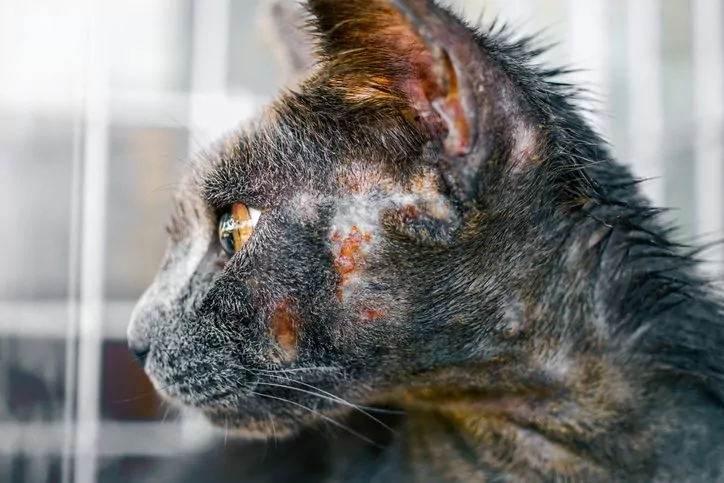
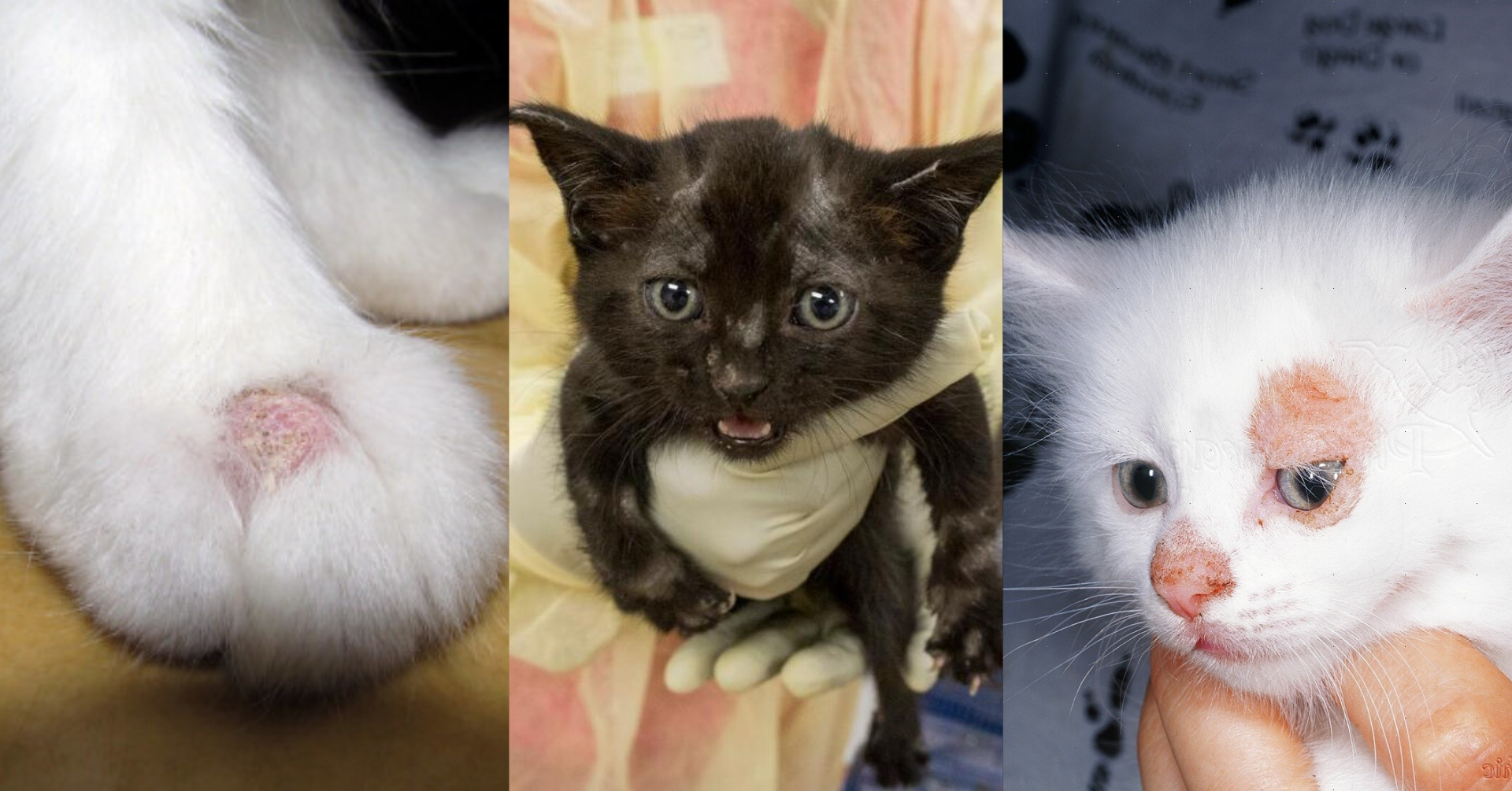
Cats with ringworm often show circular patches of hair loss. These areas can be red, scaly, and itchy. You might also notice brittle or broken claws.Causes And Transmission
Ringworm is caused by a type of fungus that thrives in warm, moist environments. It can spread through direct contact with an infected animal or object, like a grooming tool. Imagine your cat brushing against a contaminated surface—transmission is as simple as that.Have you ever noticed how cats love to explore and squeeze into tight spaces? This curiosity can lead them to places where the fungus lurks. As a pet owner, it’s essential to monitor your cat’s habits and the environments they frequent.
Keeping your cat’s living area clean can help prevent the spread of ringworm. Regularly washing their bedding and toys reduces the risk of infection. Have you checked your cleaning routine lately?
By understanding what ringworm is and how it spreads, you can take proactive steps to protect both your cat and yourself. What measures will you take today to ensure a safe environment for your furry friend?
Credit: www.coloradoanimalrescue.org
Ringworm Transmission To Humans
Ringworm, despite its name, isn’t caused by worms. It’s a fungal infection. Cats can carry and spread it to humans. This infection is highly contagious. Understanding its transmission helps in preventing it. Let’s explore how humans get infected and the factors influencing transmission.
How Humans Can Get Infected
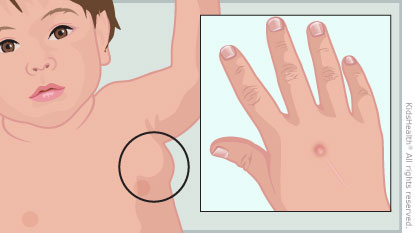
Humans catch ringworm through direct contact. Touching an infected cat’s fur spreads the fungus. The fungus lives on the skin and hair. It can also linger on surfaces. Shared items like brushes or bedding can carry the fungus. This makes the infection easy to spread. Always wash hands after handling pets.
Factors Influencing Transmission
Several factors affect transmission. The health of the person matters. Those with weak immune systems are at higher risk. Age is another factor. Children and elderly are more susceptible. Environmental conditions also play a role. Warm, humid environments favor fungus growth. Close living quarters can increase spread. Regular cleaning reduces risks.
Prevention Measures
Ringworm, a common fungal infection in cats, can spread to humans. Understanding prevention measures is vital to keep both pets and humans safe. This guide offers practical tips to minimize risks.
Protecting Yourself
Always wash hands after touching your cat. Use soap and warm water. Wear gloves when handling infected animals or cleaning their spaces. Avoid direct contact with your cat’s skin. Use protective clothing if needed.
Regularly disinfect surfaces your cat frequents. Use an antifungal cleaner. Keep your home clean and dry. Proper hygiene reduces the chance of infection.
Reducing Risk In Pets
Keep your cat indoors to limit exposure to ringworm. Avoid contact with stray animals. Regularly check your cat’s skin for unusual spots. Early detection helps prevent spread.
Ensure your cat’s bedding and toys are clean. Wash them frequently. Use hot water and antifungal detergents. Regular grooming can also help reduce risk. Brush your cat to remove loose fur and skin.
Consult a vet for preventive treatments. They may recommend antifungal shampoos or sprays. Follow their advice to keep your pet healthy and ringworm-free.
Treatment Options
Ringworm in cats can spread to humans through direct contact. Treatment includes antifungal creams and keeping infected areas clean. Consult a vet for proper guidance and medication to prevent further spread.
Treating ringworm in cats and humans requires careful attention and action. If you or your pet has been exposed, understanding the right treatment options is crucial. While it might seem overwhelming, knowing the steps to take can ease the stress and lead to effective healing. Here, we’ll dive into how to treat your feline friend and ensure you’re protected as well.Treating Cats With Ringworm
If your cat is diagnosed with ringworm, prompt treatment is essential. Start by consulting a veterinarian. They can prescribe antifungal medications, which may be topical or oral, depending on the severity. Keep your cat in a separate room to prevent the spread to other pets or surfaces in your home. Regularly clean and disinfect the area where your cat stays. Use pet-friendly cleaning solutions that are effective against fungi. Consider trimming your cat’s fur, especially if they have long hair. This can help topical treatments penetrate better and reduce the fungus on their fur. Remember, patience and consistency are key in treating ringworm in cats.Medical Care For Humans
If you’ve come into contact with an infected cat, monitor your skin for any signs of ringworm. These may include red, circular patches that itch or have a scaly appearance. If you notice symptoms, seek advice from a healthcare provider. They may recommend over-the-counter antifungal creams or prescription medications. Keep your living environment clean. Regularly wash bedding, clothes, and any fabrics that might have come into contact with your cat. Consider using a vacuum with a HEPA filter to capture any fungal spores in the air. Maintaining personal hygiene is vital. Wash your hands thoroughly after handling your cat and avoid sharing personal items like towels. Have you ever wondered how many infections could be avoided with simple hygiene practices? Sometimes, the smallest actions have the biggest impacts. By taking proactive steps, you can treat ringworm effectively and protect yourself and your pets. It’s about being informed and prepared, ensuring a healthy environment for everyone involved.Myths And Misconceptions
Ringworm in cats can spread to humans, causing skin infections. Close contact with infected cats increases the risk. Symptoms include itchy, red patches, which require treatment for relief.
Ringworm, despite its name, is not caused by a worm. It’s a fungal infection, and its presence in cats often raises eyebrows and concerns among pet owners. Many myths and misconceptions swirl around the topic of ringworm in cats, especially regarding its contagion to humans. Understanding these myths can help you better protect yourself and your furry friends.Common Misbeliefs
One widespread belief is that only cats with visible ringworm symptoms can transmit the infection to humans. This is not true. Cats can carry the fungus without showing any signs, making it easy for humans to unknowingly contract it. Another misconception is that ringworm is highly dangerous to humans. While it can be irritating, it’s generally not severe and can be treated with over-the-counter medications. Some people think that once a cat is infected, it will always be contagious. But, with proper treatment and care, the infection can be cleared, and your cat can return to being non-contagious.Clarifying Facts
Ringworm can spread through direct contact with an infected animal or indirectly via contaminated objects. This means even petting your cat or touching their bedding can pose a risk. Contrary to what many believe, ringworm is not a sign of poor hygiene. Even the cleanest cats and homes can be affected. So, if you or your pet gets infected, it’s not a reflection of your cleanliness. You may wonder if avoiding cats entirely is the best preventive measure. While it reduces risk, it’s not practical or necessary. Regular vet check-ups, maintaining cleanliness, and prompt treatment can effectively manage and prevent the spread. As you consider these facts, ask yourself: Are you taking the right steps to ensure both your safety and your cat’s well-being? By understanding and addressing these myths, you can create a healthier environment for all.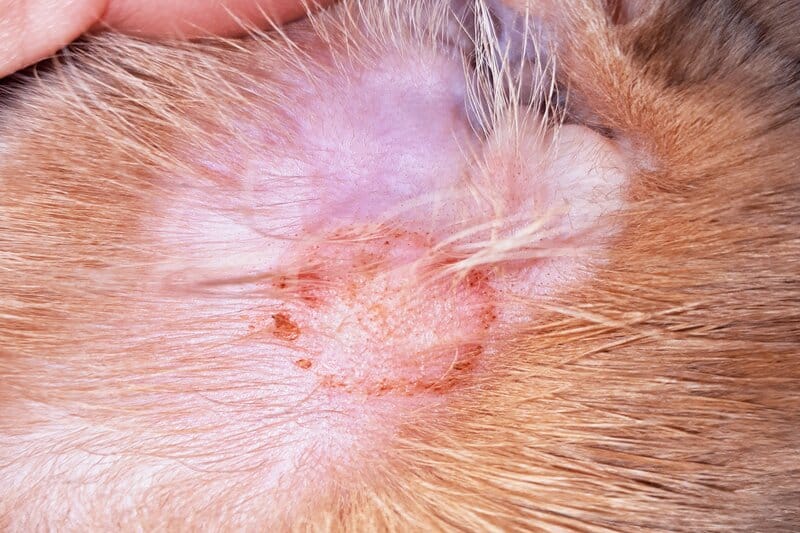
Credit: www.catster.com
Frequently Asked Questions
How Likely Am I To Get Ringworm From My Cat?
You can catch ringworm from your cat, but it’s not very common. Practicing good hygiene reduces the risk significantly. Always wash your hands after petting your cat and clean shared spaces regularly. If your cat shows symptoms, consult a veterinarian for treatment to prevent transmission.
Do I Have To Disinfect My House If My Cat Has Ringworm?
Yes, disinfect your home to prevent ringworm spread. Clean surfaces, wash bedding, and vacuum floors regularly. Use antifungal cleaners and keep your cat’s items separate. Consult a vet for specific advice. Regular cleaning helps protect other pets and family members from infection.
What To Do If A Cat Gives You Ringworm?
Wash the affected area with soap and water immediately. Apply an antifungal cream as directed by a doctor. Keep the area clean and dry. Avoid sharing personal items like towels. If symptoms persist, consult a healthcare professional. Regularly clean your home to prevent the spread of ringworm.
Do I Need To Quarantine If My Cat Has Ringworm?
You don’t need to quarantine yourself if your cat has ringworm. It’s a fungal infection, not a virus. However, limit your cat’s contact with humans and other pets until treated. Clean surfaces and wash hands regularly to prevent spread. Consult a veterinarian for proper diagnosis and treatment options.
Conclusion
Ringworm in cats can spread to humans. It’s important to stay cautious. Early detection helps prevent transmission. Always wash hands after touching infected pets. Regular vet check-ups are crucial. Use gloves when handling affected animals. Keep your cat’s environment clean.
Treat infected pets promptly to reduce risks. Consult a veterinarian for advice. Protect yourself and your family from ringworm. Awareness is key. Stay informed, stay safe. Healthy pets lead to healthy homes. Understanding ringworm helps in managing it. Prevention and care are your best defenses.
A little caution can go a long way.