Are Worms Contagious in Cats? Uncover the Truth
Are you worried that your cat might have worms, and wondering if these pesky parasites could spread to other pets or even humans? You’re not alone.
Many cat owners face this unsettling concern, and it’s crucial to understand the risks associated with worm infestations. We’ll delve into whether worms are contagious in cats and what you can do to keep your furry friend healthy. We’ll explore the symptoms, prevention methods, and treatments available, offering you peace of mind and practical solutions.
Stay with us as we unravel the truth about worms and how to safeguard your household from potential threats. Your cat’s health—and your peace of mind—depend on it.
:strip_icc()/roundworms-in-cats-3385241_FINAL-b5c2bccc431b4c319e848bd29cda15cf.jpg)
Credit: www.thesprucepets.com
Types Of Worms In Cats
Cats are prone to different types of worms that affect their health. Knowing the types can help in treating and preventing worm infestations. Let’s explore three common types of worms found in cats.
Roundworms
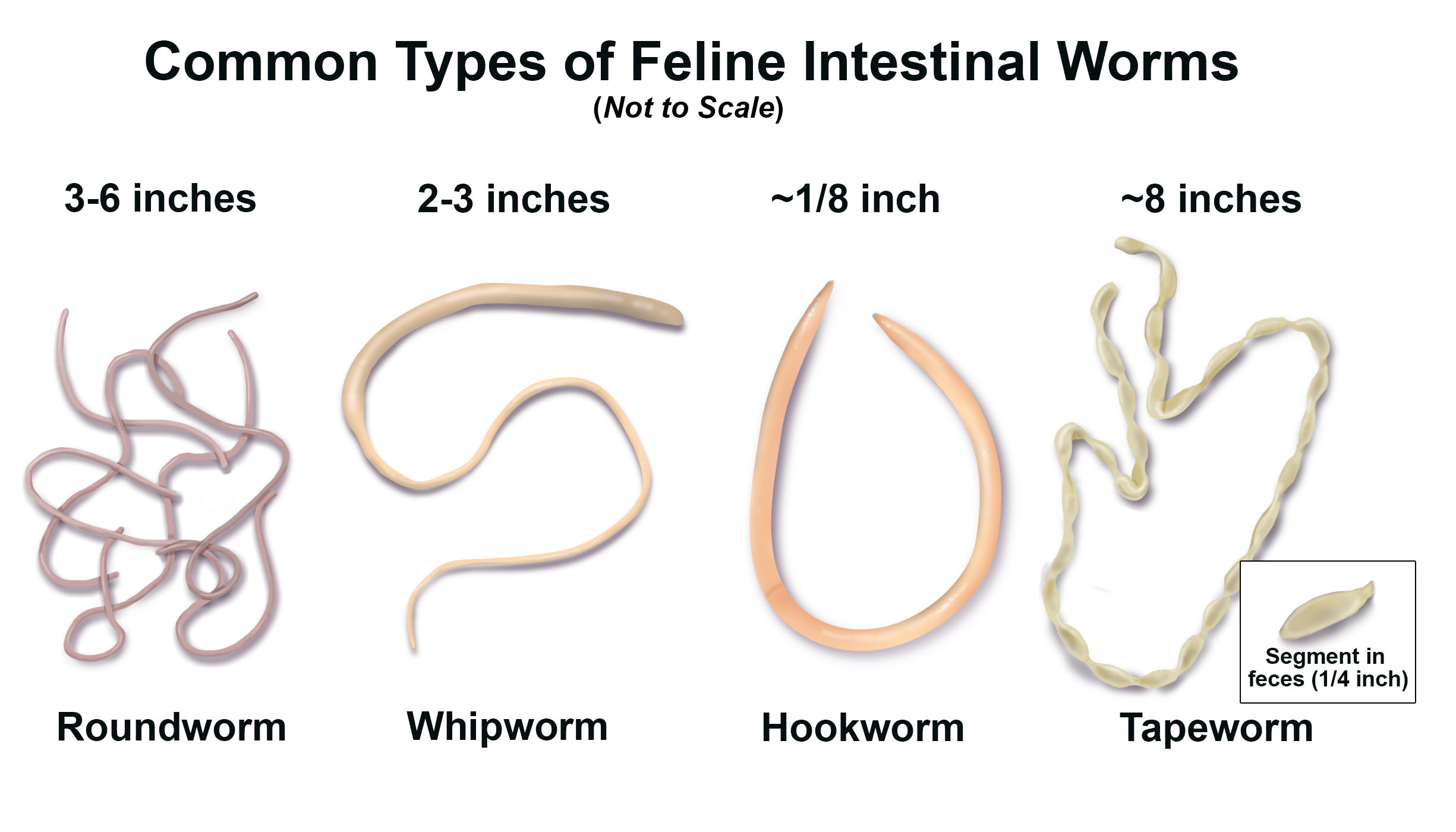
Roundworms are the most common worms in cats. They are long and white, resembling spaghetti noodles. Cats can get roundworms from mother cats or contaminated environments. They cause vomiting, diarrhea, and a pot-bellied appearance in cats. Regular deworming helps control roundworm infestations.
Tapeworms
Tapeworms are segmented worms that live in the intestines. Cats often get tapeworms from fleas. They can cause weight loss and a dull coat. You may notice rice-like segments near the cat’s anus or in feces. Treating fleas reduces the risk of tapeworms in cats.
Hookworms
Hookworms are small but dangerous worms. They attach to the intestinal wall and suck blood. Cats can get hookworms through contaminated soil or ingesting infected prey. Symptoms include anemia and weakness. Hookworms are treatable with medications prescribed by a vet.
Symptoms Of Worms In Cats
Cats are curious creatures that love to explore. This adventurous spirit can sometimes lead them to unwanted guests, like worms. Understanding the symptoms of worms in cats is crucial to ensure your feline friend stays healthy and happy. Spotting these symptoms early on can save you a lot of worry and vet visits.
Physical Signs
Your cat might show some visible signs if they have worms. You might notice a dull coat, which can be a stark contrast to the usual shiny fur of a healthy cat. Another sign is a potbellied appearance, especially in kittens.
Have you ever found small, rice-like segments near your cat’s tail or in their litter box? These could be tapeworm segments, a clear indication of worms. Observing any unusual lumps or bumps on their body can also be a sign to consider.
Behavioral Changes
Changes in behavior can be a red flag. A typically active cat might become lethargic and sleep more than usual. Conversely, some cats might exhibit increased restlessness and discomfort.
Watch for excessive scratching or grooming, particularly around the rear end. This behavior often signals irritation caused by worms. Has your cat been more irritable lately? Worms might be the culprit.
Digestive Issues
Digestive problems are common indicators of worms. You may notice your cat has diarrhea or constipation. Both are signs that something might be wrong internally.
Has your cat’s appetite changed unexpectedly? A sudden increase or decrease in hunger could be related to worms. Vomiting, especially if it contains worms, is another alarming symptom.
If you suspect your cat might have worms, acting quickly is key. Have you noticed any of these symptoms in your cat? Regular vet check-ups can prevent these issues and keep your furry friend healthy. Remember, your attention to detail is their best defense against these pesky intruders.
Transmission Of Worms In Cats
Understanding how worms are transmitted in cats is crucial for pet owners. Worms can affect a cat’s health and wellbeing. Knowing the transmission methods helps in prevention and treatment.
Direct Contact
Worms can spread through direct contact with infected animals. Cats can get worms by interacting with other infected cats. Sharing litter boxes increases the risk of transmission. Grooming each other also plays a role. Maintaining good hygiene is essential.
Environmental Factors
The environment can harbor parasites that infect cats. Soil contaminated with feces is a common source. Outdoor cats are more exposed to these risks. Regular cleaning of your cat’s living area helps reduce infection chances. Keeping your yard clean minimizes exposure.
Ingestion Of Infected Prey
Eating infected prey is a significant transmission route for cats. Cats often hunt rodents and small animals. These animals can carry parasitic worms. Indoor cats face less risk as they hunt less. Monitoring your cat’s diet can prevent worm infections.
Risk Factors For Worm Infestation
Cats can catch worms through contact with infected animals or environments. Eating infected prey or fleas also spreads worms. Regular vet check-ups are essential to prevent infestations.
Understanding the risk factors for worm infestation in cats is crucial for every cat owner. It not only helps in preventing the spread but also in maintaining your cat’s overall health. Let’s explore some of the most common risk factors that might increase your cat’s chances of getting worms.Outdoor Exposure
Cats with access to the outdoors are more likely to encounter worms. They might hunt and eat small animals like mice or birds, which can carry worm larvae. Even contact with infected soil or feces can increase their risk. If your cat enjoys the great outdoors, regular vet check-ups are a must.Age And Health
Kittens and senior cats are more vulnerable to worm infestations. Younger cats often have immature immune systems, while older cats might have weakened defenses. If your cat falls into these age groups, pay extra attention to their health and watch for any signs of worms.Sanitation Conditions
Cleanliness is key in preventing worm infestations. A dirty litter box can be a breeding ground for parasites. Make it a habit to clean your cat’s litter box daily and wash your hands afterward. Have you checked the cleanliness of your cat’s living environment recently? Understanding these risk factors can help you make informed decisions about your cat’s lifestyle. Are there areas where you can improve your cat’s safety and health? Remember, a little prevention goes a long way in keeping your feline friend worm-free.Diagnosis Of Worms In Cats
Diagnosing worms in your feline friend can be a challenging yet crucial task. Cats, like humans, can suffer from various types of worms, and identifying them early can save your pet from discomfort and potential health issues. So, how do you tell if your cat has worms? Let’s break down the diagnosis process, which involves a few key steps: veterinary examination, stool analysis, and blood tests.
Veterinary Examination
When you take your cat to the vet, the first thing they will do is a thorough examination. This includes checking your cat’s weight, coat condition, and overall health. The vet might ask questions about your cat’s behavior, appetite, and any changes you’ve noticed. It’s essential to provide honest and detailed information. Have you seen your cat scratching more than usual? Have they been lethargic or off their food? These insights can help the vet make a more accurate diagnosis.
Stool Analysis
Your vet might request a stool sample from your cat. This analysis is one of the most direct ways to identify worms. The lab technicians look for worm eggs and larvae under a microscope. Finding these can confirm the presence of worms in your cat. It’s a simple test, but it can offer valuable insight into your pet’s health. You might wonder, how often should you check your cat’s stool? Regular checks can prevent severe infestations and keep your cat healthy.
Blood Tests
In some cases, blood tests might be necessary. These tests can reveal more about your cat’s internal health and whether worms have affected their organs or blood. Blood tests can also identify certain types of worms that might not show up in stool samples. Have you ever thought about what your cat’s blood can tell about their health? It’s more than you might think. This step is particularly important if your cat shows signs of illness or weakness.
Diagnosing worms in cats is a multi-step process, but it’s worth the effort to ensure your furry friend’s well-being. Each method offers unique insights, and together they provide a comprehensive picture of your cat’s health. So, the next time you notice something off with your cat, consider these diagnostic steps and consult your vet. Your proactive approach can make all the difference in your pet’s life.

Credit: www.petmd.com
Treatment Options For Worms
Worms in cats can spread to other pets and humans. Treatments include deworming medications prescribed by veterinarians. Regular check-ups help prevent infestations.
When your feline friend is diagnosed with worms, it’s crucial to understand the treatment options available to ensure their swift recovery. The right treatment not only helps in getting rid of the parasites but also ensures your cat’s overall well-being. Let’s explore some effective treatment methods to tackle this common issue in cats.Medications
Medications are often the most direct and effective way to treat worms in cats. Your veterinarian may prescribe deworming tablets or topical treatments tailored to the specific type of worm your cat has. It’s essential to follow the vet’s instructions regarding dosage and duration to ensure complete eradication. I once had a tabby named Whiskers who was prescribed a simple tablet for tapeworms. The transformation was noticeable—more energy and a healthier coat. Have you noticed any changes in your cat’s behavior or appearance post-treatment?Natural Remedies
For those who prefer a more holistic approach, some natural remedies can help manage worms. Pumpkin seeds, for example, contain an amino acid that can paralyze worms, making them easier to expel. Grated carrots can also be beneficial as they help to cleanse the digestive system. However, it’s important to consult with your vet before starting any natural remedy. Would you consider trying these options if it meant a happier, healthier cat?Preventive Measures
Prevention is always better than cure, especially when it comes to worms. Regular vet check-ups and maintaining a clean litter box can significantly reduce the risk. Also, keep your cat away from rodents and avoid allowing them to roam freely outdoors. Using preventive treatments like monthly topical solutions can also keep worms at bay. What steps are you currently taking to prevent worms in your cat, and do you feel they are effective? By understanding and implementing these treatment options, you can help ensure your beloved cat stays worm-free and healthy. Remember, a well-informed pet owner is a pet’s best defense against parasites.Preventing Worms In Cats
Worms in cats can easily spread to other animals and humans through contact with infected feces or soil. Regular deworming treatments and maintaining a clean environment are key to preventing these parasites. Always wash hands after handling cats, especially before meals, to reduce transmission risk.
Preventing worms in cats is a crucial aspect of keeping your feline friend healthy and happy. While worms are not contagious in the traditional sense, they can spread through various means, making prevention a top priority. By implementing simple measures, you can significantly reduce the risk of your cat contracting worms, ensuring a longer, happier life for your pet.Regular Check-ups
Scheduling regular check-ups with your veterinarian is essential for early detection of worms. A vet can perform routine stool tests to check for any signs of parasites. Catching worms early can prevent a more serious infestation and save you from future headaches. It’s easy to overlook these appointments, but they’re crucial. Just like how you wouldn’t skip your own doctor’s appointments, don’t skip the vet’s. Your cat’s health depends on it.Hygiene Practices
Maintaining a clean environment is key to preventing worms. Regularly clean your cat’s litter box and wash their bedding. This reduces the chance of your cat coming into contact with worm eggs. Always wash your hands after handling litter or soil. It’s a simple step that can protect both you and your cat from potential infections. Consider how much time your cat spends grooming; reducing dirt and bacteria can lessen the worm risk.Dietary Considerations
Feeding your cat a balanced diet is more than just keeping them fit; it plays a role in preventing worms. Cats with robust immune systems are less likely to suffer from worm infestations. Ensure your cat’s diet includes high-quality, nutritious food. Avoid raw meat or fish, as they can be sources of worms. Have you ever noticed how a healthy diet improves your energy levels? The same goes for your cat—it can bolster their natural defenses. Incorporate these practices into your routine and you’ll be giving your cat the best chance at a worm-free life. What steps will you take today to protect your feline friend?Impact Of Worms On Cat Health
Cats are known for their independent and curious nature, but when worms invade their system, it can significantly impact their health. These parasites can lead to serious health issues, affecting everything from nutrition to immunity. Let’s dive into how worms can alter your feline friend’s well-being.
Nutritional Deficiencies
Worms can rob your cat of essential nutrients. They consume the food your cat eats, leaving them with less nourishment. This can lead to weight loss and malnutrition.
Have you noticed your cat eating more but still looking thin? Worms could be the culprit. They disrupt the absorption of vital vitamins and minerals, making your cat weaker.
Immune System Effects
A strong immune system is crucial for your cat’s health. Worm infestations can weaken it, making your cat vulnerable to other infections. You might see more frequent illnesses or slower recovery from common ailments.
Think about how often your cat gets sick. Could worms be affecting their ability to fight off diseases? Strengthening their immune system starts with addressing worm issues.
Long-term Complications
If left unchecked, worms can lead to long-term health problems. These might include organ damage or chronic illnesses. Is your cat’s health deteriorating over time without clear reasons?
Preventing worms isn’t just about immediate care—it’s about safeguarding your cat’s future health. Regular check-ups and treatments can prevent irreversible damage.
Ensuring your cat is worm-free is more than just a routine task. It’s about protecting their health and happiness. Are you ready to take action against these silent invaders?
Credit: www.vet.cornell.edu
Frequently Asked Questions
How Contagious Are Worms To Other Cats?
Worms spread easily between cats through shared environments, contaminated litter boxes, and grooming each other. Regular deworming and hygiene can help prevent transmission. Monitor your cat for symptoms like vomiting or weight loss. Consult a vet for treatment to ensure your cat’s health and reduce contagion.
Do I Need To Disinfect My House If My Cat Has Worms?
Yes, disinfect your house if your cat has worms. Clean litter boxes, bedding, and floors to prevent spread. Regularly wash hands after handling your cat. This helps protect both humans and pets from re-infection. Consult your vet for specific cleaning recommendations and treatments.
Can I Touch My Cat If It Has Worms?
Avoid touching your cat if it has worms. Worms can spread to humans. Wash hands thoroughly if contact occurs. Seek veterinary advice for treatment and prevention.
Do I Need To Separate My Cat If One Has Worms?
Yes, separate the infected cat to prevent spreading worms. Worms can be contagious among pets. Treat the infected cat promptly and consult your vet for advice. Clean litter boxes and bedding regularly to maintain hygiene and protect other pets.
Conclusion
Worms can spread easily among cats. Regular check-ups help catch infections early. Keep your cat’s environment clean. Use vet-approved treatments for prevention. Watch for signs like weight loss or changes in appetite. Quick action can prevent worms from spreading. Always consult a vet for advice tailored to your cat.
They know best. Your cat’s health depends on your care and attention. Stay informed. Protect your furry friend from worms with these simple steps. Keep them happy and healthy.