
Have you ever wondered why you start sneezing or get itchy eyes when you’re around cats? You’re not alone.
Allergies to cats are surprisingly common, and you might be curious to know just how many people are affected. What percentage of people are allergic to cats? This question might be more relevant to you than you think, especially if you love these furry companions or have ever considered adopting one.
Understanding the prevalence of cat allergies can help you make informed decisions about pet ownership, your health, and even your daily interactions with friends and family who have cats. Dive in to discover the surprising statistics and learn more about why these allergies occur. You might find yourself viewing cats in a whole new light by the end of this article.
Credit: www.catster.com
Cat Allergies: An Overview
Cat allergies can be surprisingly common, affecting millions worldwide. If you’ve ever visited a friend with a cat only to leave with itchy eyes and a runny nose, you’re not alone. Understanding the intricacies of cat allergies can help you manage symptoms or even live comfortably with a feline friend.
Understanding Allergies
Allergies occur when your immune system reacts to substances in the environment, mistaking them for harmful invaders. This response can lead to symptoms like sneezing, coughing, and itching. While some people can cuddle cats without a hitch, others might struggle with allergic reactions.
Have you ever wondered why some people can snuggle up to a cat without any trouble, while others can’t even be in the same room? It’s all about how your body perceives the proteins cats produce. Your immune system plays a pivotal role, sometimes overreacting to harmless proteins.
Common Allergens In Cats
Cat allergies are most often triggered by proteins found in cat skin, saliva, and urine. The main culprit is a protein called Fel d 1, which is present in cat dander. Even if a cat doesn’t shed much hair, it can still produce these allergens.
Consider this: A seemingly harmless lick from your cat can actually spread saliva that contains allergens. These proteins can linger in the air and on surfaces, making them hard to avoid. Cleaning regularly and using air purifiers can help reduce exposure.
Have you noticed that certain cats seem to cause fewer allergic reactions than others? Some breeds produce less Fel d 1, making them a better choice for allergy sufferers. Siberians and Balinese, for example, are known for lower allergen levels.
Now, ask yourself: Is the joy of having a cat worth the challenge of managing allergies? With the right strategies, you can potentially find a balance that works for you.
Prevalence Of Cat Allergies
Cat allergies affect a significant number of people worldwide. Many individuals experience discomfort around cats. Sneezing, itching, and watery eyes are common symptoms. Understanding how common cat allergies are can help in managing them better.
Global Statistics
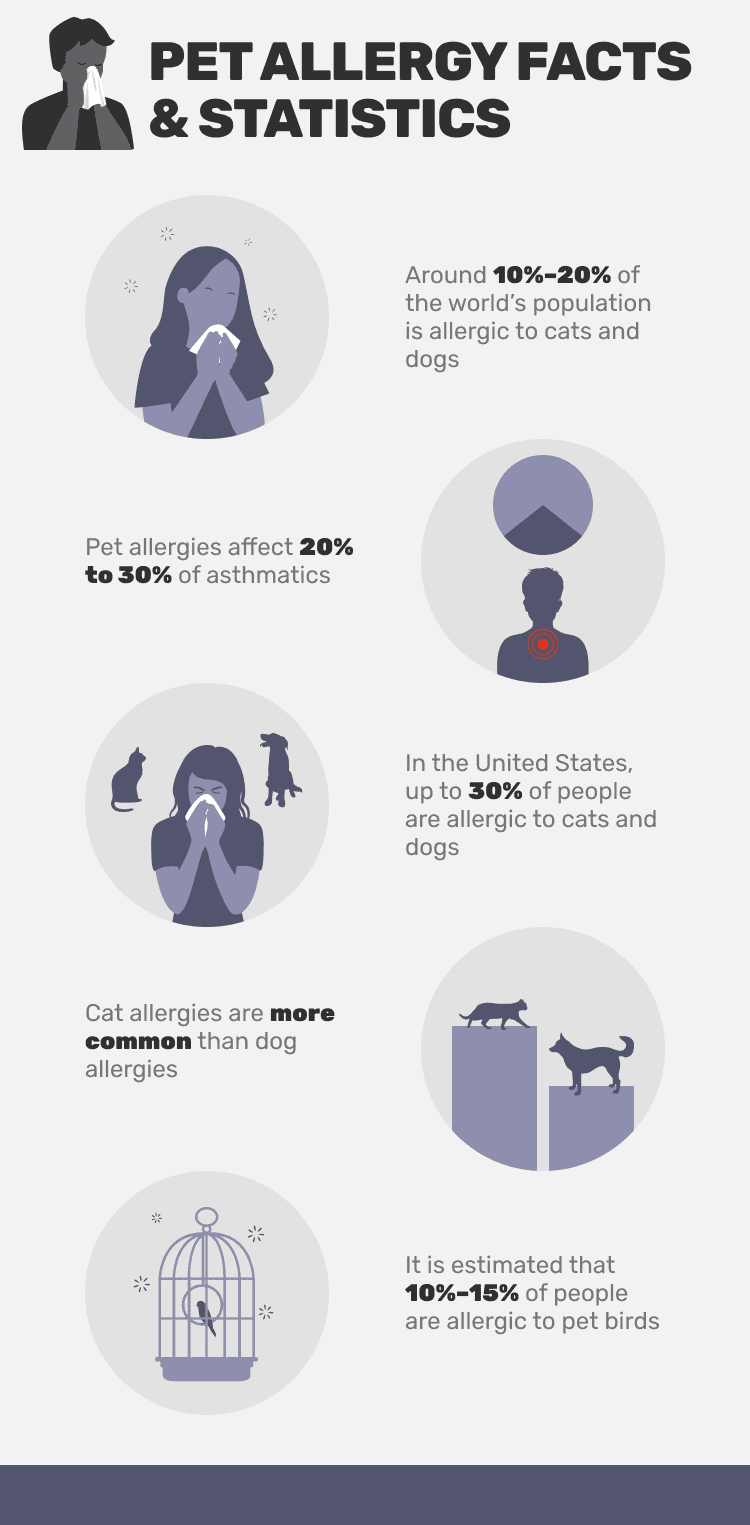
Globally, about 10% to 20% of people have cat allergies. This is a notable percentage of the population. The number varies across different regions. In the United States, nearly 10% of people are allergic to cats. In Europe, similar statistics are observed. Cat allergies are less common in regions where cats are not household pets.
Demographic Variations
Cat allergies occur in both children and adults. They are more common in adults than in children. Men and women are equally affected. People with other allergies are more likely to have cat allergies. Those with asthma or hay fever may also experience more severe reactions.
Factors Influencing Allergies
Allergies can often seem like a mysterious ailment, with symptoms varying widely from person to person. Understanding what influences cat allergies specifically can help you manage them better. Let’s explore the key factors that contribute to allergic reactions to cats.
Genetic Predisposition
Your family history can play a significant role in your likelihood of developing allergies. If your parents or siblings are allergic to cats, you might be at higher risk. It’s almost like inheriting a set of traits; some people are just more prone to allergies.
Imagine growing up in a home where everyone sneezes when a cat walks by. You might notice similar symptoms as you grow older. This genetic link is one reason why allergies sometimes seem to run in families.
However, having a genetic predisposition doesn’t guarantee you’ll be allergic. It’s one of many factors that might affect your sensitivity to allergens.
Environmental Influences
The environment where you spend most of your time can impact your allergic reactions to cats. If you live in a home with multiple cats, the concentration of allergens like pet dander might be higher. This can trigger symptoms more frequently.
Consider the air quality in your home. Poor ventilation or high humidity can exacerbate allergy symptoms. Using air purifiers or maintaining good ventilation might help reduce allergen exposure.
Think about your outdoor environment too. If you’re frequently exposed to pollen, dust, or other allergens, your immune system might become more reactive overall, heightening your response to cat allergens.
Are you curious about how these factors play out in your life? Have you noticed any patterns or triggers related to your allergies? Understanding these nuances can empower you to manage your symptoms more effectively.
Credit: www.dogster.com
Symptoms Of Cat Allergies
Around 10% of people experience cat allergies, showing symptoms like sneezing and itchy eyes. These allergic reactions occur due to proteins in cat saliva, skin, and dander.
Cat allergies affect many people worldwide. These allergies can cause various symptoms. Understanding these symptoms is crucial for managing allergies. People with cat allergies may experience discomfort. This can impact their daily lives. Let’s explore the common symptoms of cat allergies.Respiratory Symptoms
Cat allergies often lead to respiratory issues. Common signs include sneezing and a runny nose. Some people may experience coughing. Wheezing is another frequent symptom. Breathing can become difficult at times. These symptoms resemble those of a cold. They can persist as long as exposure continues. This makes it hard to pinpoint the cause.Skin Reactions
Cat allergies can affect the skin too. Itching is a common complaint. Redness may appear in affected areas. Some people develop hives or rashes. These skin reactions can be uncomfortable. They may worsen with scratching. Skin reactions usually appear quickly. Identifying them early helps in managing discomfort.Managing Cat Allergies
Studies show that about 10% of people are allergic to cats. Managing cat allergies involves reducing exposure and improving air quality. Frequent cleaning helps keep allergens at bay.
Managing cat allergies can be challenging, especially for those who adore felines but struggle with the sneezes and sniffles they bring. It’s estimated that around 10% to 20% of people worldwide are allergic to cats. Despite this, many choose to live alongside these furry companions, finding ways to minimize their allergic reactions. With the right approach, you can enjoy the company of cats without compromising your well-being.Lifestyle Adjustments
Making changes to your daily routine can significantly reduce allergy symptoms. Start by designating cat-free zones in your home, such as your bedroom. This space becomes a sanctuary where you can breathe easier. Vacuuming frequently with a HEPA filter-equipped vacuum can help capture pet dander and allergens. Consider removing carpeting, which can trap allergens, and opt for hardwood floors or tiles. Personal experience shows that washing your hands after petting your cat and avoiding touching your face can lessen reactions. What simple changes can you make today to improve your environment?Medical Treatments
Medication can be a vital part of managing cat allergies. Antihistamines, available over-the-counter, can relieve symptoms like sneezing and itching. Consult your doctor to find the best option for you. Allergy shots, or immunotherapy, provide a long-term solution by gradually desensitizing your immune system to allergens. It requires commitment but has proven effective for many. Nasal sprays can also help by reducing inflammation in your nasal passages. Do you feel overwhelmed by the choices? Your healthcare provider can guide you through these options to find what suits your lifestyle best. By understanding and implementing these strategies, you can coexist with cats without constant discomfort. It’s all about finding a balance that allows you to enjoy your furry friend’s companionship.Living With Cats Despite Allergies
Around 10% of people suffer from cat allergies, yet many still choose to live with them. Strategies like regular cleaning and using air purifiers can help manage symptoms.
Living with cats can be challenging for those with allergies. Yet, many cat lovers choose to coexist with these furry companions despite the sneezes and sniffles. Understanding allergy-friendly breeds and practical tips can help minimize symptoms. This means enjoying the company of cats without constant discomfort.Allergy-friendly Breeds
Some cat breeds produce fewer allergens. These breeds can be better for allergy sufferers. The Siberian cat is known for lower allergen levels. Balinese cats also have a reputation for being hypoallergenic. The Russian Blue is another option. They have a dense coat that traps allergens. Consider these breeds if allergies are a concern. Choose wisely for a more comfortable home.Practical Tips For Cat Owners
Keep your home clean to reduce allergens. Vacuum regularly using a HEPA filter. Wash your hands after petting your cat. This prevents allergens from spreading. Create cat-free zones in your home. Your bedroom is a good place to start. Use air purifiers to keep the air clean. Bathe your cat once a week to reduce dander. Consult a vet for the best bathing products. These steps can help manage allergies. Enjoy your cat’s company with less discomfort.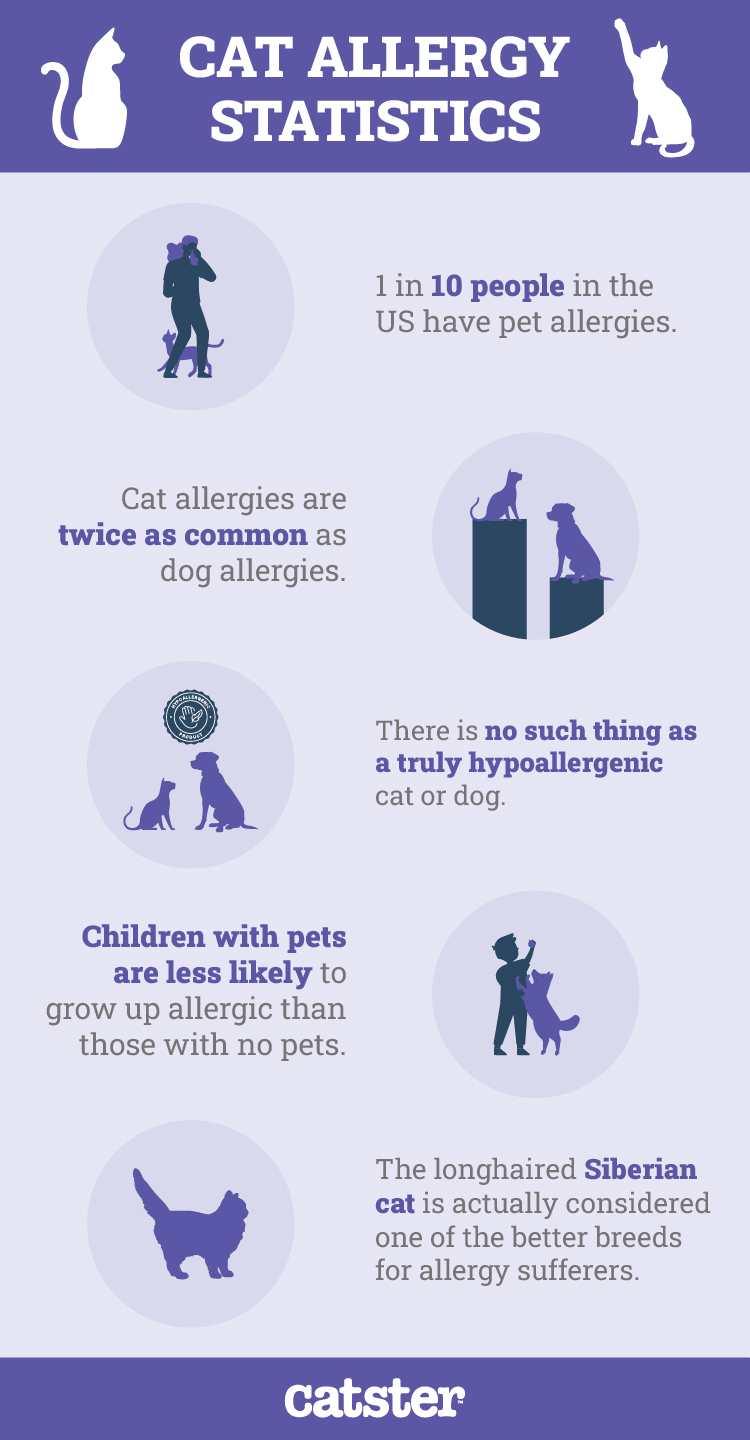
Credit: www.catster.com
Frequently Asked Questions
What Percent Of Humans Are Allergic To Cats?
Approximately 10% of humans are allergic to cats. This condition is due to proteins found in cat saliva, skin, and dander. Allergies can cause symptoms like sneezing, runny nose, and itchy eyes. Consult a doctor for proper diagnosis and treatment if you suspect a cat allergy.
Why Is Cat Allergy So Common?
Cat allergies are common due to the protein Fel d 1 in their saliva, skin, and dander. This allergen spreads easily and lingers in the environment, triggering allergic reactions in sensitive individuals. Frequent exposure to cats increases the likelihood of developing allergies.
What Is The Top 10 Rarest Allergy?
The top 10 rarest allergies include water, sunlight, vibrations, cold temperatures, exercise, red meat, semen, nickel, tattoos, and coffee allergies. These uncommon allergies can cause unique and sometimes severe reactions in affected individuals. Proper diagnosis and management are essential for living with these rare conditions.
How Rare Is It To Be Allergic To Cat Fur?
Allergy to cat fur is relatively common. About 10% of people are allergic to household pets. Cat allergens come from skin, saliva, and urine, not fur itself. It’s important to consult an allergist for proper diagnosis and management. Reducing exposure can help minimize symptoms.
Conclusion
Understanding cat allergies helps us navigate pet ownership. Many people love cats but can’t live with them. Allergies affect daily life and choices. Knowing allergy stats aids informed decisions. It helps in managing allergies effectively. Pet owners find ways to coexist with their feline friends.
Allergy tests can offer clarity. They guide us on how to proceed. Awareness of cat allergies fosters better living choices. It promotes harmony between humans and pets. Stay informed for a healthier home environment. Embrace knowledge for happier living with cats.
Knowledge empowers us in making pet choices.