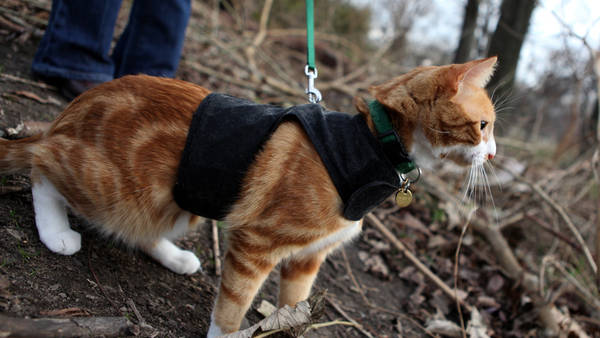
How to Train Cat to Walk on Leash: Expert Tips
Imagine enjoying the outdoors with your furry feline by your side, exploring the world just as a dog would. It’s not just a dream—it can be your reality.
Training your cat to walk on a leash is easier than you might think. This skill opens up a new world of adventures and strengthens the bond between you and your cat. You’re about to discover the secrets to making leash training a fun and rewarding experience for both you and your pet.
Dive in, and see how your indoor cat can transform into a confident explorer.
Choosing The Right Leash And Harness
Training your cat to walk on a leash can be rewarding. The key to success lies in choosing the right leash and harness. A proper fit ensures your cat’s safety and comfort. It also makes the experience enjoyable for both of you. Let’s explore the options available for harnesses and leashes.
Types Of Harnesses
There are three main types of cat harnesses. The H-harness is a simple design with adjustable straps. It offers basic security for short walks. The vest harness wraps around your cat’s body. It provides more control and comfort. The figure-eight harness is a loop design. It adjusts easily but may not fit all cats.
Types Of Leashes
Leashes come in various styles and lengths. A standard leash is a fixed length, usually 4 to 6 feet. It gives consistent control. Retractable leashes extend and retract with ease. They offer more freedom for your cat. Bungee leashes have elastic sections. They absorb sudden pulls for added safety.
Fitting The Harness
A proper fit is crucial for your cat’s comfort. Measure your cat’s chest and neck. Use these measurements to choose the right size. The harness should be snug, not tight. You should fit two fingers between the harness and your cat. Adjust the straps for a secure fit. Always check for any signs of discomfort.

Credit: www.youtube.com
Getting Your Cat Comfortable
Training your cat to walk on a leash might seem like an unusual idea, but it can open up a world of exploration for both you and your feline friend. The first step to success is getting your cat comfortable with the idea. Cats are naturally cautious creatures, and introducing new experiences requires patience and gentle guidance. Your aim is to make the process enjoyable for them while ensuring their safety. Let’s dive into how you can achieve that.
Introducing The Gear
Start by selecting the right gear for your cat. A harness is typically more secure than a collar, giving you better control while keeping your cat safe.
Place the harness near your cat’s favorite spot. Allow them to sniff and investigate it without pressure.
Gradually introduce the leash by letting them play with it. You want them to see the gear as part of their environment.
Positive Reinforcement
Reward your cat every step of the way. Positive reinforcement is key to making leash training a fun activity.
Use treats or affection whenever your cat interacts with the harness or leash. This builds a positive association.
Do not rush. Celebrate small victories, like your cat allowing you to put the harness on them.
Indoor Practice Sessions
Begin with indoor practice sessions. Your home is a safe space where your cat feels secure.
Walk around rooms with your cat on the leash, letting them explore at their own pace.
Keep sessions short to avoid overwhelming your cat. Gradually increase duration as they become more comfortable.
Training your cat to walk on a leash requires patience and empathy. Have you ever wondered how a simple harness could change your cat’s world? By encouraging their curiosity and rewarding their efforts, you can create a new adventure for both of you.
Building Trust And Confidence
Training a cat to walk on a leash builds trust and confidence. Start indoors with a comfortable harness. Gradually introduce outdoor walks, ensuring a stress-free experience.
Training a cat to walk on a leash requires patience and understanding. The key is building trust and confidence. Cats are naturally wary of new experiences. A gradual approach helps them feel secure. This process strengthens your bond with your feline friend. Creating a safe environment and rewarding calm behavior are important steps.Creating A Safe Environment
Start by choosing a quiet place indoors. Avoid loud noises and sudden movements. This space should be familiar to your cat. Introduce the leash and harness slowly. Let your cat sniff and explore them. Use treats to encourage curiosity. Positive associations make the process smoother. Ensure the harness fits well, not too tight or loose. A comfortable fit boosts confidence. Practice clipping and unclipping the harness. This reduces fear and builds trust. Keep sessions short to maintain interest.Rewarding Calm Behavior
Praise your cat for being calm. Use treats to reinforce good behavior. Calmness is a sign of trust. Speak softly and gently to your cat. A soothing voice reassures them. Always reward after a calm action. This builds positive connections in their mind. Avoid punishing or scolding. Negative reactions increase anxiety. Patience is key to success. Celebrate small victories during training. Each step forward is progress. By focusing on trust and confidence, your cat will enjoy leash walking.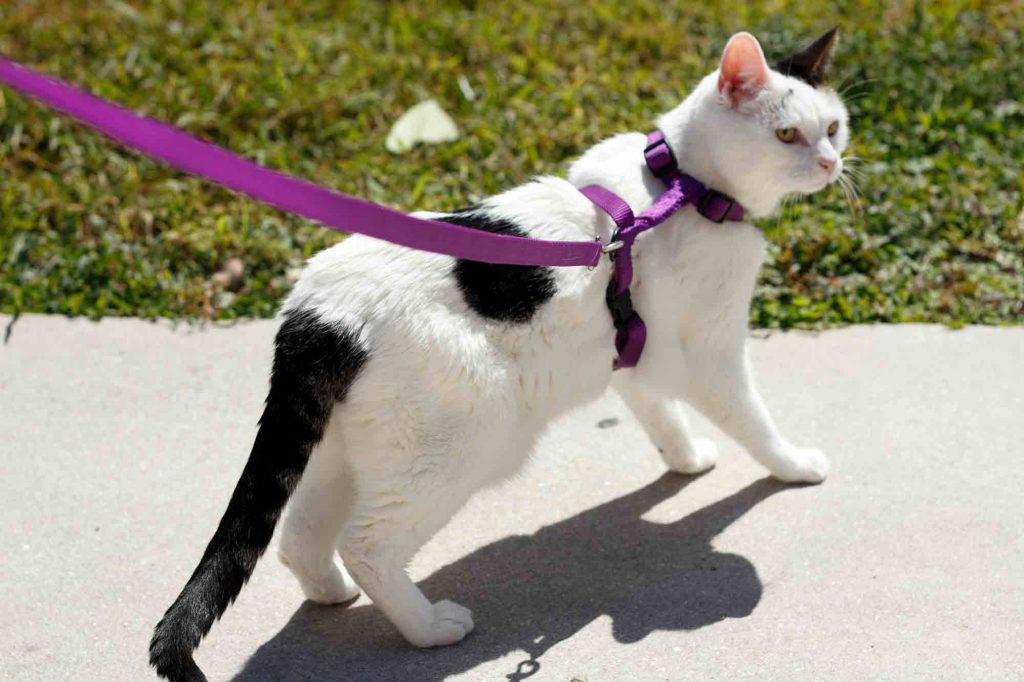
Credit: www.lonetreevet.com
Starting With Short Walks
Introduce your cat to a leash gradually, starting with short walks indoors. Allow the cat time to adapt to the new experience. Keep the environment calm and inviting to make the process enjoyable for both you and your pet.
Training your cat to walk on a leash can be a rewarding experience for both of you. Starting with short walks is crucial to ensuring your feline friend feels comfortable and confident. Gradual exposure helps reduce stress and builds a positive association with leash walking. It’s important to be patient and observant during these initial outings. You might be surprised at how your cat’s personality shines through during this process.Choosing The Right Location
Selecting the perfect spot for your cat’s first walk can make all the difference. Opt for quiet areas with minimal distractions, like your backyard or a nearby park during less busy times. Avoid locations with loud noises or crowds, which can overwhelm your cat. Think about your cat’s comfort—are there trees to climb or grass to explore? These elements can make the experience more enjoyable for them.Monitoring Your Cat’s Reaction
Pay close attention to your cat’s body language and behavior. Are they curious and eager, or do they seem anxious and hesitant? A wagging tail or bright eyes might indicate excitement, while crouching or dilated pupils could signal fear. Adjust your approach based on their reactions. If they seem stressed, shorten the walk or offer treats to create positive reinforcement. Your observation skills are key in building a trusting relationship during these walks.Gradually Increasing Distance
Once your cat is comfortable with short walks, start increasing the distance gradually. Consider how far your cat is willing to explore. Each walk should be slightly longer than the last, but always end on a positive note. If your cat is enjoying the stroll, add a few more steps each time. Have you ever noticed how cats like to take their time? Respect their pace and let them lead the way. Patience and encouragement can turn these short walks into delightful adventures for both of you.Handling Challenges
Teaching a cat to walk on a leash can be tricky. Start indoors with a comfortable harness. Gradually increase outdoor time, ensuring a safe environment. Patience is key for success.
Training a cat to walk on a leash can be an exciting adventure, but it does come with its own set of challenges. Cats are naturally independent creatures, and adjusting to the constraints of a leash might not come easily to them. However, with patience and a few clever strategies, you can help your feline friend enjoy the outdoors safely.Dealing With Resistance
Resistance is a common reaction when you first introduce your cat to a leash. Your cat might tug, pull, or simply refuse to move. It’s important to remain calm and patient. Encourage your cat with gentle words and treats. Have you considered practicing indoors first? This can help your cat get used to the leash without the stress of the outside world. Gradually increase the time your cat spends wearing the leash indoors. Remember, persistence is key.Managing Outdoor Distractions
Once your cat feels comfortable with the leash indoors, it’s time to take the adventure outside. Outdoor distractions like birds, cars, or even other animals can be overwhelming for your pet. Keep your walks short initially, allowing your cat to slowly acclimate to the new environment. Use treats and toys to maintain your cat’s focus. If your cat seems nervous or scared, give them time to adjust before moving forward. Have you tried walking during quieter times of the day? This can reduce the overwhelming stimuli and make the experience more pleasant. Training your cat to walk on a leash is not just about teaching them to follow you; it’s about understanding their needs and pace. What other challenges have you faced with your cat’s leash training?Safety Tips For Leash Walking
Training your cat to walk on a leash can be safe and fun. Start indoors, letting your cat get used to the harness. Gradually introduce outdoor walks, ensuring the area is secure and free from traffic.
Taking your cat for a walk on a leash can be an enriching experience for both you and your feline friend. However, ensuring their safety is paramount. A well-prepared leash walk not only prevents accidents but also helps your cat feel more at ease in an unfamiliar environment. Let’s discuss some essential safety tips for leash walking your cat, ensuring every step is enjoyable and secure.Recognizing Stress Signals
Understanding how your cat communicates stress is crucial. Cats often show signs of anxiety through actions like tail flicking, dilated pupils, or excessive meowing. If you notice these signals, it’s best to pause and give your cat a moment to relax. Once during a walk, my cat Luna froze, her ears flat against her head—clearly overwhelmed. A short break in a quiet spot worked wonders to calm her nerves. Keep an eye on your cat’s body language. Are they panting or hiding behind you? These might be signs to retreat to a more familiar space or end the walk for the day.Avoiding Common Hazards
Outdoor environments can be unpredictable, so it’s essential to stay vigilant. Watch out for things like broken glass, aggressive dogs, or toxic plants. Once, while walking Luna, we encountered a busy road unexpectedly. I quickly picked her up to avoid any potential danger. Always be prepared to carry your cat if necessary. Consider using a short leash to maintain better control. This can help you guide your cat away from hazards swiftly. Also, avoid walking during peak traffic hours or in areas with loud noises. By paying attention to these details, you’re not just ensuring your cat’s safety, but also making leash walking a delightful activity. What’s your biggest concern when walking your cat on a leash?
Credit: www.youtube.com
Frequently Asked Questions
Can A Cat Be Trained To Walk On A Leash?
Yes, cats can be trained to walk on a leash. Start with a comfortable harness and gradually introduce the leash indoors. Use positive reinforcement, like treats, to encourage them. Patience and consistency are key for successful leash training. Always ensure the cat feels safe during the process.
Is It A Good Idea To Walk Your Cat On A Leash?
Walking your cat on a leash can be a good idea. It provides exercise and mental stimulation. Ensure your cat is comfortable with the harness. Start indoors before venturing outside. Always prioritize your cat’s safety and comfort.
Is It Too Late To Teach My Cat To Walk On A Leash?
It’s never too late to teach your cat to walk on a leash. Begin gradually, using positive reinforcement. Ensure your cat is comfortable with the harness first. Patience and consistency are key. Many older cats can learn this skill with time and practice.
Enjoy the outdoor adventures together!
How Do You Train A Cat To Go Outside And Not Run Away?
Start with leash training indoors. Gradually introduce outdoor visits with supervision. Reward calm behavior and set boundaries. Ensure your cat feels safe and secure outside. Always use a collar with ID and microchip for added safety.
Conclusion
Training a cat to walk on a leash takes patience. Start slow and be consistent. Your cat needs time to adjust. Use positive reinforcement to encourage progress. Treats work wonders for motivation. Regular practice builds confidence and trust. Celebrate small victories and stay patient.
A leash-trained cat can explore safely outdoors. Enjoy walks and bond with your furry friend. Remember, every cat is unique. Tailor your approach to suit their needs. Happy walking!