Is Feline Aids Contagious to Other Cats? Uncover Facts
Are you worried about the health of your beloved feline friend? Feline AIDS, or FIV (Feline Immunodeficiency Virus), is a topic that raises many questions among cat owners.
You’ve probably heard whispers at the vet’s office or on pet forums about its contagious nature. But is it really something you should be concerned about? Understanding FIV is crucial to ensuring your cat leads a healthy and happy life.
We’ll dive deep into whether Feline AIDS is contagious to other cats and what you can do to protect your furry companion. Stick with us to uncover the facts and myths surrounding this condition, so you can make informed decisions for your pet’s well-being.

Credit: www.forsythpets.org
Understanding Feline Aids
Feline AIDS spreads easily among cats through bites. It weakens their immune system, making them prone to infections. Owners should keep infected cats indoors to prevent transmission.
Understanding Feline Aids When I first heard about Feline Aids, I was a bit taken aback. You might feel the same way. It sounds alarming, doesn’t it? But understanding this condition is crucial for every cat owner. Feline Aids, also known as Feline Immunodeficiency Virus (FIV), affects the immune system of cats, making them more susceptible to infections. Many cat owners wonder if it’s contagious and how it impacts their feline friends. Let’s dive into the details.What Is Feline Aids?
Feline Aids is caused by a virus similar to the one that causes HIV in humans. However, rest assured, it’s specific to cats and cannot be transmitted to humans or other animal species. The virus attacks the immune system, weakening the cat’s ability to fight off other infections. While it may sound daunting, many cats with FIV live long and healthy lives with proper care.Causes Of Feline Aids
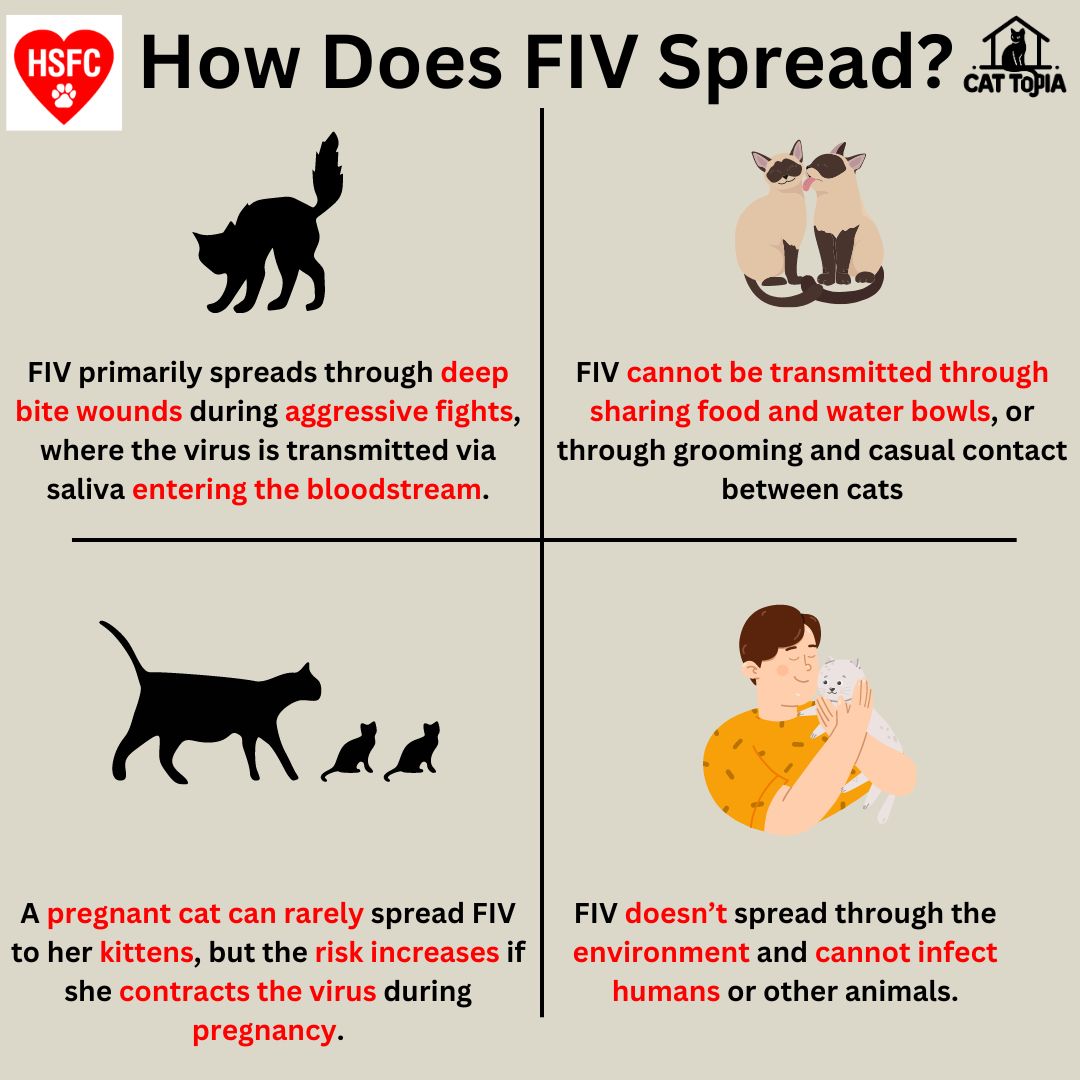
Feline Aids spreads primarily through bite wounds. This is why outdoor cats, especially males who are more prone to fights, are at higher risk. It can also be transmitted from a mother cat to her kittens during birth or through her milk. However, casual contact like grooming or sharing food bowls is unlikely to spread the virus.Symptoms In Cats
Recognizing symptoms early can make a significant difference. Cats with FIV may not show signs for years, but as the disease progresses, you may notice changes. Common symptoms include weight loss, recurrent fever, and inflamed gums. Your cat might also suffer from frequent infections, as their immune system becomes compromised. Taking note of these symptoms can help you provide timely care for your cat. Have you observed any of these signs in your feline friend? Consulting with a vet is always the best course of action. Understanding Feline Aids helps you make informed decisions about your cat’s health. With the right knowledge and care, you can ensure your furry companion remains happy and healthy.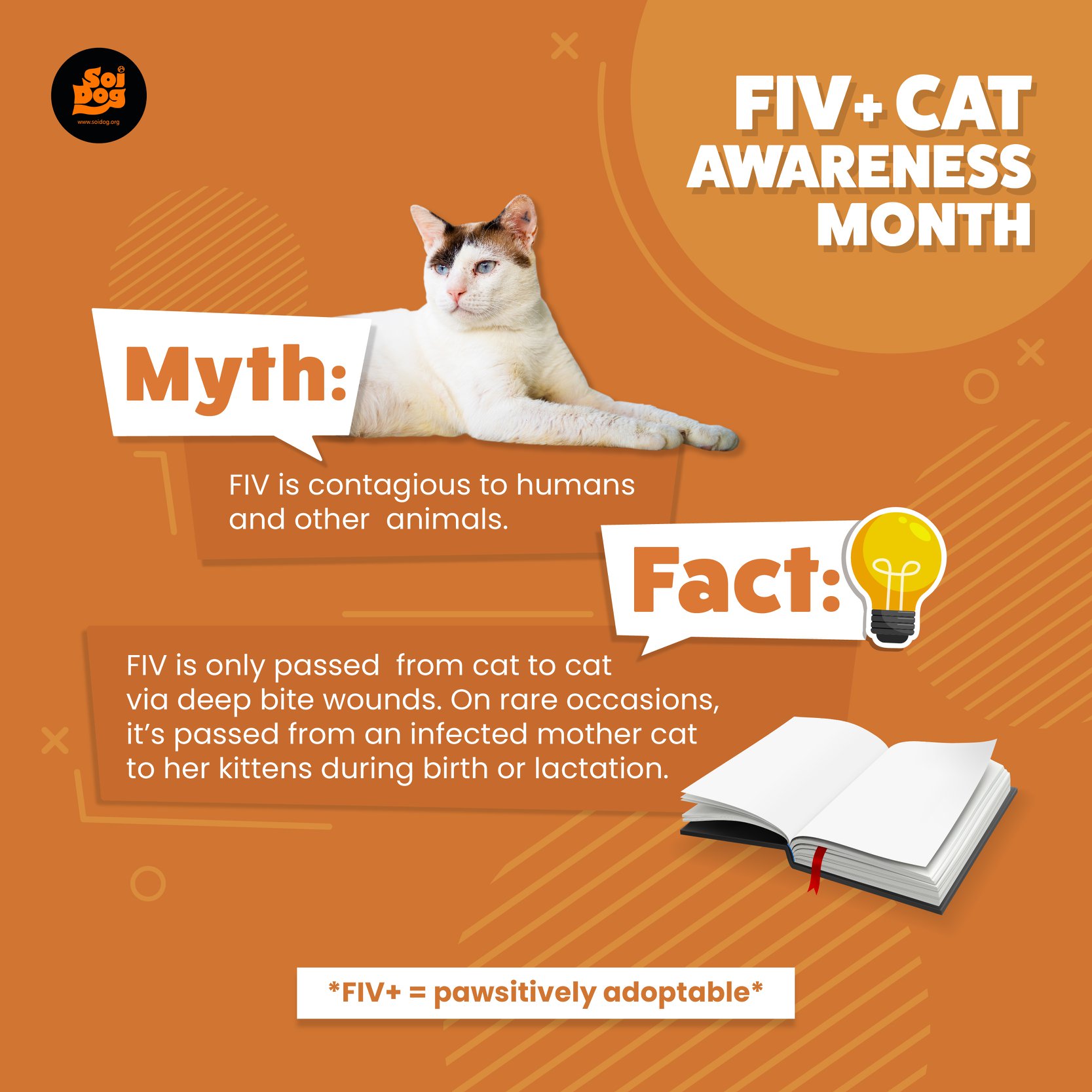
Credit: m.facebook.com
Transmission Among Cats
Feline Immunodeficiency Virus (FIV), commonly known as Feline AIDS, affects many cats worldwide. Understanding how it spreads is crucial for cat owners. This virus impacts a cat’s immune system, making them vulnerable to infections. Knowing the transmission methods can help in preventing its spread among cats.
How Feline Aids Spreads
Feline Aids spreads primarily through bites. Infected cats may bite others during fights. This is the most common transmission method. Saliva from an infected cat can carry the virus. Friendly grooming or sharing food bowls rarely spreads the virus. Mother cats can also pass it to kittens. This happens during birth or through nursing.
Risk Factors For Transmission
Outdoor cats face higher risks. They may encounter more aggressive cats. These encounters increase the chance of bites. Unneutered male cats have a higher risk. They tend to fight more often. Stray or feral cat populations also have higher infection rates. Keeping cats indoors reduces these risks significantly.
Common Misconceptions
Many believe Feline Aids spreads like human HIV. This is not true. Casual contact does not spread FIV. Sharing litter boxes, beds, or playing together is usually safe. Some think all infected cats show symptoms. Many remain healthy for years. Understanding these misconceptions helps in managing fear and stigma.
Preventing Feline Aids
Feline Aids spreads easily among cats through bites and deep scratches. Keeping cats indoors reduces the risk. Vaccination and regular vet check-ups also help in prevention.
Preventing Feline Aids is crucial for cat health. Feline Aids, caused by the Feline Immunodeficiency Virus (FIV), can spread among cats, affecting their immune systems. Understanding preventive measures helps protect your feline friends from this disease. Implementing safety practices and managing infected cats plays a vital role in prevention.Vaccination And Protection
Vaccination is a key step in protecting cats. FIV vaccines can reduce the risk of infection. Consult a veterinarian for vaccination options. Not all vaccines cover every strain. Regular vet check-ups are essential for monitoring cat health. Vaccines should be part of a comprehensive health plan.Safe Practices For Cat Owners
Safe practices help minimize FIV transmission. Keep cats indoors to limit exposure to infected cats. Neutering or spaying reduces aggressive behavior, lowering the risk of bites. Avoid sharing food bowls between cats. Regular grooming prevents stress and strengthens immune systems.Managing Infected Cats
Managing infected cats requires special care. Separate infected cats from healthy ones to prevent transmission. Monitor their health closely for signs of illness. Provide a nutritious diet to support their immune system. Regular vet visits are necessary for treatment and management.Impact On Cat Communities
Feline AIDS spreads easily among cats through bites and shared bowls. This disease weakens their immune system, making them vulnerable. Cat communities face challenges in controlling its spread.
Feline Immunodeficiency Virus (FIV), commonly known as Feline AIDS, has a significant impact on cat communities. Understanding its contagious nature is crucial for cat owners and animal lovers. The virus primarily spreads through bites, making it a concern in environments where multiple cats interact closely.Social Dynamics In Multi-cat Homes
Managing a household with multiple cats can be challenging when FIV is a factor. Cats with FIV can live with non-infected cats, but supervision is key. Are your cats getting along, or is there tension that could lead to aggressive behavior and potential virus transmission? Behavioral changes may occur in infected cats, influencing group dynamics. If you notice a cat becoming more withdrawn or aggressive, it could be a symptom of FIV. You might need to adjust the environment to reduce stress and prevent fights.Role Of Shelters And Rescues
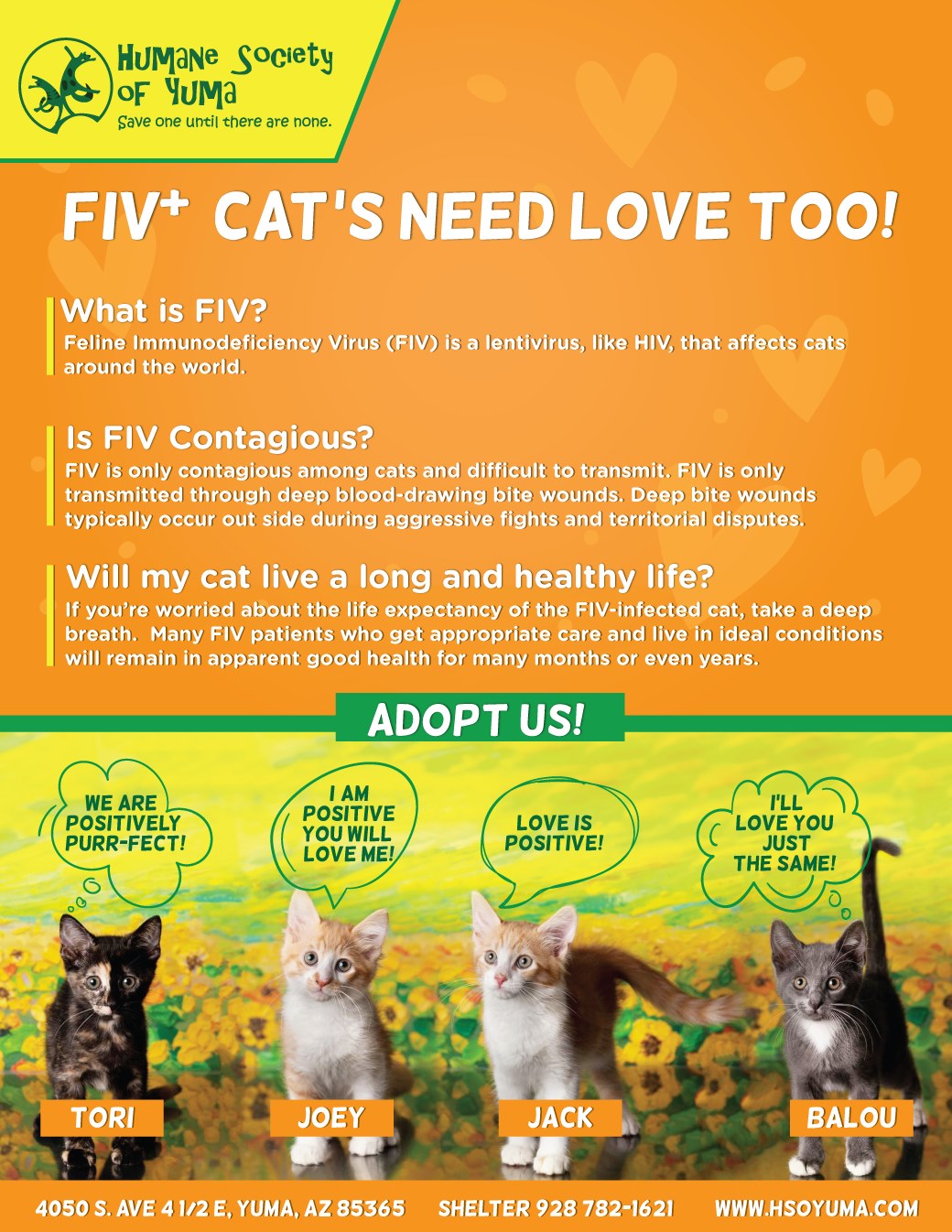
Shelters and rescues play a vital role in managing FIV-positive cats. They often separate infected cats to prevent the virus from spreading. However, this can lead to overcrowding and stress in FIV-positive areas. Some shelters have FIV-friendly policies that allow these cats to be adopted into homes with non-aggressive cats. This approach can help integrate FIV-positive cats into loving homes. How can more shelters adopt such practices to improve the lives of these cats?Community Awareness And Education
Raising awareness about FIV is essential for cat communities. Many people still misunderstand how the virus spreads and its impact. Educating your friends and family can help dispel myths and reduce stigma. Community workshops and online resources can provide valuable information. Consider organizing or attending events focused on FIV education. How can you contribute to spreading knowledge about FIV in your community? By understanding and addressing the impact of FIV, you can help create a safer, more informed environment for all cats.Recent Research And Developments
Recent research and developments in feline health are shedding new light on Feline Immunodeficiency Virus (FIV), commonly known as feline AIDS. Researchers are exploring the contagious nature of this condition among cats. The question of how FIV spreads and the risks it poses remains crucial for cat owners. Staying informed about recent findings can empower you to make better decisions for your feline friends.
Advancements In Treatment
Recent studies highlight promising advancements in treatment options for FIV. New antiviral drugs are showing effectiveness in reducing viral loads in infected cats. These medications aim to improve the quality of life and extend the lifespan of affected cats.
Veterinarians are also focusing on supportive care. Regular check-ups and a balanced diet can bolster a cat’s immune system, giving it a fighting chance against infections. Are you ensuring your cat receives the best care possible?
Future Directions In Feline Health
The future of feline health looks hopeful with ongoing research. Scientists are investigating genetic factors that may influence a cat’s susceptibility to FIV. Understanding these can lead to targeted treatments and preventive measures.
There’s a growing interest in developing a vaccine for FIV. While challenges remain, the progress made so far offers a glimpse of hope. Would you consider vaccinating your cat if it meant reducing the risk of FIV?
Staying informed about these developments can help you protect your cat’s health. Knowledge is your best tool in ensuring your cat leads a happy, healthy life. What steps will you take to keep your feline companion safe?
Credit: www.facebook.com
Frequently Asked Questions
Can A Cat With Feline Aids Live With Other Cats?
Cats with feline AIDS can live with others if all are friendly and spayed or neutered. Monitor their health closely.
How Long Will A Cat With Fiv Live?
Cats with FIV can live many years with proper care. Lifespan varies, often similar to non-infected cats. Regular vet visits and a healthy lifestyle are essential for longevity. Ensure a stress-free environment and good nutrition to support their immune system.
Can You Spread Fiv By Petting Cats?
No, you cannot spread FIV by petting cats. FIV, or Feline Immunodeficiency Virus, spreads through deep bite wounds. Petting does not transmit the virus. Always ensure cats are vaccinated and avoid fights to prevent FIV.
Can Feline Aids Spread Among Cats?
Yes, Feline Immunodeficiency Virus (FIV) can spread among cats, mainly through bites. The virus is transmitted through infected saliva entering a cat’s bloodstream. Casual contact like grooming or sharing food is less likely to spread FIV. Regular veterinary check-ups and keeping cats indoors can help prevent transmission.
Conclusion
Feline Aids spreads between cats through bites and close contact. Awareness is key. Keep your cats healthy with regular vet visits. Vaccination can help. Understanding how it spreads prevents infections. Protect your cats by managing their interactions. Limit contact with unknown or stray cats.
Healthy habits ensure a happier life for your feline friends. Educate yourself on symptoms. Quick action can save lives. A safe environment is essential. Love and care for your cats. They depend on you for protection. Stay informed and proactive in their health care.
Your efforts make a difference. Always prioritize their well-being.