Is Uri Contagious in Cats: Essential Facts Uncovered
Imagine this: You’re cuddling with your beloved feline friend, and suddenly, they sneeze. It’s adorable, but then it happens again, and again.
You start to wonder, could it be something more serious? Is it something that could affect your other pets, or even you? If you’ve ever asked yourself, “Is URI contagious in cats? ” You’re not alone. Understanding the health of your pet is crucial, and knowing whether a common condition like Upper Respiratory Infection (URI) is contagious can help you protect your furry family.
Stick around as we dive into what this means for you and your cat, and how you can ensure the best care possible.
Understanding Uri In Cats
Understanding URI in cats involves recognizing its contagious nature. Cats can easily spread upper respiratory infections through close contact, sharing food bowls, or sneezing. Keeping an infected cat isolated helps prevent the virus from affecting other pets.
Understanding Uri in Cats As a cat owner, you may have encountered the term “URI” and wondered what it means for your furry friend. Upper Respiratory Infections (URI) in cats can be as common as a cold in humans. Understanding URI is crucial to ensuring your cat stays healthy and happy.Definition And Symptoms
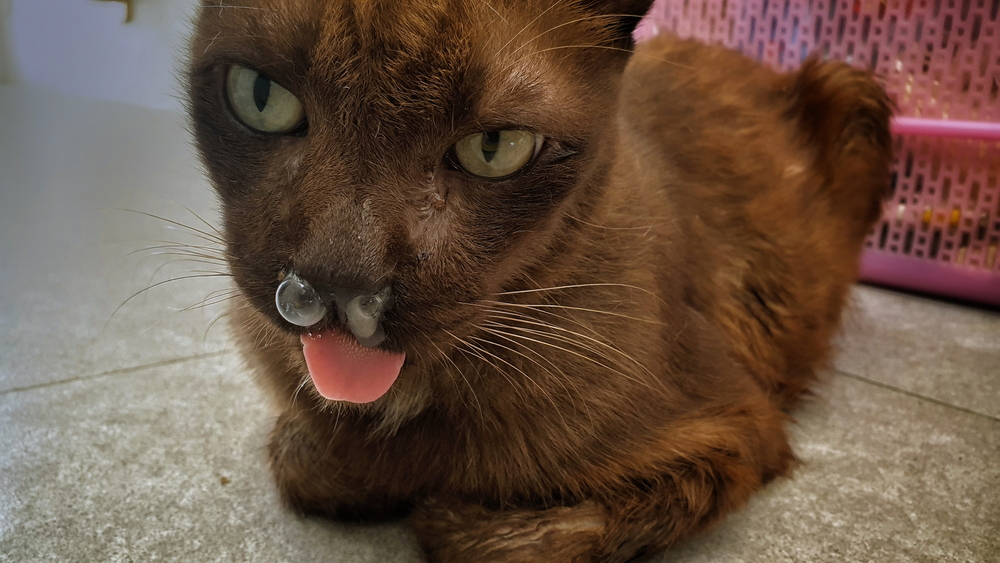
URI in cats is akin to the common cold in humans. It’s typically characterized by a combination of runny nose, sneezing, and watery eyes. You might notice your cat coughing or showing a lack of energy, which can be concerning. Some cats may also lose their appetite or develop a fever. Pay attention if your cat seems more withdrawn than usual. Recognizing these symptoms early can prevent complications.Causes And Risk Factors
Several viruses and bacteria can cause URI in cats. Feline herpesvirus and calicivirus are the most common culprits. These pathogens are highly contagious and can spread quickly among cats. Kittens and older cats are more susceptible due to their weaker immune systems. If your cat spends time in shelters or multi-cat households, the risk increases. Stress can also make your cat more vulnerable to infections. Think about the last time you caught a cold. Your cat experiences similar discomfort with a URI. How can you help prevent this in your pet’s environment?Transmission Of Uri
Understanding how Upper Respiratory Infections (Uri) spread in cats is crucial. These infections can easily pass between cats in close contact. Without proper care, Uri can quickly affect multiple cats in a household or shelter. Knowing the transmission methods helps in preventing outbreaks and protecting your feline friends.
How Uri Spreads
Uri spreads through direct contact with an infected cat. Sneezing, coughing, and grooming are common transmission methods. Shared food bowls and litter boxes can also spread the infection. Airborne droplets from a sneeze carry the virus across short distances. This makes enclosed spaces a risk for healthy cats.
Common Carriers
Cats in shelters or catteries are common Uri carriers. Stress from crowded environments weakens their immune systems, making them susceptible. Kittens and elderly cats face a higher risk due to weaker immunity. Cats with chronic health issues may also carry the infection more easily.
Diagnosis And Treatment
Uri in cats can spread easily through shared spaces, especially where multiple cats live. Diagnosis involves observing symptoms like sneezing and nasal discharge. Treatment typically includes antibiotics and supportive care to relieve discomfort.
Understanding how to diagnose and treat Upper Respiratory Infection (URI) in cats is crucial to ensuring your feline friend stays healthy. Many cat owners often wonder if URI is contagious and how they can manage the symptoms effectively. Let’s dive into the practical aspects of diagnosing and treating this common ailment.Diagnostic Methods
Diagnosing URI in cats involves more than just recognizing symptoms like sneezing or nasal discharge. A visit to the vet is essential. Your vet will likely conduct a physical exam and ask about your cat’s medical history. In some cases, blood tests or cultures might be necessary to identify the specific pathogens causing the infection. Have you ever wondered why your vet needs so much information? It’s to tailor the treatment to your cat’s needs effectively.Treatment Options
Once diagnosed, treatment for URI can vary. Antibiotics are commonly prescribed if a bacterial infection is present. Your vet may also recommend antiviral medications for viral infections. Supportive care is equally important. Ensure your cat is comfortable and hydrated. Consider setting up a humidifier to ease breathing. Do you remember a time when your cat snuggled up to a warm blanket? That comfort can be incredibly soothing during recovery. Diet plays a significant role too. Providing a nutritious, well-balanced diet boosts your cat’s immune system. Have you tried adding a bit of tuna to entice a sick cat to eat? Sometimes, a little flavor can make all the difference. Incorporating these treatment strategies can help your feline friend bounce back faster. URI can be tough, but with the right approach, you can manage it effectively. So, how will you support your cat through this journey?Prevention Strategies
Understanding how feline Upper Respiratory Infection spreads is key to prevention. Isolating infected cats helps reduce transmission. Regular cleaning and vaccinations are effective strategies.
Prevention Strategies Preventing Upper Respiratory Infection (URI) in cats is essential to keep your feline friend healthy and happy. URI can be uncomfortable for your cat and stressful for you. By implementing effective prevention strategies, you can minimize the risk of your cat contracting this contagious disease. Let’s explore some practical steps you can take to protect your furry companion.Vaccination
Vaccination is one of the most effective ways to prevent URI in cats. Consult your veterinarian about the core vaccines that protect against common feline viruses associated with URI. Regular booster shots are crucial to maintain your cat’s immunity. Your vet can tailor a vaccination schedule based on your cat’s specific needs and lifestyle. If you adopt a new cat, ensure they’re vaccinated before introducing them to your existing pets. This simple step can significantly reduce the risk of an outbreak in your home.Hygiene Practices
Good hygiene practices play a vital role in preventing the spread of URI. Regularly clean your cat’s litter box, food bowls, and water dishes. This helps eliminate potential sources of infection. Quarantine new or sick cats to prevent them from spreading the virus to healthy cats. Wash your hands thoroughly after handling a sick cat. This not only protects your other pets but also ensures you’re not inadvertently spreading germs. Have you ever noticed how much cats groom themselves? While they’re great at it, they still need your help to ensure their environment is clean. Consider setting a routine for cleaning shared spaces. Are there any practices you could improve to ensure your cat’s environment is as clean as possible? By focusing on vaccination and maintaining strict hygiene practices, you can effectively reduce the risk of URI in your cat. What steps will you take today to protect your feline friend?Living With Uri
Cats with Upper Respiratory Infections (URI) can spread the illness to other felines. These infections often pass through sneezes, shared food bowls, or grooming. Keeping infected cats separate helps prevent transmission.
Living with Upper Respiratory Infection (URI) in cats can be challenging, but it’s manageable with the right approach. URI, often likened to the common cold in humans, can make your feline friend feel under the weather. While your cat might not be able to tell you how they’re feeling, their behavior will speak volumes. Understanding and responding to these signs can make all the difference in their recovery and comfort.Managing Symptoms
The first step in living with URI in cats is symptom management. Cats with URI may exhibit sneezing, coughing, and nasal discharge. You might notice your cat avoiding their food due to a stuffy nose. Keep your home clean and free from irritants like smoke and dust. Using a humidifier can help ease their breathing, especially if you live in a dry climate. Warm up their food to enhance the smell, encouraging them to eat. Staying hydrated and nourished is crucial for their recovery.Supporting Your Cat
Support your cat emotionally and physically. Just like humans, cats need comfort when they’re sick. Spend extra time petting and talking to your cat. Your presence can be reassuring. Consider setting up a cozy spot with blankets and their favorite toys. This can be a safe haven where they can relax and recover. Think about how you can make their environment less stressful. Are there loud noises or other animals that might bother them? Reducing stress is key in helping them heal. Living with a cat affected by URI requires patience and empathy. How you respond can influence their recovery process. By focusing on symptom management and emotional support, you can help your feline friend feel better and bounce back quicker.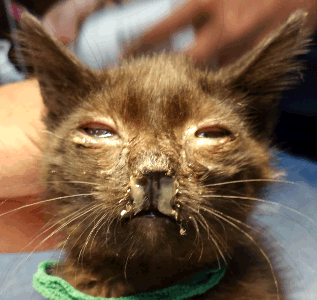
Credit: www.marvistavet.com
Common Myths And Misconceptions
Many believe that Upper Respiratory Infections (URI) in cats spread easily. Not all cases are contagious. Some infections result from stress or environment, not just germs. Understanding this can help in caring for your cat better.
Common Myths and Misconceptions Cat owners often worry about the health of their furry friends, especially when it comes to contagious diseases like Upper Respiratory Infections (URI). There’s a lot of misinformation floating around, making it hard to separate fact from fiction. Understanding these myths can help you make informed decisions about your cat’s health.Debunking Myths
Many believe that URI in cats is highly contagious to humans. This is not the case. While URI can spread easily among cats, it’s not something you can catch from them. Another common myth is that all cats with URI need antibiotics. This isn’t always true. Often, URI is viral, and antibiotics won’t be effective. Some cat owners think that once a cat has had URI, it won’t get it again. Unfortunately, a cat can experience multiple bouts of URI throughout its life.Understanding Real Risks
URI is indeed contagious among cats. If you have multiple cats, one infected cat can easily spread the infection to others. Keeping infected cats isolated can reduce this risk. Stress can make a cat more susceptible to URI. A stressed cat has a weaker immune system, making it easier for the virus or bacteria to take hold. Vaccination can help reduce the risk of URI. While it may not prevent all cases, it can lessen the severity and frequency of outbreaks. Have you ever wondered if your cat’s social habits affect its health? Cats that frequently interact with others are more likely to catch URI. Limiting unnecessary contact can be a protective measure. Understanding these myths and real risks can empower you as a cat owner. What steps will you take to keep your cat healthy and happy?Future Research Directions
Research in feline health explores if Upper Respiratory Infections (URI) spread among cats. Investigating transmission patterns and prevention methods is crucial. Understanding URI contagion could improve cat health and reduce outbreaks.
Exploring the future research directions for Upper Respiratory Infections (URI) in cats can provide valuable insights into better management and prevention strategies. New studies and potential breakthroughs are paving the way for improved understanding and treatment options. By staying informed about these advancements, you can better care for your feline friends.Emerging Studies
Recent research is focusing on identifying the specific pathogens responsible for URIs in cats. Scientists are exploring the genetic makeup of these pathogens to determine how they spread and adapt. Understanding this can help in developing more effective vaccines. Studies are also looking into the environmental factors that contribute to URI outbreaks. Factors like living conditions and exposure to other animals are being analyzed. This information can lead to practical changes in how you manage your cat’s environment.Potential Breakthroughs
One promising area is the development of new treatments that target the root cause of URIs rather than just the symptoms. These treatments could significantly reduce the duration and severity of infections. Imagine a world where your cat recovers faster with less discomfort. Another exciting prospect is the creation of a universal vaccine. This vaccine could protect against multiple strains of URI pathogens. Wouldn’t it be reassuring to know your cat is shielded from various infections with just one shot? As research progresses, the aim is not just to treat URIs but to prevent them altogether. What if you could take simple steps that drastically reduce your cat’s risk of getting sick? Keep an eye on these developments as they could transform the way you care for your pet. By engaging with these future research directions, you empower yourself with knowledge that can improve your cat’s health. Are you ready to embrace the advancements that could lead to healthier, happier lives for your feline companions?
Credit: www.paws.org
Credit: wesvet.com
Frequently Asked Questions
Can My Cat Give My Other Cat An Uri?
Yes, your cat can transmit a URI to another cat. Upper respiratory infections are contagious among cats. Ensure proper hygiene and isolate the infected cat to prevent spreading. Regular vet check-ups can help manage and reduce the risk of transmission.
How Do Indoor Cats Get An Uri?
Indoor cats can get URI from contaminated objects, other infected pets, or human contact. Viruses spread easily in shared environments. Stress, poor hygiene, and weak immunity increase their risk. Regular cleaning and limited exposure to strangers can help prevent infections.
How To Keep Uri From Spreading In Cats?
Isolate affected cats to prevent URI spread. Maintain hygiene by washing hands and disinfecting surfaces. Ensure vaccinations are up-to-date. Provide proper nutrition and reduce stress. Consult a vet for guidance and treatment.
How Long Does It Take For A Cat To Get Rid Of Uri?
Cats typically recover from a URI in 7 to 14 days. Ensure they receive proper care and hydration. Consult a vet for persistent symptoms or complications. Keep their environment clean and stress-free to aid recovery.
Conclusion
Understanding URI in cats is crucial for every cat owner. Respiratory infections can spread easily among cats. Regular vet visits help in early detection. Keep sick cats isolated to prevent spreading. Maintain a clean environment to reduce risks. Proper care and hygiene protect your cat’s health.
Watch for symptoms like sneezing and coughing. URI symptoms need quick attention. Always consult your vet for guidance. Your cat’s health is a priority. Stay informed and proactive. A healthy cat means a happy home.