Can I Use Vet’S Best for Dogs on Cats: Safety Guide
When it comes to caring for your beloved pets, you want nothing but the best. You might have come across Vet’s Best products for dogs and wondered if they can also be used on your feline friends.
This is a common question that many pet owners like you have. Understanding the safety and effectiveness of pet products is crucial in ensuring your pets remain healthy and happy. Imagine the peace of mind you would have knowing you’re using the right products for both your dog and cat.
But, can Vet’s Best for dogs truly be safe for cats? Your pets deserve tailored care, and finding the right solution can make all the difference. Dive into this article to uncover the truths, backed by expert insights, and ensure you’re making informed decisions for your furry companions.
Understanding Vet’s Best Products
Vet’s Best products are specifically formulated for dogs. Using them on cats isn’t recommended due to different needs. Always check product labels and consult your veterinarian before using any dog-specific products on cats.
Understanding Vet’s Best Products When it comes to caring for your furry family members, you might wonder if the same products can be used for both dogs and cats. Vet’s Best offers a range of products designed to meet the specific needs of pets. But can you safely use them interchangeably? Let’s take a closer look at what Vet’s Best has to offer and understand if these solutions are suitable for both your canine and feline companions.
Types Of Vet’s Best Products
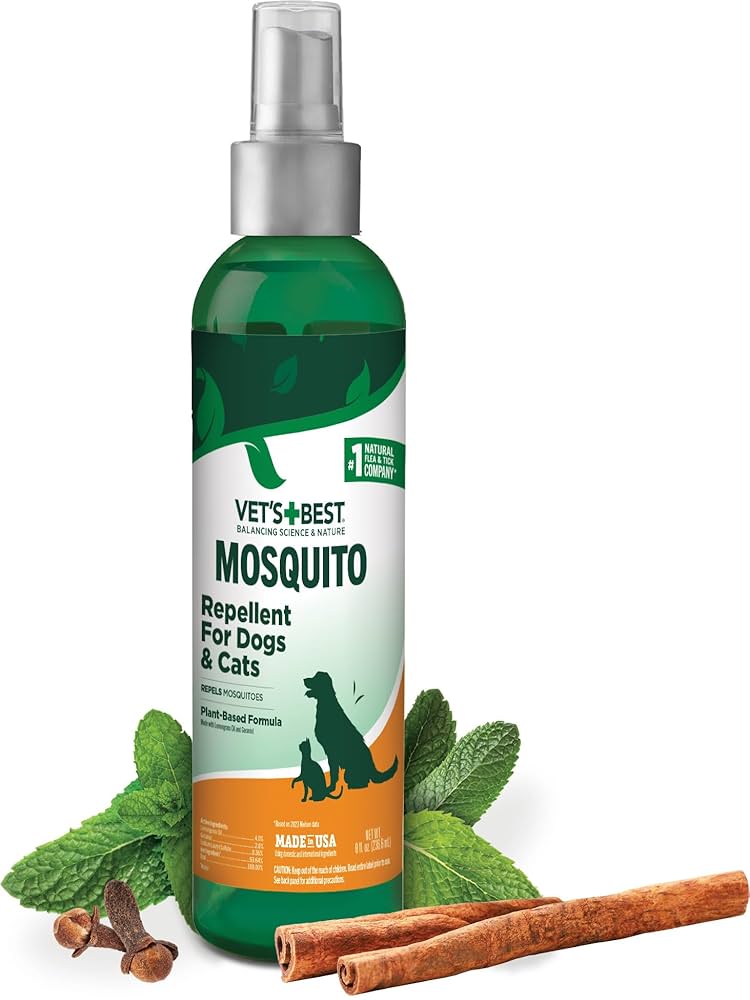
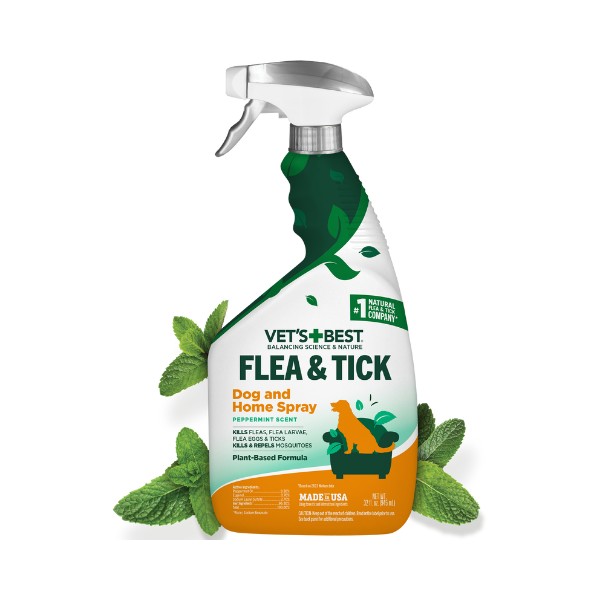
Vet’s Best provides a variety of products that cater to different pet health needs. These include flea and tick treatments, ear care solutions, and dental care products. Each product is formulated with your pet’s safety in mind, ensuring they effectively address common pet health issues. For instance, flea and tick sprays are a popular choice among dog owners. They are designed to repel and kill these pests without using harsh chemicals. However, when considering these for cats, it’s crucial to verify if the product label indicates safe usage for felines.
Common Ingredients Used
The ingredients used in Vet’s Best products are often derived from natural sources. Essential oils like peppermint, clove, and cedarwood are commonly found in their flea and tick treatments. These oils are known for their pest-repelling properties and pleasant scents. However, it’s important to recognize that some ingredients safe for dogs might not be suitable for cats. Cats have a unique metabolism that may react differently to certain essential oils. Always check the label and consult your vet if you’re unsure about a product’s safety for your cat. Have you ever noticed how your pets react differently to the same products? This is because their bodies process ingredients differently. Understanding these differences can help you make informed decisions about your pet care products. In your experience, have you found a product that works wonders for one pet but not the other? Share your stories and insights in the comments below! Your experiences could provide valuable guidance to fellow pet owners navigating similar challenges.
Credit: vetsbest.com
Differences Between Dogs And Cats
Understanding the differences between dogs and cats is crucial for pet care. Each species has unique needs and characteristics. These differences impact how they react to products like Vet’s Best. Using dog products on cats can be risky. Knowing these differences helps ensure safe product use.
Physiological Differences
Dogs and cats have different body structures. Cats are smaller and lighter than most dogs. Their skin has different pH levels compared to dogs. This affects how they absorb substances. Dogs and cats also metabolize ingredients differently. Their organs function at varied rates. This influences how they process chemicals.
Sensitivity To Ingredients
Cats are often more sensitive to certain ingredients than dogs. Their bodies react differently to chemicals. Some ingredients safe for dogs can harm cats. Cats have fewer enzymes to break down substances. This makes them more vulnerable to adverse reactions. Always check product labels for compatibility with cats.
Potential Risks For Cats
Using dog products on cats can pose significant risks. Cats have unique biological systems. Products safe for dogs may harm cats. Vet’s Best, a popular dog care brand, can be harmful if used on cats. Understanding the risks ensures your pet’s safety.
Toxic Ingredients For Cats
Some ingredients in dog products are toxic to cats. Essential oils, often found in pet care products, can be harmful. Cats lack certain liver enzymes to process these oils. Contact with such ingredients can lead to serious health issues.
Permethrin, a common pesticide in dog products, is also dangerous. Cats are highly sensitive to permethrin. Even small amounts can cause severe reactions or death. Always check product labels before use.
Signs Of Adverse Reactions
Cats may show various signs after exposure to toxic ingredients. Vomiting and drooling are common initial symptoms. You might notice your cat shaking or having difficulty breathing. These signs suggest a serious reaction.
Loss of appetite and lethargy can also occur. If you see these signs, seek veterinary help immediately. Early treatment improves chances of recovery.

Credit: www.amazon.com
Safe Alternatives For Cats
Vet’S Best for dogs isn’t safe for cats. Cats need products specifically designed for their unique needs. Always choose cat-safe alternatives for their health.
When considering the health and happiness of your feline friend, it’s crucial to choose products specifically designed for cats. While Vet’s Best products are popular for dogs, they might not be safe for cats due to differing physiological needs and reactions. Cats are sensitive creatures and what works for a dog may not necessarily be safe for a cat. So, what are the safe alternatives for your cat’s wellness?
Recommended Cat-specific Products
Always opt for products labeled specifically for cats. Brands like Feliway, known for its calming pheromones, can ease stress in cats without harmful effects. Another option is Revolution, a reliable flea treatment for cats. These products are formulated to suit feline needs and are usually tested for safety. It’s easy to assume that what’s effective for dogs will be equally effective for cats. However, this assumption can lead to dangerous results. Make sure you read labels carefully and consult your vet when in doubt.
Natural Remedies For Cats
Nature has its way of offering gentle care for your cat. Some cat owners swear by the soothing effects of chamomile tea. You can brew the tea, let it cool, and apply it to your cat’s skin to alleviate minor irritations. Another natural remedy is coconut oil, which can help with dry skin and hairballs. Offer small amounts or rub a little on your cat’s coat to promote a healthy shine. It’s fascinating how simple household items can provide relief for your cat. But always remember, moderation is key. Overuse can lead to complications, so observe your cat’s reactions closely. Do you have any natural remedies that have worked wonders for your cat? Sharing experiences can help others find effective solutions too.
Consulting A Veterinarian
Ensuring the safety of your pets is crucial. Before using any product, consult a veterinarian. This advice applies when considering Vet’s Best for cats. A veterinarian can provide guidance tailored to your pet’s needs.
Veterinarians have the expertise to determine safe products for different animals. Not all dog products are safe for cats. Cats have unique health requirements. A veterinarian can assess these needs.
Importance Of Professional Advice
Professional advice is essential for pet health. Vets understand animal biology and chemistry. They know how products affect different species. A wrong product can harm your cat.
Seek a veterinarian’s advice to avoid potential risks. Vets can offer alternatives if Vet’s Best is unsuitable for cats. Rely on their knowledge to ensure your pet’s safety.
What To Ask Your Vet
Prepare questions for your vet visit. Ask if Vet’s Best is safe for cats. Inquire about ingredients that might harm them. Discuss your cat’s specific health needs.
Request a list of recommended products for cats. Understand the reasons behind their suggestions. Your vet can explain product effects on cats. This information ensures informed decisions.
Credit: vetsbest.com
Preventive Measures
Vet’S Best is formulated for dogs, not cats. Using it on cats might lead to adverse reactions. Always check labels and consult a veterinarian before applying any product meant for a different species.
Preventive measures are essential for keeping your furry friends healthy and happy. You might wonder if a product like Vet’s Best, known for its effectiveness on dogs, can be used on cats. Understanding preventive measures can help ensure the safety and well-being of all your pets. Let’s explore some practical steps you can take.
Regular Health Checks
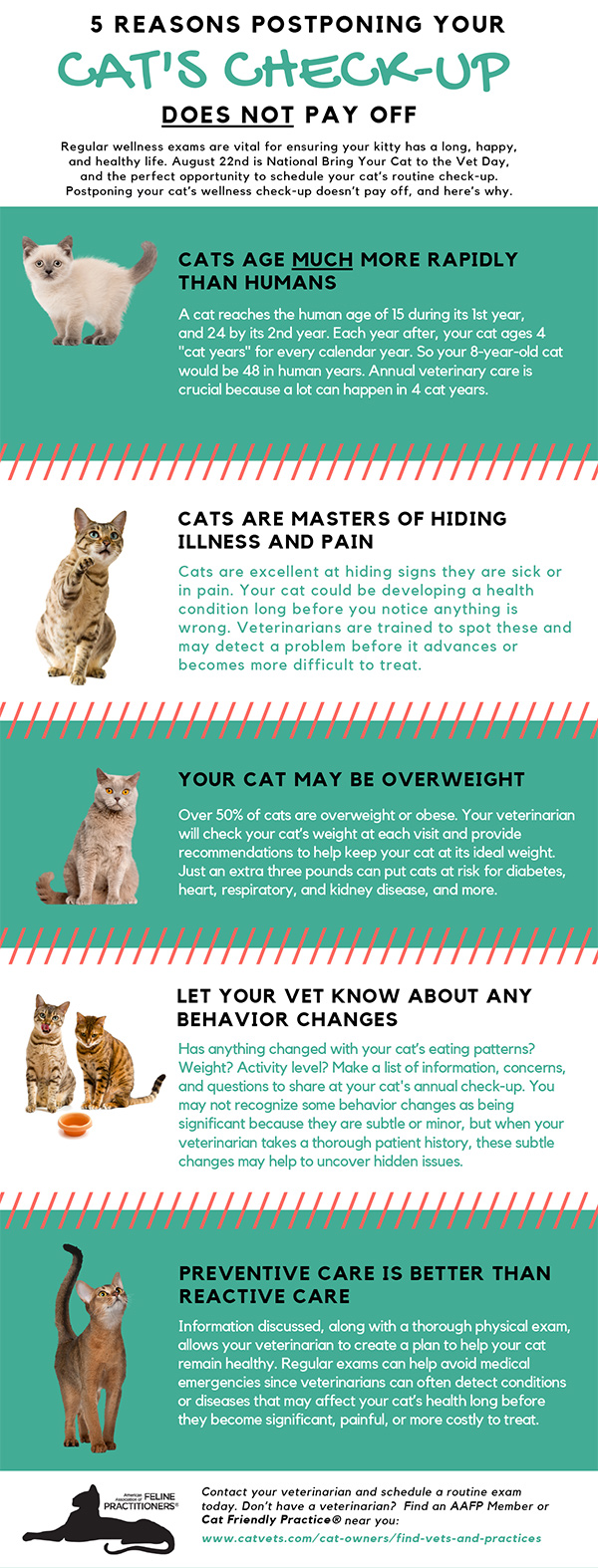
Regular health checks are a cornerstone of pet health. Visiting your vet ensures early detection of potential issues. This not only saves money but also keeps your pet in top shape. At home, keep an eye on your pet’s behavior and appearance. Changes in appetite or energy levels can signal a problem. A quick check can prevent bigger issues down the road. Set reminders for vet visits and vaccinations. These appointments are crucial for preventing diseases. It’s a small step that makes a big difference.
Safe Practices For Pet Owners
Safe practices are vital when using any pet product. Always read labels carefully. What works for dogs may not be safe for cats. Store products out of reach of pets and children. This prevents accidental ingestion or misuse. It’s better to be safe than sorry. Test new products on a small area first. Watch for any adverse reactions. This simple step can prevent discomfort or harm. Have you ever mixed up pet products? It happens! Keeping them organized and labeled can save confusion and ensure your pets get the right care. By taking these preventive measures, you ensure a safe and healthy environment for both your dogs and cats. Are there any other steps you find useful? Share your thoughts in the comments!
Frequently Asked Questions
Can You Use Vet’s Best On Cats?
Vet’s Best can be used on cats but ensure it’s labeled safe for feline use. Always follow product instructions carefully. Check for specific cat formulas to avoid potential harm. Consult your veterinarian if unsure. Safety and effectiveness depend on proper application.
Always prioritize your cat’s health and well-being.
Can You Use Dog Flea Treatment On Cats?
Dog flea treatments are harmful to cats. Cats can suffer severe reactions from dog-specific flea products. Always use cat-specific flea treatments. Consult a veterinarian before using any flea treatment on your cat. Proper care ensures your pet’s safety and well-being.
Why Can’t I Use Vet’s Best Flea Spray Around Cats?
Vet’s Best Flea Spray contains essential oils that may be harmful to cats. Cats can experience adverse reactions due to their sensitivity to certain ingredients. Always read labels and consult your vet before using flea products around your pets.
What If I Accidentally Put Dog Flea Medicine On My Cat?
Immediately contact your veterinarian for advice. Dog flea medicine can be toxic to cats. Monitor for symptoms like drooling, tremors, or seizures. Keep the packaging handy for reference. Time is crucial, so act quickly to ensure your cat’s safety.
Conclusion
Vet’s Best for Dogs is not suitable for cats. Cats have unique needs. Always prioritize their safety. Consult with your vet before using dog products on cats. Some ingredients can harm them. Proper care ensures their health. Using the right products is crucial.
Cats are sensitive to certain chemicals. Always read labels carefully. Misuse can lead to health issues. Your vet provides the best advice. They know what works safely for cats. Keep your feline friend healthy. Choose products designed for them. Their well-being depends on informed choices.
It’s essential for their happiness. Ensure they thrive with suitable care.