Why is My Cat Biting Me When I Pet Her: Uncovering Reasons
Have you ever found yourself relaxing, gently petting your cat, only to be startled by a sudden nip or bite? You’re not alone.
This puzzling behavior can leave you wondering what went wrong. Understanding why your cat bites when you pet her can help strengthen your bond and ensure peaceful, enjoyable interactions. Imagine finding the key to your cat’s mysterious behavior, unlocking a new level of trust and affection.
This article will guide you through the possible reasons behind those unexpected bites. You’ll discover insights into your cat’s unique personality and learn how to adjust your approach for happier, stress-free petting sessions. Curious to unveil the secrets of your feline friend’s behavior? Read on to uncover the truth behind those surprising nibbles and learn how to turn them into purrs of contentment.
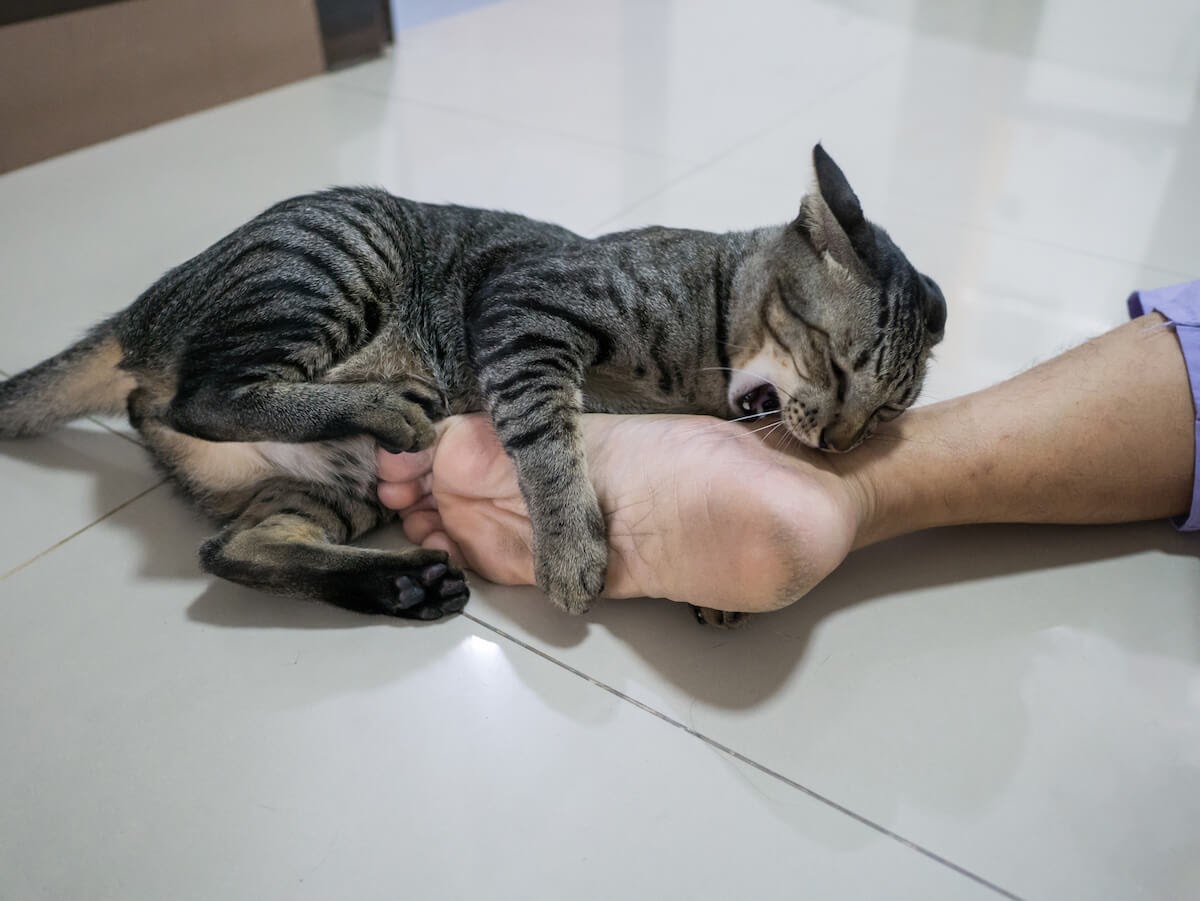
Credit: www.feliway.co.uk
Common Reasons For Cat Biting
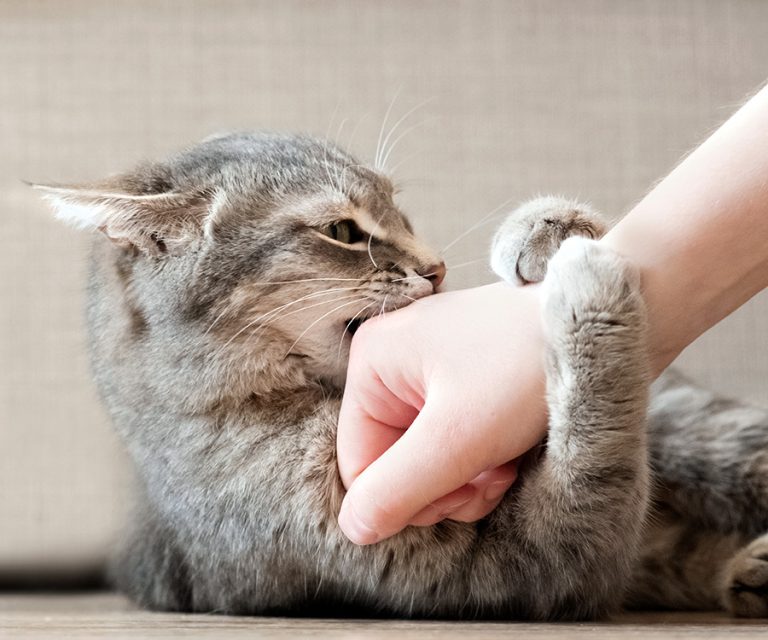
Cats may bite when overstimulated during petting. They could also be expressing discomfort or asserting boundaries. Understanding their body language helps prevent bites.
Understanding why your cat bites you when you pet her can be puzzling. Cats, with their unique personalities and behaviors, might bite for various reasons. Recognizing these reasons can help improve your relationship with your furry friend. Let’s explore some common reasons why your cat might be giving you those unexpected nips.Overstimulation
Cats can become overstimulated from too much petting. Just like humans, they have thresholds for physical contact. You might notice your cat enjoying the petting session, then suddenly, she turns around and bites. This change can happen quickly and is often due to sensory overload. Look for signs like tail twitching or ears flattening. These can indicate she’s had enough. Have you ever had a massage that went on too long? It might have felt relaxing at first but became uncomfortable. Cats can experience a similar sensation. To avoid overstimulation, try petting your cat for shorter periods. Watch her body language closely, and respect her limits.Playful Behavior
Sometimes, biting is just your cat’s way of engaging in play. Cats are natural hunters and often exhibit predatory behavior through play. When your cat nips at you, she might be trying to play the same way she would with a fellow cat. My own cat, Luna, often pounces on my hand, mistaking it for a toy. It’s her playful spirit shining through. You can channel this energy into more appropriate outlets. Provide toys that mimic prey, like feather wands or small balls. This not only satisfies her hunting instincts but also keeps your hands safe. Consider setting aside daily playtime to engage her fully in activities that allow her to express her playful nature. Understanding your cat’s biting behavior can transform your interactions. What steps will you take to decode her behavior and enhance your bond?Signs Of Discomfort
Cats can be mysterious creatures. Sometimes, they bite when you pet them. Understanding why involves noticing signs of discomfort. Recognizing these signs helps create a peaceful bond. Cats communicate discomfort in various ways. Body language and vocal sounds are key indicators.
Body Language
Watch your cat’s body closely. A flicking tail often signals irritation. Ears laid back can show they’re uneasy. If your cat’s fur stands up, they’re not happy. They might also turn their head away. This means they want to stop. Dilated pupils are another sign of stress. All these signals show your cat feels uncomfortable. Observing these signs helps prevent bites.
Vocal Indicators
Cats also use sounds to communicate. Listen for growling or hissing. These noises suggest annoyance or fear. A sudden, loud meow can indicate they’re upset. Purring might not always mean happiness. Sometimes, cats purr when stressed. Understanding these vocal signs is crucial. It helps you respond better to your cat’s needs.
Medical Issues
Cats communicate in mysterious ways. Sometimes their actions puzzle us. One common behavior is biting while being petted. This could indicate medical issues. It’s essential to understand these signs. Cats can’t speak. They show distress in different ways. Biting might be one of them.
Pain And Illness
Physical pain often leads to biting. Cats hide discomfort well. If your cat bites during petting, pain might be the reason. Injuries or arthritis can make petting painful. An underlying illness could also be the cause. A vet check-up can help identify hidden problems.
Behavioral Disorders
Cats can suffer from behavioral disorders. These disorders affect their response to touch. Some cats might bite due to anxiety. Stress or fear can trigger biting. Changes in environment can worsen these disorders. Consult a vet for guidance on managing these issues.
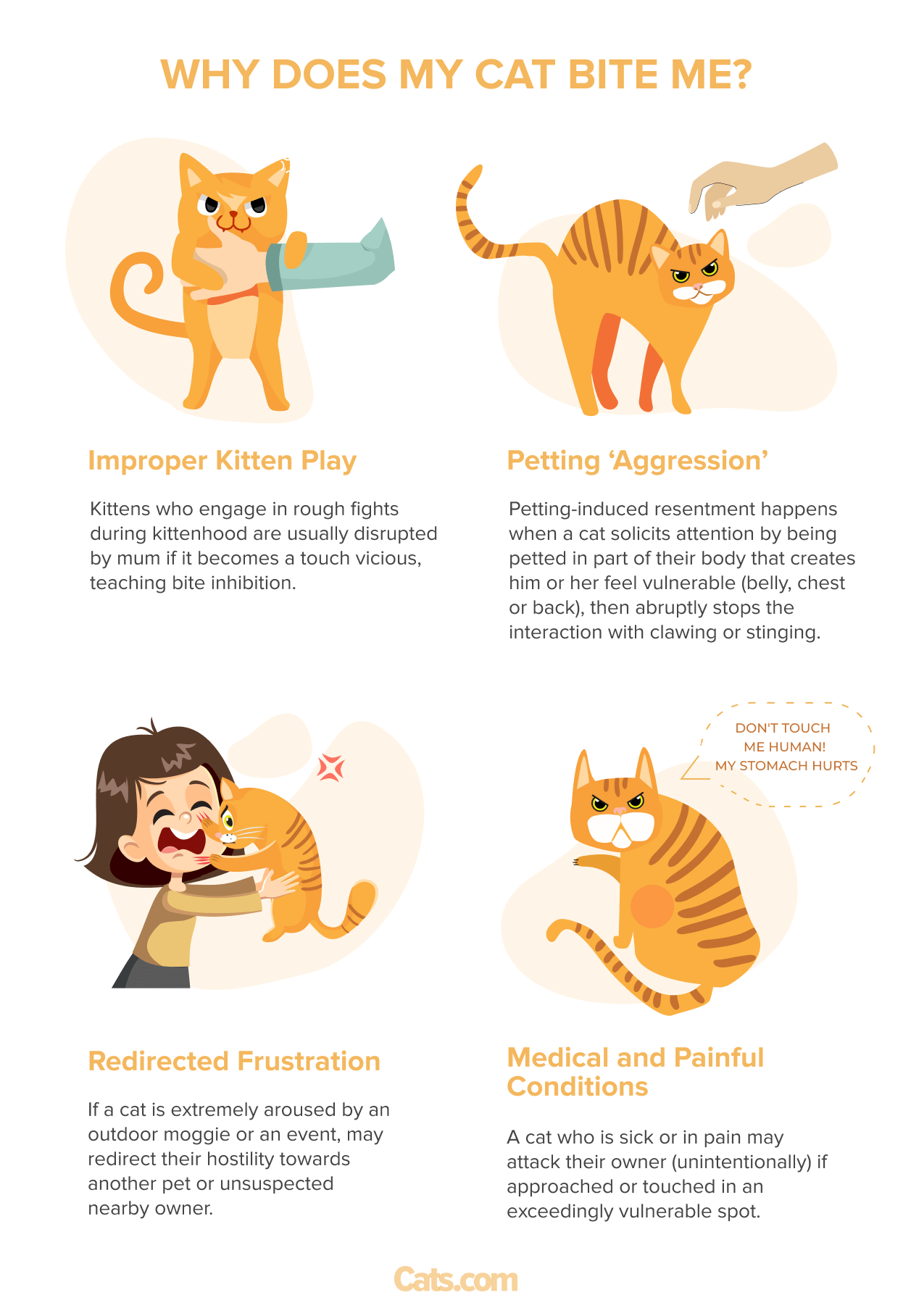
Credit: www.wb-iisg.com
Stress And Anxiety
Cats often bite when feeling stressed or anxious. They might feel overwhelmed by too much petting. It’s their way to communicate discomfort or overstimulation, signaling a need for space. Understanding their behavior helps maintain a calm and trusting relationship.
Have you ever wondered why your cat bites you when you try to pet her? Stress and anxiety could be the culprits. Cats, like humans, can experience stress, and they often communicate their discomfort in unexpected ways. When your feline friend nips at you, it might be her way of expressing unease. Understanding the sources of her stress can help you create a more harmonious environment for both of you.Environmental Changes
Cats are creatures of habit. Any change in their surroundings, like moving to a new house or rearranging furniture, can unsettle them. Has there been recent construction noise in your neighborhood? Even subtle shifts can cause your cat to feel stressed, leading to biting behavior. Think about how you’d feel if your familiar spaces suddenly changed. Your cat might be acting out due to the same discomfort.Social Stressors
Is your household bustling with visitors or new pets? Cats might bite when overwhelmed by social interactions. Your cat might be shy. A crowded environment can heighten her anxiety, prompting her to nip as a way to regain control. Consider the dynamics at home. Are you giving her enough alone time? Cats need space to decompress, just like you do.Take a moment to assess your cat’s surroundings. Are there areas where stress might be creeping in? Addressing these issues can lead to a more peaceful relationship. How can you adjust her environment to reduce anxiety? It’s worth considering for your cat’s well-being and your own peace of mind.
Territorial Instincts
Cats are naturally territorial creatures. They like to protect their space. When a cat bites, it can be due to these instincts. They often see their surroundings as their own domain. This behavior is linked to their wild ancestors. Understanding this can help explain the biting.
Defensive Behavior
Cats may bite as a defense. They feel threatened easily. Loud noises or sudden movements can trigger this. Petting may make them feel vulnerable. They react by biting to protect themselves. This is not aggression but self-preservation.
Space Boundaries
Respect a cat’s space boundaries. Each cat has its own comfort zone. Some cats enjoy petting, others do not. Overstepping their boundaries can lead to biting. Watch for signs of discomfort. Ears back or a twitching tail can be indicators. Give your cat space to avoid bites.
Bonding And Trust Building
Cats communicate in unique ways. Biting during petting is a common behavior. It might seem confusing, but it’s often a part of bonding and trust building. Understanding this behavior can strengthen your relationship with your cat.
Gentle Handling
Handle your cat with care. Cats are sensitive to touch. Rough handling might scare them. Use soft strokes and avoid sudden movements. Observe your cat’s reactions. If they seem uncomfortable, stop and give them space. Respect their boundaries to build trust.
Positive Reinforcement
Reward good behavior with treats. Positive reinforcement encourages trust. When your cat allows gentle petting, offer a small treat. This associates petting with positive experiences. Over time, your cat will learn to enjoy and trust your touch. Patience is key. Consistency helps in building a strong bond.
Seeking Professional Help
Cats may bite during petting due to overstimulation or discomfort. Understanding their body language helps prevent this behavior. Consulting a professional can provide insights into managing and improving your feline’s behavior.
When your feline friend suddenly switches from purring to biting, it can be quite perplexing. While minor nips might be normal, persistent or aggressive biting could signal underlying issues. That’s where seeking professional help comes into play. It’s important to know when to reach out to experts for advice to ensure both you and your cat live harmoniously.When To Consult A Veterinarian
Persistent biting might be a sign of discomfort or pain. A veterinarian can rule out medical issues like skin conditions, dental problems, or even arthritis. If your cat’s behavior changes suddenly, it’s time to call the vet. Ignoring these signs might exacerbate the problem. Remember, cats can’t tell you what’s wrong. A professional can provide the answers you need.Behavioral Specialists
Sometimes the root cause is not physical but behavioral. This is where a cat behavioral specialist can help. These experts can assess your cat’s environment and interactions to identify triggers. Have you recently changed your cat’s routine, or is there a new pet in the house? A behavioral specialist can offer strategies tailored to your cat’s needs. They provide you with actionable steps to improve your pet’s behavior. By seeking professional help, you’re investing in a happier, healthier relationship with your cat. Wouldn’t it be great to enjoy petting time without the fear of bites?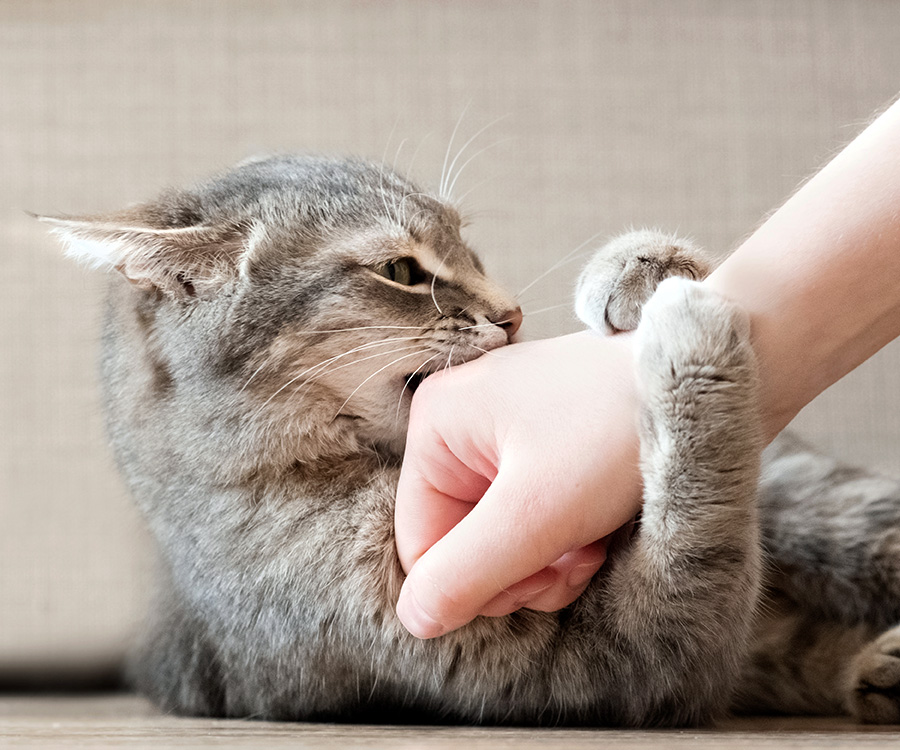
Credit: www.hartz.com
Frequently Asked Questions
Why Does My Cat Want Me To Pet Her But Then Bites Me?
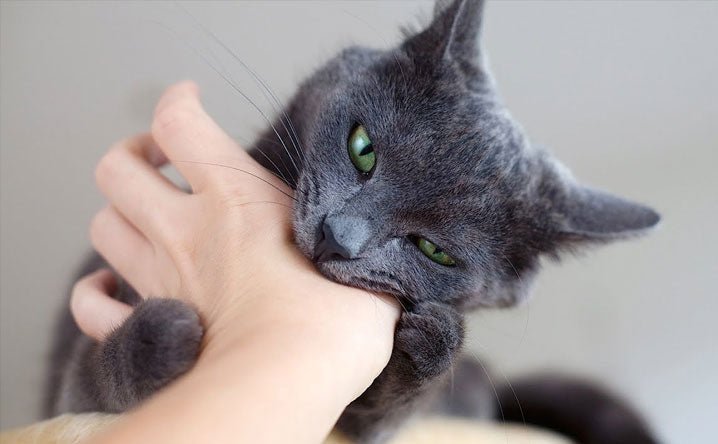
Cats often exhibit “petting-induced aggression. ” They may enjoy petting initially but become overstimulated. This can lead to biting. Watch for signs like tail twitching or ear flattening. This behavior is natural and signals that your cat needs a break.
Always respect your cat’s boundaries to maintain trust.
How Do I Stop My Cat From Biting Me When I Pet Her?
Redirect your cat’s attention with toys when it starts biting. Provide positive reinforcement with treats for gentle behavior. Observe signs of overstimulation like tail flicking and stop petting. Create a calm environment and respect your cat’s boundaries to reduce biting incidents.
Why Does My Cat Bite When Petted?
Cats may bite while being petted due to overstimulation. Petting-induced aggression is common and can occur if you touch sensitive areas. Additionally, they may see it as play. Observing your cat’s body language can help you identify when they need a break.
Is Biting A Sign Of Affection?
Biting can be a sign of affection, but it’s often playful. Cats sometimes use gentle nibbles to show love. However, if the bite is hard or sudden, it may indicate overstimulation or irritation. Understanding your cat’s behavior helps in determining the cause.
Conclusion
Understanding your cat’s behavior is key. Cats bite for various reasons. It could be excitement, overstimulation, or even stress. Observing body language helps. Tail swishing? Ears back? Take note. These signals indicate discomfort. To prevent biting, keep petting sessions short.
Give your cat space when needed. Respect boundaries. Love and patience foster trust. Gradually, your bond will strengthen. Remember, every cat is unique. Tailor your approach accordingly. A happy cat means less biting. Your effort will pay off. Enjoy the gentle moments with your feline friend.