Why Do Cats Bite When You Pet Them? Unveiling the Mystery
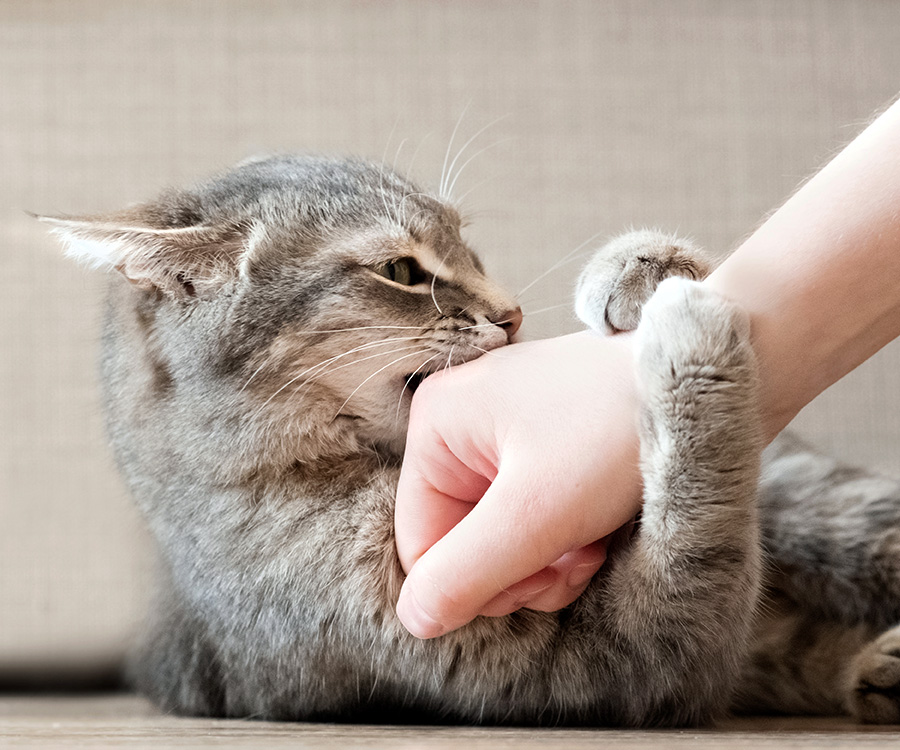
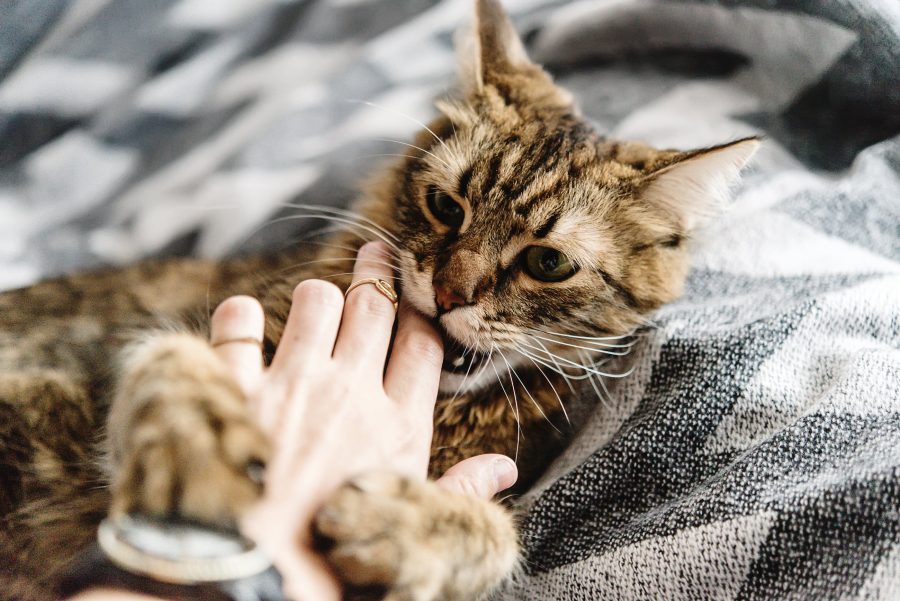
Have you ever been in the middle of a delightful petting session with your cat, only to suddenly feel a sharp nip on your hand? You’re not alone.
Many cat owners have experienced this puzzling behavior, leaving them to wonder why their feline friend bites when being petted. It can be quite confusing, especially when you’re offering affection and comfort. But don’t worry, there’s a reason behind these unexpected nibbles, and understanding it can help improve your bond with your cat.
You’ll discover the surprising reasons cats bite during petting, along with practical tips to prevent it. Stick around, because the insights could change the way you interact with your furry companion.
Common Reasons For Cat Biting
Many cat owners often wonder why their furry friends bite during petting. Understanding the reasons behind this behavior can help in addressing it. Cats, just like humans, have their own ways of expressing discomfort or excitement. Recognizing the signs and causes can improve your relationship with your pet.
Overstimulation
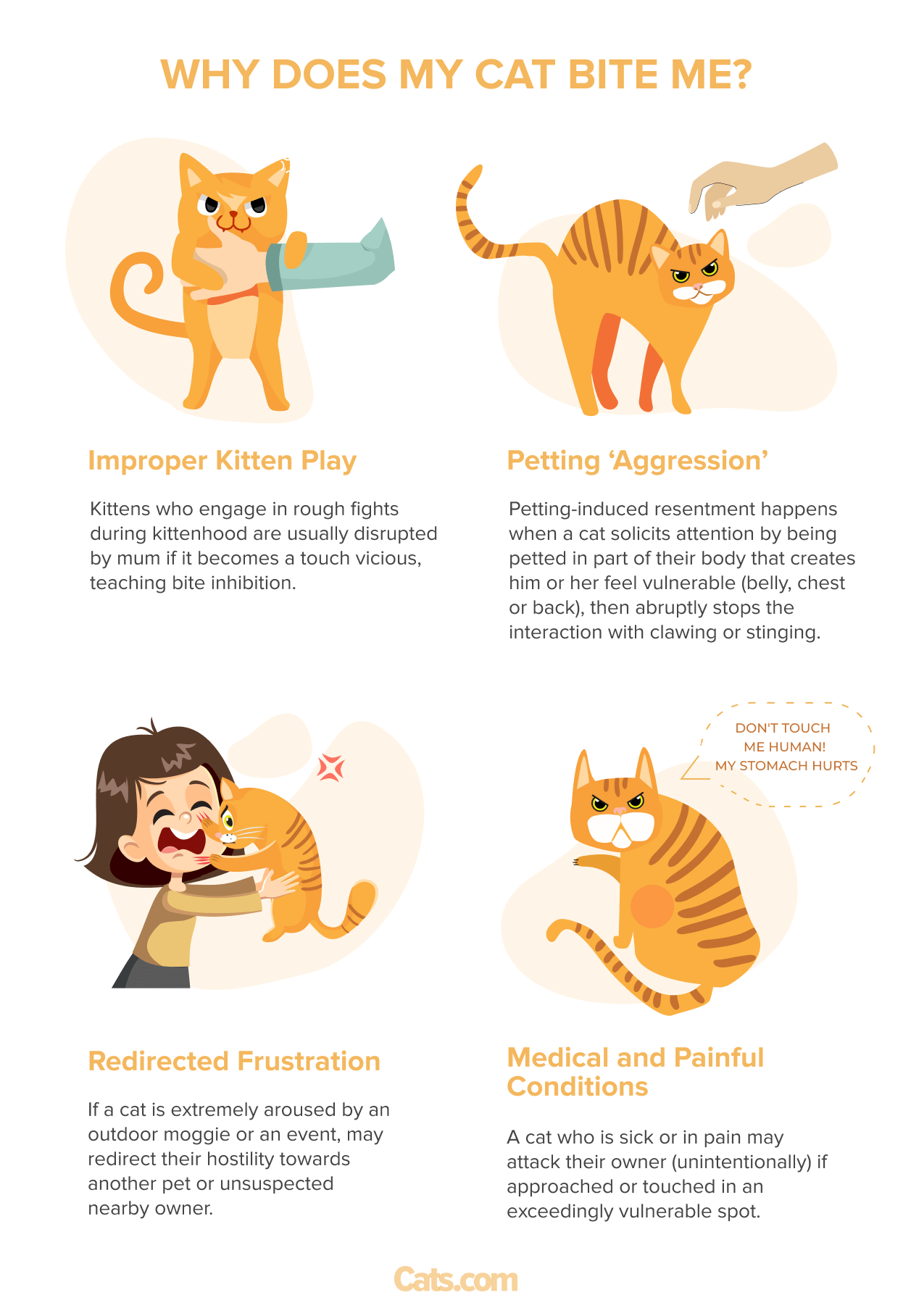
Cats have sensitive skin and nerves under their fur. Prolonged petting can lead to overstimulation. Some cats enjoy petting but only for short periods. They might bite as a way to say they’ve had enough. Watch for signs like a twitching tail or flattened ears.
Playfulness
Sometimes, biting is just a playful gesture. Young cats, especially kittens, are full of energy. They may see your hand as a toy. Playtime is crucial for their development. Providing toys can redirect this playful biting.
Aggression
Aggressive biting is different and can be due to various reasons. It may be a response to fear or pain. Some cats have a past history of trauma or negative experiences. Sudden aggression may need a vet’s attention. Understanding your cat’s body language can prevent these bites.
Credit: www.wb-iisg.com
Understanding Cat Body Language
Cats often bite while being petted due to overstimulation or discomfort. They might feel overwhelmed after a period of petting. Observing their body language helps understand their boundaries and avoid bites.
Understanding cat body language can solve many feline mysteries. Cats often bite during petting. This behavior confuses many. Knowing their signals helps prevent surprises. Cats communicate through body language. They express discomfort, playfulness, or aggression. Recognizing these cues is crucial for peaceful interactions.Signs Of Discomfort
Cats may show discomfort through subtle signs. Tail movements often reveal their feelings. A twitching tail suggests irritation. Ears flattened or turned sideways indicate unease. If a cat’s fur stands up, it’s a clear sign of stress. Watch for sudden changes in breathing. Rapid breaths can mean tension.Indicators Of Play
Playful cats display different signals. Light bites are common in play. They might paw at you gently. Their eyes may widen with excitement. Purring can be a part of playful behavior. Look for relaxed whiskers and a loose body. These signs suggest they want fun, not harm.Aggressive Postures
Aggressive cats show distinct postures. Hissing is a strong warning. Raised fur and arched backs signal aggression. Eyes become narrow and focused. Their tail may puff up or lash side to side. Claws might be visible, ready to strike. It’s wise to give them space when aggression shows.Health Issues And Pain
Cats sometimes bite while being petted due to overstimulation or discomfort. They may feel trapped or overwhelmed by touch. Understanding their body language helps avoid unexpected bites and ensures a pleasant interaction.
Cats can be mysterious creatures, and their behavior often leaves us puzzled. One minute, they’re purring contentedly as you pet them, and the next, you’re nursing a bitten hand. If your cat suddenly bites during a petting session, it might be experiencing discomfort or pain. Understanding the health issues that could be causing this reaction is crucial for ensuring your feline friend’s well-being.Dental Problems
Cats, like humans, can suffer from dental issues. Toothaches or gum disease may cause your cat to react negatively to being touched. If you notice your cat biting while you pet near its mouth or face, it could be due to dental pain. Regular dental check-ups can help catch these problems early. Look for signs like bad breath or difficulty eating. If you notice these symptoms, consider visiting your vet.Skin Irritations
Cats’ skin can be sensitive, and irritations may cause discomfort. Allergies, fleas, or even sunburn can make your cat’s skin tender. If your cat bites when you pet it in certain areas, it might be trying to tell you something is wrong. Observe if your cat is scratching more than usual or has red patches on its skin. Addressing these skin problems promptly can save your cat from a lot of discomfort.Underlying Medical Conditions
Sometimes, a cat’s biting may hint at deeper health problems. Conditions like arthritis or internal pain can make your cat more sensitive to touch. This is especially true for older cats. If your cat seems more irritable than usual, it could be an indication of an underlying issue. A vet check-up can help diagnose any serious health concerns. Always be attentive to changes in your cat’s behavior, as they might be trying to communicate their discomfort. Have you ever noticed your cat biting unexpectedly? It might be more than just a quirk. Understanding the health issues behind this behavior can make all the difference in your cat’s happiness.Behavioral Factors
Understanding why cats bite when you pet them can be a curious puzzle. Behavioral factors play a significant role in these unexpected reactions. By examining aspects like past trauma, socialization challenges, and territorial instincts, you can gain deeper insight into your feline friend’s mind.
Past Trauma
Some cats have experienced negative interactions in their past. A traumatic event, like rough handling or an accidental injury, can make a cat wary. This may lead to biting as a defense mechanism.
If your cat has a history of trauma, they might associate petting with a past unpleasant experience. Patience and gentle touch can help rebuild trust.
Consider the way you approach your cat. A slow, gentle approach can sometimes ease their anxiety.
Socialization Challenges
Cats that have had limited interaction with humans or other animals may struggle with socialization. They might not understand that petting is meant to be affectionate.
Your cat might bite simply because they’re unsure how to respond. Socialization during kittenhood is crucial, but adult cats can still learn positive interactions.
Try engaging with your cat in short, positive sessions. Over time, they may learn to enjoy your touch.
Territorial Instincts
Cats are inherently territorial creatures. They might see a petting session as an intrusion into their space. This can trigger a defensive response, leading to a bite.
Observe your cat’s body language. If they appear tense or agitated, give them space. Respecting their boundaries can prevent unwanted biting.
Ask yourself: Are you respecting your cat’s territory? Offering them choices in interaction can make them feel more secure.
Understanding these behavioral factors can transform your petting sessions. Your cat’s reactions might not be personal—they’re just responding to their instincts. Keep exploring and adapting to find what works best for your feline companion.
Effective Communication With Cats
Effective communication with cats can be a puzzling yet rewarding endeavor. Unlike humans, cats express themselves through subtle signals, and understanding these can help you build a stronger bond with your feline friend. From reading their body language to adjusting your interaction style, every step brings you closer to a trusting relationship.
Reading Signals
Cats have a unique way of conveying their feelings, often through body language. Have you noticed how your cat’s tail moves when you pet them? If it’s flicking, they might be irritated. A relaxed tail usually means they’re comfortable. Pay attention to their ears and eyes too. Ears flattened or eyes narrowing might signal displeasure. Observing these signals can guide your actions and enhance your interactions.
Adjusting Interaction
Once you’ve identified the signals, the next step is adjusting your interaction. If your cat seems uncomfortable, change the way you pet them. Some cats prefer a gentle touch, while others enjoy a firm stroke. Experiment with different techniques to find what your cat likes. If your cat bites, take a break and give them space. This helps in avoiding negative experiences and keeps the relationship pleasant.
Building Trust
Trust is essential in any relationship, including with your cat. Reflect on your past interactions: did you respect their boundaries? Consistently responding to their signals positively can build trust over time. Engage in activities they enjoy, like playtime or gentle grooming. This encourages a sense of security and mutual understanding. When your cat trusts you, they’re more likely to approach you willingly, reducing instances of biting.
Have you ever thought about how your actions might affect your cat’s behavior? Each interaction shapes their perception of you. By focusing on effective communication, you not only prevent unwanted biting but also nurture a deeper, more rewarding connection. How do you plan to improve your communication with your cat today?
Credit: www.kippy.eu
Tips For Safe Petting
Cats often bite during petting due to overstimulation or sensitivity. Their behavior is a way to communicate discomfort or boundaries. Recognizing these signs helps ensure a safe and enjoyable interaction for both you and your feline friend.
Cats biting during petting can be puzzling. Understanding their behavior helps. Safe petting ensures happy interactions. Here are some tips to guide you.Appropriate Areas To Pet
Cats have sensitive spots. Petting their heads is usually safe. The chin and behind the ears are good areas too. Avoid their bellies. This area is sensitive and often off-limits. Respect your cat’s preferences. They vary from cat to cat.Duration Of Petting
Pay attention to how long you pet your cat. Keep sessions short. Cats have different tolerance levels. A few minutes might be enough. Watch for signs of discomfort. Your cat may want a break sooner than you think.Recognizing Limits
Learn to recognize your cat’s limits. Tail flicking is a warning sign. Ears flattening means they are upset. Hissing or growling is a clear signal to stop. Respect their boundaries. It strengthens your bond and avoids bites.Training Techniques To Reduce Biting
Cats may bite during petting due to overstimulation or seeking attention. Understanding their body language can help reduce biting. Training techniques include using toys to redirect their energy and rewarding calm behavior.
Training Techniques to Reduce Biting Cats are mysterious creatures, and their behaviors can sometimes be baffling. Understanding why your cat bites when you pet them is just the first step. The real challenge lies in training them to stop. Here are some effective techniques you can use.Positive Reinforcement
Cats respond well to positive reinforcement. Every time your cat behaves calmly while being petted, reward them with a treat or affection. This teaches them that staying relaxed is a good thing. I once had a cat named Whiskers who would often nip at my hands. By rewarding her with treats when she didn’t bite, she gradually learned to enjoy petting sessions without the biting. What rewards does your cat love?Consistency In Approach
Consistency is crucial when training your cat. Make sure everyone in your household follows the same rules and techniques. If one person allows the biting and another doesn’t, your cat will only get confused. Set a clear routine and stick to it. For example, if your cat bites, immediately stop the petting. This helps them associate biting with the end of playtime. Have you noticed any patterns in your cat’s behavior?Professional Help
Sometimes, despite your best efforts, your cat’s biting behavior may not improve. In such cases, seeking professional help can be beneficial. A cat behaviorist can provide insights and solutions tailored specifically for your feline friend. I once consulted a behaviorist for my overly aggressive cat, and the tailored advice worked wonders. Have you considered reaching out to a professional for guidance? Training your cat not to bite requires patience and understanding. Use these techniques consistently, and you may find your cat becoming more affectionate and less inclined to bite. Remember, each cat is unique, and what works for one might not work for another. Keep experimenting and stay patient.
Credit: www.ranchovillagevet.com
Frequently Asked Questions
Why Does My Cat Want Me To Pet Her But Then Bites Me?
Cats bite during petting due to overstimulation or reaching their tolerance limit. They communicate discomfort or need for personal space. Watch for signs like twitching tails or flattened ears to avoid bites. Understanding these signals helps create a positive interaction.
Why Do Cats Bite While Being Petted?
Cats may bite during petting due to overstimulation. This can happen when they receive too much attention. Some cats have sensitive areas that trigger biting. Understanding your cat’s body language can help prevent this behavior. Look for signs such as twitching tails or flattened ears.
How Can I Stop My Cat From Biting?
To prevent biting, watch for overstimulation signs and give your cat space. Learn your cat’s preferences and avoid petting sensitive areas. Redirect your cat’s attention with toys or treats when biting occurs. Consistent positive reinforcement can help modify their behavior.
Is Biting A Sign Of Aggression In Cats?
Biting isn’t always aggressive; it can be a response to overstimulation or discomfort. Some cats use biting to communicate boundaries. Understanding your cat’s signals and respecting their limits can reduce biting incidents. Aggression should be addressed with professional help if it persists.
Conclusion
Understanding cat behavior helps improve your relationship with them. Cats might bite because they’re overstimulated or stressed. It’s important to read their body language. Signs like twitching tails or flattened ears can indicate discomfort. Always approach petting with gentleness and care.
Giving your cat space when needed shows respect for their boundaries. Building trust with your cat takes time but is rewarding. A happy cat leads to a happy home. Keep learning about your furry friend for a harmonious bond. Your cat’s comfort should always come first.