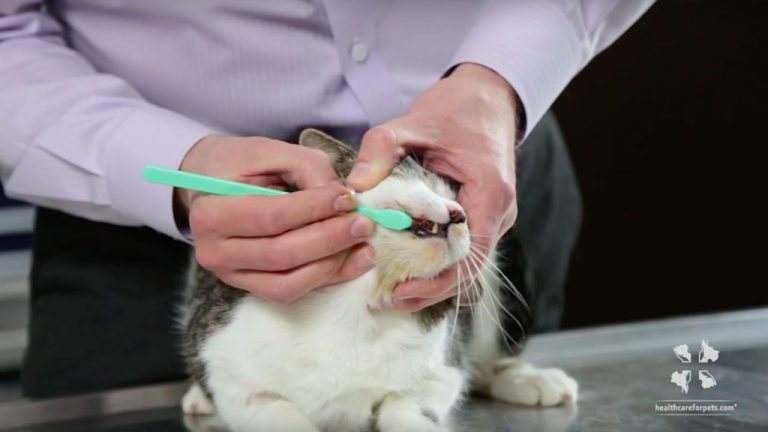
Is Cat Flu Contagious to Humans? Uncover the Truth
You love your furry friend and want to ensure they’re always healthy and happy. But when you hear about cat flu, a wave of concern might wash over you.
Can this illness jump from your beloved feline to you or your family? It’s a question that can leave you feeling uneasy, and finding the answer is crucial for peace of mind. Imagine being able to cuddle with your cat without worrying about catching an illness.
Understanding whether cat flu is contagious to humans is key to that comfort. You’ll discover the facts you need to keep both your pet and yourself safe. So, before you start worrying, read on to find out what you really need to know.

Credit: www.pawmaw.com
Cat Flu Basics
Cat flu is not contagious to humans. It mainly affects cats, spreading through sneezes and shared items. Keeping your cat’s environment clean helps prevent the spread.
Understanding the basics of cat flu is crucial for any cat owner. Cat flu is a common ailment in felines, similar to the human cold or flu. It’s important to know the signs and causes to keep your furry friend healthy and happy.Symptoms In Cats
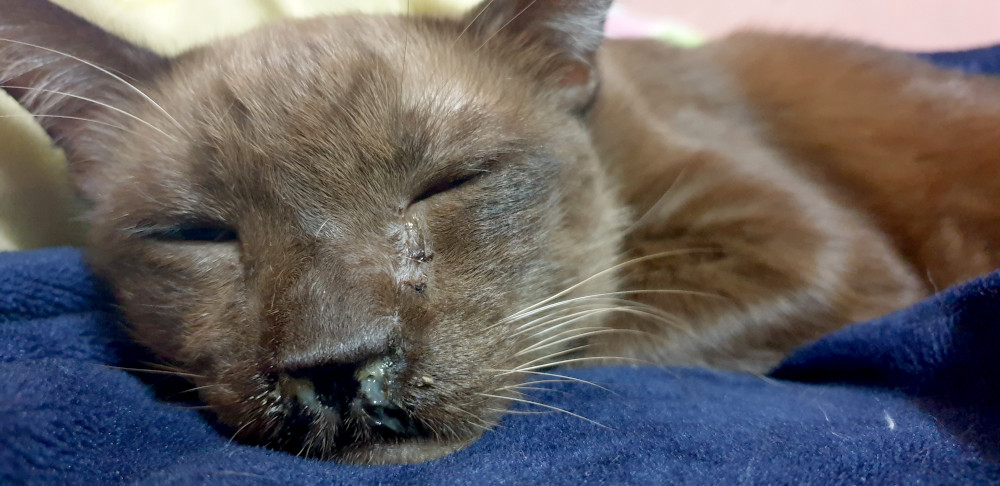
Cats with the flu may exhibit symptoms that are easy to spot. These include sneezing, nasal discharge, and watery eyes. Your cat might also experience a loss of appetite, which can be concerning if it continues for more than a day. In some cases, cats may develop a fever or ulcers in the mouth. Pay attention to changes in their usual behavior. If your cat seems lethargic or less playful, it could be a sign of illness.Common Causes
The most common causes of cat flu are viral infections. These often include the feline herpesvirus and calicivirus. Both can spread easily in environments where cats live closely together, like shelters or multi-cat homes. Stress can also play a role in the development of cat flu. Cats under stress, either from a change in environment or routine, can have weakened immune systems. This makes them more susceptible to infections. Have you noticed these symptoms in your cat? Taking them to the vet for an examination can help confirm the diagnosis. Catching it early can lead to better outcomes and a quicker recovery. Don’t wait until symptoms worsen. Early treatment can prevent complications and help your cat get back to their playful self. You are your cat’s best advocate. Be proactive in their care.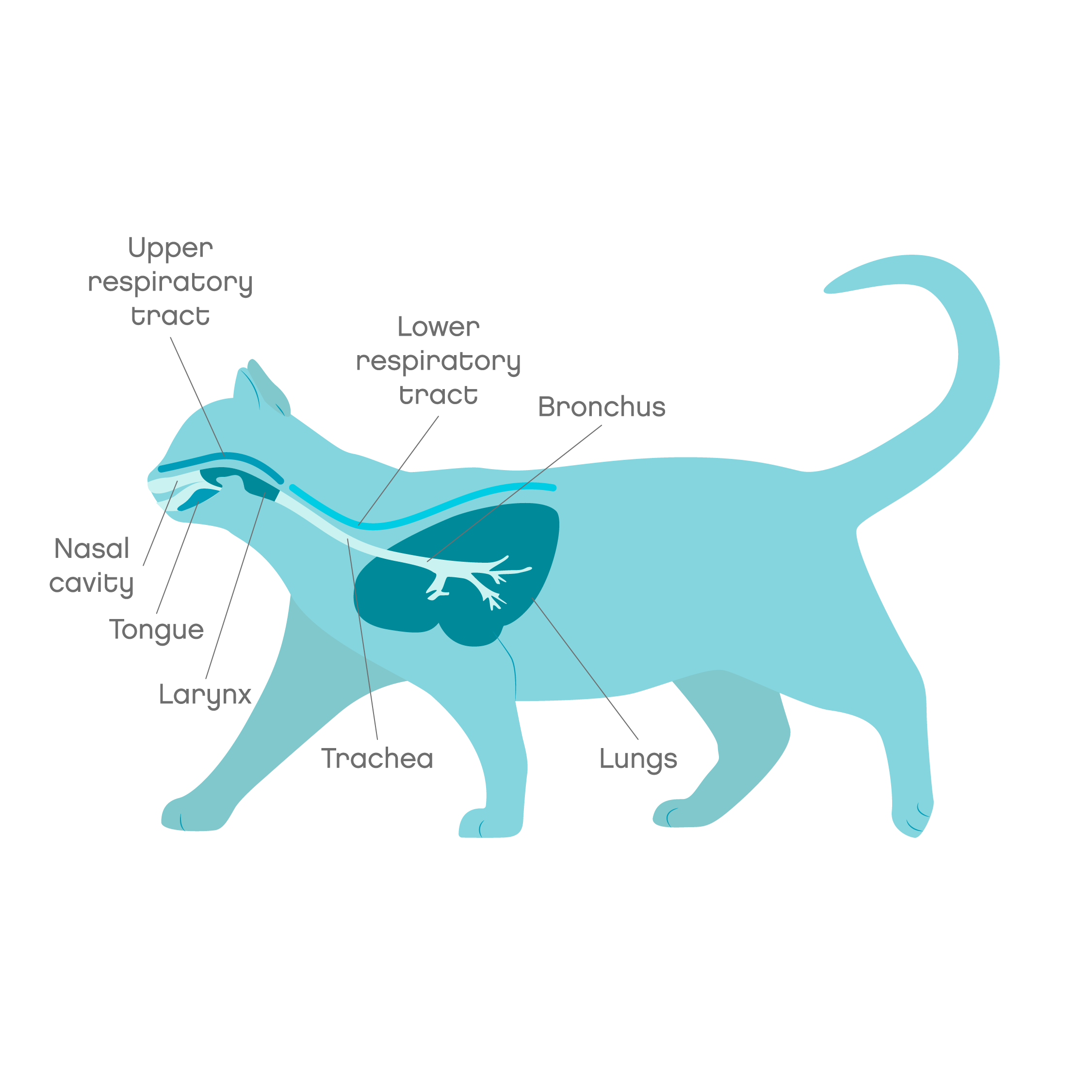
Credit: www.joiipetcare.com
Transmission To Humans
Many cat owners worry about the potential of catching illnesses from their feline friends. A common concern is whether cat flu, a respiratory disease in cats, can be transmitted to humans. Understanding how cat flu is transmitted and its risks can help you make informed decisions about pet care and personal health.
Potential Risks
When you hear “flu,” you might immediately think of the seasonal flu that affects humans. However, cat flu is different. It’s primarily caused by two viruses: feline herpesvirus and feline calicivirus. These viruses are specific to cats and do not typically infect humans. This means that the risk of catching cat flu from your pet is exceedingly low.
Despite the low risk, maintaining good hygiene is vital. Regular handwashing after handling your cat can prevent the spread of other germs. It’s also important to keep your cat’s living area clean. This not only protects you but ensures your cat stays healthy too.
Scientific Evidence
Scientific studies have largely concluded that cat flu is not contagious to humans. Research shows that the viruses causing cat flu have a strong host specificity. This means they are adapted to infect only cats.
In fact, no documented cases exist of humans catching cat flu from their feline companions. This is reassuring for pet owners who might worry about sharing a living space with a sick cat. However, it’s always good practice to monitor both your health and your cat’s health regularly.
Are you taking the right steps to protect yourself and your pet? If your cat shows signs of illness, such as sneezing or a runny nose, consult a veterinarian. While it’s unlikely that you’ll catch cat flu, ensuring your cat receives proper treatment is essential for their recovery and well-being.
Preventative Measures
Preventative measures are crucial to protect humans from cat flu. While cat flu is not directly contagious to humans, safeguarding your environment is essential. Understanding effective strategies can help maintain a healthy space for both cats and humans. Implementing proper hygiene and ensuring cats are vaccinated are key components in this process.
Hygiene Practices
Maintaining cleanliness is vital in preventing the spread of cat flu. Wash your hands after interacting with cats. Regularly clean surfaces in areas where cats frequent. Use disinfectants to kill germs effectively. Keep litter boxes clean and dispose of waste promptly. These practices reduce the risk of infection.
Vaccination For Cats
Vaccinating your cat is a critical step. Cat flu vaccines protect cats from common viruses. Consult a veterinarian about vaccination schedules. Vaccines strengthen a cat’s immune system. This reduces the likelihood of illness spreading. Keeping vaccinations up-to-date is an effective preventative measure.
Common Misconceptions
When it comes to cat flu, many people are concerned about whether it can spread to humans. Common misconceptions can cloud our understanding of this topic. It’s easy to be misled by rumors or incorrect information, so let’s clear the air by separating myths from reality and enhancing public awareness.
Myths Vs Reality
A common myth is that cat flu is highly contagious to humans. This misconception often arises due to the symptoms cats exhibit, which resemble human flu. However, cat flu is caused by viruses like feline herpesvirus and calicivirus, which do not affect humans.
Think about this: You might have cuddled your sick cat without falling ill. This personal experience can assure you that cat flu remains within the feline world. It’s important to understand that while your furry friend might need extra care, you don’t need to worry about catching the flu from them.
Another misconception is that all animal illnesses can jump to humans. While some zoonotic diseases exist, cat flu isn’t one of them. So, next time someone raises an alarm about catching flu from a cat, you’ll have the facts to ease their worries.
Public Awareness
Public awareness plays a crucial role in dispelling misconceptions. Many people still believe that cat flu can be transmitted to humans due to lack of information. Educating yourself and others can help spread accurate knowledge and reduce unnecessary fear.
Consider this: If more people understood the real facts about cat flu, there’d be fewer worries about pet interactions. Sharing what you’ve learned can empower others to care for their pets without fear of illness.
Ask yourself: How often do you read or hear exaggerated claims about animal illnesses? Taking a moment to verify facts can prevent panic and misinformation. As you become more informed, you can confidently share this knowledge within your community.
Expert Insights
Understanding whether cat flu is contagious to humans is a topic that sparks curiosity and concern among pet owners. You might wonder if your feline friend’s sneezes and sniffles can affect your health. Are you at risk when your cat is under the weather? Let’s delve into the expert insights to uncover the truth.
Veterinarian Opinions
Most veterinarians agree that cat flu, primarily caused by feline herpesvirus and calicivirus, is not directly contagious to humans. This is reassuring, especially if you’re worried about catching something from your beloved pet.
Still, vets emphasize the importance of maintaining good hygiene. Wash your hands after handling your sick cat. This simple act can prevent the spread of other germs that might indirectly affect you.
Vets also suggest keeping your cat’s environment clean. Regularly disinfecting surfaces can reduce the risk of other infections. This is crucial, especially if your cat is prone to respiratory issues.
Research Findings
Scientific studies support the veterinarians’ views. Research shows that the viruses causing cat flu are species-specific. This means they affect cats but do not have the same impact on humans.
Researchers have found no evidence of cat flu viruses crossing the species barrier. So, while your cat might be sneezing away, rest assured, you won’t catch the same virus.
However, it’s worth noting that secondary infections can occur. These might not be flu-related but can spread between species, underscoring the need for cleanliness.
Have you considered how your cat’s illness could affect your household routines? Maintaining clean surroundings can help protect everyone from non-flu-related infections.
In the end, while cat flu itself isn’t a direct threat, good hygiene practices are your best defense against other potential health issues. Keep your home tidy and your hands clean, and both you and your feline friend will be safer and healthier.
Credit: kb.rspca.org.au
Frequently Asked Questions
Can Cat Flu Be Carried On Clothes?
Yes, cat flu can be carried on clothes. The virus can survive on fabrics for a short period. Wash clothing and hands after contact with infected cats to prevent spreading the virus. Always maintain good hygiene to protect other cats from infection.
When Is Cat Flu No Longer Contagious?
Cat flu is typically no longer contagious after symptoms have resolved. This usually takes around two weeks. Always consult your vet for guidance on recovery and contagiousness. Ensure proper hygiene and care to prevent spreading the virus.
Can I Touch My Cat With Flu?
Yes, you can touch your cat with flu, but wash your hands afterward. Cats rarely transmit flu to humans. Always monitor your cat’s symptoms and consult a vet if necessary. Practicing good hygiene is important to minimize any risk of illness.
Can My Cat Get Sick From Me If I Have The Flu?
Cats cannot catch the flu from humans. The viruses are species-specific. It’s important to maintain good hygiene. If you have the flu, wash your hands before touching your cat to prevent any other infections. Always consult a veterinarian if your cat shows unusual symptoms.
Conclusion
Cat flu does not spread to humans. It’s specific to cats. So, there’s no reason for humans to worry about catching it. But, cat owners should still be cautious. Keep your cats healthy. Visit the vet if your cat shows symptoms.
Regular check-ups are crucial. Clean living areas help too. Maintain good hygiene habits. It’s important for your pet’s health. Understanding cat flu protects your furry friend. Stay informed. Stay safe. Your cat’s well-being matters.