
Imagine this: you’re lounging on the couch, your cat curled up beside you, purring contentedly. Then suddenly, the calm is interrupted by a familiar, unsettling sound—your cat is hacking up a hairball.
It’s a scenario many cat owners know all too well. Hairballs can be a messy and distressing part of feline life, but they don’t have to be. What if you could help your cat feel more comfortable and reduce the frequency of these pesky hairballs?
By understanding what causes them and how you can assist your furry friend, you can transform your cat’s life for the better. Dive into this article to discover effective solutions and tips that will not only ease your cat’s discomfort but also bring peace back to your home.

Credit: www.turramurravet.com.au
Causes Of Hairballs In Cats
Cats are known for their meticulous grooming habits. This often leads to hairballs. These clumps of fur can cause discomfort. Understanding the causes can help manage them effectively.
Natural Grooming Habits
Cats groom themselves daily. Their rough tongues catch loose fur. This fur often gets swallowed. The more a cat grooms, the more fur it ingests. Long-haired breeds are particularly prone to this. Excessive grooming due to stress or skin issues increases hairball risk.
Digestive System Function
A cat’s digestive system is designed to handle fur. Most swallowed fur passes through the intestines. It exits the body in the stool. Sometimes, fur accumulates in the stomach. It forms hairballs. Poor digestion can worsen the situation. Older cats may have slower digestion. This leads to more frequent hairballs.
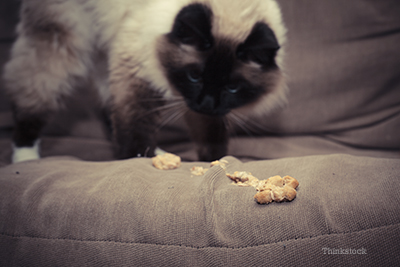
Credit: www.pethealthnetwork.com
Symptoms Of Hairballs
Hairballs are common in cats and often signal grooming habits. Yet, they can also indicate health issues. Recognizing symptoms helps in timely intervention. Identifying these signs ensures your cat’s well-being.
Common Signs
Watch for persistent coughing or gagging. These are signs of hairballs. Cats may vomit frequently. You might find hair in the vomit. Notice changes in appetite. Cats may eat less or seem disinterested in food. Lethargy is another common sign. Cats might seem tired or less playful. Pay attention to your cat’s litter box habits. Constipation or diarrhea can occur with hairballs.
When To See A Vet
Contact a vet if symptoms persist. Constant vomiting is a concern. If your cat refuses food for more than a day, see a vet. Sudden weight loss warrants a visit. Persistent lethargy needs attention too. Difficulty in breathing requires immediate care. A vet can provide remedies and advice.
Dietary Solutions
Hairballs can be a common issue for cats. They occur when your feline friend swallows hair during grooming. Helping your cat manage hairballs often involves dietary adjustments. These changes can reduce hairball formation and improve digestion.
High-fiber Foods
Fiber plays a crucial role in a cat’s digestion. It helps move ingested hair through their digestive system. High-fiber foods can be beneficial for this reason. They promote regular bowel movements and can help prevent blockages. Consider foods with added fiber content. Many cat foods now include ingredients like pumpkin or psyllium husk. These can aid in reducing hairball issues.
Specialized Cat Foods
Some cat foods are designed to combat hairballs. These foods have unique formulas that aid digestion and reduce hairball formation. They often contain ingredients that lubricate the digestive tract. This helps hair pass through easily. Look for labels that mention hairball control. These foods usually have balanced nutrition alongside hairball benefits. Opting for specialized cat food can make a noticeable difference.

Credit: tomlyn.com
Grooming Techniques
Cats often face hairball issues, which can be uncomfortable. Regular grooming helps manage hairballs effectively. It also keeps your cat’s fur healthy and clean. Let’s explore some grooming techniques that help reduce hairballs.
Regular Brushing
Brushing your cat regularly removes loose fur. It prevents your cat from swallowing too much hair. A soft-bristle brush is gentle and effective. Brush in the direction of hair growth. Spend a few minutes each day on brushing. It reduces the chance of hairballs forming. Brushing also strengthens your bond with your cat.
Bathing Tips
Bathing your cat occasionally helps reduce hair buildup. Use a cat-friendly shampoo. It keeps the fur clean and healthy. Bathing should be gentle and quick. Avoid stressing your cat. Make sure to dry your cat well after bathing. Wet fur can lead to tangles and discomfort. Regular baths help manage hairball issues effectively.
Home Remedies
Hairballs are a common problem for cats. They can be uncomfortable and cause digestive issues. Thankfully, there are home remedies that can help. These remedies are natural and easy to use. They can soothe your cat and reduce hairball formation.
Natural Oils
Certain oils can aid in hairball prevention. Olive oil and fish oil are effective choices. They lubricate the cat’s digestive tract. This makes it easier for hairballs to pass through. Add a small amount to your cat’s food. It helps keep their system running smoothly.
Herbal Supplements
Herbal supplements can also help. Slippery elm is a popular choice. It coats the lining of the stomach and intestines. This helps in moving hairballs through the digestive system. Add it to your cat’s diet carefully. Always consult a vet before starting any supplement.
Veterinary Treatments
Hairballs can be a nuisance for cats and their owners. While home remedies can help, sometimes veterinary treatments are necessary. These treatments ensure your cat stays healthy and comfortable. Let’s explore some options available at the vet’s office.
Medications
Vets often prescribe medications to manage hairballs in cats. These medications help move hair through the digestive system. They prevent the formation of hairballs by lubricating the digestive tract. Laxatives are a common choice. They ease the passage of hair through the intestines.
Another option is dietary supplements. These supplements contain fiber. Fiber helps in the smooth movement of hair. Always follow the vet’s instructions for dosage and duration.
Surgical Intervention
In rare cases, surgery might be needed. This occurs if a hairball causes a blockage. Blockages can be dangerous for cats. They can lead to severe health issues. Surgical intervention removes the hairball physically. It is usually a last resort. Vets consider all other options first. Surgery requires anesthesia. Recovery time can vary based on the cat’s health.
Preventive Measures
Cats often struggle with hairballs. These can be uncomfortable and messy. Preventing hairballs is crucial for a cat’s comfort. Implementing simple strategies can reduce their occurrence. This improves your cat’s well-being. Let’s explore effective preventive measures.
Hydration Importance
Cats need plenty of water daily. Proper hydration aids digestion. It helps move swallowed hair through their system. Wet cat food increases moisture intake. Consider adding water bowls in different house areas. A cat water fountain can encourage drinking. Always provide fresh, clean water.
Exercise And Activity
Regular exercise keeps a cat healthy. Activity helps in reducing hairball formation. Play with your cat daily. Use toys that get them moving. Jumping and running are great exercises. Encourage climbing with a cat tree. Active cats groom less excessively. This results in fewer hairballs.
Frequently Asked Questions
How Can I Help My Cat Pass His Hairball?
Offer your cat wet food to aid digestion. Regular grooming can reduce hairballs. Provide fiber-rich treats or supplements. Ensure fresh water is always available. Consult a vet if hairballs persist or cause distress.
What Causes Hairballs In Cats?
Hairballs form when cats groom themselves and ingest loose fur. The fur collects in their stomach. Most fur passes through the digestive tract, but some may form hairballs. Regular grooming and digestive health can reduce hairball formation.
How Can I Help My Cat Pass A Hairball?
To help your cat pass a hairball, encourage hydration and regular grooming. Offer a hairball remedy or fiber-rich diet. These methods can aid digestion and reduce hairball formation. Always consult a vet for persistent issues.
Are Hairballs Dangerous For Cats?
Hairballs can sometimes cause blockages in your cat’s digestive tract. This might lead to serious health issues. If your cat shows signs of distress or frequent vomiting, consult a vet. Regular grooming and hydration can help prevent hairballs.
Conclusion
Helping your cat with hairballs ensures their comfort and health. Regular grooming reduces loose hair that can form hairballs. Special diets and fiber-rich foods aid digestion. Cat grass provides natural fiber. Plenty of water keeps their system moving smoothly. Try hairball remedies like pastes or treats for extra help.
Always consult your vet for persistent issues. Keeping your cat happy and healthy takes a little effort. But it’s worth it for their well-being. Remember, a happy cat means a happy home. Stay attentive to their needs. Your furry friend deserves the best care.