Is It Safe for Dogs to Eat Cat Food: Expert Insights
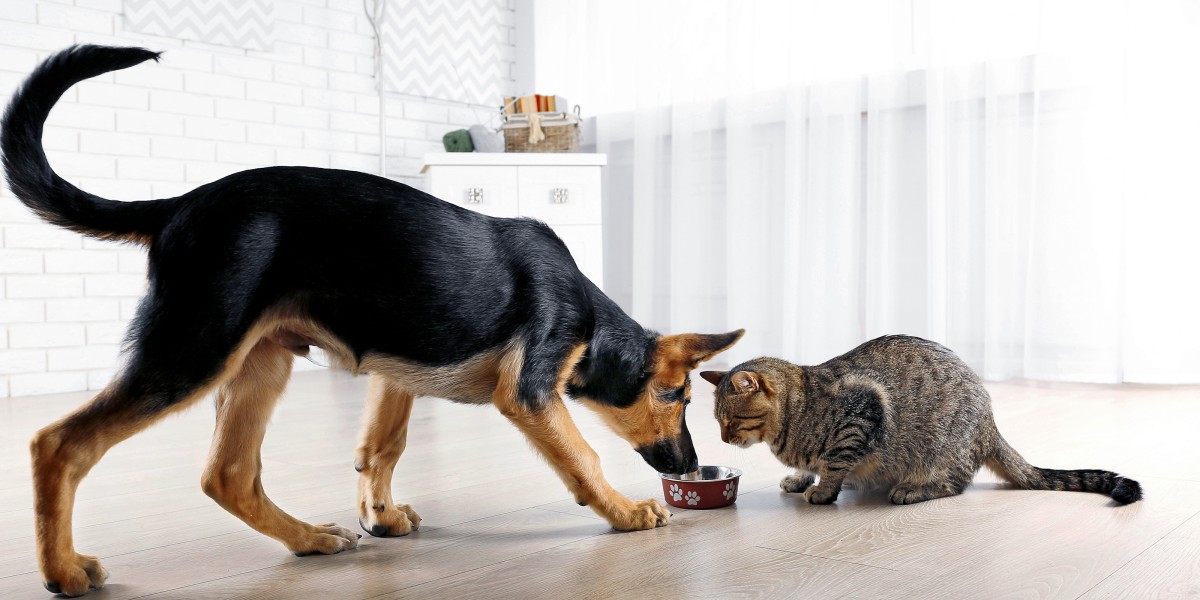
Have you ever caught your furry friend sneaking a taste from the cat’s bowl? It’s a common scene in many homes with both cats and dogs.
You might wonder, “Is it safe for dogs to eat cat food? ” This question doesn’t just pique your curiosity; it’s crucial for your pet’s health and wellbeing. Before you brush it off as a harmless habit, consider the differences in nutritional needs between cats and dogs.
Understanding these differences can prevent potential health risks and ensure both your pets enjoy long, happy lives. Intrigued? Let’s delve deeper to uncover the truth about what happens when your dog munches on cat food. You’ll want to keep reading to discover how to keep both your dog and your peace of mind safe.
Credit: www.purina.com
Nutritional Differences
Dogs and cats have different dietary needs. Cat food is high in protein and fat, which may harm dogs over time. Occasional consumption might not be dangerous, but regular feeding can lead to nutritional imbalances. Always consult a vet before changing your pet’s diet.
Is it safe for your dog to munch on cat food? While it might seem convenient to share pet food between your furry companions, understanding the nutritional differences is essential. Dogs and cats have distinct dietary needs, and their food reflects these differences. Feeding your dog cat food occasionally might not be harmful, but it shouldn’t become a habit. Let’s dive into the nutritional distinctions to see why.Protein Content
Dogs and cats both require protein, but cats need more. Cat food is typically higher in protein than dog food. This is because cats are obligate carnivores, meaning they need meat to thrive. Dogs, on the other hand, are omnivores. They can digest a mix of plant and animal proteins. If your dog consumes cat food regularly, they might get more protein than they need. This can lead to health issues over time, like kidney problems. Have you noticed your dog sneaking bites of your cat’s food? It might be time to keep a closer eye on their diet.Fat Levels
Fat is another component where cat food tends to differ. Cat food often contains higher fat levels. This supports the energy needs of cats, who are natural hunters. Dogs don’t need as much fat in their diet. A dog eating cat food regularly might gain weight or develop pancreatitis. When I noticed my dog starting to gain weight, I checked his diet. It turned out he was snacking on the cat’s food. This small change in his routine made a big difference in his health.Vitamin And Mineral Variations
Cats and dogs require different vitamins and minerals. Cat food is enriched with nutrients like taurine and arachidonic acid, essential for cats but not for dogs. Dogs need more of certain vitamins, like vitamin A and D. If a dog relies on cat food, they might miss out on these vital nutrients. Could your dog’s lack of energy be related to their diet? Checking the nutritional labels can provide insight. Opt for food specifically formulated for your pet to ensure they’re getting the right balance. Feeding your dog cat food occasionally might not cause immediate harm, but it’s not ideal for their long-term health. Understanding these nutritional differences can help you make informed decisions. Keep your pets healthy by choosing the right food for their specific needs.:strip_icc()/GettyImages-1137504605-4ea3ceec185f4d1e9dc39fb71f8ae04c.jpg)
Credit: www.thesprucepets.com
Potential Health Risks
Many dog owners wonder if it’s safe for their pets to eat cat food. While cats and dogs may seem similar, their dietary needs differ. Feeding dogs cat food can pose several health risks. Understanding these risks is crucial for pet owners.
Digestive Issues
Cat food is rich in proteins and fats. Dogs consuming it might experience digestive problems. Their stomachs are not designed for such richness. Vomiting and diarrhea are common symptoms. Dogs may also suffer from an upset stomach.
Allergic Reactions
Some ingredients in cat food can cause allergies in dogs. Common allergens include fish and beef. Allergic reactions may lead to skin irritations. Itching and redness are typical signs. Owners should monitor their dogs for any unusual behavior.
Long-term Health Effects
Regular consumption of cat food can impact a dog’s health over time. Dogs might gain weight due to high fat content. This can lead to obesity and related health issues. Cat food lacks essential nutrients for dogs. Deficiencies can affect their overall well-being.
Behavioral Considerations
Understanding why dogs might prefer cat food is key. Dogs and cats have different dietary needs. Some dogs might show a keen interest in cat food. This can be due to the aroma or taste. It’s important to monitor such behaviors. It helps in managing their diet effectively.
Preference For Cat Food
Dogs often find cat food appealing. The smell and taste can attract them. Cat food is rich in proteins and fats. This makes it enticing for dogs. Observing a dog’s preference for cat food is crucial. It can help in addressing dietary imbalances.
Some dogs might prefer cat food over their own meals. This preference might be due to curiosity or taste. Owners should ensure a balanced diet for their dogs. Providing suitable dog food is essential. It ensures they get the nutrients they need.
Impact On Feeding Habits
Feeding habits can change if dogs eat cat food regularly. A dog might refuse its own food after eating cat food. This can lead to nutritional deficiencies. It’s vital to maintain a consistent feeding routine.
Offering dog food at regular intervals helps. It establishes a routine. It also helps in maintaining a dog’s health. Disruptions in feeding habits can affect a dog’s behavior. Observing changes in appetite is important. It indicates potential dietary issues.

Credit: www.usatoday.com
Expert Opinions
When it comes to feeding your furry friends, you might wonder if it’s safe for dogs to eat cat food. The opinions of experts like veterinarians and animal nutritionists can shed light on this matter. Understanding their insights can help you make informed decisions about your pet’s diet.
Veterinarian Recommendations
Veterinarians often emphasize the importance of feeding pets according to their specific dietary needs. They warn against regularly feeding dog cat food due to its higher protein content. While a nibble here and there might not harm your dog, consistently consuming cat food can lead to health issues like kidney strain or obesity.
Imagine your dog sneaking a bite of cat food when you’re not looking. It’s a scenario many pet owners face. However, vets suggest keeping both food bowls separate and monitoring your dog’s intake. They advise being watchful of any signs of digestive distress.
Have you ever noticed your dog feeling lethargic or gaining weight unexpectedly? Consider their diet as a possible cause. Veterinarians recommend consulting with them if you suspect your dog has been consuming cat food regularly.
Animal Nutritionist Insights
Animal nutritionists dive deep into the science of pet diets. They highlight the key differences between dog and cat food formulations. Cat food is typically richer in fats and proteins, which cater to a cat’s unique dietary requirements.
Nutritionists argue that dogs require a balanced diet that includes carbohydrates, which are less prevalent in cat food. Feeding your dog cat food can result in nutritional imbalances. This might impact your dog’s energy levels and overall health.
Have you ever considered the long-term effects of diet choices on your pet’s health? Nutritionists suggest evaluating your dog’s diet periodically. They recommend adjusting it based on any noticeable changes in behavior or health.
In the end, experts agree that while an occasional bite of cat food might not harm your dog, it’s essential to maintain a diet that aligns with their nutritional needs. What steps can you take to ensure your dog stays healthy? Consider consulting with professionals and being proactive about their diet choices.
Alternatives And Solutions
Many pet owners find themselves in a tricky situation. Their dogs show interest in cat food. While it might seem harmless, feeding your dog cat food can lead to health issues. It’s crucial to explore alternatives and solutions for your dog’s diet. Ensuring your dog gets the right nutrients is essential for their health and well-being.
Dog Food Options
There are countless dog food options available in the market. Choosing the right one is key. Look for foods made specifically for dogs. These contain balanced nutrients for their needs. Brands offer dry kibble, wet food, and grain-free choices. Check labels for protein, vitamins, and minerals. Each dog has different needs. Consult your vet to select the best option. Choose foods that cater to your dog’s age, size, and health.
Homemade Recipes
Preparing homemade meals can be a great alternative. You control the ingredients and ensure quality. Use lean meats like chicken or beef. Add vegetables like carrots and peas. Whole grains such as brown rice are beneficial. Avoid ingredients toxic to dogs. Onions, garlic, and chocolate should be kept away. Homemade recipes can be tailored to your dog’s taste. Regularly switch up the menu to keep meals exciting.
Balanced Diet Tips
A balanced diet is essential for dogs. Ensure they get proteins, carbohydrates, and fats in the right amounts. Proteins from meat or fish are crucial for muscle health. Carbohydrates from grains or vegetables provide energy. Healthy fats from fish oil improve skin and coat health. Regularly monitor your dog’s weight and adjust portions if needed. Always keep fresh water available to prevent dehydration. Consult your vet for dietary adjustments if your dog has health issues.
Signs Of Dietary Imbalance
Dogs and cats have different dietary needs. Feeding dogs cat food can lead to dietary imbalances. Recognizing the signs of these imbalances is crucial. Early detection helps maintain your dog’s health. Look for changes in behavior and physical condition. These may signal a problem with their diet.
Behavioral Indicators
Notice if your dog is less active or seems lethargic. A sudden change in energy levels can be a warning sign. Watch for unusual behaviors like excessive barking or whining. These can indicate discomfort or distress. Pay attention to changes in sleeping patterns. Restlessness or insomnia might suggest dietary issues. If your dog starts begging for food more often, it may be hungry. Cat food lacks certain nutrients dogs need. Behavioral changes often reflect underlying nutritional gaps.
Physical Symptoms
Physical symptoms can manifest in various ways. Look for changes in your dog’s coat. A dull coat or hair loss can indicate a problem. Weight changes are another red flag. Sudden weight gain or loss should be monitored. Digestive issues like diarrhea or vomiting can occur. These symptoms might arise from unsuitable food ingredients. Dental problems can also surface. Cat food often contains more fat than dog food. This can lead to dental plaque buildup. Observe your dog’s overall appearance. Changes in muscle tone or skin condition can signal dietary imbalance. Monitoring these signs can ensure your dog’s well-being.
Frequently Asked Questions
What Happens If My Dog Eats Cat Food?
Dogs eating cat food occasionally is usually harmless. It might cause digestive upset or mild diarrhea. Cat food lacks the proper nutrients dogs need long-term. Consult a vet if your dog regularly eats cat food or shows any concerning symptoms for personalized advice and guidance.
What Cat Food Is Safe For Dogs?
Dogs can eat cat food occasionally but it’s not ideal long-term. Choose protein-rich, grain-free cat food. Ensure it’s free from harmful additives and consult your vet before regular consumption. Cat food lacks necessary nutrients for dogs, so it should never replace a balanced dog diet.
What Happens If Cat Food Is Given To A Dog?
Dogs may experience digestive issues if they eat cat food. Cat food is higher in protein and fat, which can upset a dog’s stomach. Long-term consumption may lead to nutritional imbalances or obesity. Always ensure your dog eats food specifically formulated for their dietary needs.
Why Does My Dog Prefer Cat Food?
Dogs may prefer cat food due to its higher protein and fat content, making it tastier. Cat food often has a stronger aroma, attracting dogs. Always consult your vet before allowing your dog to eat cat food regularly, as it may lack essential nutrients for dogs.
Conclusion
Feeding dogs cat food isn’t ideal. Their nutritional needs differ. Dogs require specific nutrients for health. Cat food lacks these. It can cause health issues in dogs. Occasional snacking might not harm. But regular feeding isn’t safe. Always choose dog-specific food.
It ensures balanced nutrition. Consult a vet for advice. They can provide guidance on diet choices. Prioritize your dog’s health. A proper diet leads to a happy pet.