How Much Cat Food Per Day: Expert Feeding Guide
Are you often puzzled about how much cat food to serve your feline friend each day? You’re not alone.
With so many brands and types of cat food available, it’s easy to feel overwhelmed when trying to figure out the right portion size. You might worry if you’re feeding too much or too little, affecting your cat’s health and happiness.
You’ll discover the secrets to determining the perfect daily amount of cat food, ensuring your furry companion stays healthy and content. Dive in to learn how you can confidently serve the right portion, every time.
Credit: www.consolata.org
Factors Affecting Cat Food Requirements
Determining how much cat food your feline needs daily can be tricky. Several factors influence their dietary requirements. Each cat is unique, with specific needs. Understanding these factors helps you ensure your cat stays healthy.
Age And Life Stage
Kittens need more calories than adult cats. They grow rapidly and require energy. Senior cats usually need fewer calories. Their activity levels drop as they age. Pregnant or nursing cats also need extra nutrition. Their bodies work harder to support new life.
Activity Level
Active cats burn more calories than sedentary ones. Indoor cats often need less food than outdoor cats. Outdoor cats explore and hunt, using more energy. Monitor your cat’s activity to adjust their food intake accordingly.
Health Conditions
Certain health issues impact how much your cat should eat. Overweight cats might need a restricted diet. Cats with hyperthyroidism often require more food. Always consult your vet for specific dietary needs. Health conditions vary from cat to cat.
Breed And Size
Larger breeds, like Maine Coons, need more food than smaller breeds. Smaller cats have lower energy needs. Breed-specific diets can also play a role. Some breeds have unique dietary requirements. Know your cat’s breed to ensure proper nutrition.
Credit: islamic-relief.me
Types Of Cat Food
Determining daily cat food portions depends on the type, such as dry or wet. Dry cat food typically needs precise measurement. Wet food often offers clear serving guidelines, ensuring your cat receives balanced nutrition each day. Adjust portions based on your cat’s age, weight, and activity level for optimal health.
When it comes to feeding your cat, understanding the types of cat food available is crucial for ensuring their health and happiness. Each type of food offers different benefits and challenges, and knowing what suits your cat best can make a big difference in their daily life. Let’s dive into the various options available.Dry Food
Dry food, or kibble, is popular for its convenience and affordability. It’s easy to store and doesn’t require refrigeration, making it a practical choice for busy households. However, not all dry foods are created equal. Look for options with high-quality protein and minimal fillers. Some cats enjoy the crunchy texture, which can aid in dental health, but others might find it less appealing. Have you noticed your cat drinking more water with kibble? This is because dry food lacks moisture, so ensure your furry friend has constant access to fresh water.Wet Food
Wet food comes with higher moisture content, making it closer to your cat’s natural diet. It’s often more palatable and can be a hit with picky eaters. The rich aroma and flavor can stimulate appetite, but it can be pricier than dry food. Consider mixing wet food with dry kibble to balance costs and benefits. Do you feed your cat wet food and notice them finishing their meals faster? This could be due to the enticing flavors, but be mindful of portion sizes to avoid overeating.Raw Diet
A raw diet mimics what cats might eat in the wild, offering raw meats, organs, and bones. Advocates claim it boosts energy and reduces allergies, but it requires careful planning to avoid nutritional deficiencies. Preparing a raw diet can be time-consuming, and there’s a risk of bacterial contamination. Are you ready for the commitment a raw diet demands? If you opt for this route, ensure you consult with a vet or a pet nutritionist to create balanced meals.Homemade Meals
Homemade meals give you control over ingredients, which can be great for cats with specific dietary needs or allergies. You can tailor meals to your cat’s preferences and health requirements. Cooking for your cat can be rewarding, but it requires research and dedication. Are you prepared to invest the time to ensure the meals are nutritionally complete? Many pet owners find joy in preparing meals, but remember, cats are obligate carnivores, so their diet must be rich in animal proteins. Each type of cat food has its unique benefits and challenges. Consider your lifestyle, budget, and your cat’s needs when choosing the right type. What will you feed your feline friend today?Reading Cat Food Labels
Understanding cat food labels helps determine daily feeding amounts. Carefully check serving sizes and nutritional content. Balance your cat’s weight and activity level with the suggested portions for optimal health.
Reading cat food labels is more than just a glance at the packaging. It’s a crucial step in ensuring your feline friend gets the right nutrients. Just like humans, cats have specific dietary needs that contribute to their health and happiness. But how do you decipher the label jargon to make informed choices? Let’s dig in.Nutritional Information
Understanding nutritional information is key. The label often includes percentages of protein, fat, and fiber. Cats need a high-protein diet because they are obligate carnivores. But what does that mean for you? If the protein percentage seems low, your cat might not be getting enough fuel for their playful antics. Compare brands and choose one with balanced nutrients. Wouldn’t you prefer your cat to thrive rather than merely survive?Ingredient List
The ingredient list is your roadmap to quality. Ingredients are listed by weight, so the first ones are the most significant. Look for whole meat sources like chicken or fish as the primary ingredient. Avoid fillers like corn or soy, which provide little nutritional value. Wouldn’t you rather feed your cat real food than filler? Choose brands with natural ingredients, avoiding artificial additives that could harm your cat’s health.Portion Recommendations
Portion recommendations are often overlooked. The label usually suggests serving sizes based on your cat’s weight. But remember, every cat is unique. Consider your cat’s activity level, age, and health. Is your cat a couch potato or a little explorer? Adjust portions accordingly. Pay attention to weight changes and consult your vet for personalized advice. Your cat deserves a diet tailored just for them. Reading cat food labels doesn’t have to be a chore. With the right knowledge, you can make choices that benefit your furry friend. What insights have you gained from examining your cat’s food labels?
Credit: www.expertcatcare.com
Daily Feeding Guidelines
Understanding how much cat food to give your feline friend each day is crucial for their health and happiness. But how do you know if you’re feeding your cat the right amount? It’s not a one-size-fits-all answer. Your cat’s age, weight, and activity level all play a role in determining their daily food intake. Let’s break it down into different life stages to help you get a clearer picture.
Kittens
Kittens are like little bundles of energy, constantly on the move. They need more calories than adults due to their rapid growth and playful antics. You might be surprised at how much they can eat!
- Feed them multiple small meals throughout the day.
- Consider using high-protein kitten food with essential nutrients.
- Don’t forget to follow the feeding instructions on the packaging.
As your kitten grows, adjust the portion sizes. Have you ever noticed how fast they outgrow their toys? Their food needs change just as quickly.
Adult Cats
Adult cats, generally more settled, have different energy requirements. It’s important to maintain their weight and keep them healthy.
- Most adult cats need two meals a day.
- Pay attention to the calorie count—overfeeding can lead to obesity.
- Consider using a food scale for precise measurements.
Do you ever wonder if your cat is getting bored with their food? Mixing wet and dry food can make mealtime more interesting and balance their diet.
Senior Cats
As cats age, their metabolism slows down. You might notice your senior cat lounging more and playing less. Their food intake needs adjustment.
- Choose senior-specific formulas with fewer calories and more fiber.
- Consider smaller, more frequent meals to aid digestion.
- Monitor their weight regularly for any unusual changes.
Have you ever thought about how your cat’s eating habits mirror your own as you age? It’s fascinating how they adapt, just like us.
Feeding your cat correctly is a balancing act, and each life stage requires a unique approach. Are you confident that you’re meeting your cat’s needs? Regular vet visits can help confirm that your feeding routine is on track. After all, a happy cat is a well-fed cat!
Establishing A Feeding Schedule
Establishing a feeding schedule for your cat is essential. It helps maintain healthy weight and provides routine. Cats thrive on consistency. A structured schedule prevents overeating and ensures balanced nutrition. Knowing how much to feed is crucial. It depends on age, weight, and activity level. Let’s explore ways to set an effective feeding schedule.
Free Feeding Vs. Scheduled Meals
Free feeding allows cats to eat whenever they want. Food is always available. This method suits some cats. But it can lead to overeating. Scheduled meals provide structure. You decide specific times for feeding. This method helps control portions. It prevents weight gain. Choose the method that suits your cat’s needs.
Ideal Meal Times
Cats are creatures of habit. They appreciate routine. Ideal meal times are morning and evening. Feeding twice a day works well. Some cats might need more frequent meals. Adjust based on age and health. Stick to the same times each day. It helps with digestion and energy levels.
Adjusting For Special Needs
Some cats have special dietary needs. Older cats may require specific nutrients. Kittens need more frequent feedings. Cats with health issues might need a special diet. Consult your vet for advice. Adjust the schedule to suit their needs. Tailor meal times and portions for each cat.
Monitoring Your Cat’s Weight
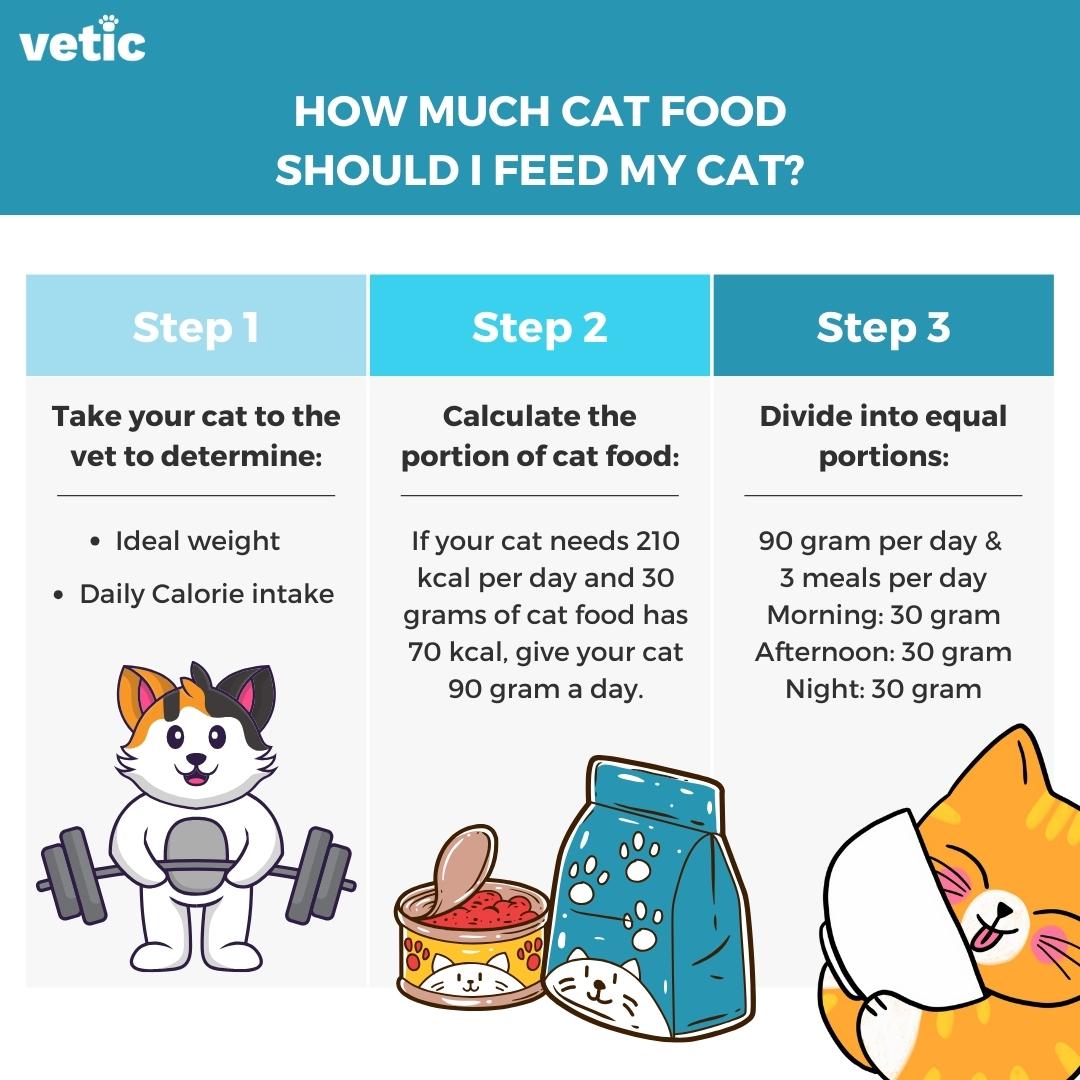
Determining how much cat food per day is crucial for maintaining your cat’s healthy weight. Portion control helps prevent obesity and ensures your furry friend gets the nutrition needed. Adjust the serving size based on age, activity level, and specific dietary needs.
Monitoring your cat’s weight is crucial for ensuring they remain healthy and active. Overfeeding can lead to obesity, while underfeeding may cause nutritional deficiencies. Understanding how to balance your cat’s diet can make a significant difference in their overall well-being. Let’s dive into how you can identify the right feeding amounts through weight monitoring.Signs Of Overfeeding
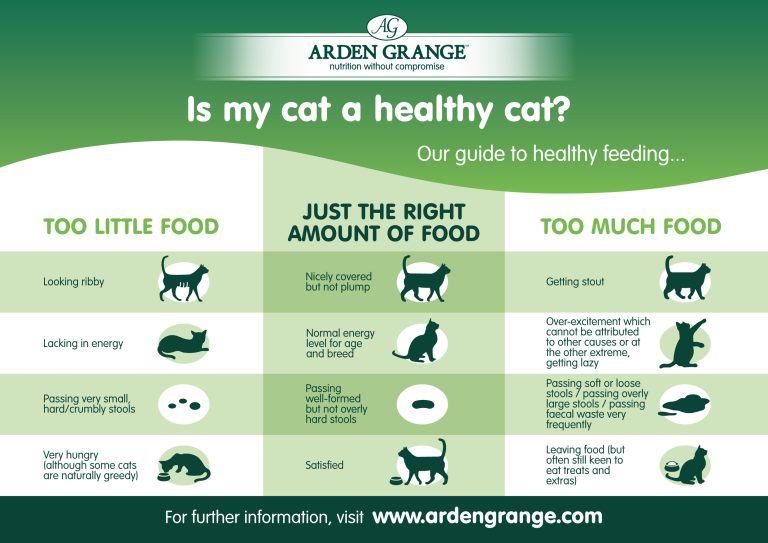
Overfeeding your cat can lead to excessive weight gain. You might notice your cat has a rounded belly or difficulty grooming themselves. Frequent vomiting or lethargy can also be red flags. A personal experience: my cat, Whiskers, became less playful and started gaining weight rapidly. I realized her portions were too large. Adjusting her food intake improved her energy levels dramatically.Signs Of Underfeeding
Underfeeding is another issue to watch out for. If your cat seems overly hungry between meals or you can easily feel their ribs, they might not be getting enough food. A dull coat and decreased activity can also indicate nutritional deficiencies. It’s essential to find the right balance to keep them healthy and happy.Using Weight To Adjust Portions
Weigh your cat regularly to monitor changes. A digital scale can be helpful for accuracy. Create a log to track any weight fluctuations. If your cat is gaining weight, consider reducing their portion sizes slightly. Conversely, if they’re losing weight, you might need to increase their food intake. Have you ever adjusted your cat’s diet based on their weight? It’s a proactive approach that can prevent health issues down the line. Remember, consulting with your veterinarian can also provide tailored advice for your cat’s specific needs. Always aim for a balanced diet that suits your cat’s lifestyle and energy levels.Consulting A Veterinarian
Understanding how much cat food to provide daily can be challenging. Cats have unique nutritional needs that vary with age, weight, and health. Consulting a veterinarian ensures your cat gets the right diet. A vet can offer guidance tailored to your pet’s specific needs.
When To Seek Professional Advice
Consult a vet if unsure about your cat’s diet. Sudden weight changes are a warning sign. If your cat refuses food, seek advice. These could indicate health issues needing attention. A vet can help adjust feeding routines.
Tailoring Diet To Health Issues
Some cats have specific dietary needs. Health conditions like diabetes or kidney disease affect diet choices. A veterinarian can recommend a suitable food plan. This ensures your cat receives balanced nutrition. It helps manage or prevent health problems.
Regular Check-ups
Regular vet visits are vital for your cat’s health. They provide an opportunity to discuss feeding habits. A vet can monitor weight and health changes. This helps in adjusting the diet as needed. Routine check-ups keep your cat healthy and happy.
Frequently Asked Questions
Is 1 Cup Of Food Too Much For A Cat?
The right amount of food depends on the cat’s age, weight, and activity level. Generally, 1 cup might be too much for an average adult cat. Consult your veterinarian to determine the ideal portion for your cat’s specific needs. Overfeeding can lead to obesity and health problems.
How Much Food Should My Cat Eat A Day?
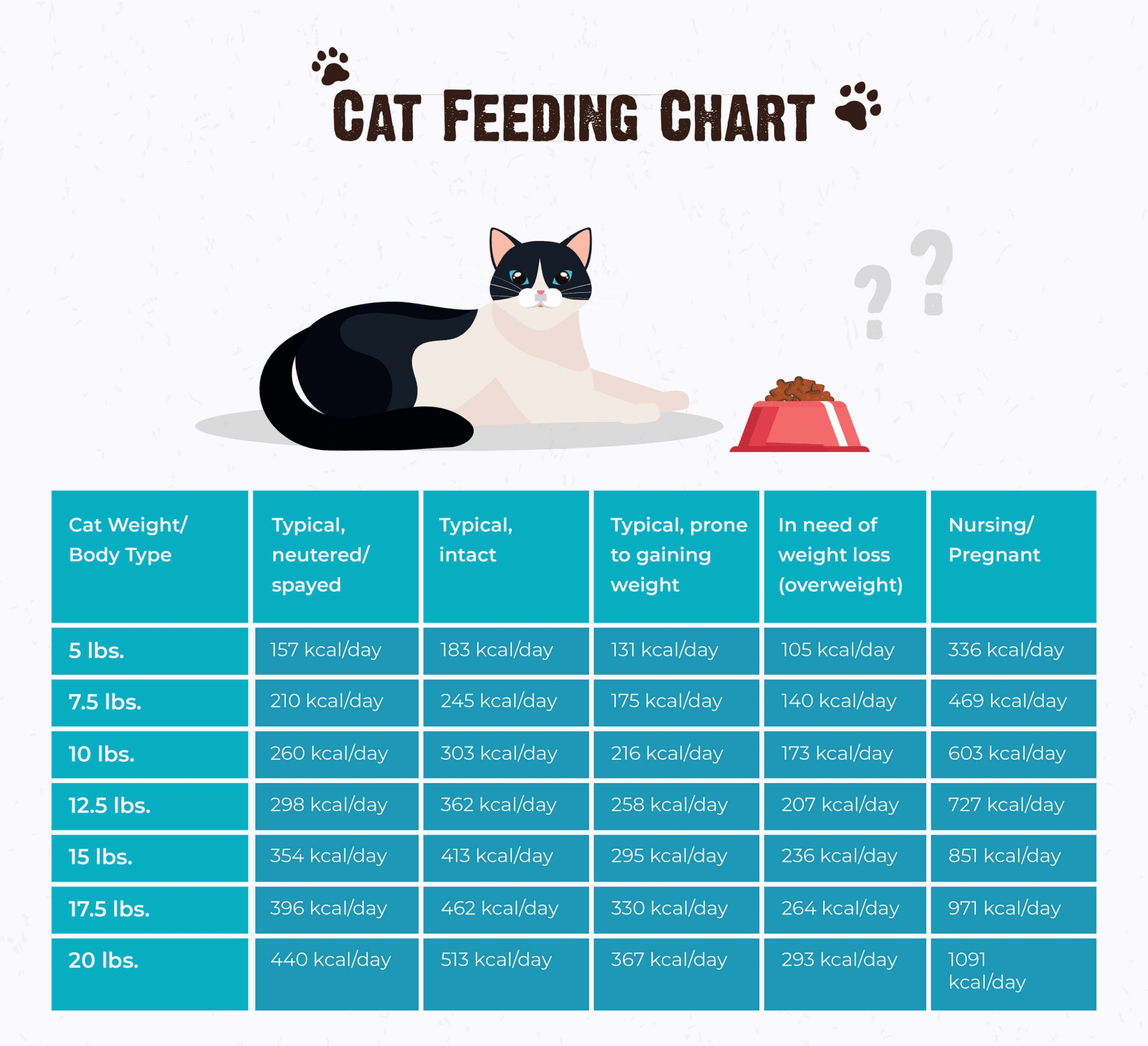
Feed your cat 24-35 calories per pound per day, depending on activity level and age. Adjust portions based on your vet’s advice, cat’s weight, and health. Always ensure fresh water is available.
Is 2 Meals A Day Enough For A Cat?
Feeding a cat twice daily is generally sufficient. Ensure balanced nutrition and portion control for optimal health. Monitor your cat’s weight and energy levels to adjust food intake as needed. Consult a vet for personalized advice. Proper hydration is also important for your cat’s wellbeing.
What Is The 25 Rule For Cat Food?
The 25% rule for cat food means the named ingredient must comprise at least 25% of the product’s weight. This ensures that if the label highlights a specific ingredient, such as chicken, it makes up a significant portion of the food.
Conclusion
Feeding your cat the right amount is vital for their health. Every cat is unique, needing a tailored feeding plan. Consult your vet for specific advice. Always monitor your cat’s weight and energy levels. Adjust food portions as needed. Remember, a balanced diet keeps your cat happy and healthy.
Overfeeding can lead to obesity, while underfeeding may cause malnutrition. Keep an eye on their eating habits. Regular vet check-ups ensure they’re getting what they need. Your furry friend depends on you for their well-being. Make informed choices and enjoy many happy moments together.