How to Treat Roundworms in Cats: Effective Solutions
Your beloved feline friend deserves the best care, and that includes keeping them safe from pesky parasites like roundworms. These unwelcome guests can cause discomfort and health issues for your cat, and if left untreated, they can even pose a risk to your family.
So, how do you ensure your cat stays roundworm-free and healthy? You’re about to discover effective ways to treat roundworms in cats, using straightforward methods that you can easily apply at home. By understanding the symptoms and knowing the right treatments, you can protect your furry companion and maintain a happy, healthy home.
Dive into this guide, and let’s get your cat back to feeling their best!
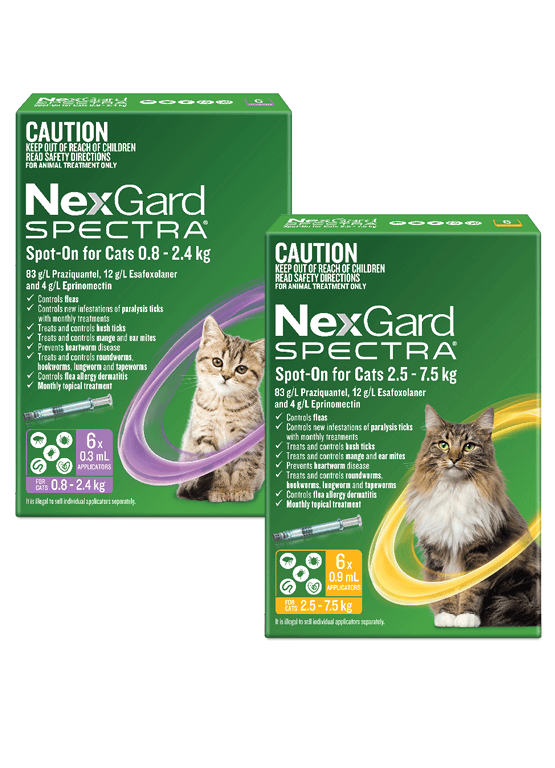
Credit: nexgard.com.au
Identifying Roundworms In Cats
Spotting roundworms in cats can be challenging. Treatment involves deworming medications prescribed by veterinarians. Regular check-ups and proper hygiene help prevent re-infection.
When it comes to caring for your feline friend, understanding potential health issues is crucial. One common concern is roundworms, a type of intestinal parasite. Knowing how to identify them can make a significant difference in your cat’s health and well-being.Common Symptoms
Cats with roundworms often show specific symptoms. You might notice your cat has a pot-bellied appearance or is experiencing weight loss despite a normal appetite. Vomiting and diarrhea can also occur, sometimes with visible worms. Watch your cat’s coat as well. A dull coat can signal underlying health issues, including roundworms. If your cat is scratching or rubbing its bottom, it might be another sign.Causes And Transmission
Roundworms are usually transmitted to cats in a few ways. Kittens can get them from their mother’s milk or while still in the womb. Adult cats might contract them by eating infected prey or coming into contact with contaminated soil. Even indoor cats are not entirely safe, as roundworm eggs can be brought inside on shoes or clothing. Regular vet check-ups and preventive care are essential for every cat’s health. Understanding these points can help you be proactive in caring for your pet. How often do you check your cat for signs of roundworms? Recognizing and addressing the issue early can help keep your cat healthy and happy.:strip_icc()/roundworms-in-cats-3385241_FINAL-b5c2bccc431b4c319e848bd29cda15cf.jpg)
Credit: www.thesprucepets.com
Veterinary Diagnosis
Roundworms in cats require careful attention and treatment. Regular vet check-ups help detect these parasites early. Deworming medications effectively eliminate roundworms, ensuring your cat’s health and comfort.
When your feline friend seems off, suspecting roundworms can be a worry. Veterinary diagnosis is crucial in identifying and treating these pesky parasites. The process involves two main steps: fecal testing and a physical examination. Each step is important to ensure your cat receives the right treatment. Understanding these steps can help you feel more confident during your vet visit.Fecal Testing
Fecal testing is the primary method vets use to detect roundworms in cats. It involves examining a small sample of your cat’s stool. This test checks for the presence of roundworm eggs, which can confirm an infection. The vet will ask you to bring in a fresh stool sample from your cat. You might wonder, “How fresh?” Ideally, it should be collected within a few hours before your appointment. The vet will then analyze the sample under a microscope. This process is quick and usually provides results during the same visit.Physical Examination
A physical examination helps the vet assess your cat’s overall health. During this exam, the vet will look for signs that might indicate a roundworm infection. Common symptoms include a pot-bellied appearance and dull fur. The vet will gently palpate your cat’s abdomen to check for any abnormalities. They might also check your cat’s weight and listen to their lungs and heart. Have you ever noticed your cat coughing or having a bloated tummy? These can be signs of roundworms, and the vet will consider these during the examination. Getting a proper diagnosis through fecal testing and physical examination is essential. It ensures that your cat gets the right treatment promptly. Remember, a healthy cat is a happy cat. Do you think your cat might have roundworms? Don’t hesitate to schedule a vet visit. Your furry friend will thank you!Effective Treatment Options
Roundworms in cats are a common health issue. They can cause discomfort and health problems for your feline friend. Treating them quickly and effectively is essential. There are different options available to help you and your cat. Each has its benefits and considerations. Let’s explore the available treatments.
Prescription Medications
Veterinarians often prescribe medications for roundworm treatment. These medications are powerful and effective. They work by eliminating the worms from your cat’s system. A popular choice is anthelmintic drugs. These are safe for most cats and work fast. Another option is topical treatments. These are applied directly to the skin. They absorb quickly and fight the worms effectively. Always follow your vet’s guidance on dosage and duration.
Over-the-counter Solutions
Over-the-counter solutions are also available for treating roundworms. These products are accessible and easy to use. They often come in liquid or tablet form. Pyrantel pamoate is a common ingredient. It is effective in removing roundworms. These solutions are best for mild infestations. Always read the instructions carefully. Ensure the product is suitable for your cat’s age and weight.
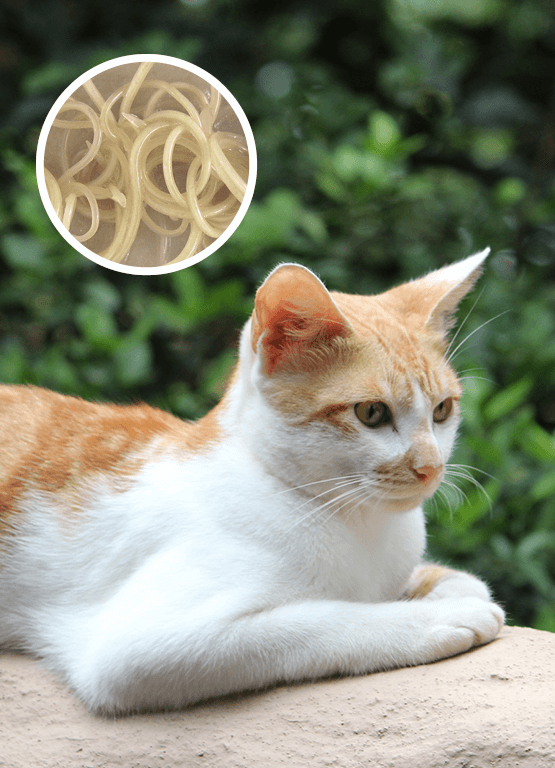
Credit: nexgard.com.au
Natural Remedies
Natural remedies can help treat roundworms in cats safely. Pumpkin seeds are known to eliminate parasites due to their natural compounds. Adding these seeds to a cat’s diet may assist in managing worm infestations effectively.
Are you worried about roundworms in your feline friend? Natural remedies offer a gentle yet effective approach to address this common issue. Many pet owners prefer these methods because they are less invasive and often bring additional health benefits. Plus, they’re easy to implement with items you might already have at home. Let’s dive into some natural solutions that can help your cat stay worm-free.Herbal Treatments
Herbs can be a powerful ally in fighting roundworms. Garlic, for instance, has been used by many pet owners as a natural dewormer. While you should avoid feeding garlic directly to your cat, its extract can be mixed with their food. Pumpkin seeds are another popular choice. They contain cucurbitacin, an amino acid that can paralyze roundworms, making them easier to expel. Grind the seeds into a powder and sprinkle them over your cat’s meals. Have you ever considered the benefits of turmeric? Known for its anti-inflammatory properties, turmeric can help support your cat’s immune system while tackling worms. Mixing a small amount into your cat’s food can work wonders.Dietary Adjustments
Adjusting your cat’s diet is another effective way to treat roundworms. Have you checked the quality of your cat’s food lately? High-quality, protein-rich foods boost your cat’s immune system, making it more resistant to parasites. Adding fiber-rich vegetables like carrots can also help. These veggies act as natural sweeps, cleaning out the intestines and removing worms. Lightly steam and mash them before serving. Consider including probiotics in their diet. Probiotics help maintain a healthy gut flora, which can naturally fend off roundworms. You can find these in supplement form or in certain yogurt brands safe for cats. Are you prepared to make these changes for your cat’s health? By incorporating herbal treatments and dietary adjustments, you can provide a safer, holistic approach to eliminating roundworms. Your feline friend deserves nothing less!Preventing Reinfection
Preventing reinfection of roundworms in cats involves maintaining a clean environment. Regularly sanitize litter boxes and wash bedding. Consistent deworming treatments are essential.
Preventing roundworm reinfection in cats is crucial for their health and your peace of mind. Once you’ve treated your furry friend, the battle isn’t over. You need to ensure your cat stays roundworm-free. Implementing effective hygiene practices and environmental control can significantly reduce the risk of reinfection. Let’s dive into some practical ways to safeguard your cat from these pesky parasites.Hygiene Practices
Keeping your cat’s living area clean is vital. Regularly wash and disinfect your cat’s bedding and toys. This simple step can prevent the spread of roundworm eggs. You might be surprised at how much dirt accumulates in these places. Wash your hands after handling your cat or cleaning its litter box. Roundworms can transfer to humans. This small act of hygiene can protect both you and your pet. Don’t forget to clean your cat’s litter box daily. Roundworm eggs can linger in feces, making reinfection likely. A clean litter box can act as a first line of defense.Environmental Control
Ensure your home environment is free from potential roundworm hotspots. Vacuum your carpets and floors frequently. Roundworm eggs can hide in the smallest of crevices. Consider using a pet-safe disinfectant for your floors. This can eliminate any lurking roundworm eggs. Keeping your environment sanitized can significantly reduce the risk of reinfection. If your cat ventures outdoors, keep an eye on its movements. Outdoor spaces can be breeding grounds for roundworms. Limiting outdoor time can be a simple yet effective preventive measure. Taking these steps doesn’t just protect your cat from reinfection. It also ensures a cleaner, healthier home for everyone. What changes will you make to safeguard your furry friend?When To Consult A Vet
Cats with roundworms need timely care. Symptoms like vomiting, diarrhea, or a bloated belly require a vet consultation. Early treatment prevents complications and ensures your cat stays healthy.
When dealing with roundworms in cats, knowing when to consult a vet is crucial. Cats often hide illness well, making it harder to detect issues early. Recognizing the right time to seek professional help can ensure your cat’s health and well-being. Below are some key indicators and practices that can guide you on when to consult a vet.Warning Signs
Look for changes in your cat’s behavior. Lethargy or a sudden loss of appetite are red flags. Vomiting or diarrhea might indicate a roundworm infection. Notice if your cat’s coat appears dull or unkempt. These signs often signal underlying health issues. If you see any of these symptoms, contact your vet immediately.Routine Check-ups
Regular vet visits are essential for your cat’s health. These visits help in early detection of roundworms. Vets can perform fecal tests to spot worm eggs. Schedule annual or bi-annual check-ups for your feline friend. Your vet can recommend a deworming routine tailored to your cat’s needs. Regular check-ups keep your cat healthy and free from parasites.Frequently Asked Questions
How Do You Treat Roundworms In Cats At Home?
Treat roundworms in cats using over-the-counter deworming medication. Ensure proper dosage based on your cat’s weight. Consult your vet for guidance and follow instructions carefully. Maintain cleanliness by regularly cleaning litter boxes and surroundings to prevent re-infection. Always prioritize professional advice for effective treatment.
How Long Does It Take For A Cat To Get Rid Of Roundworms?
Cats usually get rid of roundworms in two to three weeks with proper medication. Treatment involves deworming medications prescribed by a vet. Ensure your cat receives follow-up care to prevent reinfection. Regular vet check-ups and hygiene practices help maintain your cat’s health and prevent future infestations.
Can I Touch My Cat If It Has Roundworms?
Avoid touching your cat with roundworms. Wash hands thoroughly if contact occurs. Consult a vet for treatment options. Keep your cat’s living area clean to prevent spreading.
Do I Need To Clean My House If My Cat Has Roundworms?
Yes, cleaning your house is essential if your cat has roundworms. Roundworm eggs can spread in the environment. Regularly disinfect surfaces and vacuum carpets to reduce infection risk. Always wash your hands after handling your cat or cleaning its litter box to prevent transmission.
Conclusion
Treating roundworms in cats is crucial for their health. Regular vet check-ups help detect worms early. Medication, prescribed by vets, effectively removes roundworms. Keep your cat’s environment clean to prevent reinfection. Ensure your cat’s litter box is cleaned daily. Wash your hands after handling your cat.
Feed them nutritious food to boost their immunity. Educate yourself on symptoms of roundworm infection. Always consult your vet for the best treatment options. A healthy cat equals a happy home. Protect your feline friend with regular care and attention.
Your cat’s well-being is worth the effort.