
Are you ever puzzled about how much cat food your feline friend really needs? It’s a common question among pet owners who want the best for their beloved cats.
You might be feeding your cat too much or too little without even realizing it. This uncertainty can lead to health issues down the road, which is something every cat owner wants to avoid. Imagine the peace of mind you’ll have when you know exactly how many ounces of cat food are ideal for your furry companion each day.
You can ensure they are getting just the right amount of nutrients they need to stay healthy and happy. We’ll guide you through understanding your cat’s dietary needs in a straightforward way, so you can make informed decisions about their meals. Let’s dive in and uncover the secrets to optimal feeding for your cat!
Daily Caloric Needs
Understanding your cat’s daily caloric needs is essential for their health. Cats require a balanced diet to maintain energy and overall well-being. Feeding the right amount prevents obesity and related health issues. But how do you determine the right amount of food? Let’s break it down.
Factors Influencing Caloric Requirements
Several factors affect a cat’s daily caloric needs. These include age, weight, and activity level. Each cat is unique, so consider these factors carefully. Environmental conditions and metabolic rate also play a role. A cat living in colder climates may need more calories.
Age And Activity Level
A kitten’s caloric needs differ from an adult cat’s. Kittens need more calories for growth and energy. Adult cats have more stable caloric requirements. Active cats burn more calories than sedentary ones. Indoor cats might need fewer calories than outdoor explorers.
Health And Weight Considerations
Health issues can impact a cat’s caloric needs. Overweight cats may require fewer calories to shed pounds. Underweight or ill cats might need more to gain strength. Always consult a vet for tailored dietary advice. Regular check-ups help ensure your cat’s diet is on track.

Credit: omaspride.com
Types Of Cat Food
Cats need a balanced diet for health. Wet or dry food options vary. Cats generally eat 4-5 ounces of wet food per day. Adjusting portions based on activity and weight is vital.
When deciding how many ounces of cat food your feline friend needs each day, understanding the different types of cat food is essential. Choosing the right food can significantly impact your cat’s health and happiness. Whether you’re a new cat owner or a seasoned pet parent, knowing the differences between wet and dry food, recognizing quality ingredients, and understanding specialty diets can help you make informed decisions.Wet Vs. Dry Food
Wet and dry cat foods are the two primary choices available. Wet food often comes in cans or pouches and has a high moisture content, which can be beneficial for cats who need extra hydration. Dry food, on the other hand, is convenient for free-feeding and helps with dental health. Each type has its pros and cons. Consider your cat’s lifestyle and preferences when choosing.Quality Ingredients
Always check the ingredient list on the cat food label. High-quality proteins should be at the top. Avoid food with excessive fillers like corn or soy, as they offer little nutritional value. Look for foods that list real meat as the first ingredient. Your cat’s health is worth the investment in better ingredients.Specialty Diets
Some cats have specific dietary needs due to health issues or life stages. Specialty diets, like grain-free or senior cat formulas, can address these needs. Consult with your vet if you think your cat might benefit from a specialized diet. They can guide you in choosing the right food for your pet’s unique requirements. Have you ever noticed a change in your cat’s behavior or health after switching foods? Paying attention to these details can guide you to the best choice for your feline’s needs. Remember, the right food can make all the difference in your cat’s well-being.Measuring Food Portions
Measuring food portions for your feline friend can be a puzzling task. You want your cat to be healthy, but how much is too much? Striking the right balance is essential. Feeding your cat the correct amount ensures they get the nutrients they need without overeating. Let’s dive into practical ways to measure food portions effectively.
Using A Food Scale
Accuracy matters when it comes to feeding your cat. Have you ever wondered if your “cup” of cat food is really accurate? A food scale can be your best friend here. Weighing your cat’s food helps you stick to the recommended portions without guesswork.
With a digital food scale, you can easily measure ounces. If the package suggests feeding your cat 3 ounces, the scale ensures you are spot on. It’s like having a personal assistant to ensure your cat’s diet is just right.
Reading Labels
Labels hold a wealth of information. They tell you the serving size, the nutritional content, and often suggest daily feeding amounts. But do you read them thoroughly?
Next time, spend an extra minute analyzing the label. Consider the calorie content and adjust according to your cat’s activity level and weight. This ensures you aren’t overfeeding or underfeeding, leading to a balanced diet.
Adjusting Portions
Every cat is unique. Some are active, some are couch potatoes. So, how do you adjust portions accordingly?
Start by observing your cat’s weight and activity. If your cat is gaining too much weight, reduce the portions slightly. Conversely, if they seem underweight, increase the portions. It’s a dynamic process that evolves with your cat’s lifestyle.
Remember, portion control is not a one-time task. It requires regular assessment and adjustment. Are you ready to ensure your cat gets the perfect meal every day?
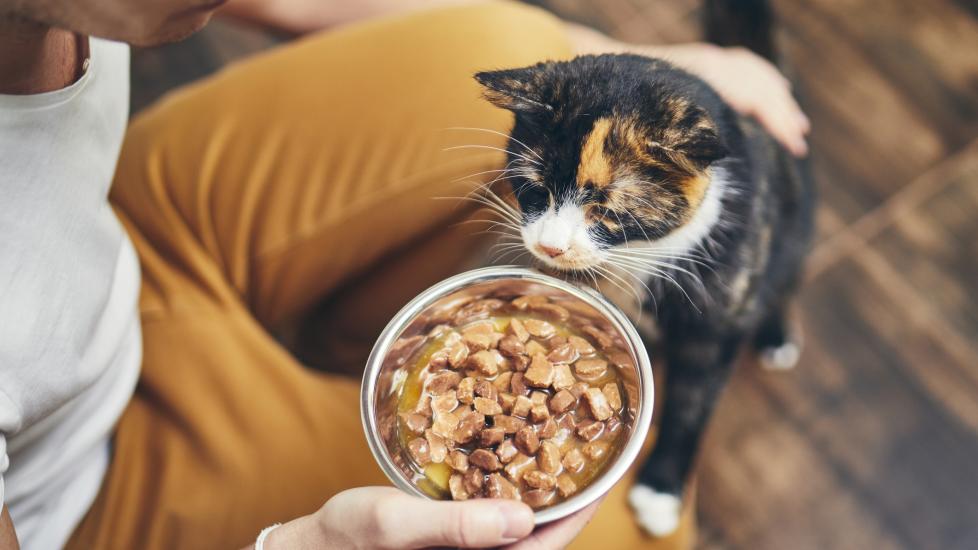
Credit: www.petmd.com
Feeding Schedules
Feeding schedules play a vital role in your cat’s health. A structured routine ensures your feline gets the right amount of nutrition. It helps maintain their weight and keep them energetic.
Establishing Routine
A consistent routine gives your cat a sense of security. Feed your cat at the same times each day. This helps in managing their dietary habits. It also reduces stress around meal times.
Free Feeding Vs. Scheduled Meals
Free feeding allows cats to eat whenever they want. This can lead to overeating and weight gain. Scheduled meals help control portions and promote healthy eating habits. Choose the method that suits your cat’s lifestyle.
Adjusting Schedule As Needed
Observe your cat’s eating patterns. Adjust the schedule based on their needs. Changes in age or health might require modifications. Regularly review their eating habits to ensure optimal nutrition.
Signs Of Overfeeding
Cats might show signs of overfeeding such as weight gain and lethargy. Adjusting the daily food intake to about 4-5 ounces can help maintain a healthy balance. Monitoring eating habits ensures your cat stays active and fit.
Feeding your cat the right amount of food is crucial for its health and wellbeing. But sometimes, it’s easy to give in to those pleading eyes and serve more than necessary. Overfeeding can lead to several health issues that you should watch out for. Recognizing these signs can help you adjust your feeding habits and ensure your feline friend stays healthy and happy.Weight Gain
Notice your cat is looking a bit chubby? Weight gain is one of the most obvious signs of overfeeding. A healthy cat should have a visible waistline and you should be able to feel, but not see, its ribs easily. Excess weight can lead to more severe problems like diabetes and arthritis. Is your cat struggling to jump onto its favorite perch lately? It might be carrying a few extra ounces.Lethargy
Has your cat turned into a couch potato? Overfeeding can cause lethargy, making your cat less active and playful. Cats that consume excess calories may become sluggish and sleep more than usual. Do you remember when your cat used to chase after toys with vigor? A decrease in energy might be a sign it’s time to cut back on the kibble.Digestive Issues
Digestive problems can be another indicator of overfeeding. This could manifest as vomiting, diarrhea, or constipation. These issues are not just uncomfortable for your pet, but they can lead to further health complications. If you notice your cat frequently experiencing these symptoms, it might be time to reevaluate its diet. Would you want to live with stomach aches every day? Neither does your cat. Being vigilant about these signs can prevent long-term health issues. Adjusting your cat’s food intake may require a bit of trial and error, but your furry friend’s health is worth it. How can you ensure your cat maintains a healthy weight and energy level? Start by paying attention to these signs and consult with your vet to find the right balance.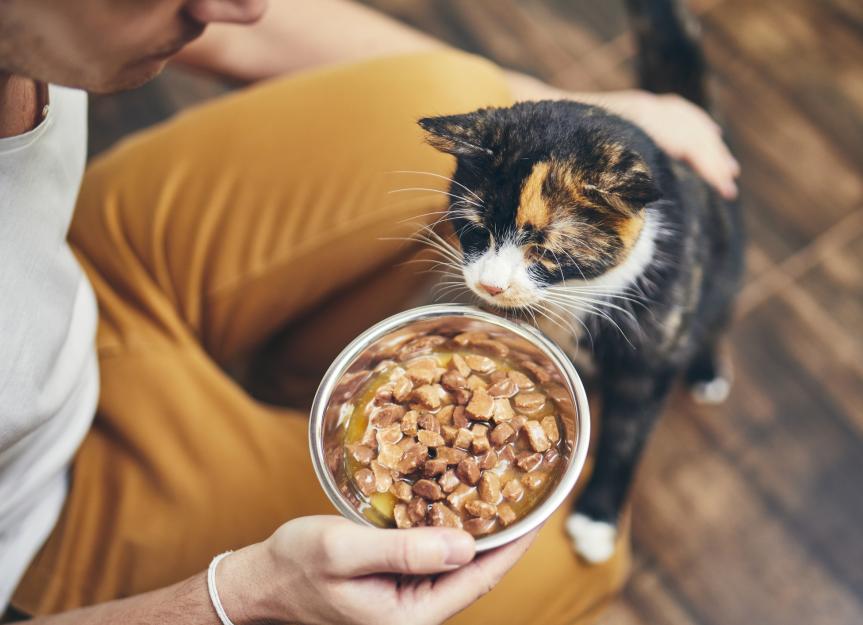
Credit: www.petmd.com
When To Consult A Veterinarian
Consult a veterinarian if unsure about the right cat food ounces per day. Sudden weight changes or unusual eating habits can signal issues. Professional advice ensures your cat’s health and proper nutrition.
When determining how many ounces of cat food your feline friend should consume daily, several factors come into play. However, there are times when feeding guidelines can’t address specific issues, and that’s when it’s crucial to consult a veterinarian. Knowing when to seek professional advice can ensure your cat stays healthy and happy.Unusual Eating Behavior
If your cat suddenly starts ignoring its favorite meal or is constantly begging for more food, it’s time to pay attention. Cats are creatures of habit, and changes in their eating patterns can signal underlying issues. Consider if a new brand of food or a change in feeding schedule has occurred, but if not, a vet’s perspective can be invaluable.Sudden Weight Changes
Rapid weight gain or loss is a red flag. If your cat seems heavier or lighter over a short period, this could indicate health problems. Perhaps you’ve noticed your cat’s collar fitting differently or its spine feeling more pronounced. These observations warrant a vet visit to rule out conditions like diabetes or thyroid issues.Health Concerns
Beyond eating habits and weight, other health concerns may necessitate a vet consultation. Persistent vomiting, diarrhea, or lethargy can be linked to dietary issues. Has your cat been more withdrawn or less playful? These changes, coupled with appetite shifts, are significant enough to seek veterinary advice. Understanding your cat’s normal behavior and being vigilant about changes can make a big difference. Have you ever experienced a sudden change in your cat’s eating habits? What steps did you take to address it? Sharing experiences can help others recognize the importance of timely veterinary consultations.Frequently Asked Questions
Is 1 Cup Of Dry Food A Day For A Cat Too Much?
One cup of dry food may be too much for some cats. Consult your vet for personalized feeding recommendations. Cats’ dietary needs vary based on age, weight, and activity level. Overfeeding can lead to obesity. Always provide fresh water alongside dry food.
How Much Cat Food Should My Cat Eat Daily?
The daily amount depends on your cat’s weight and activity level. Generally, a cat needs about 20 calories per pound. For a 10-pound cat, this equals 200 calories. Check your cat food package for specific guidance based on these factors.
Can I Feed My Cat Once A Day?
Feeding once a day isn’t ideal for most cats. Cats generally prefer smaller meals throughout the day. Providing two or three meals can help maintain their energy levels. It’s important for their digestion and overall health.
How Do I Calculate Cat Food Ounces?
Calculate ounces based on calories your cat needs. Check the food packaging for calorie content per ounce. Divide your cat’s daily calorie needs by the calorie content per ounce to find the correct amount.
Conclusion
Finding the right amount of cat food is essential. Cats need balanced nutrition to stay healthy. Measure their food carefully. Watch for signs of hunger or weight gain. Adjust portions if needed. Consult your vet for personalized advice. Every cat is unique.
Age, size, and activity level matter. Provide fresh water daily. Keep their diet consistent for best results. Understand your cat’s needs for a happy pet. Proper feeding ensures a long, healthy life. Your feline friend will thank you. Happy feeding!