How Do I Potty Train My Cat: Expert Tips Revealed
Have you ever thought about how convenient it would be if your cat could use the toilet? No more litter box messes or that persistent smell lingering in your home.
If you’re nodding along, you’re not alone. Many cat owners are curious about potty training their feline friends. Imagine the time and effort you’d save by ditching the litter box. Plus, think about the bragging rights you’d have when you tell your friends that your cat uses the toilet like a pro.
But how do you even start potty training your cat? Is it possible for every cat, or just a select few? And what are the steps to ensure success without stressing out your furry companion? You might be surprised at how simple the process can be, and with the right approach, it might just become one of the most rewarding experiences for both you and your cat. Ready to discover the secrets to a cleaner home and a smarter cat? Keep reading to unlock the steps to a litter-free lifestyle.
Benefits Of Cat Potty Training
Teaching your cat to use a litter box enhances cleanliness at home. It reduces unpleasant odors and mess, ensuring a tidy environment. Proper training also promotes your cat’s independence and comfort.
Potty training your cat can be a game-changer in your household. Imagine a world where you no longer need to deal with litter boxes. Not only is this a huge convenience for you, but it also offers numerous benefits for your feline friend. Let’s dive into why potty training your cat might be the best decision you make this year.Reduces Odor In Your Home
One of the biggest advantages of cat potty training is the reduction of unpleasant odors. Litter boxes can often be a source of unwanted smells, even when cleaned regularly. By training your cat to use the toilet, you can keep your home smelling fresh and inviting.Saves Money On Litter
Think about how much you spend on cat litter each month. Those costs add up quickly. By teaching your cat to use the toilet, you eliminate the need for litter altogether, saving you money over time.Less Cleaning For You
Cleaning a litter box is no one’s favorite chore. Potty training your cat means you can say goodbye to this task. You’ll have more time for activities you enjoy and less time spent on cleaning.Better For The Environment
Traditional cat litter can be harmful to the environment. It often ends up in landfills and contributes to waste. By ditching the litter box, you’re making an eco-friendly choice that benefits the planet.Improves Hygiene
A cleaner bathroom is a healthier bathroom. Without the litter box, there’s less risk of bacteria and germs spreading in your home. This can lead to a healthier environment for both you and your pet. Have you ever thought about how potty training might make your cat feel more like a part of the family? When my cat, Muffin, started using the toilet, it felt like she was joining us in our daily routines. This small change brought us closer and made our home feel more harmonious. Are you ready to take the plunge and start potty training your cat? The benefits are clear, and the process might be easier than you think. Give it a try and see the positive changes it can bring to your home!Understanding Feline Behavior
Training your cat to use a litter box involves patience and consistency. Start by placing the box in a quiet area. Encourage your cat with gentle guidance and keep the box clean.
Understanding your cat’s behavior is crucial for successful potty training. Cats have unique instincts and habits. Recognizing these can make the process smoother. Each cat behaves differently, but some common patterns exist. Let’s explore these behaviors.Natural Instincts
Cats are naturally clean animals. They prefer burying waste to hide their scent. This instinct is a key advantage in potty training. Cats also have a strong territorial sense. They often return to the same spot for their needs. Understanding this can help in establishing a litter box routine. Cats are sensitive to changes. They may resist new locations for their litter box. Gradual changes work best.Common Potty Challenges
Potty training cats can face several challenges. Some cats refuse to use the litter box. This can happen due to stress or health issues. Others may not like the litter type. Observing your cat’s preferences is important. Sometimes, the litter box location is the problem. It should be in a quiet, accessible place. Multi-cat households may need multiple litter boxes. Cats also dislike dirty boxes. Regular cleaning is necessary to encourage use. Understanding these challenges aids in effective training.Choosing The Right Equipment
Selecting the right equipment simplifies cat potty training. Start with a sturdy litter box and quality litter. Ensure the box is easily accessible, encouraging your cat’s natural instincts.
Choosing the right equipment is crucial in potty training your cat. Just as you wouldn’t use a tiny litter box for a large cat, the right equipment can make a world of difference. Let’s dive into the essentials to ensure your feline friend successfully adapts to their new bathroom habits.Types Of Litter Boxes
The type of litter box you choose can affect how quickly your cat adapts. Open litter boxes are great for easy access and are usually preferred by cats who like a spacious area. Covered litter boxes offer privacy, which some cats might find comforting, but be aware they can also trap odors. Have you ever wondered why your cat hesitates to use the litter box? It might not be about the box itself, but its location and design. Consider a self-cleaning litter box if you’re often away; it keeps the area clean and inviting.Litter Selection
Choosing the right litter is equally important. Clumping litter is easy to clean and helps control odors. Non-clumping litter might be more budget-friendly, but it requires more frequent changes to keep it fresh. Your cat’s paws are sensitive, so consider the texture of the litter. Some cats prefer softer, sand-like litter, while others are comfortable with pellet-based options. Experimenting with different types might help you find the perfect match for your cat. Have you ever tried switching litter brands and noticed a change in your cat’s behavior? It could be a sign they’re not comfortable with the new texture or scent. Always introduce new litter gradually to ensure your cat is happy and stress-free. In choosing the right equipment, remember that every cat is unique. What works for one may not work for another. By paying attention to your cat’s preferences, you ensure a smoother potty training journey.Step-by-step Training Process
Training your cat to use the potty might sound like an ambitious project, but breaking it down into manageable steps can make it feasible. This process involves patience and consistency, and the rewards are worth it—a cleaner home and a happier pet. Let’s dive into the step-by-step training process that can get your feline friend comfortably using a litter box.
Introducing The Litter Box
Start by choosing the right litter box. Make sure it’s large enough for your cat to move around comfortably. Place it in a quiet, accessible area where your cat spends most of their time.
Let your cat explore the litter box at their own pace. Sprinkle a bit of litter on top to pique their curiosity. Do you notice your cat sniffing around? That’s a good sign they’re getting familiar with their new bathroom spot.
Creating A Routine
Establishing a routine is crucial. Cats thrive on consistency, so feeding them at the same time each day can help schedule their bathroom habits. After meals, gently guide your cat to the litter box.
Does your cat seem uninterested? Try placing them in the box and let them dig their paws in. This action can trigger their instinct to bury waste, reinforcing the litter box as their go-to spot.
Gradual Transition
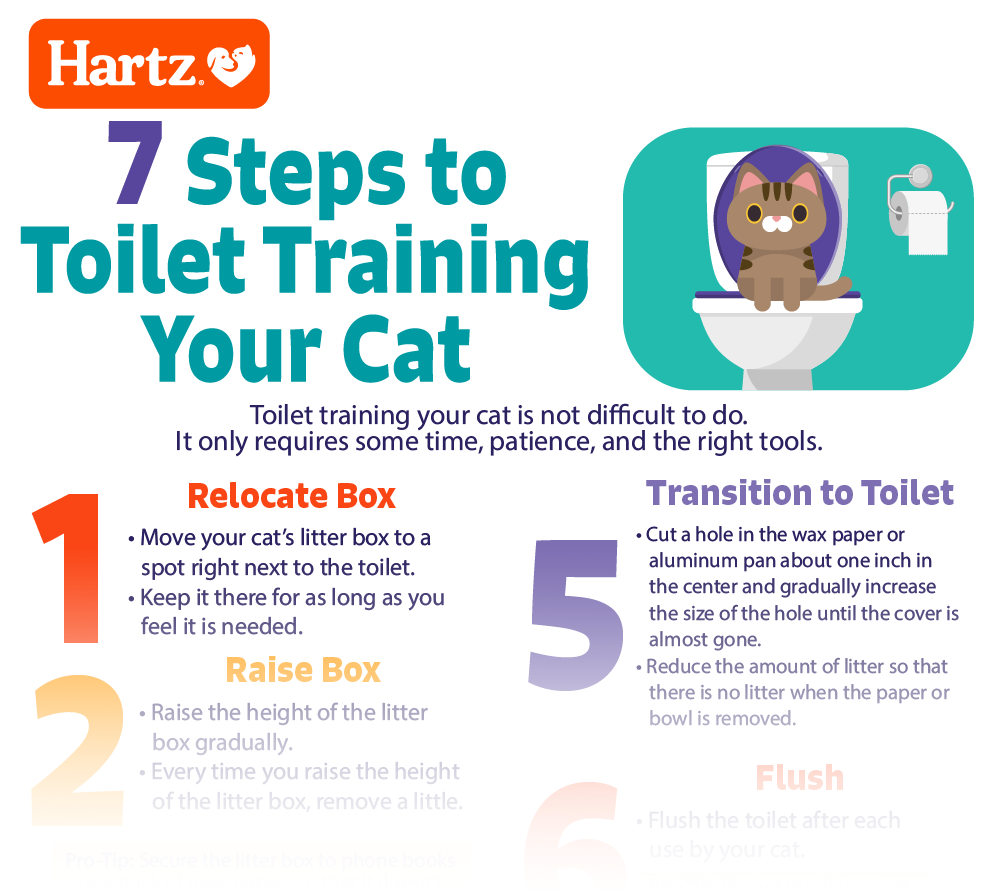
Once your cat is comfortable using the litter box, it’s time to gradually shift it towards the bathroom. Move the box a few inches each day, ensuring it’s still accessible to your cat.
If your cat resists, pause the relocation until they adjust. You’re aiming for a seamless transition without stress. Over time, your cat will adapt to the new location, associating it with their natural bathroom routine.
Training your cat to use a litter box is a journey. What challenges have you faced so far? By following these steps, you’ll likely find yourself celebrating small victories along the way.
Troubleshooting Common Issues
Potty training a cat involves patience and consistency. Start by placing a litter box in a quiet spot. Gradually introduce your cat to the litter box, encouraging use after meals and naps.
Potty training a cat can be challenging. Common issues often arise. Knowing how to tackle these problems helps ensure success. Below, we delve into solutions for frequent obstacles.Addressing Accidents
Accidents can happen during the training process. First, stay calm. Cats sense stress and may feel anxious. Clean accidents immediately using enzyme cleaners. These remove odors and discourage repeat incidents. Ensure the litter box is always clean. Cats dislike dirty boxes. Maintain a regular cleaning schedule. This encourages proper use. Check the location of the litter box. It should be quiet and private. Cats prefer a peaceful spot for their business.Handling Resistance
Some cats resist using a litter box. Observe their behavior closely. Identify any fears or discomforts. Introduce the litter box gradually. Let your cat explore it without pressure. Reward them with treats for curious behavior. Consider the type of litter. Some cats dislike certain textures or scents. Try different options to find the right fit. Patience is key. Training takes time and understanding. Keep the process positive and supportive.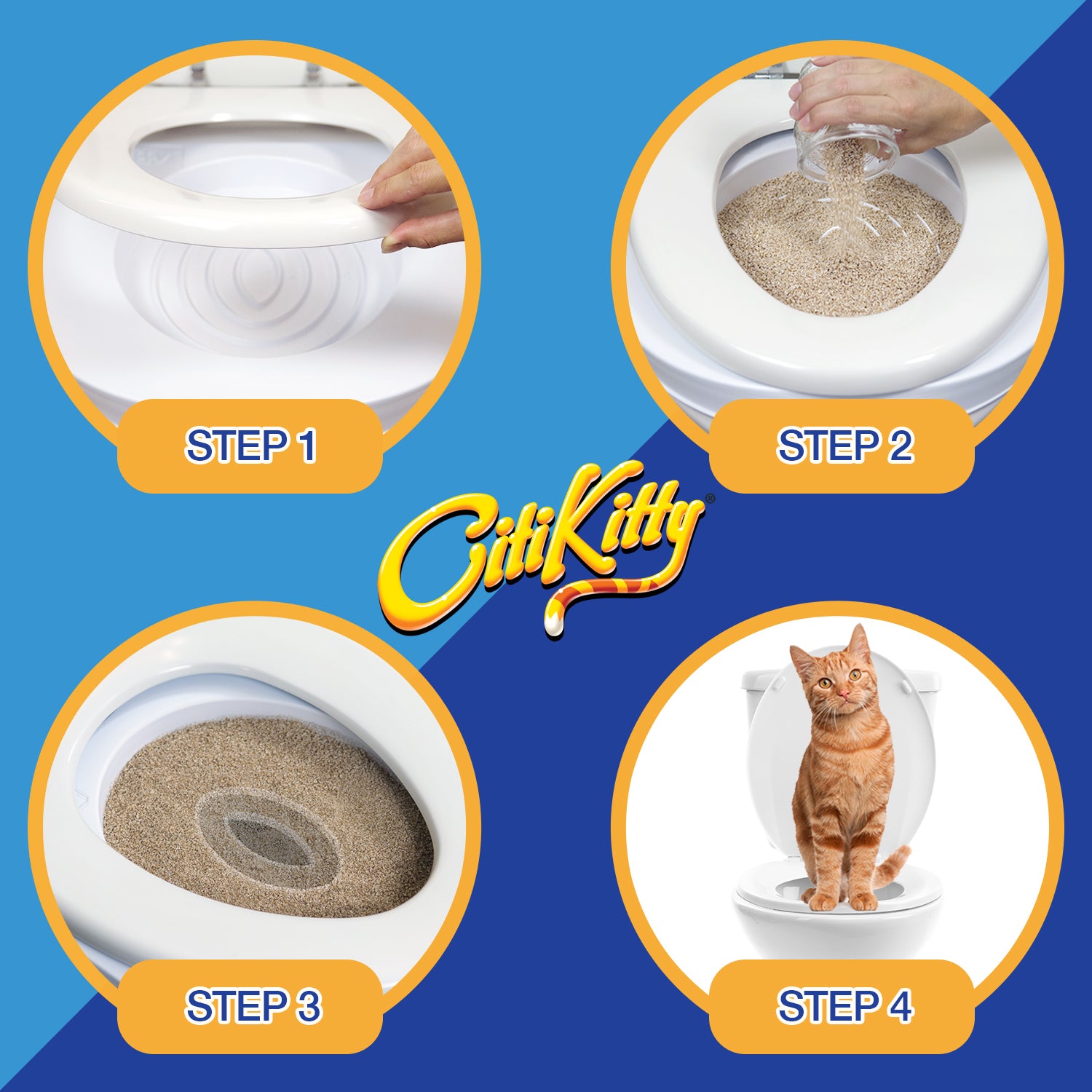
Credit: extraordinary.care
Maintaining Success
Training your cat to use the litter box can be simple with patience and consistency. Start by placing the litter box in a quiet, accessible spot. Encourage your cat to explore and reward their progress with treats.
Potty training a cat can seem like a daunting task, but once you’ve nailed the basics, maintaining success is crucial. It’s not just about teaching your cat to use the litter box or toilet; it’s about ensuring they continue to do so happily and healthily. This requires a bit of effort and consistency on your part, but the rewards of a clean and odor-free home are well worth it.Consistency And Patience
Consistency is your best friend. Stick to the routine that worked during the initial training phase. Cats love predictability, so sudden changes can lead to setbacks. If you notice any lapses, consider whether anything in their environment has changed. A new pet, a move, or even rearranging furniture can impact your cat’s behavior. Be patient and allow your cat time to adjust. Patience is equally important. Every cat is different and learns at their own pace. Celebrate small victories and stay calm if accidents happen.Regular Cleaning
Maintaining a clean potty area is crucial for ongoing success. Cats have a keen sense of smell and are particular about cleanliness. Ensure that the litter box or toilet is cleaned regularly. This keeps it inviting for your cat and reduces the chance of them going elsewhere. Use unscented cleaning products to avoid deterring your cat with strong smells. A clean space signals to your cat that this is the right place to go. Have you ever noticed your cat inspecting the cleanliness of their potty spot? It’s their way of telling you how important it is! Consider their preferences and act accordingly. By keeping a consistent routine and maintaining a clean environment, you set your cat up for long-term success in potty training. Your commitment will ensure your feline friend continues to use their designated spot with confidence.Expert Insights And Tips
Potty training your cat can be simple with expert advice. Start by introducing a litter box gradually. Maintain a clean environment and be patient with your feline friend.
Transitioning your cat from litter box to toilet might seem like a daunting task. But with expert insights and practical tips, you can make this process smoother and less stressful for both you and your feline friend. Discover what veterinarians and experienced cat owners have to say about successfully potty training your cat.Veterinarian Advice
Veterinarians emphasize the importance of understanding your cat’s behavior and preferences. They suggest starting the training when your cat is still a kitten, as young cats adapt more easily to new habits. However, older cats can learn too, with patience and consistency. One key piece of advice is to use a training kit designed for cats. It often includes a special seat that fits over your toilet, making the transition easier for your pet. Make sure to praise and reward your cat with treats when they successfully use the toilet. This positive reinforcement encourages them to repeat the behavior. Veterinarians also warn against rushing the process. Cats need time to adjust to changes. Ask yourself, is your cat comfortable at each stage of the training? If not, give them a little more time before moving on to the next step.Experienced Cat Owners
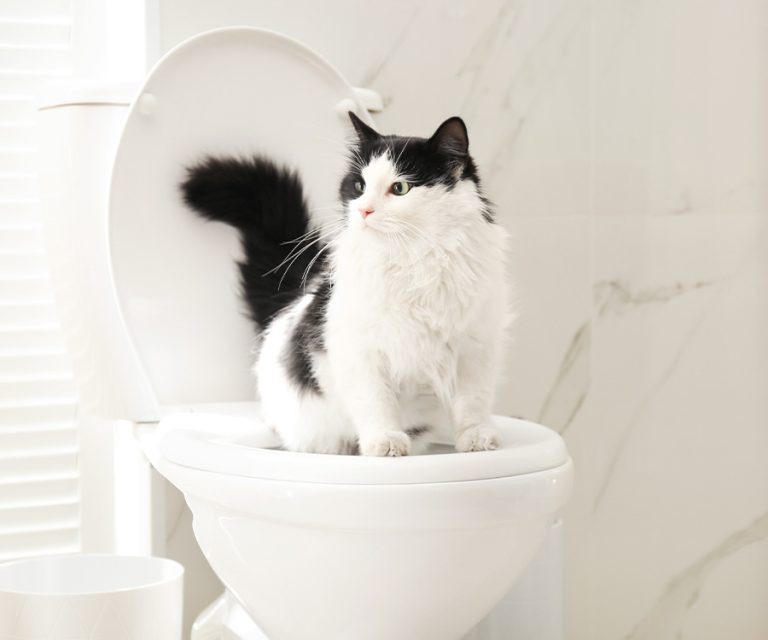
Seasoned cat owners often have a wealth of tips based on their own experiences. Many suggest starting by moving the litter box closer to the toilet every few days. Once your cat is used to the new location, gradually raise the height of the litter box until it’s level with the toilet seat. They also recommend keeping the toilet lid up and the seat down, so your cat gets used to jumping onto it. Some cat owners share stories of their cats initially being skeptical about the toilet. They found that placing a small amount of litter into the toilet training kit helped ease their cat’s transition. Experienced owners highlight the importance of patience. Every cat learns at their own pace. It’s crucial to observe your cat’s behavior and adjust your approach accordingly. Remember, a relaxed and stress-free environment is key to successful training. Have you considered how your cat might react to the sound of the toilet flushing? Some cats may find it alarming. Turning this into a positive experience, like flushing after your cat uses the toilet while offering a treat, can help your cat associate the sound with something good. By following these expert insights and tips, you’re well on your way to having a toilet-trained cat. Have you started potty training your cat yet? What challenges are you facing? Let’s create a supportive community by sharing our experiences in the comments below.
Credit: www.banfield.com

Credit: www.associatedregistry.com
Frequently Asked Questions
Are Cats Easy To Potty Train?
Cats are generally easy to potty train. Most prefer using a litter box naturally. Start by placing the box in a quiet location and keep it clean. Encourage your cat by showing them the box after meals. Consistent training helps reinforce the habit quickly.
How Long Does It Take To Potty Train Your Cat?
Potty training a cat typically takes 2 to 4 weeks. Consistency and patience are key for success. Each cat’s learning pace varies. Use a litter box and gradually transition to the toilet. Positive reinforcement encourages faster adaptation. Monitor progress and adjust methods as needed for effective training.
How To Potty Train An Indoor Cat?
To potty train an indoor cat, choose a quiet spot for the litter box. Introduce your cat to the box after meals. Praise and reward them when they use it. Clean the box regularly to encourage consistent use. Be patient and avoid punishment for accidents.
At What Age Are Cats Fully Potty Trained?
Cats are usually fully potty trained by 6 to 8 weeks of age. Provide a clean litter box and positive reinforcement. Training can vary based on individual cats.
Conclusion
Training your cat to use the toilet is possible. It requires patience and consistency. Start with a clean, inviting space. Gradually move the litter box closer to the toilet. Use treats to encourage positive behavior. Stay calm during setbacks. Cats respond well to calm, steady routines.
Celebrate small victories. Remember, each cat learns at its own pace. Keep sessions short and engaging. Soon, you’ll enjoy a cleaner, more convenient environment. Happy cat, happy home. With time, your furry friend will adapt. Trust the process, and enjoy the journey.