Can Cat Food Harm Dogs? Uncover the Truth
Are you curious about what goes into your cat’s food? You’re not alone.
As a pet owner, you want the best for your furry friend, but decoding the labels on cat food can be tricky. Can cat food really meet all your pet’s nutritional needs, or is there more you should know? This article is here to help you navigate the world of cat food with confidence.
By the end, you’ll understand what makes a quality cat food and how to choose the best one for your feline companion. Ready to discover the secrets behind those cans and bags? Let’s dive in!
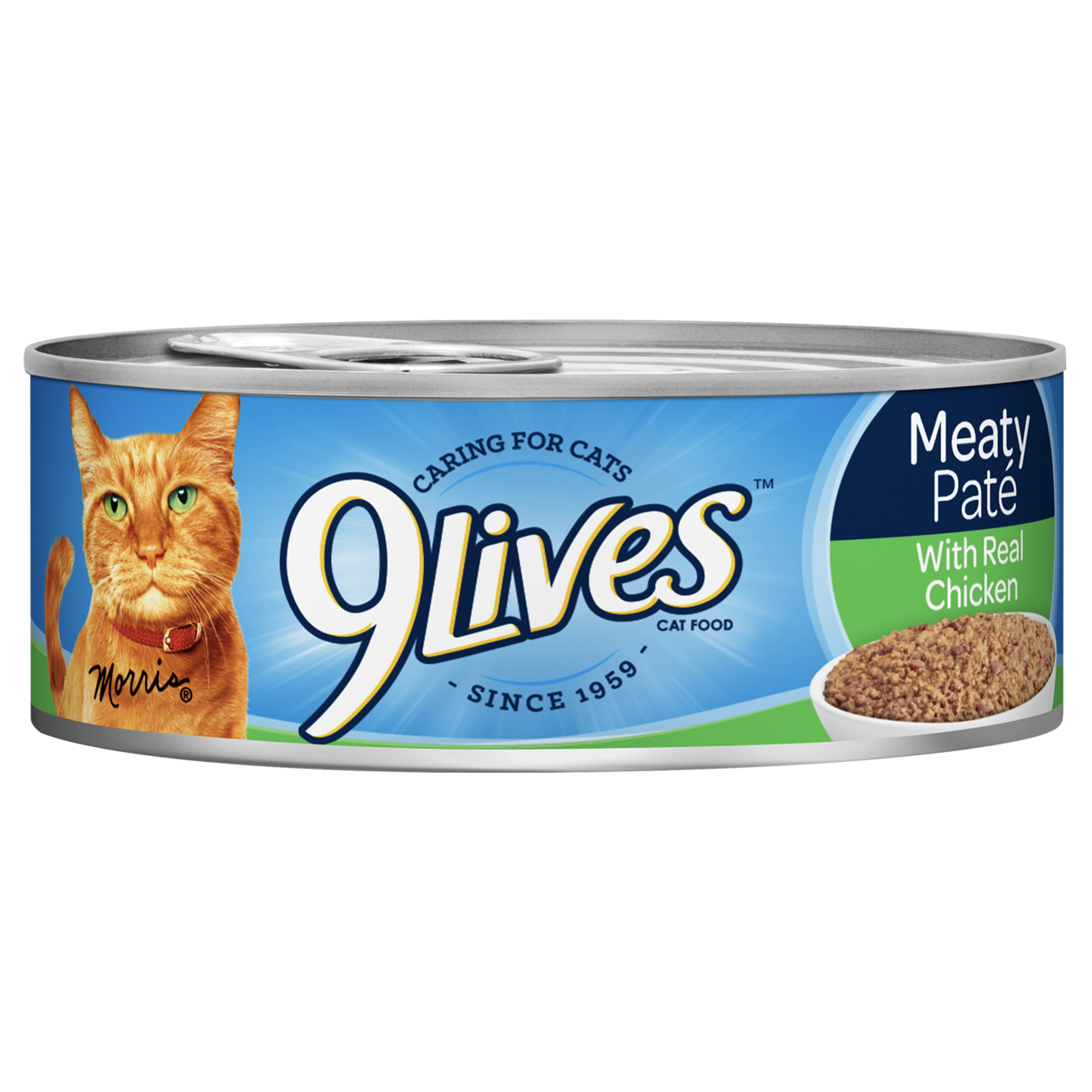
Credit: www.9lives.com
Nutritional Differences
Cat food cans often contain unique nutritional elements tailored for feline health. Proteins, fats, and vitamins in cat food are crucial for maintaining energy and immune function. Understanding these differences helps ensure your pet’s dietary needs are met.
When choosing cat food, understanding the nutritional differences is crucial for your feline friend’s health. Not all cat foods are created equal, and the nutritional content can vary significantly from brand to brand. Knowing what to look for can help you make informed decisions that benefit your cat’s overall well-being.Protein Content
Cats are obligate carnivores, meaning they require a diet rich in protein to thrive. The protein content in cat food is a key factor in maintaining muscle mass and energy levels. When selecting canned cat food, check the label for high-quality protein sources like chicken, fish, or beef. I once switched my cat to a new brand only to notice she became less active. After consulting with a vet, it turned out the protein content was too low. It’s vital to ensure your cat gets adequate protein to support her active lifestyle.Fat Levels
Fat provides essential fatty acids and is a concentrated energy source for cats. However, too much fat can lead to obesity. Check the nutritional information to find a balanced fat level that suits your cat’s lifestyle and activity level. If your cat is a couch potato, a lower fat content might be better. On the other hand, an active outdoor cat may require a bit more. Always adjust based on your cat’s individual needs.Essential Vitamins
Vitamins are crucial for preventing diseases and ensuring proper body functions. Look for canned cat foods that include essential vitamins like A, D, and E, as well as taurine, which is vital for heart and eye health. A friend of mine learned this the hard way when her cat developed vision problems due to a lack of taurine. It was a wake-up call about the importance of checking vitamin content. Are you checking the labels on your cat’s food? It’s more than just a can—it’s the key to your cat’s health. By understanding these nutritional differences, you can ensure your feline friend is getting the best diet possible.Digestive System Impacts
Understanding how cat food affects the digestive system is crucial. Different types of cat food can influence a cat’s digestive health. An ideal diet supports smooth digestion and nutrient absorption.
In contrast, poor-quality food can cause discomfort and health issues. Let’s explore the short-term and long-term impacts of cat food on your feline’s digestive system.
Short-term Effects
Short-term effects of cat food are often immediate. Cats may experience digestive upset, including vomiting or diarrhea. These symptoms indicate food intolerance or poor-quality ingredients.
Switching foods can also cause temporary issues. Cats need time to adjust to new diets. Gradual transition helps minimize digestive distress. Pay attention to your cat’s stool and behavior.
These are indicators of how well they digest their food. Observing these signs helps ensure your cat’s comfort and health.
Long-term Consequences
Long-term consequences of improper cat food can be serious. Poor nutrition may lead to chronic digestive problems. Issues like inflammatory bowel disease can develop.
Quality ingredients are vital for long-term digestive health. High-fiber diets support healthy gut function and prevent constipation. Balanced diets with essential nutrients promote overall well-being.
Consistent poor food choices may lead to nutrient deficiencies. This affects your cat’s energy levels and immune system.
Maintaining a healthy digestive system enhances your cat’s quality of life. Always prioritize well-balanced and high-quality cat food for their diet.
Common Ingredients In Cat Food
Cats are unique pets with specific dietary needs. Their food must be nutritious and safe. Understanding common ingredients helps make informed choices.
Animal Proteins
Animal proteins are crucial for cats. They provide essential amino acids. Chicken, beef, and fish are popular sources. These proteins support muscle health and energy. Animal proteins also aid in maintaining a shiny coat.
Grains And Fillers
Grains and fillers are often found in cat food. They provide carbohydrates and fiber. Common grains include rice, corn, and wheat. Fillers help in keeping the food cost-effective. Not all cats digest grains well, so monitor reactions.
Preservatives And Additives
Preservatives extend the shelf life of cat food. Additives enhance flavor and nutritional value. Common preservatives include BHA and BHT. Some additives are vitamins and minerals. Choose brands with natural preservatives for better health.

Credit: www.walmart.com
Health Risks For Dogs
Feeding cat food to dogs might seem harmless, but it can pose risks. Dogs have different dietary needs than cats. Cat food is rich in fats and proteins, which can be problematic for dogs. Let’s explore the specific health risks associated with dogs consuming cat food.
Obesity And Weight Gain
Cat food contains high levels of fat. Dogs consuming it regularly may gain weight quickly. This weight gain can lead to obesity, impacting their overall health. Obese dogs face mobility issues. Their joints might suffer due to extra weight.
Pancreatitis Risk
The high fat content in cat food can trigger pancreatitis in dogs. This condition causes inflammation of the pancreas. It can be painful and serious. Dogs with pancreatitis may need urgent medical care. Symptoms include vomiting, diarrhea, and lethargy.
Nutritional Deficiencies
Cat food lacks essential nutrients required for dogs. Dogs need specific vitamins and minerals for health. Missing these nutrients can lead to deficiencies. Over time, this affects their immune system. It might weaken their bones and muscles.
Behavioral Changes
Understanding the behavioral changes in your cat when you switch to canned food can be eye-opening. Cats are creatures of habit, and any change in their diet can lead to noticeable shifts in behavior. By paying attention to these changes, you can ensure that your feline friend remains healthy and happy.
Feeding Habits
Switching to canned cat food may alter your cat’s feeding habits. You might observe them eating more eagerly or even finishing their meals faster. This change can be due to the higher moisture content and enticing smell of canned food. It’s crucial to monitor portion sizes, as overfeeding can lead to weight gain.
Experiment with different flavors and textures. Cats can be picky eaters, and finding the right canned food can make mealtime enjoyable for them. Have you noticed your cat rejecting dry kibble lately? A shift to canned food could be the solution to rekindle their appetite.
Food Aggression
Food aggression can sometimes arise when you introduce canned food. Its aroma and texture might excite your cat more than usual, leading to possessive behavior. You may notice growling or hissing during mealtime, especially if you have multiple cats.
Separate feeding areas can help. Giving each cat their own space reduces competition and aggression. Have you ever had to play referee between your cats during mealtime? Setting clear boundaries can restore peace in your home.
Training can also mitigate food aggression. Gradually introduce canned food while reinforcing positive behavior. How do you handle moments of tension during feeding times? Consistent training can teach your cat to remain calm and share their space.
Understanding these behavioral changes provides insight into your cat’s needs. Have you noticed any other unusual behaviors since switching to canned food? Observing and addressing these changes can improve your cat’s overall wellbeing.
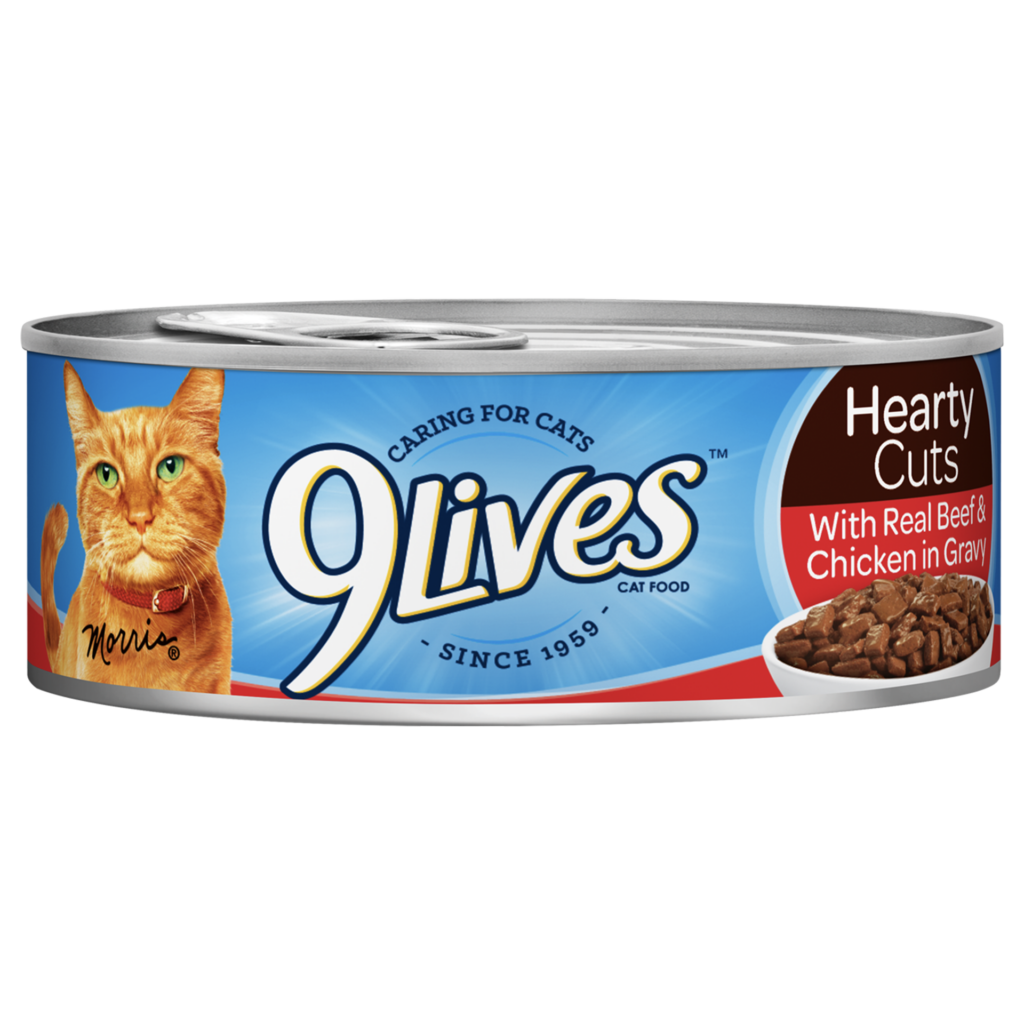
Credit: www.9lives.com
Emergency Situations
Caring for a cat means being ready for emergencies. Cats can fall ill suddenly. Knowing what to do can save their lives. Quick actions are vital. Recognizing signs early is key. This section will help you identify emergencies. It also guides you on when to seek help. Understanding these can keep your cat safe and healthy.
Signs Of Illness
Watch for changes in your cat’s behavior. Is your cat less active? This could be a sign. Check for loss of appetite. Cats not eating for a day may be sick. Notice any vomiting or diarrhea. These can indicate health issues. Look for changes in breathing. Rapid or labored breathing is not normal. Pay attention to your cat’s coat. A dull coat might mean illness. Also, check for any limping or signs of pain. These are all warning signals.
When To Consult A Vet
If symptoms persist, contact a vet immediately. It’s better to be safe. Sudden weight loss requires a vet’s attention. Persistent vomiting is a red flag. Breathing problems need urgent care. Do not wait if your cat seems in pain. If unsure, it’s wise to consult a vet. They can provide the right advice and treatment. Your cat’s health depends on quick decisions. A vet visit can prevent serious issues. Trust your instincts. If something feels wrong, seek help.
Alternatives For Multi-pet Households
Managing a multi-pet household can be a challenge, especially when it comes to feeding time. Cats and dogs often have different dietary needs, and feeding them the same food can lead to health issues. To ensure each pet receives the right nutrients, consider some practical alternatives for feeding your furry friends. Let’s dive into some effective strategies you can implement today.
Separate Feeding Areas
One simple solution is to establish separate feeding areas for each pet. This minimizes the risk of food theft and ensures each animal eats its designated meal. You might place your cat’s bowl on a high counter or shelf, as cats are natural climbers and dogs can’t reach these spots easily.
Try feeding your pets in different rooms if space allows. Close the door to prevent sneaky paws from crossing boundaries. This not only reduces stress during mealtime but also allows you to monitor each pet’s food intake.
Specialized Diet Plans
Another effective approach is creating specialized diet plans tailored to each pet’s needs. Cats and dogs have unique nutritional requirements that a one-size-fits-all approach can’t meet. Talk to your vet about the best food options for each of your pets.
Consider using a combination of dry and wet foods to cater to their preferences and health needs. For example, you might feed your cat high-protein wet food while providing your dog with grain-free kibble. This ensures both pets get the nutrients they need to thrive.
Do you have a picky eater or a pet with special dietary requirements? Customizing their meals can make a big difference in their health and happiness. Investing time in planning your pets’ diets can pay off with healthier, happier pets in the long run.
Frequently Asked Questions
Is Can Cat Food Good For Cats?
Canned cat food is nutritious and convenient for cats. It provides essential proteins and hydration. Choose high-quality brands for optimal health benefits. Ensure ingredients are suitable for your cat’s dietary needs. Regularly consult a veterinarian to confirm the best feeding options for your pet.
What Is The Healthiest Canned Cat Food?
Wellness CORE Grain-Free Canned Cat Food is highly recommended. It contains high protein and no artificial additives. Always consult your vet for personalized advice.
Is It Okay For Cats To Eat Canned Food Every Day?
Cats can eat canned food daily as it provides essential moisture and nutrients. Choose high-quality brands. Ensure it meets nutritional standards and is balanced. Consult your vet for personalized advice. Mixing with dry food can offer variety and dental benefits.
Always provide fresh water alongside.
What Canned Cat Food Should I Avoid?
Avoid canned cat food with artificial preservatives, fillers, and by-products. Choose brands with high-quality ingredients. Read labels for harmful additives. Consult your vet for recommendations tailored to your cat’s needs. Prioritize foods with real meat and essential nutrients to ensure your cat’s health and well-being.
Conclusion
Exploring cat food options benefits your pet’s health and happiness. Always check labels for quality ingredients. Cats need balanced nutrition for energy and growth. Consult your vet for specific dietary needs. Remember, every cat is unique. What works for one may not work for another.
Ensuring a healthy diet helps your cat thrive. Make informed choices to ensure your cat’s well-being. Happy and healthy cats bring joy to your home. Keep their diet as a priority. Your cat deserves the best nutrition possible.