Why Dogs Can’T Eat Cat Food: Health Risks Explained
Imagine this: you walk into your kitchen and find your dog happily munching away on your cat’s food. You might think, “What’s the harm?
It’s just food, right? ” But here’s the catch—feeding cat food to dogs can lead to some serious health issues. You love your furry friend and want the best for them, so understanding why dogs can’t eat cat food is crucial for their well-being.
This article will uncover the hidden dangers lurking in your cat’s bowl and help you make informed decisions to keep your pet healthy and happy. Stay with us as we dive into the surprising reasons why cat food and dog food aren’t interchangeable, and discover what you can do to protect your beloved pet. Don’t let a simple mistake put your dog’s health at risk—read on to learn more.
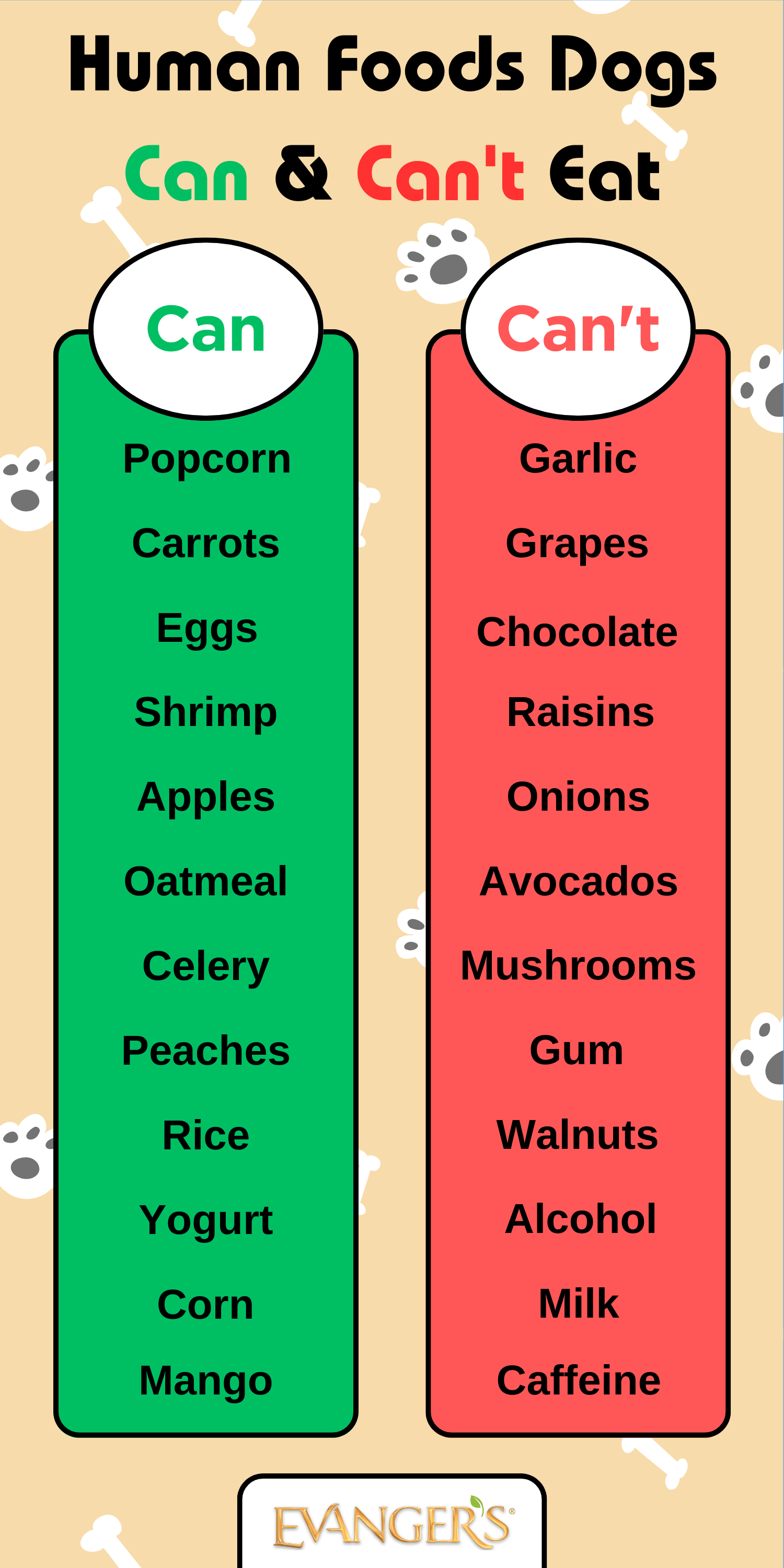
Credit: evangersdogfood.com
Nutritional Needs Of Dogs Vs. Cats
Dogs and cats have different nutritional needs, making their food unsuitable for each other. Dog food contains lower protein levels than cat food. Cats require taurine, an amino acid not found in dog food, essential for their heart and vision health.
Understanding the nutritional needs of dogs versus cats is crucial for pet owners who want to keep their furry friends healthy. While it might seem harmless to let your dog nibble on cat food, the truth is that dogs and cats have different dietary requirements. Feeding your dog cat food can lead to nutritional imbalances and health issues over time.Understanding Dietary Requirements
Dogs are omnivores. This means their diet includes a balanced mix of proteins, carbohydrates, and fats. Cats, on the other hand, are obligate carnivores. They require a diet rich in animal protein and specific nutrients found almost exclusively in meat. Feeding your dog cat food can overload their system with protein and fat, which might cause digestive issues. Have you ever noticed your dog getting an upset stomach after sneaking into the cat’s dish? This could be why.Protein And Taurine Differences
Dogs need protein, but not as much as cats. Cat food is packed with protein to meet feline needs. Excess protein in a dog’s diet can put unnecessary strain on their kidneys over time. Moreover, cat food contains taurine, an essential amino acid for cats. Dogs can synthesize taurine on their own, so they don’t require it in their diet. Providing taurine-rich cat food to dogs doesn’t benefit them and can disrupt their nutritional balance.Vitamin And Mineral Needs
Cats need higher levels of certain vitamins, like Vitamin A. Unlike dogs, they cannot convert beta-carotene from plants into Vitamin A. Therefore, cat food is fortified with this vitamin to keep cats healthy. Feeding your dog food designed for cats might lead to an overdose of these vitamins. This can cause health problems over time. Have you checked the labels on pet food to see the vitamin content?Fat Content And Energy Levels
Cat food generally contains more fat than dog food. This helps meet the higher energy needs of cats. However, this excess fat can lead to weight gain in dogs, especially if they are less active. Consider your dog’s lifestyle. Is your dog getting enough exercise to burn off the extra calories? If not, cat food could contribute to obesity and related health issues.Personal Story: Fido’s Feline Feast
I once caught my dog, Fido, sneaking into the cat’s food bowl. At first, I thought it was cute. But soon, I noticed he was putting on weight and seemed less energetic. After a chat with our vet, I realized the cat food was disrupting his diet. This experience taught me the importance of sticking to species-appropriate food. Are you mindful of what your dog is eating? Ensuring your dog gets the right nutrition is essential for their well-being. By understanding the differences in dietary needs, you can make informed decisions and keep your pets happy and healthy.Key Ingredients In Cat Food
Understanding the key ingredients in cat food is crucial for dog owners. Cats and dogs have different nutritional needs. These differences affect the type of food they consume. Cat food is designed to meet the dietary requirements of felines. Dogs eating cat food may not get the nutrients they need. Let’s explore the key ingredients in cat food.
Protein Levels
Cat food contains higher protein levels than dog food. Cats are obligate carnivores. They need more protein to thrive. Dogs can digest carbohydrates better. High protein cat food can upset a dog’s stomach. It may lead to health issues.
Taurine Content
Taurine is an essential amino acid for cats. They can’t produce it naturally. It’s vital for their heart and vision health. Dog food doesn’t need taurine in the same amount. Feeding dogs cat food can create taurine imbalance. This might affect their health negatively.
Vitamin A Concentration
Cat food often has more vitamin A. Cats require it in their diet. Dogs can synthesize vitamin A from beta-carotene. Too much vitamin A can be harmful to dogs. It may cause toxicity and health problems.
Fat Levels
Fat levels in cat food are usually higher. Cats need more fat for energy. Dogs, on the other hand, need balanced fat intake. Excess fat from cat food can lead to obesity in dogs. Obesity can cause further health complications.
Specific Minerals
Certain minerals in cat food are tailored for cats. Phosphorus and calcium levels differ in cat and dog food. Too much phosphorus can be dangerous for dogs. It may harm their kidneys over time. Proper mineral balance is crucial for dog health.
Protein Levels And Their Impact
Understanding the protein levels in pet foods is crucial for your dog’s health. While both dogs and cats need protein, the levels and types vary significantly. Feeding your dog cat food can lead to serious health issues due to these differences.
Protein Overload In Dogs
Dog food and cat food differ significantly in protein content. Cat food is typically higher in protein because cats are obligate carnivores, meaning they require more protein for survival. Feeding your dog cat food can lead to protein overload, stressing their kidneys and liver.
In one instance, my neighbor’s Labrador retriever got into the cat food stash. The dog experienced digestive issues and was lethargic for days. This shows how quickly protein overload can affect a dog’s health.
Essential Amino Acids Difference
Dogs and cats have different dietary needs, especially regarding amino acids. Cats need taurine, an amino acid that dogs can produce themselves. Cat food is rich in taurine, which isn’t necessary for dogs in such high amounts.
Consider how an excess of unnecessary nutrients can impact your dog’s health. Would you feed your child vitamins meant for adults? Similarly, feeding dogs cat food can lead to nutrient imbalances.
Always check the nutritional content of your pet’s food. Make informed choices to ensure your dog gets the right balance of nutrients. Wouldn’t you agree that your dog deserves a diet tailored to their specific needs?
Fat Content Concerns
Understanding why dogs shouldn’t eat cat food is crucial for their health. One key reason is the fat content in cat food. It often exceeds what is suitable for dogs. This can lead to a range of health issues. Let’s delve into why the fat content is a concern.
Higher Fat In Cat Food
Cat food is rich in fats compared to dog food. Cats need more fat for energy. Dogs do not require the same levels. High fat can disrupt a dog’s diet balance. This can lead to complications.
Potential Weight Gain In Dogs
Excessive fat intake can cause weight gain in dogs. Dog metabolism differs from cats. Extra fat can lead to obesity. Obesity can trigger health issues like diabetes and heart disease. Keeping a dog’s diet balanced is essential.
Vitamin And Mineral Imbalance
Feeding your dog cat food might seem harmless, but it can lead to a vitamin and mineral imbalance that could affect your furry friend’s health. Dogs and cats have different nutritional needs, and cat food is specifically designed to meet the dietary requirements of felines. This imbalance can cause significant health issues for dogs over time. Let’s explore some specific concerns related to this imbalance.
Vitamin A Toxicity Risks
Cat food contains higher levels of Vitamin A, which is vital for cats but can be toxic for dogs. While Vitamin A supports healthy vision and immune function, excessive amounts can lead to toxicity in dogs. Symptoms might include lethargy, skin changes, and even bone abnormalities.
Have you ever noticed how your dog reacts differently when sneaking a bit of cat food? That’s a red flag! Paying attention to your dog’s diet ensures you’re not inadvertently causing harm.
Calcium And Phosphorus Levels
Another concern is the imbalance of calcium and phosphorus levels in cat food. Cats need more phosphorus than dogs, and feeding your dog cat food can lead to an imbalance in these minerals. This imbalance can affect bone health and growth in dogs.
Consider the long-term impact: weaker bones and joint issues could become a reality for your dog if their diet consistently lacks the right balance of these minerals. Would you want to risk that?
Ultimately, your dog’s health is in your hands. Ensuring they receive a balanced diet suited to their species is crucial. Next time you’re tempted to let them nibble on cat food, think about the potential consequences. Your dog’s well-being is worth the extra effort in feeding them appropriately.
Credit: www.petmd.com
Digestive System Differences
Dogs and cats have different digestive systems. Dog food is designed for canine nutritional needs. Cat food contains higher protein levels that dogs can’t digest well. Eating cat food can upset a dog’s stomach and lead to health problems.
Digestive System Differences Ever wondered why your dog can’t enjoy a bowl of cat food, despite eyeing it with such enthusiasm? It all boils down to their digestive systems, which function quite differently from each other. Dogs and cats have unique dietary needs shaped by their evolutionary backgrounds, making it essential to feed them accordingly.Digestive Enzymes Variance
Dogs and cats produce different digestive enzymes. Cats, being obligate carnivores, thrive on protein-rich diets, so their bodies are designed to process meat efficiently. They produce more enzymes that break down proteins and fats, which are less prevalent in dog food. On the flip side, dogs are omnivores. They can digest a mix of vegetables and meat. Their digestive systems produce enzymes that cater to a more diverse diet. Feeding your dog cat food can throw this balance off, as the enzyme variance won’t adequately support the digestion of a cat-specific diet. So, next time your dog seems interested in cat food, remember their bodies aren’t equipped to handle it. You wouldn’t want them to miss out on essential nutrients meant for their specific needs.Gastrointestinal Upset
Feeding your dog cat food can lead to gastrointestinal upset. Cat food is typically higher in protein and fat, which can be too rich for a dog’s stomach. This can lead to diarrhea, vomiting, or other digestive issues. Imagine the discomfort of an upset stomach after eating something too rich or unfamiliar. Dogs experience this too when they consume food not meant for them. It’s crucial to keep their diet consistent and appropriate to avoid unnecessary health issues. Have you ever noticed your dog getting sick after sneaking a bite of cat food? It might seem harmless at first, but frequent indulgence can lead to more severe health concerns in the long run. Keep their bowls separate to maintain their well-being and happiness.Long-term Health Risks
Long-term health risks arise when dogs eat cat food regularly. Dogs have different dietary needs than cats. Cat food may not provide the right nutrients for dogs. Over time, this can lead to serious health issues for your furry friend.
Impact On Organ Health
Cat food contains high protein levels. This can strain a dog’s kidneys and liver. Over time, this might lead to organ damage. Dogs need balanced nutrients for optimal organ health. High protein diets can be harmful to their systems.
Risk Of Nutritional Deficiencies
Dogs eating cat food may miss essential nutrients. Cat food lacks certain vitamins and minerals needed by dogs. For example, dogs need more vitamin E and zinc. These nutrients support a dog’s immune system and skin health. Regularly missing them can cause deficiencies.

Credit: millersportsmallanimalclinic.com
Safe Feeding Practices
Feeding your dog requires attention to safe practices. Dogs need specific nutrients to stay healthy. Cat food lacks essential nutrients for dogs. It can lead to health issues. Understanding feeding practices ensures your dog’s well-being.
Alternatives To Cat Food
Dogs require balanced diets. Offer them high-quality dog food. These foods are tailored to their needs. Include proteins, fats, and vitamins. Choose brands with good reputations. Look for options with natural ingredients. Avoid foods with artificial additives. Homemade meals can be a good choice. Ensure they meet nutritional standards. Consult a vet for advice.
Tips For Pet Owners
Observe your dog’s eating habits. Check for signs of allergies. Monitor their weight regularly. Keep feeding schedules consistent. Adjust portions based on activity levels. Store food in a cool, dry place. Keep fresh water available at all times. Avoid feeding table scraps. They can upset their stomachs. Teach children safe feeding practices. Supervise meals to prevent overeating.
Frequently Asked Questions
What Happens If A Dog Eats Cat Food?
Dogs can eat cat food occasionally without harm, but regular consumption may cause nutritional imbalances. Cat food has higher protein and fat levels, which aren’t ideal for dogs long-term. Signs of digestive upset include vomiting or diarrhea. Always consult a vet if your dog eats cat food regularly.
Why Are Dogs Not Allowed To Eat Cat Food?
Dogs shouldn’t eat cat food due to its higher protein and fat content. It can cause health issues like obesity and digestive problems. Dog-specific nutrition ensures balanced diets and avoids potential allergies. Always provide food formulated for dogs to maintain their health and well-being.
Is It Bad To Feed Cat Food To My Dog?
Feeding cat food to your dog isn’t ideal. Cat food lacks essential nutrients for dogs. It has higher protein and fat content, which can upset your dog’s digestion. Regularly feeding cat food may lead to nutrient imbalances and health issues in dogs.
Always provide species-appropriate food for optimal health.
Can Dogs Safely Eat Cat Food Occasionally?
Dogs should not eat cat food regularly. Cat food is high in protein and fat which can upset a dog’s stomach. Dogs require different nutrients than cats and consuming cat food can lead to nutritional imbalances and health issues.
Conclusion
Dogs need food made just for them. Cat food lacks nutrients dogs need. It can cause health problems. Dogs can’t digest it well. Feed your dog a balanced diet. Choose food labeled for dogs. This keeps them healthy and happy.
Consult your vet for advice. They know what your dog needs. Always check food labels. Avoid sharing cat food with your dog. It’s tempting, but not safe. Keeping diets separate is best. It ensures each pet gets proper nutrition. Remember, a healthy dog is a happy dog.