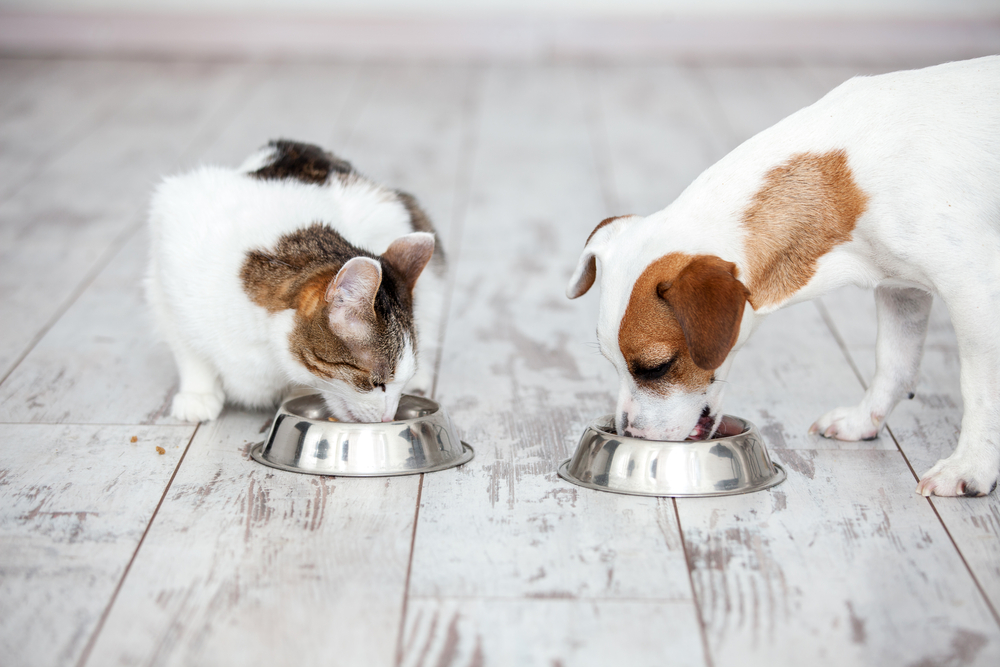
Have you ever caught your dog sneaking a bite of your cat’s food? You might wonder, “Can a dog eat cat food?”
It’s a question that many pet owners have, and the answer might surprise you. Understanding the differences between dog and cat food is crucial for your pet’s health. Your dog’s nutritional needs are unique, just like their personality. Feeding them the wrong food could lead to unexpected health issues.
But don’t worry; we’ve got you covered. We’ll explore what happens when dogs eat cat food and whether it’s safe for them. Stick around, because knowing these facts could make all the difference in your pet’s well-being.

Credit: www.usatoday.com
Nutritional Differences
Understanding the nutritional differences between dog and cat food is crucial. Dogs and cats have distinct dietary needs. Feeding your dog cat food may not provide balanced nutrition. Let’s explore the key differences in protein, fat, and essential nutrients.
Protein Content
Cat food often contains more protein than dog food. Cats are obligate carnivores. They require higher protein levels for energy and health. Dogs, being omnivores, need a balanced diet with moderate protein. Feeding dogs high-protein cat food can strain their kidneys over time.
Fat Levels
Fat content in cat food is typically higher. This suits a cat’s energy needs. Dogs don’t need as much fat. Excessive fat intake can lead to obesity in dogs. It can also cause digestive issues. Ensure your dog gets the right amount of fat in its diet.
Vitamins And Minerals
Vitamins and minerals in cat food differ from those in dog food. Cats need taurine, an essential amino acid. They can’t produce it naturally. Dogs can synthesize taurine on their own. Feeding dogs cat food may lead to nutrient imbalances. It might lack essential nutrients for dogs.
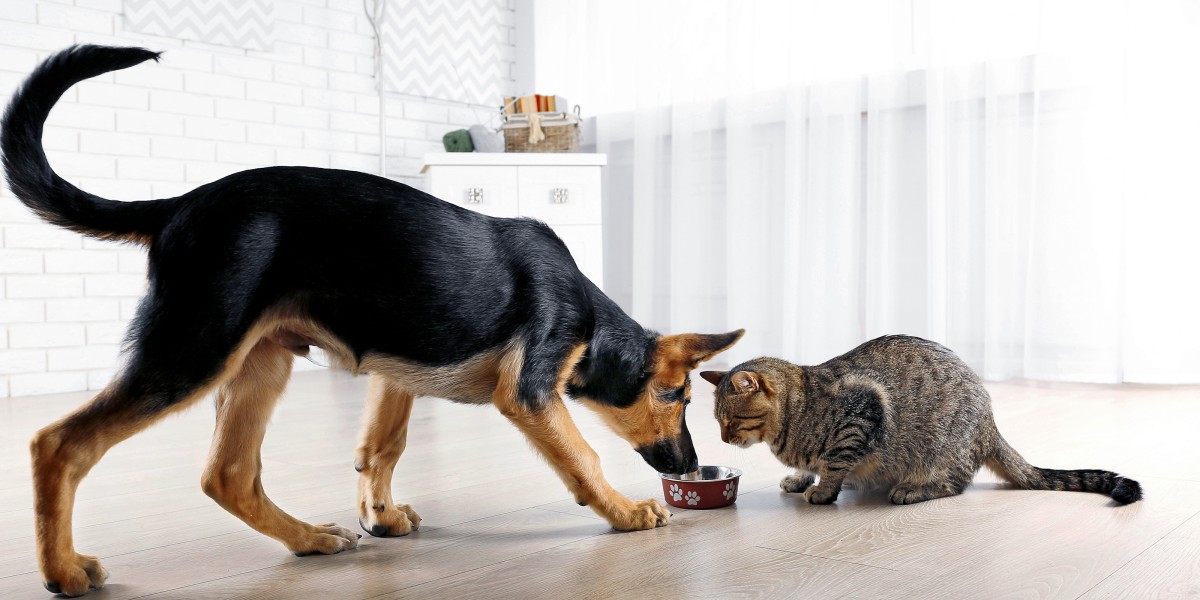
Credit: www.purina.com
Reasons Dogs Might Eat Cat Food
Many dog owners notice their dogs eating cat food. This behavior often raises questions about its safety and reasons. Dogs have their own food. Yet, the allure of cat food can be strong. Understanding why dogs are tempted by cat food can help manage this behavior.
Palatability Factors
Cat food often smells and tastes rich. Its high protein content can be appealing to dogs. The smell alone can draw a curious canine in. Dogs have fewer taste buds than cats. So, they might find the strong flavors irresistible. The texture of cat food can also be a factor. It may feel different and exciting in a dog’s mouth.
Curiosity And Behavior
Dogs are naturally curious creatures. They often explore their environment through taste. Finding cat food within reach can trigger their curiosity. Dogs might eat cat food simply because it is there. This behavior is not unusual. Dogs are opportunistic eaters. They tend to try anything that seems edible. The presence of cat food in the house might spark their interest. Dogs also imitate behaviors they observe. If they see a cat enjoying its meal, they might want to try it too.
Potential Health Risks
Feeding dogs cat food may lead to health risks like obesity and digestive issues. Cat food contains higher protein levels, which can strain a dog’s liver and kidneys. Always ensure your dog receives a diet tailored to its nutritional needs.
Feeding dogs cat food may seem harmless. But it can lead to health issues. Cat food is designed for felines, not canines. It contains ingredients that might not suit your dog’s needs. Understanding these risks helps prevent potential harm.Digestive Issues
Dogs eating cat food can face digestive problems. Cat food often has higher fat content. This can upset a dog’s stomach. Vomiting and diarrhea might occur. These symptoms indicate your dog is struggling to digest. Persistent issues could lead to dehydration. Always monitor your dog’s reaction to new foods.Nutrient Imbalance
Cat food lacks essential nutrients for dogs. Dogs need different vitamins and minerals. Cat food doesn’t provide these. Protein levels are higher in cat food. This can burden a dog’s kidneys over time. Ensure your dog gets a balanced diet. Consult a vet for dietary advice.Long-term Effects
Long-term feeding of cat food may harm your dog. High fat and protein intake can cause health problems. Obesity and kidney issues are possible risks. Dogs require tailored nutrition. Over time, nutrient deficiencies may develop. This can affect your dog’s overall health. Prioritize dog-specific food to avoid these risks. `Occasional Consumption
Occasional consumption of cat food by dogs can happen. Dogs and cats have different nutritional needs. Cat food is made for felines. But dogs sometimes find it appetizing. It’s important to know when it’s safe for dogs to eat cat food.
Small Amounts
Dogs can eat small amounts of cat food. It usually won’t harm them. Cat food has more protein and fat. It may be tasty for dogs. But too much can upset their stomach. Monitor your dog’s reaction. Look for any signs of discomfort.
Emergency Situations
Sometimes, dog food runs out. In emergencies, feeding cat food is acceptable. Short-term consumption is usually harmless. Ensure your dog returns to its regular diet soon. Cat food lacks nutrients dogs need. It’s not a long-term solution.
Safe Feeding Practices
Dogs have different nutritional needs compared to cats, making cat food unsuitable for dogs. Feeding a dog cat food can lead to health issues like obesity or nutrient deficiencies. It’s essential to choose dog-specific food to ensure they receive the right balance of vitamins and minerals.
Feeding your dog might seem straightforward, but there’s more to it than filling a bowl with food. One question many pet owners face is whether they can feed their dog cat food. While it might seem convenient, it’s crucial to understand the safe feeding practices to ensure your pet’s health and happiness.Proper Diet For Dogs
Dogs have specific dietary needs that differ from cats. They require a balanced diet rich in proteins, carbohydrates, fats, vitamins, and minerals to maintain their energy and health. Cat food, on the other hand, is formulated for feline nutritional requirements, often containing higher levels of protein and fat. Feeding dogs cat food occasionally might not cause immediate harm, but it can lead to nutritional imbalances over time. For instance, an excess of protein and fat can result in weight gain and digestive issues in dogs. A proper dog diet focuses on their unique needs, ensuring they get the right amount of nutrients and calories. Consider the experience of a friend who once ran out of dog food and fed her Labrador cat food for a few days. Her dog’s upset stomach and lethargy were clear signs that what works for one pet doesn’t necessarily work for another. Can you afford to risk your dog’s health with inappropriate food choices?Introducing New Foods
When you want to introduce new foods into your dog’s diet, including treats or supplements, it’s essential to do it gradually. Sudden dietary changes can upset their stomach and lead to digestive issues. Start by mixing a small amount of the new food with their regular food and gradually increase the proportion over several days. Monitor your dog for any signs of allergies or discomfort, such as itching, vomiting, or diarrhea. If you notice any adverse reactions, stop the new food immediately and consult your vet. A friend once introduced her dog to a new brand of treats without transition, leading to unexpected bathroom accidents. Her experience highlights the importance of easing into dietary changes. Are you prepared to handle a similar mess, or would a cautious approach suit you better? Ensuring your dog’s diet is safe and suitable doesn’t have to be daunting. By understanding their nutritional needs and carefully introducing any new foods, you can keep your furry friend healthy and happy.What To Do If Your Dog Eats Cat Food
Dogs sometimes eat cat food, which is not ideal. Cat food is high in protein and fat, which can upset a dog’s stomach. Monitor your dog for any signs of digestive issues, and consult a veterinarian if necessary.
If you’ve ever caught your furry friend munching on your cat’s food, you’re not alone. Dogs are curious creatures and sometimes can’t resist the allure of a different meal option. But what should you do if your dog indulges in cat food? While an occasional nibble might not be a cause for concern, it’s essential to know how to handle the situation effectively.Monitoring Symptoms
After your dog eats cat food, keep a close eye on them. Look for signs of digestive upset such as vomiting, diarrhea, or changes in appetite. Sometimes, your dog might act perfectly normal, but it’s still crucial to watch for any unusual behavior. Consider this: How often has your dog eaten something unexpected without any issues? Use your past experiences to gauge the situation.When To Contact A Vet
If your dog exhibits symptoms that persist beyond a day or appear severe, reach out to your vet. Notice if your dog is lethargic or seems in pain, as these can be indicators of a more serious issue. It’s always better to err on the side of caution and consult a professional when in doubt. Remember the time when your dog swallowed that sock and you weren’t sure what to do? Similarly, don’t hesitate to seek expert advice if something feels off.By staying vigilant and informed, you can ensure your furry companion stays healthy and happy. While cat food isn’t ideal for dogs, being prepared to handle the situation can make all the difference. What actions will you take to prevent your dog from sneaking into the cat’s bowl again?
Alternatives To Cat Food
Dogs sometimes find cat food appealing. Yet, cat food lacks the essential nutrients dogs need. Feeding your dog the right food ensures they remain healthy and active. It’s essential to explore alternatives to cat food that cater to a dog’s dietary needs. Let’s delve into some excellent choices for your furry friend.
Dog-specific Treats
Dog-specific treats are tailor-made for canine health. They provide the right nutrients and flavors dogs love. These treats come in various forms like biscuits, jerky, and dental sticks. High-quality dog treats often contain proteins, fibers, and essential vitamins. Always check labels for natural ingredients. Avoid artificial preservatives or fillers. Treats should complement, not replace, their main diet.
Balanced Diet Options
A balanced diet is crucial for a dog’s well-being. Look for dog foods rich in proteins, fats, and carbohydrates. Ensure the food has a good balance of vitamins and minerals. Whole grains, vegetables, and lean meats are excellent choices. Homemade diets can also be nutritious with proper planning. Consult your vet for personalized diet plans. Always introduce new foods gradually to avoid digestive issues.
:strip_icc()/GettyImages-1137504605-4ea3ceec185f4d1e9dc39fb71f8ae04c.jpg)
Credit: www.fireline.com
Frequently Asked Questions
What Happens If My Dog Eats Cat Food?
Dogs eating cat food occasionally might experience stomach upset. Cat food lacks essential nutrients for dogs. Regular consumption can lead to obesity and nutritional deficiencies. Monitor your dog for any unusual symptoms and consult a veterinarian if needed. Ensure your dog eats a balanced diet tailored for canine health.
What Cat Food Is Safe For Dogs?
Dogs can eat cat food occasionally but it’s not ideal. Cat food is high in protein and fat, which may upset a dog’s stomach. Choose dog-specific food for balanced nutrition. Consult your vet for advice. Always monitor your dog for any adverse reactions if they consume cat food.
What Happens If Cat Food Is Given To A Dog?
Feeding cat food to dogs may cause digestive issues due to different nutritional needs. Dogs require specific nutrients lacking in cat food, potentially leading to health problems like obesity or pancreatitis. Occasional small amounts might be harmless, but regular consumption can harm a dog’s health.
Always choose food formulated for dogs.
What Happens When I Feed My Cat Dog Food?
Feeding your cat dog food can lead to nutritional deficiencies. Cats need taurine, vitamin A, and arachidonic acid, which dog food lacks. Over time, this can cause health issues like heart problems, poor vision, and skin conditions. Always provide your cat with a balanced diet specifically formulated for felines.
Conclusion
Feeding dog cat food occasionally might not harm. But it’s not ideal. Dogs need specific nutrients. Cat food lacks these. Over time, it might affect health. Always choose food made for dogs. Consult a vet for advice. Monitor your dog’s health closely.
Watch for unusual behavior or discomfort. Balanced diet is key for dogs. Proper nutrition ensures a happy, healthy pet. Prioritize your dog’s well-being. Keep them safe with the right food. Make informed choices for their diet. Your dog’s health matters.