Are Cats That Watch Tv Smarter: Unveiling Feline Intelligence

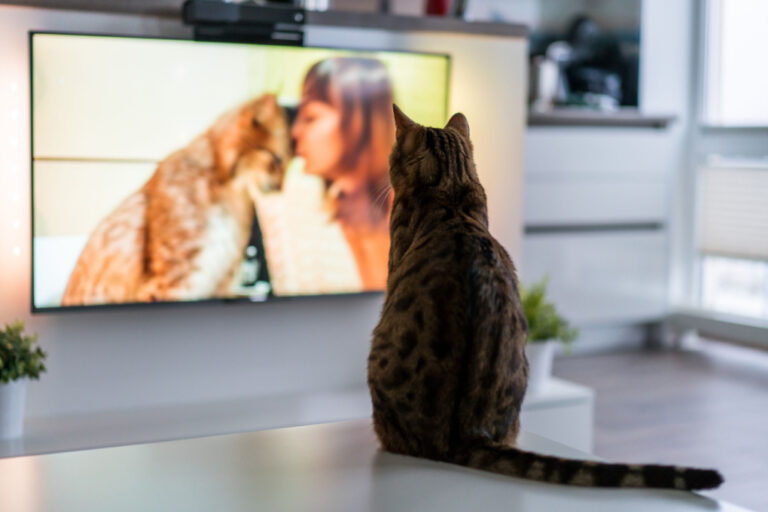
Have you ever caught your cat lounging on the couch, eyes fixated on the flickering images of your TV screen? It’s a curious sight, isn’t it?
You might wonder if this behavior hints at a deeper intelligence in your feline friend. Could it be that cats who watch TV are smarter than those who ignore it? Imagine the possibility of your pet having a unique insight or understanding of the world, simply by tuning into your favorite shows.
This intriguing idea taps into your natural curiosity about your pet’s mind and behavior. Dive into the fascinating world of feline intelligence and discover what your TV-loving cat might be telling you.
Feline Curiosity And Television
Feline curiosity and television form an intriguing combination that many cat owners have observed. Cats, with their keen sense of observation, often find themselves captivated by the flickering images on a TV screen. This behavior raises a fascinating question: does watching TV make your cat smarter, or is it simply another outlet for their natural curiosity?
Visual Stimuli For Cats
Cats are naturally drawn to movement. The swift, darting images on television can mimic the movements of prey, triggering your cat’s hunting instincts. Bright colors and quick transitions can also catch their attention, making TV a source of endless fascination.
Some programs, designed specifically for cats, showcase birds, fish, or other animals. These shows can provide mental stimulation, keeping your feline entertained and possibly more engaged with their environment. Have you ever noticed your cat pawing at the screen or tilting its head in curiosity?
Behavioral Responses To Tv
While some cats watch intently, others may show signs of disinterest or even anxiety. If your cat starts to chatter or swat at the screen, it might be trying to interact with what it perceives as real prey. This behavior can be entertaining, but it’s essential to ensure it doesn’t lead to frustration.
Watching TV could potentially enrich your cat’s environment. It can serve as a tool for mental stimulation when you’re not around to play. However, not all cats react the same way, and it’s crucial to observe your pet’s unique responses.
So, does television make your cat smarter? While it might not increase their IQ, it can certainly provide them with mental challenges and entertainment. Have you ever used TV to keep your cat company? What was their reaction?

Credit: www.reddit.com
Cognitive Abilities In Cats
Cats watching TV might show more curiosity and engagement. Observing moving images can stimulate their minds. This behavior might hint at sharper cognitive abilities.
Cognitive Abilities in Cats Have you ever caught your cat intensely watching TV and wondered if it’s a sign of intelligence? Cats may not solve complex math problems, but they possess remarkable cognitive abilities that often go unnoticed. Understanding these abilities can shed light on why your feline friend is so fascinated by moving images on the screen. Cats’ intelligence shines through in their daily interactions and playful antics. They have unique ways of solving problems and adapting to their environment. Let’s dive into the fascinating world of feline cognition and see what makes these creatures so intriguing.Problem-solving Skills
Cats have an innate ability to solve problems. Whether it’s figuring out how to open a door or finding the best spot to nap, they rely on their cleverness and agility. Your cat may surprise you with its innovative approaches. Take a moment to observe how it gets to that unreachable toy. It might use a mix of jumping, pawing, and even strategic thinking to achieve its goal. This problem-solving behavior is a testament to their intelligence. Have you ever tried to outsmart your cat with a puzzle feeder? You might find it resolves the challenge quicker than you expected. This is because their brain works actively to assess and overcome obstacles.Memory And Learning Patterns
Cats have impressive memory capabilities. They remember the sound of a treat bag, the location of their favorite resting spot, and even your daily schedule. Their ability to learn and adapt is remarkable. If you’ve ever taught your cat a trick or two, you know how quickly they catch on. Repetition and positive reinforcement help them learn patterns effectively. Your cat’s memory helps it navigate complex environments, recognize familiar faces, and respond to past experiences. This memory retention is crucial for their survival and interaction with the world around them. Does your cat come running when it hears the can opener? It’s because it associates the sound with feeding time. This associative learning is a clear example of their cognitive prowess. In conclusion, while watching TV might not directly indicate a higher intelligence, it certainly showcases your cat’s curiosity and cognitive engagement. Next time you see your cat engrossed in a nature documentary, appreciate the complex brain behind those watchful eyes. You might even wonder, what does your cat see that you don’t?Impact Of Television On Cat Intelligence
Have you ever caught your cat staring at the TV, mesmerized by the flickering images? You might wonder if your feline friend is getting smarter by watching television. The impact of TV on a cat’s intelligence is a curious topic for many pet owners. Let’s dive into how television might influence your cat’s cognitive development and what benefits or drawbacks it could bring.
Influence On Cognitive Development
Television can stimulate a cat’s brain in interesting ways. The fast-moving images and sounds can capture their attention, much like a prey in the wild. This visual stimulation might enhance their observational skills.
However, the effects can vary depending on the content and duration of watching. A cat watching nature documentaries might be more engaged than one watching a static news broadcast. The key is the level of activity and diversity in the programming.
Potential Benefits And Drawbacks
There are potential upsides to your cat watching TV. It can be a source of entertainment and mental engagement, especially for indoor cats. This could prevent boredom and reduce stress when they’re home alone.
On the downside, too much screen time might lead to overstimulation or distraction from real-life activities. Cats need physical play and interaction to stay healthy and happy. Relying solely on TV for stimulation might not be ideal.
Have you noticed any changes in your cat’s behavior after watching TV? It’s a fascinating experiment. Balancing screen time with other enriching activities could offer the best results for your cat’s well-being.
Credit: www.cats.org.uk
Comparative Intelligence Among Pets
Have you ever wondered about the intelligence levels of your furry friends? Comparing intelligence among pets can be fascinating, especially when pondering whether cats that watch TV are smarter. Some pet owners claim their cats exhibit higher cognitive abilities, but is this really the case? Let’s dive into the intriguing world of pet intelligence.
Cats Vs. Dogs In Cognitive Tasks
When it comes to problem-solving, cats and dogs showcase different strengths. Dogs often excel in tasks that involve following commands or solving puzzles. They can be trained to perform tricks and respond to cues, reflecting their ability to work collaboratively with humans.
Cats, on the other hand, display intelligence in their curiosity and independence. Watching TV might stimulate their brains, but it’s their ability to solve problems on their own that stands out. A cat might figure out how to open a door or get a treat from a puzzle toy without guidance.
So, are TV-watching cats smarter than their canine counterparts? It depends on how you define intelligence. Do you value independence or cooperative problem-solving more?
Role Of Environment In Intelligence
Your pet’s environment plays a significant role in shaping their intelligence. A stimulating environment with toys and activities can enhance cognitive abilities. Have you noticed how your cat’s behavior changes when there are new things to explore?
Environmental factors such as interaction with humans, exposure to new experiences, and even watching TV can contribute to a pet’s intellectual growth. If your cat watches TV, it may be responding to moving images and sounds, which could be intellectually stimulating.
Consider the impact of your home’s environment on your pet’s intelligence. Are there opportunities for exploration and learning? How can you adjust your surroundings to encourage mental growth?
In the end, whether your cat is a TV aficionado or your dog solves puzzles, intelligence varies among pets. It’s up to you to nurture and recognize their unique talents and abilities. What do you think makes your pet smart? Share your thoughts!
Studies On Cats Watching Tv
Have you ever caught your cat staring intently at the TV screen, seemingly engrossed in the flickering images? It’s a curious sight that has sparked interest among pet owners and researchers alike. This fascination has led to numerous studies on cats watching TV, aiming to understand if these screen-time habits have any impact on a cat’s intelligence or behavior.
Research Findings
Recent studies have shown that cats are indeed more perceptive to moving images than we might expect. Researchers found that some cats can distinguish between different shapes and colors on TV. This ability might suggest a higher level of visual acuity than previously thought.
In one study, cats that frequently watched TV displayed a heightened sense of curiosity and engagement in their environment. They appeared more stimulated and eager to explore new surroundings. However, the connection between watching TV and increased intelligence remains a topic of debate among experts.
Methodologies Used
To understand how cats interact with TV, researchers employed various methodologies. Some studies involved setting up cameras to observe cats’ reactions to different types of content, such as nature documentaries or animated shows. These observations helped identify which elements captured their attention the most.
Another approach involved controlled experiments where cats were shown specific visual stimuli on screens, and their responses were recorded. This allowed researchers to gauge their level of interest and engagement. The use of eye-tracking technology provided deeper insights into how cats process visual information from TV screens.
These studies raise intriguing questions about the cognitive abilities of our feline friends. Could the time your cat spends watching TV be enhancing its cognitive skills? Or is it simply an amusing pastime for them? Consider observing your cat’s behavior next time the TV is on. You might just discover something new about your furry companion.

Credit: www.reddit.com
Understanding Feline Engagement With Screens
Exploring how cats interact with screens can be fascinating. Cats watching TV might seem smarter due to their curiosity. Their engagement with moving images can stimulate mental activity, suggesting intelligence. Understanding their behavior around screens offers insights into their cognitive abilities.
Cats have long been known for their quirky behaviors, and one such intriguing habit is their fascination with screens. From YouTube videos of chirping birds to soap operas, some cats seem to have a genuine interest in watching TV. But does this behavior indicate a higher level of intelligence, or is it just another instance of feline curiosity? Understanding feline engagement with screens can provide insights into how and why your cat may be drawn to the flickering images on your television.Identifying Interest In Tv Content
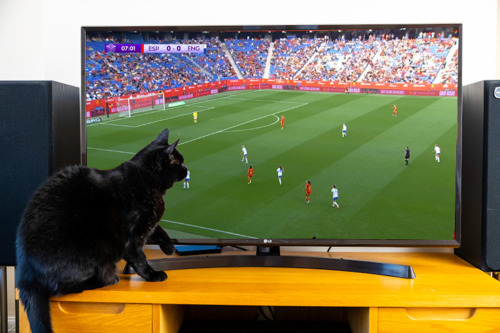
Not all cats are interested in television, but those that are may show specific preferences. Observe if your cat is drawn to certain types of content, like nature documentaries or fast-moving sports. This can help you understand what captures their attention. You might notice your cat staring intently at the screen, swatting at moving objects, or even trying to get behind the TV to find the source of the action. These behaviors suggest that your cat is not only seeing the images but is actively engaged. Have you ever caught your cat watching a show longer than you expected? It’s possible that they find certain movements or sounds fascinating. Pay attention to these moments to better understand what appeals to them.Assessing Attention Span
Cats, like humans, have varying attention spans. While some may watch TV for a few minutes before losing interest, others might remain captivated for longer periods. This can be an indicator of their curiosity and engagement levels. Consider testing your cat’s attention span with different types of content. Short clips featuring rapid movements might hold their attention more than slower-paced shows. Use this information to determine what kind of visual stimulation your cat prefers. You might find that your cat’s attention span improves with specific programs, suggesting that they’re not only watching but processing what they see. Could this mean that their engagement with screens is a sign of intelligence? Observing and experimenting can help you draw your own conclusions. In your experience, have you noticed your cat becoming a screen enthusiast? If so, their engagement with screens might be more than just a passing fancy. Understanding their preferences and attention span can be key to enriching their environment and perhaps even tapping into their potential for learning.Enhancing Intelligence Through Interactive Media
Many cat owners notice their pets watching TV with interest. This curiosity raises a question. Does watching TV enhance a cat’s intelligence? Interactive media offers a unique way to stimulate a cat’s mind. Engaging with media may encourage cognitive growth in cats. Let’s explore some methods that use interactive media to enhance feline intelligence.
Interactive Games And Apps
Interactive games for cats on tablets and smartphones are available. These games capture a cat’s attention with moving objects. Cats chase virtual mice or fish on screens. This activity sharpens their hunting instincts and reflexes. Apps often feature sound effects that engage a cat’s senses. These elements provide mental stimulation and entertainment.
Training And Stimulation Techniques
Training cats with interactive media can boost their brain activity. Start with simple tasks like tapping on the screen. Gradually introduce more complex challenges. Reward them with treats or praise for completing tasks. Interactive toys with lights and sounds also work well. These toys encourage problem-solving and curiosity.
Consistent interaction keeps cats mentally active. This interaction can lead to improved cognitive abilities. Regular engagement with interactive media can benefit their mental health. Remember to monitor screen time to prevent overstimulation.
Frequently Asked Questions
Are Cats Who Watch Tv Smart?
Cats watching TV might not indicate intelligence. They are curious creatures attracted to movement and sounds. Their behavior varies individually, and watching TV can be a form of stimulation or entertainment. Intelligence in cats is better assessed through problem-solving and social interactions.
Each cat is unique in its cognitive abilities.
What Does It Mean If My Cat Watches Tv?
Your cat watching TV shows curiosity and interest in moving images and sounds. Cats often enjoy visual and auditory stimuli. It’s natural behavior and can be entertaining for them. Ensure the content is safe and suitable for your pet.
What Are Cats Thinking When They Watch Tv?
Cats may watch TV due to movement and sounds. They might perceive it as a game or prey. Their curiosity drives them to explore new visuals. Cats may also enjoy the colors and patterns on the screen, stimulating their senses.
Is It Healthy For Cats To Watch Cat Tv?
Cat TV can be healthy for cats. It stimulates their mind and reduces boredom. Ensure the content is appropriate and doesn’t cause stress. Always monitor your cat’s reactions.
Conclusion
Cats watching TV might seem curious, but are they smarter? It’s hard to say. Intelligence in cats shows in various ways. Not just TV habits. Observing and interacting with surroundings is crucial for feline intelligence. TV can be part of this.
But it’s not the main factor. Cats learn from play, exploration, and interaction. Each cat is unique. Some might enjoy TV; others prefer chasing toys. Watching TV alone doesn’t define intelligence. It’s one piece of a bigger puzzle. A cat’s behavior and personality reveal more about its intelligence.
Each moment, each interaction counts.

Similar Posts