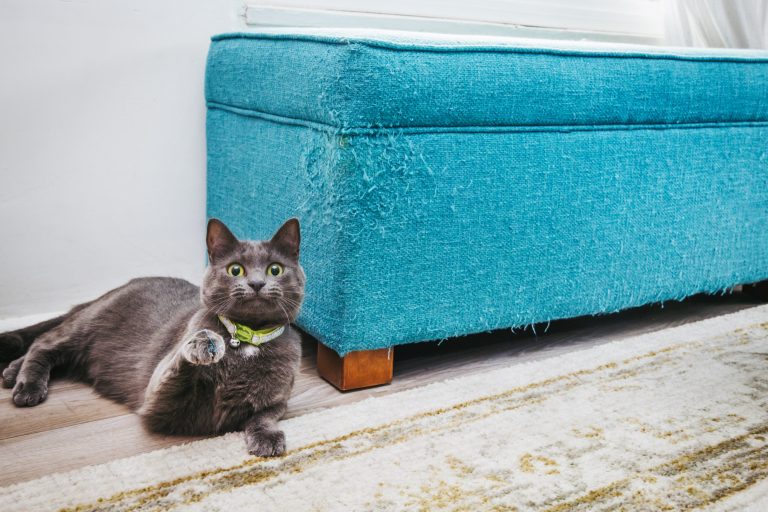
How to Get Cats Not to Scratch Furniture: Proven Tips
Are you tired of finding your beloved furniture covered in scratch marks? If your cat’s claws have become the nemesis of your couch, don’t worry—you’re not alone.
Many pet owners face the same struggle. Understanding why cats scratch and learning how to redirect this behavior is key to maintaining a harmonious home. Imagine being able to relax on your pristine sofa, knowing it’s safe from those sharp little claws.
This guide will show you simple, effective methods to protect your furniture without compromising your cat’s happiness. Dive in to discover practical solutions that will transform your living space into a cat-friendly haven while keeping your furniture intact.

Credit: www.lissivigeenschool.com
Understanding Cat Behavior
Understanding why cats scratch is key to preventing furniture damage. Cats have natural behaviors that are instinctive. Knowing these behaviors helps in managing them effectively. Let’s explore these instincts further.
Why Cats Scratch
Cats scratch to keep their claws sharp and healthy. Scratching removes dead nail layers, keeping them clean. It’s also a form of exercise. Cats stretch their bodies while scratching. This helps their muscles stay flexible.
Scratching is also a way for cats to mark territory. Their paws have scent glands. When they scratch, they leave their scent behind. This tells other cats, “This is my space.”
Natural Instincts
Scratching is a natural instinct for cats. It’s part of their wild ancestry. In nature, cats scratch trees for survival. They use their claws for climbing and hunting. This behavior is deeply ingrained in them.
Indoor cats still have these instincts. Even without outdoor access, they will find surfaces to scratch. Scratching is comforting for them. It’s a stress reliever and provides mental stimulation.
Understanding these instincts helps in finding solutions. Provide scratching posts and pads. Redirect their attention from furniture to these alternatives. This satisfies their natural urge to scratch.

Credit: www.wb-iisg.com
Preventative Measures
Training cats to avoid scratching furniture involves simple tactics. Provide scratching posts and reward good behavior. Cover furniture with protective materials to deter claws.
Cats scratching furniture can be a real headache, but with some preventative measures, you can protect your beloved pieces without compromising your feline friend’s natural instincts. Teaching your cat where to scratch is crucial for a peaceful household. You don’t have to choose between your cat and your couch; it’s all about making smart choices and using the right tools.Choosing Scratch-friendly Furniture
Opt for furniture made with materials that are less appealing to cats. Leather or tightly woven fabrics are less likely to attract kitty claws. When I got a new couch, I made sure it was covered in a durable microfiber that my cat finds less enticing. It worked wonders! You can also look for furniture that incorporates built-in scratching posts. These are great because they offer your cat an alternative without sacrificing style. Ask yourself, is this a piece my cat will likely target? If the answer is yes, consider if there’s a more scratch-friendly option available.Protective Covers And Materials
Using protective covers can save your furniture from becoming a scratching post. Slipcovers or specially designed furniture protectors can be a game changer. They’re easy to clean and replace, keeping your sofa safe from claws. Double-sided tape or aluminum foil can also deter scratching. Cats dislike the sticky feeling or the crinkly texture under their paws. When my cat started scratching the armchair, I tried sticky tape, and she quickly lost interest. Consider using scratching deterrents that are safe for both your cat and your furniture. There are sprays available that have scents cats dislike but are pleasant to humans. Are you willing to try a few options to see what works best for your cat and home? These preventative measures can help create a harmonious living space for you and your cat. By understanding your cat’s needs and making small adjustments, you can protect your furniture and enjoy a happy pet.Effective Training Techniques
Training your cat not to scratch furniture can be challenging. Cats have a natural instinct to scratch, which helps them maintain their claws. But with effective training techniques, you can protect your furniture. Let’s explore strategies to help guide your cat’s behavior.
Positive Reinforcement
Reward your cat when they scratch approved items. Use treats or praise to encourage this behavior. Place a scratching post near furniture. This gives them a better option. Every time your cat uses the post, offer a treat. Consistency is key. Over time, your cat will prefer the post over the couch.
Using Deterrents
Deterrents can help discourage furniture scratching. Try covering furniture with double-sided tape. Cats dislike sticky surfaces. Another option is using sprays that repel cats. These sprays have scents cats avoid. Place these on furniture areas prone to scratching. Deterrents are effective but should be combined with positive reinforcement. Train your cat to use alternative surfaces.
Alternative Solutions
Scratching is natural for cats. It helps them stretch and mark territory. Yet, scratched furniture can be frustrating. Thankfully, there are alternative solutions to redirect this behavior. These options satisfy your cat’s needs and protect your furniture.
Scratch Posts And Pads
Scratch posts and pads are essential for cat owners. They provide a designated area for scratching. Choose posts that are tall and sturdy. Cats love to stretch while scratching. Place them near furniture your cat usually scratches. This encourages them to use the post instead.
Scratch pads are another great option. They come in various textures like cardboard or sisal. Experiment to find your cat’s preference. You can move pads around easily. This makes them versatile for any room.
Interactive Toys
Interactive toys can keep your cat entertained. They help redirect energy from scratching furniture. Toys with feathers, bells, or lights catch a cat’s attention. Rotate toys to keep your cat interested. Playtime satisfies their natural instincts.
Consider puzzle toys for mental stimulation. They challenge your cat and reduce boredom. More active cats may enjoy laser pointers. These toys engage your cat in healthy play. Encourage regular play sessions to keep them happy.
Behavior Modification Tools
Cats can learn to avoid scratching furniture through behavior modification tools. Use scratching posts and deterrent sprays to redirect their instincts. Positive reinforcement encourages them to choose appropriate surfaces, protecting your furniture from damage.
Cats often scratch furniture, causing frustration for owners. Scratching is natural for cats. It helps them stretch, mark territory, and maintain claw health. To redirect this behavior, behavior modification tools offer solutions. These tools can help train cats and save furniture.Scent-based Solutions
Cats are sensitive to scents. Certain smells deter them from scratching. Citrus scents like lemon or orange can be effective. Spraying furniture with citrus-based solutions can discourage cats. You can also use essential oils such as lavender. They can create an unpleasant environment for scratching. Be careful with essential oils. Some can be harmful to cats. Always dilute oils and consult a vet for safe use.Sound-based Deterrents
Sounds can be powerful tools for training cats. Devices that emit high-pitched noises can deter them. These sounds are unpleasant for cats but harmless. You can place these devices near furniture. They activate when a cat approaches. Another option is using a can of compressed air. It releases a loud hiss when sprayed. This can startle a cat away from the furniture. Consistent use of sound-based deterrents can reinforce boundaries.
Credit: www.sagradobyme.cl
Maintaining A Scratch-free Home
Keeping your furniture scratch-free involves understanding feline behavior. Introduce scratching posts to redirect your cat’s natural instincts. Use deterrent sprays on furniture surfaces to discourage unwanted scratching. Regularly trim your cat’s claws to minimize damage. Offer plenty of toys to keep them entertained and distracted.
Maintaining a scratch-free home with a cat can feel like a never-ending battle. However, by understanding your cat’s needs and preferences, you can create a harmonious environment where both your furniture and your feline thrive. Let’s dive into practical ways to protect your furniture from those sharp little claws.Regular Nail Trimming
Consistent nail trimming is your first line of defense against scratched furniture. It minimizes the damage cats can do if they do scratch. Aim to trim your cat’s nails every couple of weeks. You might find this task daunting, but it becomes easier with practice. Use a special cat nail clipper and reward your cat with treats afterward. This positive reinforcement makes future trims easier and more pleasant for both of you.Creating A Comfortable Environment
Have you ever considered why your cat scratches in the first place? Scratching is a natural behavior for cats, helping them to mark their territory and keep their claws in top condition. Providing alternatives can deter them from choosing your sofa as their favorite spot. Invest in a variety of scratching posts and place them in areas where your cat loves to hang out. Different textures like sisal, cardboard, or carpet can appeal to different cats. Notice which one your cat prefers and add more of those types. Additionally, making your home a cat-friendly zone can make a huge difference. Ensure your cat has cozy resting places and enough mental stimulation. A bored cat is more likely to scratch out of frustration or boredom. Have you tried using deterrent sprays on furniture? These sprays are designed to keep cats away from certain areas without harming them. They can be a great tool to redirect your cat’s scratching habits. Remember, each cat is unique. What works for one might not work for another. By observing your cat’s behavior and preferences, you can tailor your approach to keeping your home scratch-free. What changes are you willing to try for a more harmonious home?Frequently Asked Questions
How Do I Stop My Cat From Scratching My Furniture?
Place scratching posts near furniture. Use cat deterrent sprays. Trim your cat’s nails regularly. Reward good behavior with treats. Cover furniture with protective materials.
At What Age Do Cats Stop Clawing?
Cats typically stop excessive clawing by 1 to 2 years old. Training and providing scratching posts help.
What Scent Keeps Cats From Scratching Furniture?
Cats dislike citrus scents like lemon, orange, and lime. Use these to deter scratching on furniture. Essential oils such as lavender or eucalyptus also work well. Ensure proper dilution to avoid harm. These scents act as natural repellents, keeping cats away from unwanted areas.
How To Punish A Cat For Scratching A Couch?
Redirect the cat’s behavior with a scratch post nearby. Use deterrent sprays on the couch. Reward positive behavior with treats. Avoid physical punishment; it can harm trust. Consistency and patience are key to training.
Conclusion
Training your cat not to scratch furniture takes patience and consistency. Use positive reinforcement and provide alternatives like scratching posts. Protect your furniture with covers or sprays. Regularly trim your cat’s nails to reduce damage. Stay calm and patient through the process.
Remember, it’s natural for cats to scratch. Understanding their needs helps build a better bond. Practice these strategies daily for best results. Soon, your home will be scratch-free and peaceful. Keep your cat happy and your furniture safe. Enjoy a harmonious living space with your feline friend.