How to Keep Cats from Scratching the Furniture: Proven Tips
Are your favorite armchair and couch suffering from the wrath of your cat’s claws? You’re not alone.
Many cat owners face the frustrating battle of keeping their furniture scratch-free. But what if there was a way to protect your beloved sofas without sacrificing your cat’s happiness? Imagine a home where your furniture stands proudly unscathed, all while your feline friend remains content.
This isn’t a distant dream—it’s entirely possible. You’ll discover simple yet effective strategies to prevent your cat from turning your living room into their personal scratching post. Keep reading to find out how you can create a harmonious environment for both you and your furry companion.

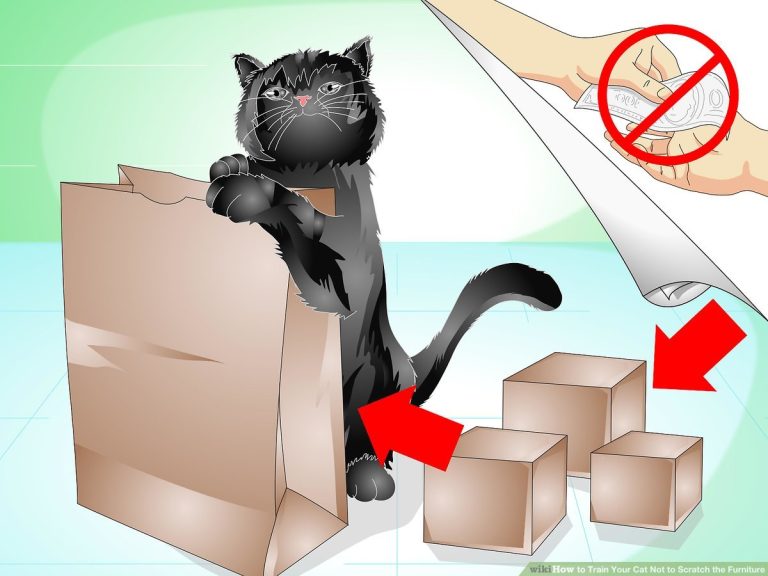
Credit: www.wikihow.com
Understanding Cat Scratching Behavior
Cats scratch to mark territory and keep their claws sharp. Provide scratching posts near furniture to redirect them. Use deterrents like double-sided tape to protect your sofas and chairs.
Understanding why cats scratch furniture can be the first step in preventing it. Cats don’t scratch out of spite; it’s a natural behavior that serves several purposes. By learning about these reasons, you can create an environment that meets their needs and protects your furniture.Why Do Cats Scratch?
Cats scratch to mark their territory. They have scent glands in their paws that release pheromones, signaling ownership. Scratching also helps them stretch and flex their muscles, keeping them agile and fit. Another reason is to shed the outer layers of their claws. This keeps their claws sharp and healthy. Think about how you feel after trimming your nails—imagine the relief a cat feels after a good scratch.What Attracts Cats To Certain Furniture?
Texture plays a big role in what furniture cats choose to scratch. They often prefer materials that offer resistance, like fabric or leather. Have you noticed your cat bypassing a smooth wooden table to scratch your couch instead? The location of the furniture is another factor. Cats often scratch objects that are in prominent places. This makes their mark more noticeable, which is important for them in establishing territory.How Can You Use This Knowledge?
Use this understanding to your advantage. Provide your cat with a variety of scratching posts and pads. Place them near the furniture they often target to redirect their behavior. Experiment with different materials to see what your cat prefers. Some cats love the feel of sisal rope, while others might prefer cardboard. By catering to their natural instincts, you make it easier for them to choose the right spot to scratch. Ask yourself: Are you providing enough options for your cat? Are these options appealing compared to your furniture? Understanding your cat’s behavior can lead to a more harmonious home for both you and your feline friend.Choosing The Right Scratching Posts
Cats love scratching. A good scratching post can save your furniture. Choose one sturdy enough to satisfy your cat’s needs. Make sure it’s tall and appealing to their instincts.
Choosing the right scratching posts can save your furniture from cat claws. Cats scratch to mark territory, stretch muscles, and remove dead nail layers. A good scratching post satisfies these needs and keeps your furniture safe. But not all posts are equal. Selecting the right one requires understanding your cat’s preferences.Types Of Scratching Posts
Scratching posts come in various styles and materials. Vertical posts are popular and cater to cats who like to stretch tall. Choose a post that’s sturdy and tall enough for your cat. Some cats prefer horizontal scratching posts or mats. These suit cats that scratch carpets or floors. Sisal rope is a common material, durable and appealing to cats. Cardboard scratchers are budget-friendly and often loved by cats. Experiment with different types to find your cat’s favorite.Placement Tips
Placement is key to encouraging your cat to use the scratching post. Position the post near furniture your cat likes to scratch. This provides a direct alternative. Place it in common areas where your cat spends time. Cats often scratch when they wake up, so a post near their sleeping area helps. Ensure the post is stable and won’t tip over. A wobbly post can discourage use. Consider multiple posts in different house areas to suit your cat’s needs.Training Cats To Use Scratching Posts
Cats often scratch furniture to mark their territory and keep claws healthy. Training them to use scratching posts can redirect this behavior effectively. Introduce posts in areas they frequent, and encourage use with toys or treats.
Training your cat to use scratching posts is a crucial step in protecting your furniture from unwanted claw marks. Cats have a natural instinct to scratch, which helps them stretch and keep their claws healthy. Instead of fighting this behavior, redirect it to a designated scratching post. But how do you ensure your feline friend actually uses it? Let’s dive into some practical techniques and strategies.Positive Reinforcement Techniques
Cats respond wonderfully to positive reinforcement. When your cat uses the scratching post, reward them immediately. Offer treats or affection as a way to show your approval. You can also use toys to lead them to the post. Dangling a toy near the post can entice your cat to scratch. Once they do, shower them with praise. Remember, it’s all about associating the post with good things. This will make your cat more likely to return to it.Consistency And Patience
Training a cat requires consistency. Make the scratching post accessible and attractive. Place it in areas your cat frequents, and keep it in a stable position. Patience is key. Cats may take time to warm up to new routines. Don’t get discouraged if they don’t use the post immediately. Keep encouraging them with positive reinforcement. Have you ever wondered why some cats seem to ignore scratching posts? It could be the texture. Experiment with different materials to find what your cat prefers. Building a habit takes time. Stay consistent, and your furniture will thank you for it.Protecting Furniture From Scratches
Protecting your furniture from your cat’s claws can seem like a never-ending battle. You love your furry friend, but the scratches on your couch or chair can be frustrating. Thankfully, there are effective ways to minimize the damage and keep your furniture looking its best. With a little creativity, you can enjoy a scratch-free home without sacrificing your pet’s happiness.
Using Furniture Covers
Furniture covers can be a lifesaver when it comes to preventing scratches. They are easy to use and can be stylish too. Choose a cover that complements your decor, and you’ll protect your furniture while keeping your home aesthetically pleasing.
Opt for covers made of durable materials like microfiber or heavy-duty canvas. These materials can withstand your cat’s claws better than others. They can be washed regularly, ensuring your furniture stays clean and fresh.
Think about the areas where your cat usually scratches. If they favor one spot, focus on covering that part. A slipcover can be a quick fix, but a custom-fit cover provides better protection.
Applying Deterrents
Deterrents can be a powerful way to teach your cat to avoid certain areas. Products like double-sided tape or plastic panels can be placed on your furniture to discourage scratching.
Some deterrents use scents that cats dislike, like citrus or lavender. Applying these to your furniture can keep your cat at bay. Just make sure they are safe for both your pet and your furniture.
You can also use a spray bottle with water as a deterrent. When you catch your cat scratching, a gentle spritz can help reinforce the idea that this behavior is unwelcome.
What solutions have you found effective for protecting your furniture? Share your tips in the comments below, and let’s keep our homes beautiful together!
Managing Nail Care
Managing your cat’s nail care is essential if you want to keep your furniture looking pristine. Cats naturally love to scratch, which helps them keep their nails healthy and sharp. By taking control of their nail care, you can minimize the damage to your cherished belongings. Let’s dive into some effective strategies.
Regular Trimming
Trimming your cat’s nails regularly can significantly reduce the damage they inflict on your furniture. It might sound daunting, but with a bit of patience and practice, it becomes a routine part of pet care.
Start slowly and make it a positive experience. Use treats and soothing words to comfort your feline friend. A little trim every week can prevent nails from becoming too long.
Think of it as a bonding time. Your cat might even look forward to the pampering session. Are you worried about hurting them? Use special cat nail clippers and trim just the tip, avoiding the quick.
Soft Nail Caps
Soft nail caps are a fantastic solution if regular trimming doesn’t fully solve the scratching issue. These small, rubber-like caps fit over your cat’s nails, preventing them from causing damage.
Applying nail caps can be tricky at first, but many pet owners find it easier with practice. They usually last for several weeks before needing replacement.
Some cats might resist at first, but with patience, they adapt. Imagine the relief when your furniture remains unscathed! Do you worry about the caps affecting your cat’s movement? Rest easy; they are designed to be lightweight and comfortable.
By managing your cat’s nail care, you protect your furniture and foster a more harmonious home. Which method will you try first to save your favorite couch?
Environmental Enrichment
Cats naturally scratch to mark territory and exercise muscles. Providing scratching posts can redirect their energy. Placing these posts near favorite scratching spots on furniture helps protect your sofa and chairs. Offer a variety of textures and heights to keep your cat interested and furniture safe.
Cats naturally love to scratch as it helps them maintain their claws and mark their territory. However, it can be frustrating when they choose your furniture as their favorite scratching post. One effective way to redirect this behavior is through environmental enrichment. This involves creating a stimulating and comfortable environment that satisfies your cat’s physical and mental needs, reducing their urge to scratch your beloved couch. Let’s dive into some practical strategies to keep your feline friend entertained and your furniture intact.Providing Toys And Activities
Keeping your cat entertained is crucial in preventing destructive scratching. Offer a variety of toys to keep their interest. Rotate toys regularly to keep things fresh. Interactive toys that mimic prey can be particularly engaging. Think feather wands or laser pointers. These not only satisfy their hunting instincts but also provide much-needed exercise. Puzzle toys can stimulate their minds and reward them with treats. You could also try creating DIY toys using household items. A simple crumpled paper ball can be a source of endless fun.Creating Comfortable Spaces
Cats love cozy spots where they can relax and observe their surroundings. Provide soft beds or cushioned areas. Place them in locations where your cat enjoys spending time. Consider creating vertical spaces with shelves or cat trees. Cats often feel safer when they can perch up high. This gives them an alternative to scratching furniture when they want to stretch or climb. Is your cat more of a sunbather? Ensure they have access to sunny spots. A comfortable window perch can be a game-changer, offering warmth and a view to keep them entertained. When you enrich your cat’s environment, you not only protect your furniture but also improve their quality of life. What changes will you make to keep both your cat and furniture happy?Consulting With Veterinarians
Scratching is a natural behavior for cats, but it can be frustrating. Consulting with veterinarians can provide valuable insights. They can help you understand your cat’s scratching habits. This guidance ensures your furniture remains scratch-free.
Behavioral Advice
Veterinarians offer expert behavioral advice. They understand why cats scratch. They can suggest alternatives like scratching posts. These substitutes can divert your cat’s attention. Positive reinforcement techniques may also be recommended. Rewarding desired behaviors can be effective. This approach nurtures a harmonious home environment.
Health Check
Regular health checks are crucial. Sometimes, scratching can indicate health issues. Veterinarians can rule out medical problems. They check for skin conditions or parasites. Addressing health concerns can reduce unwanted scratching. A healthy cat is often a happy cat. And a happy cat scratches less. This ensures peace in your living space.
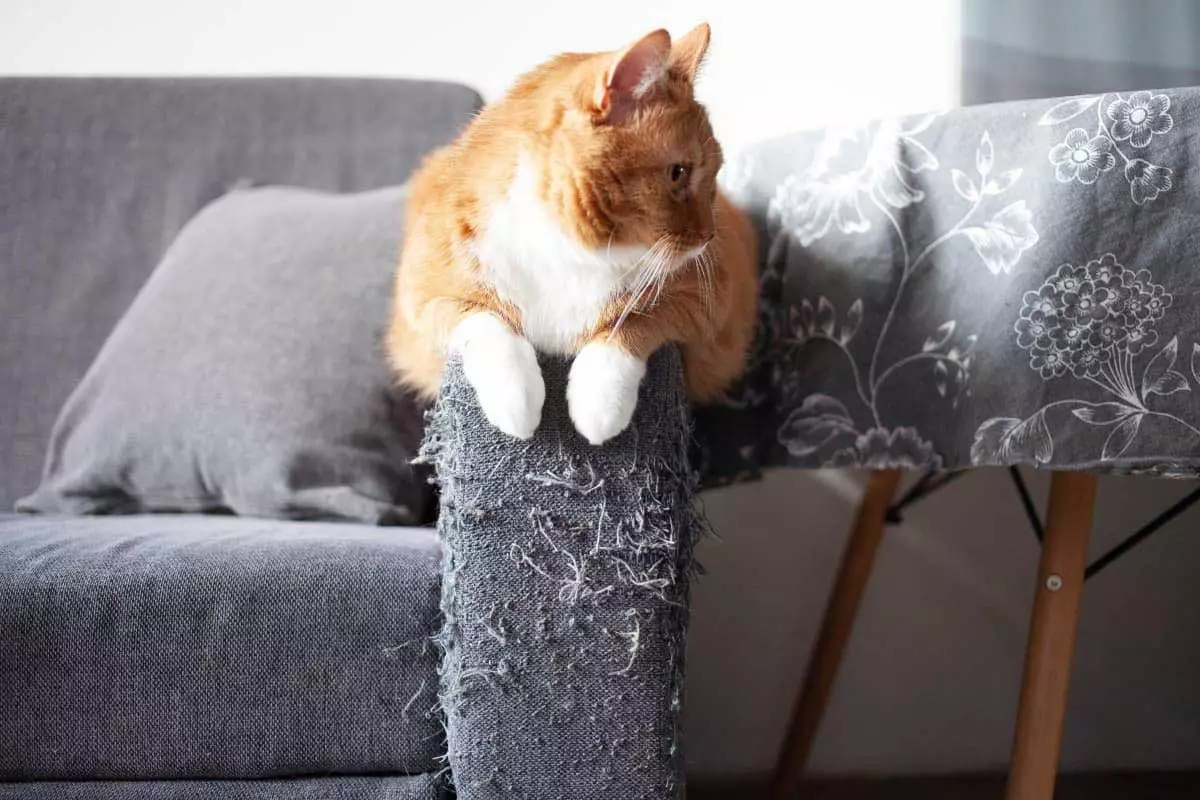
Credit: blog.homesalive.ca
:strip_icc()/keep-cat-from-scratching-carpet-554831_final-a8dcf3bb9e3b4c269259604c244f42d5.png)
Credit: wb-iisg.com
Frequently Asked Questions
How Do I Get My Cat To Stop Scratching The Couch?
Place a scratching post near the couch to redirect your cat’s behavior. Use positive reinforcement when they use it. Cover the couch with a protective fabric or use double-sided tape to deter scratching. Trim your cat’s nails regularly. Consider using pheromone sprays to calm your cat’s instincts.
What Can I Spray On My Furniture To Keep Cats From Scratching?
Use a cat deterrent spray with natural scents like citrus or lavender. These sprays discourage scratching and are safe for furniture. Ensure consistent application for effectiveness. Regularly trim your cat’s nails and provide scratching posts as alternatives. Always check the spray’s ingredients for pet safety.
What Scent Will Keep Cats From Scratching?
Cats dislike citrus scents like orange, lemon, and lime. Use these to deter scratching. Essential oils like lavender or eucalyptus also work. Spray diluted scents on areas prone to scratching. Ensure the solution is safe and non-toxic for pets. Consistent application helps maintain effectiveness.
How Do You Scratch Proof Furniture From Cats?
Use scratch-resistant furniture covers or sprays. Provide scratching posts to divert attention. Trim your cat’s nails regularly. Use double-sided tape on furniture edges. Train your cat with positive reinforcement techniques.
Conclusion
Cats can scratch furniture, but you can manage it. Provide scratching posts nearby. Use deterrent sprays on furniture. Trim your cat’s nails regularly. Praise good behavior with treats. Keep them entertained with toys. A happy cat scratches less destructively. You can use protective covers on furniture.
Consistency in training is key. Be patient and understanding. Cats need time to learn new habits. Always remember, they scratch to express themselves. With these tips, your furniture can stay safe. And your cat can stay happy and healthy. Enjoy a scratch-free home environment.