How to Teach Cat Not to Scratch Furniture: Expert Tips
Are you tired of finding your beloved furniture in tatters, courtesy of your cat’s claws? It’s a common struggle for many cat owners.
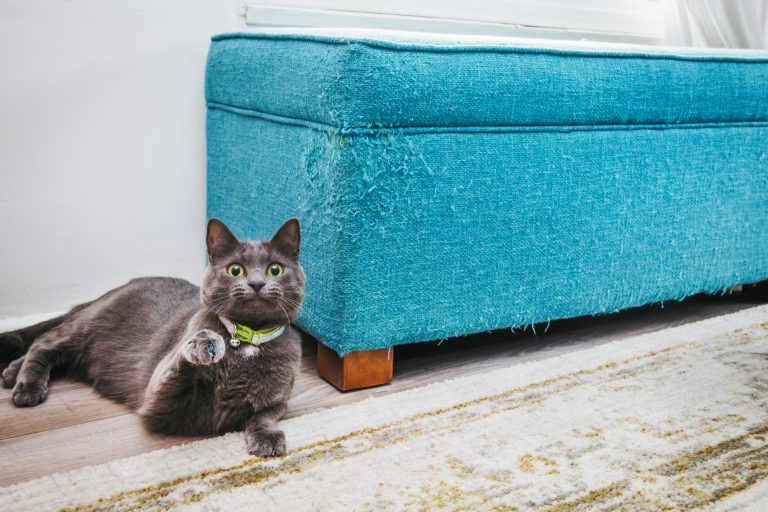
You adore your feline friend, but the constant scratching can turn your home into a playground of shredded fabric and wood. The good news? You can teach your cat to keep its claws off the couch. Imagine coming home to a living room that’s just as you left it, with your furniture intact and your cat happily entertained elsewhere.
Intrigued? By the end of this article, you’ll discover simple yet effective strategies that will not only save your furniture but also strengthen your bond with your furry companion. Let’s dive into the secrets of harmonious living with your feline friend.

Credit: www.lissivigeenschool.com
Understanding Cat Behavior
Cats naturally scratch to mark territory and maintain claws. Redirect this behavior by providing scratching posts. Use gentle deterrents like double-sided tape on furniture to discourage unwanted scratching.
Understanding why your cat scratches furniture is key to curbing this behavior. Cats are not destructive creatures by nature; they have specific reasons for scratching. By understanding these motivations, you can redirect their scratching behavior in a more positive direction.Instinctual Scratching
Cats have an innate need to scratch. This action helps them shed the outer layer of their claws, keeping them sharp and healthy. Scratching also provides a great form of exercise for your cat, stretching and flexing their muscles and tendons. Imagine you’re working out and stretching—cats need this too!Communication Through Scratching
Your cat isn’t just scratching for physical reasons; they’re sending messages too. Scratching is a way cats communicate with other animals and humans. They leave visual marks and scents that signal their presence. When you notice a pattern in where your cat scratches, think of it as their way of saying, “I’m here!”Territorial Marking
Cats are territorial by nature, and scratching is one of the ways they mark their territory. The scent glands in their paws release pheromones onto the surfaces they scratch. This creates a familiar scent profile that makes them feel safe and secure. If your cat scratches a particular spot repeatedly, it’s because they’ve claimed that area as theirs. Understanding these behaviors is crucial in teaching your cat not to scratch your furniture. What other creative ways might there be to satisfy your cat’s scratching needs, while also protecting your beloved furniture? Start thinking like a cat, and you might find the solution is simpler than you think.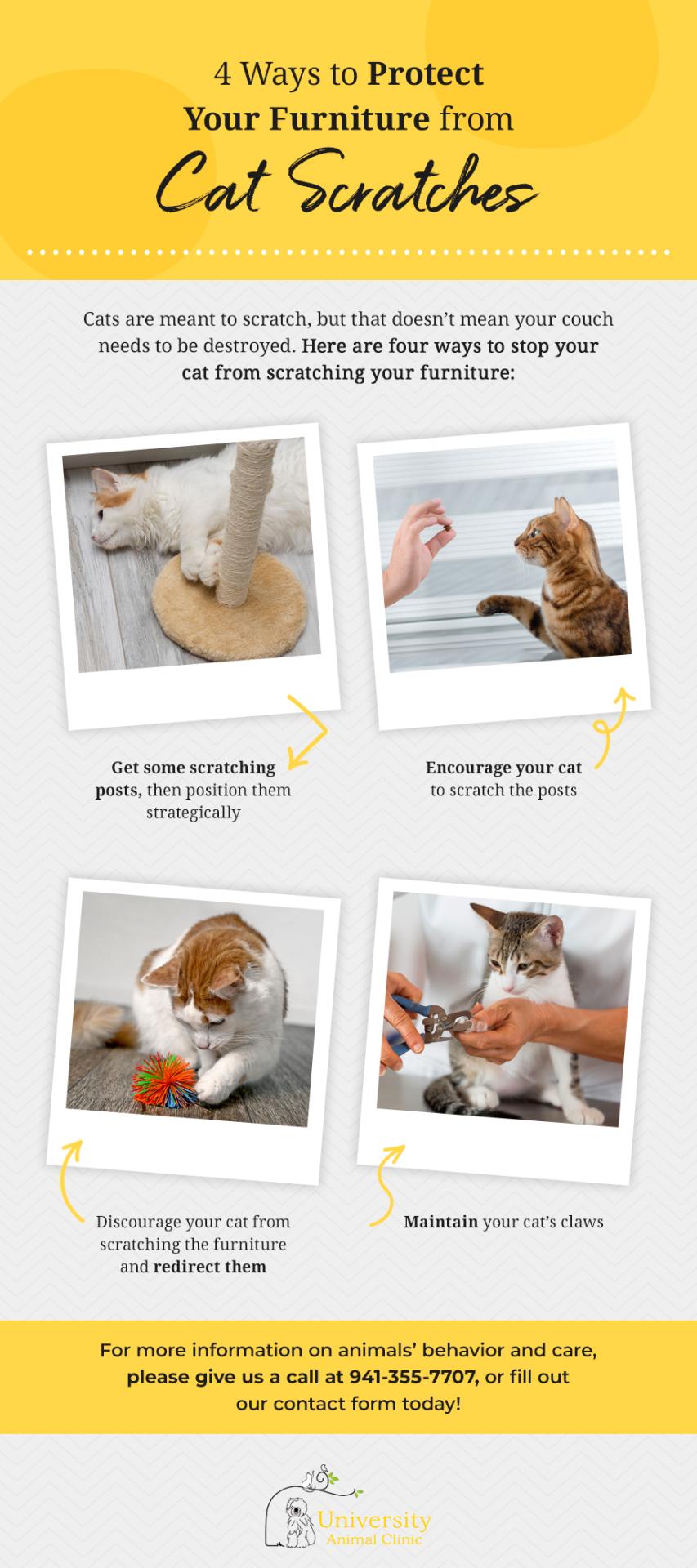
Credit: www.francisurology.com
Choosing The Right Tools
Teaching your cat not to scratch furniture can be challenging. Choosing the right tools helps redirect their natural instinct. Cats scratch to mark territory and maintain claw health. Providing them with suitable alternatives prevents damage to your furniture.
Scratch Posts And Pads
Scratch posts and pads are essential tools. They offer your cat a dedicated place to scratch. Choose sturdy options that won’t tip over easily. Tall posts allow cats to stretch fully. Horizontal pads cater to different scratching preferences. Introduce both to find what your cat prefers.
Materials And Textures
Cats respond to different materials and textures. Sisal rope and fabric are popular choices. Cardboard also attracts many cats. Experiment with various textures to see what your cat likes. Offering variety keeps their interest and encourages regular use.
Placement Of Scratching Options
Placement plays a crucial role in usage. Place scratch posts near areas your cat frequents. Consider spots near their favorite sleeping places. This makes them more likely to use the posts. Near furniture they’ve scratched is also a good idea. It redirects their behavior effectively.
Training Techniques
Training your cat not to scratch furniture requires patience and effective techniques. Cats naturally scratch to mark territory and maintain their claws. With the right methods, you can guide their behavior positively. Let’s explore some proven techniques.
Positive Reinforcement
Reward your cat for good behavior. Provide treats when they use a scratching post. Praise them enthusiastically. Cats respond well to positive reinforcement. It encourages them to repeat the desired action.
Redirecting Scratching
Place scratching posts near furniture. This gives your cat an alternative. Show them the post by gently guiding their paws. Use catnip to make the post attractive. Over time, they’ll prefer using the post.
Consistency And Patience
Consistency is key in training. Always redirect scratching to the post. Maintain a routine to reinforce learning. Training takes time, so patience is crucial. Celebrate small successes to stay motivated.
Protecting Your Furniture
Your cat’s claws can be both a source of pride and a source of frustration, especially when your furniture bears the brunt of their natural scratching instincts. Yet, protecting your furniture from your feline friend’s claws is not just a dream; it’s a reality you can achieve with a few practical steps. Let’s dive into some effective strategies to safeguard your precious couches and chairs from unwanted claw marks.
Using Deterrents
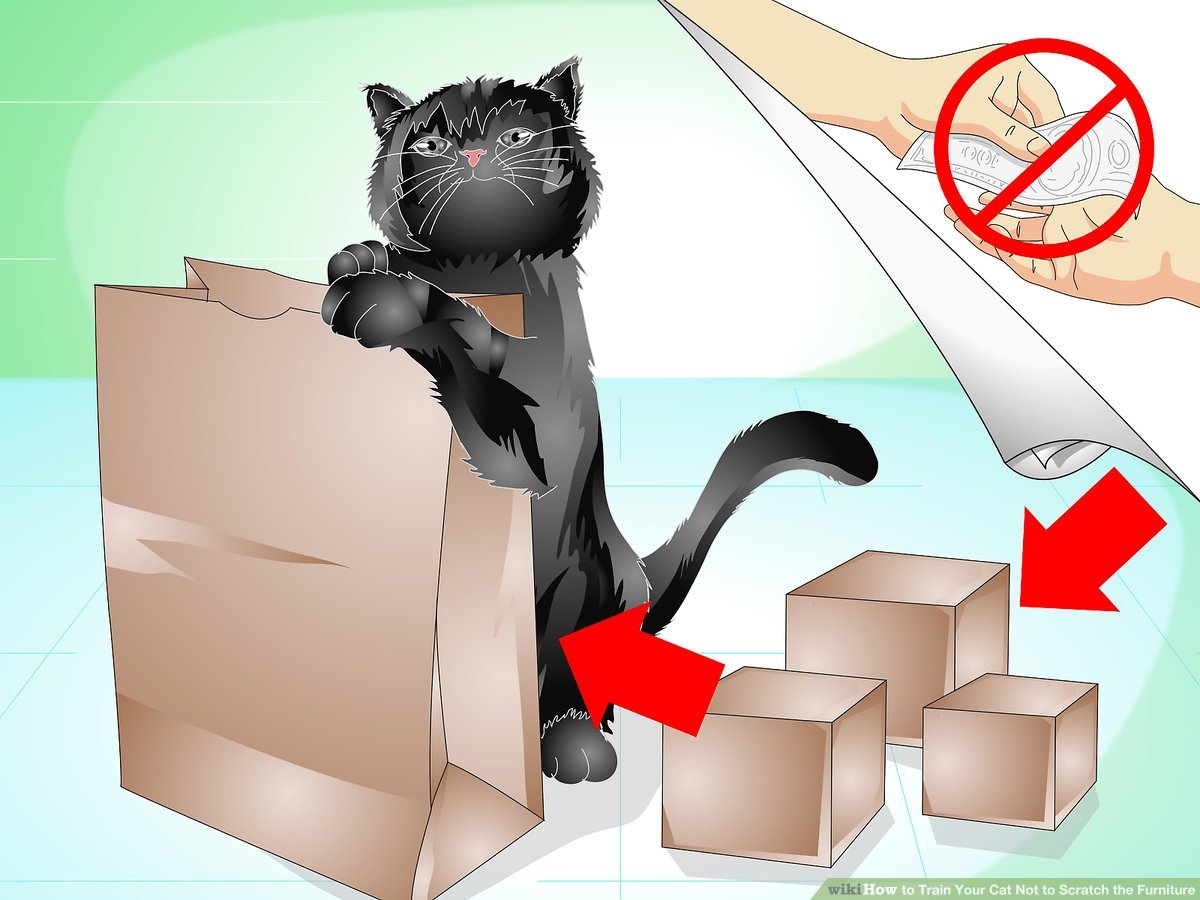
Deterrents can be a simple yet effective way to prevent your cat from scratching your furniture. These can range from double-sided tape to aluminum foil placed on surfaces your cat loves to scratch. Cats dislike the sticky or crinkly texture, making them less likely to attack those areas.
Consider trying a scratch deterrent spray, which often contains safe, natural ingredients that are unpleasant to cats. This can be a good option if you prefer a less visible solution. Have you found something that works for your cat?
Furniture Covers
Furniture covers are another practical solution to protect your furniture. They can be stylish, matching your decor while also serving as a protective barrier against claws. Look for covers made of thick, durable fabric that can withstand scratching.
Investing in washable covers can save you time and effort in maintenance. Who said practicality can’t be fashionable? Do you have a favorite type of cover that works well in your home?
Repellents And Sprays
Repellents and sprays can help keep your cat away from furniture. Products with citrus or herbal scents are often disliked by cats, encouraging them to steer clear. Experiment with different scents to see what effectively keeps your cat at bay.
Making your own spray with water and a few drops of essential oils can be a natural and budget-friendly alternative. Just ensure the oils are safe for pets. What’s your go-to scent for keeping your cat off the couch?
Ultimately, protecting your furniture from your cat’s claws requires a combination of strategies tailored to your home and feline habits. Trying different methods will help you find what works best, ensuring harmony between your cat and your cherished furniture.
Creating A Cat-friendly Environment
Teaching your cat not to scratch furniture can be challenging. Creating a cat-friendly environment helps. It diverts their attention from your furniture. Providing suitable alternatives can protect your home. It also keeps your cat happy and healthy. Here’s how to create a cat-friendly space.
Engaging Toys
Engaging toys play a crucial role. They keep your cat entertained. Cats love chasing and hunting. Interactive toys mimic these activities. Use toys with feathers or bells. Laser pointers are great too. Rotate toys weekly. This keeps your cat interested and curious.
Climbing Structures
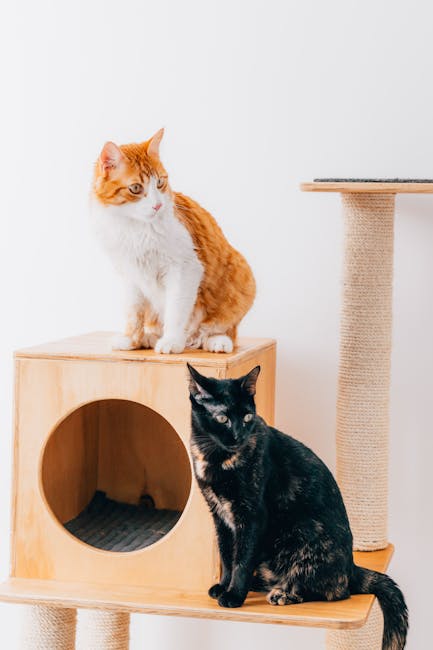
Cats love to climb. Climbing structures provide a safe place to explore. Cat trees are excellent options. They come in various sizes. Choose one that fits your space. Install shelves or perches. This adds vertical space for your cat. It satisfies their natural curiosity.
Safe Spaces
Safe spaces are essential for your cat. They need a quiet place to relax. Create a cozy corner with a soft bed. Add blankets and pillows. Hideaways help them feel secure. You can use a cardboard box or pet tent. Ensure it’s away from noise and traffic.

Credit: www.sagradobyme.cl
Consulting A Veterinarian
Consulting a veterinarian can help you understand why your cat scratches furniture. Experts offer solutions tailored to your pet’s behavior. They provide tips to redirect scratching habits, ensuring your furniture stays safe.
Teaching your cat not to scratch furniture can be challenging, and sometimes you need a little extra help. Consulting a veterinarian can be a game-changer. They bring a wealth of knowledge that can address both behavioral and health-related reasons for your cat’s scratching habits. By seeking professional advice, you can find solutions tailored to your cat’s unique needs.Behavioral Advice
Vets can offer valuable insights into why your cat may be scratching excessively. They understand feline behavior deeply. Have you ever noticed your cat scratching more during certain times or in specific areas? A vet might suggest environmental changes or new toys to divert your cat’s attention. They can also recommend safe deterrents to keep your furniture scratch-free.Health Check
Scratching can sometimes be a sign of an underlying health issue. A thorough check-up can reveal if your cat is scratching due to skin problems or allergies. Imagine if an unnoticed ailment was causing your cat discomfort. Addressing health issues promptly can lead to a happier, less destructive pet. Routine health checks can prevent minor issues from becoming major problems.Professional Guidance
A veterinarian can provide guidance that goes beyond basic advice. They may offer resources like behavior specialists or specific training programs. Have you ever considered that a professional might have tools you hadn’t thought of? With their help, you can create a comprehensive plan to curb your cat’s scratching. Professional input can sometimes be the missing piece to solving the puzzle. Seeking a veterinarian’s advice not only helps you protect your furniture but also ensures your cat’s well-being. Whether it’s through behavioral advice, a health check, or professional guidance, a vet’s support can make all the difference. Have you consulted your vet about your cat’s scratching habits yet?Frequently Asked Questions
Can A Cat Be Trained Not To Scratch Furniture?
Yes, cats can be trained not to scratch furniture. Provide scratching posts and use deterrents like double-sided tape. Reward good behavior with treats and attention. Consistency and patience are key to successful training.
How Do I Stop My Cat From Scratching Furniture?
Use scratching posts to redirect your cat’s behavior. Apply double-sided tape or deterrents on furniture. Trim your cat’s nails regularly. Reward them for using designated scratching areas. Consider training with positive reinforcement.
At What Age Do Cats Stop Clawing?
Cats usually stop clawing aggressively by the age of 1 to 2 years. Training and providing scratching posts help reduce clawing. Regular nail trimming can also prevent damage.
Is It Possible To Have A Cat That Doesn’t Scratch Furniture?
Yes, it’s possible to train cats not to scratch furniture. Provide scratch posts and use deterrent sprays. Consistent training and positive reinforcement help. Trim their nails regularly to minimize damage.
Conclusion
Training your cat to avoid scratching furniture takes patience. Consistency is key. Introduce scratching posts early on. Reward good behavior with treats and praise. Remove temptations by using protective covers. Redirect attention with toys. Use deterrents like citrus sprays. Encourage exploration of safe scratching zones.
Cats need time to adjust. Remain patient and understanding. Success won’t come overnight. But with dedication, your efforts will pay off. A scratch-free home is possible. Your cat will thank you. Happy and content, both of you.