How to Stop Cats Scratching on Furniture: Effective Tips
Are you tired of finding your beautiful furniture marked with unsightly scratches? You’re not alone.
Many cat owners face the same challenge. But what if there was a way to preserve your furniture while keeping your feline friend happy? Imagine walking into your living room, seeing your pristine couch, and knowing your cat is content.
This isn’t just a dream—it’s possible, and easier than you might think. You’ll discover practical solutions to stop your cat from scratching your furniture. You’ll learn why cats scratch and how you can redirect their behavior, ensuring peace between your pet and your home. Keep reading to unlock the secrets to a scratch-free space.
Understanding Cat Scratching Behavior
Cats scratch furniture for various reasons. Understanding this behavior helps in managing it.
They aren’t just being naughty. Scratching is a natural instinct for them. It serves several purposes that are important for their well-being.
Why Do Cats Scratch?
Cats scratch to mark their territory. This behavior leaves both a visual and scent mark. It’s their way of saying, “This is mine.”
Scratching also helps cats shed old claw sheaths. This keeps their claws sharp and healthy.
Physical And Mental Exercise
Scratching provides cats with a form of physical exercise. It stretches their bodies and flexes their feet and claws.
Mentally, it keeps them engaged. Scratching can be a stress reliever for them.
Communication Through Scratching
Scratching can communicate a cat’s presence to other animals. It can also signal their emotional state.
Understanding these signals can help you respond to their needs better.
Providing Alternatives To Furniture
Offering scratching posts can redirect their behavior. Choose posts made of materials they like.
Place them near favorite scratching spots. This encourages them to use the posts instead of your furniture.

Credit: www.regenesys.archi
Choosing The Right Scratching Posts
Scratching is a natural behavior for cats, but when it comes to your furniture, it can be a real headache. One effective way to prevent your feline friend from turning your couch into their personal scratching post is by providing them with the right alternative. Choosing the right scratching posts can save your furniture and keep your cat happy. But how do you make the right choice? Let’s dive into what you need to consider.
Understanding Your Cat’s Preferences
Every cat has its own scratching style. Some prefer vertical posts, while others like horizontal surfaces. Observe where your cat scratches most often. Do they aim for the sides of the sofa or the carpet? By understanding their preference, you can choose a scratching post that mimics those textures and angles.
Material Matters
The material of the scratching post is crucial. Cats often love sisal, which is tough and satisfying for them to claw. Cardboard options can be great too, especially for cats who enjoy a softer surface. Avoid plush materials that may not withstand vigorous scratching. The right material can make all the difference in diverting their attention away from your furniture.
Size And Stability
Size matters when it comes to scratching posts. Make sure the post is tall enough for your cat to stretch their whole body. Stability is key—wobbly posts are a turn-off for most cats. They need to feel secure when they scratch, so ensure the post doesn’t tip over easily. A stable post can become your cat’s favorite go-to spot.
Placement Is Key
Where you place the scratching post can make a world of difference. Choose spots near the furniture your cat often targets. This way, they have an immediate alternative. Consider placing posts in multiple locations around your home. This increases the likelihood your cat will use them, protecting your furniture from damage.
Have you ever thought about what your cat might prefer in a scratching post? It’s a small change that can have a big impact on your home environment. Take the time to observe your cat’s habits, and you’ll find the perfect scratching post in no time. Your furniture will thank you!
Placement Of Scratching Posts
Cats naturally scratch to keep their claws healthy and mark territory. Scratching posts can save your furniture from damage. Correct placement of these posts is crucial for effectiveness.
Where To Place Scratching Posts?
Put scratching posts in areas your cat frequents. Near their favorite resting spots is ideal. Cats often scratch after waking up.
Ensure Accessibility
Make sure your cat can reach the scratching posts easily. Place them in open spaces. Avoid cramped corners or behind furniture.
Placement In High Traffic Areas
High traffic areas can attract your cat’s attention. Place posts in living rooms or hallways. Cats enjoy being near family activities.
Observe Your Cat’s Behavior
Watch where your cat likes to scratch. Place posts in those spots. Matching their habits ensures they use the posts.
Multiple Posts For Multiple Spots
If your cat scratches in different places, use several posts. This can prevent them from using furniture. Spread posts across the home.
Training Cats To Use Scratching Posts
Cats can be taught to use scratching posts to protect your furniture from damage. Introduce the post early, offering praise when used. A variety of textures and locations helps engage them, steering their natural instincts away from your sofa.
Training your cat to use scratching posts instead of your furniture is a task that requires patience but is well worth the effort. Scratching is a natural behavior for cats, and providing them with appropriate outlets can save your couch from becoming their favorite scratching spot. Here’s how you can successfully guide your feline friend towards those scratching posts.Understanding Your Cat’s Scratching Needs
Before you start training, it’s crucial to understand why cats scratch. Cats scratch to mark territory, sharpen their claws, and stretch their bodies. Knowing this helps you select the right scratching post that meets these needs.Choosing The Right Scratching Post
Not all scratching posts are created equal. Opt for sturdy posts that won’t tip over easily. Cats prefer a vertical stretch, so taller posts are often better. Ensure the material is appealing—cats love sisal rope or cardboard.Placement Matters
Where you place the scratching post can make all the difference. Position it near the furniture they usually scratch. This makes it easy for them to switch from your couch to the post. Gradually move it to a more permanent location once they are using it regularly.Using Positive Reinforcement
Encourage your cat to use the post by rewarding them. Whenever they scratch the post, offer treats or affection. Positive reinforcement creates a strong association between the post and a pleasant experience.Making The Scratching Post Attractive
Add catnip to the post to make it more appealing. You can also dangle toys from the top to catch their attention. Cats are curious creatures, and a little extra incentive can go a long way.Be Consistent And Patient
Training takes time. Be consistent with your efforts and patient with your cat. If you catch them scratching furniture, redirect them gently to the post. Consistency is key to success.What If It Doesn’t Work?
Sometimes, even the best laid plans don’t work. If your cat refuses the post, try a different type or material. Experiment with locations and incentives. You might discover something unexpected that works for your cat. Have you tried training your cat with scratching posts? What challenges have you faced, and how did you overcome them? Share your experiences or questions below!Using Deterrents On Furniture
Cats scratching on furniture can be managed by using deterrents. Sticky tape or citrus sprays can discourage this behavior. Placing scratching posts nearby offers an alternative for your feline friend.
Cats scratching furniture can be a common frustration for pet owners. However, using deterrents on furniture can be an effective solution to protect your beloved couch or favorite armchair. These deterrents are designed to make scratching less appealing to cats, encouraging them to redirect their scratching habits elsewhere. Let’s dive into some practical strategies to keep your furniture safe without compromising your cat’s natural instincts.Understanding Deterrents
Deterrents are tools or substances that discourage cats from scratching furniture. They can range from sprays to physical barriers. Think about what your cat dislikes. Is it a certain smell or texture? Using deterrents tailored to these preferences can be a game-changer.Sprays And Scents
Many cats are sensitive to strong smells like citrus or lavender. You can find pet-safe sprays that incorporate these scents and apply them to your furniture. It’s like creating an invisible boundary. Have you ever noticed your cat avoiding certain areas because of a smell? That’s the magic of scent deterrents!Physical Barriers
Consider using physical barriers like double-sided tape or aluminum foil on the corners of your furniture. Cats dislike sticky surfaces and the noise that foil makes. These barriers are easy to apply and remove without damaging your furniture. Imagine your couch wrapped in a protective layer that your cat finds unappealing—it’s both practical and effective.Alternative Scratching Options
While deterrents can be effective, it’s crucial to offer alternative scratching posts or pads. This way, your cat has a designated area to satisfy its scratching urge. Have you provided enough scratching alternatives around your home? If not, it might be time to add a variety of textures and heights to keep your cat interested.Consistency Is Key
The effectiveness of deterrents often relies on consistency. Regularly apply sprays and maintain barriers until your cat learns to avoid furniture. It’s like training your cat over time. Patience and perseverance pay off. Have you been consistent in your approach, or have you missed a few days? By addressing your cat’s scratching behavior with deterrents, you’re taking a proactive step toward a harmonious home environment. With a little creativity and patience, you can protect your furniture and keep your feline friend happy.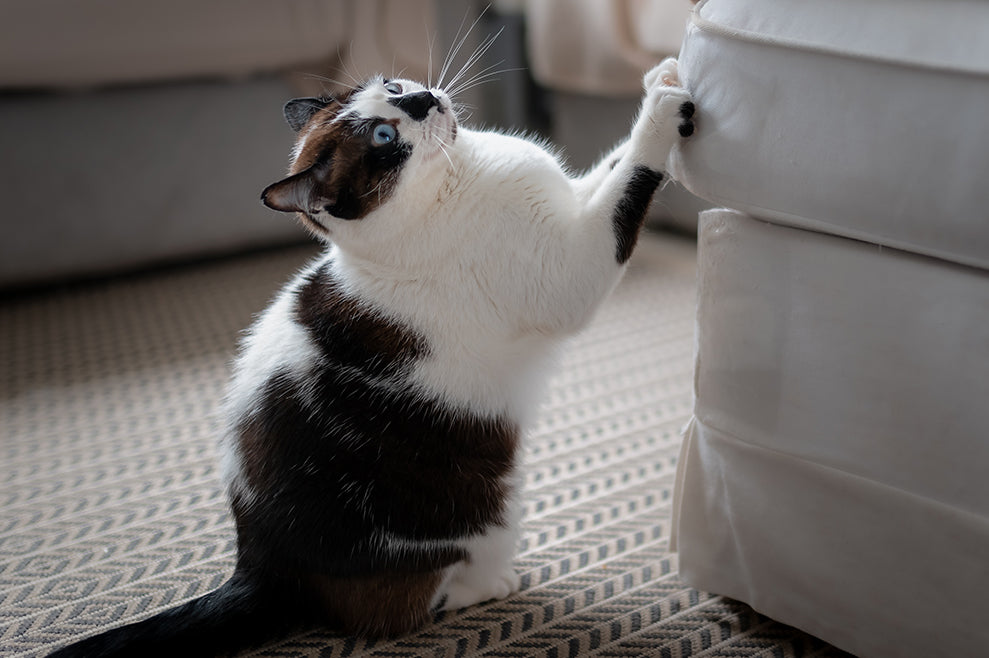
Credit: mademoggie.com.au
Protecting Furniture With Covers
Cats love to scratch, but furniture covers can help. They protect surfaces, making them less appealing to claws. Choose durable, washable materials that fit snugly on your furniture. This simple solution saves your furniture and keeps your home looking neat.
Cats are adorable companions, but their instinct to scratch can wreak havoc on your furniture. Protecting your beloved sofa or armchair from your feline friend’s claws might seem challenging, but with the right covers, you can keep both your furniture and your cat happy. Let’s explore practical ways to protect your furniture using covers.Understanding The Purpose Of Furniture Covers
Covers act as a protective barrier between your cat’s claws and your furniture. They are designed to absorb the impact of scratching, safeguarding the fabric beneath. Have you ever wondered why some furniture remains pristine despite having a cat? The secret often lies in a good cover choice.Choosing The Right Material
The material of the cover plays a crucial role in its effectiveness. Opt for tightly woven fabrics like denim or canvas, which can withstand vigorous scratching. A friend once used an old denim quilt on her sofa, and it worked wonders against her cat’s claws.Easy-to-install Options
Convenience is key when choosing a cover. Look for options that are easy to slip on and off for cleaning. Stretchable covers are user-friendly and can fit various furniture shapes and sizes. Could a simple slipcover be the solution you’ve been searching for?Blending With Your Home Decor
Aesthetic appeal matters too. Choose covers that complement your home’s color scheme and style. You don’t have to sacrifice looks for functionality; there are plenty of stylish covers available. Wouldn’t it be great to protect your furniture and enhance your living space simultaneously?Diy Cover Solutions
If you’re on a budget, consider making your own covers. Use old blankets or sheets to create a temporary barrier. A neighbor once transformed an old curtain into a chic sofa cover, saving money and adding a unique touch to her decor.Engaging Your Cat With Alternatives
Covers aren’t the only solution. Provide scratching posts or pads near the furniture to divert your cat’s attention. This not only protects your furniture but also keeps your cat entertained. How can you make scratching posts more appealing than your couch? With these actionable insights, protecting your furniture with covers becomes a manageable task. Imagine the peace of mind you’ll have knowing your furniture is safe, and your cat is happy. What steps will you take today to protect your home?Incorporating Positive Reinforcement
Incorporating positive reinforcement can change your cat’s behavior effectively. Cats scratch for many reasons. They mark territory, stretch, and sharpen their claws. Instead of punishing your cat, reward desired behavior. This method encourages your cat to choose better options. Let’s explore how positive reinforcement can help.
Understanding Your Cat’s Needs
Cats scratch naturally. Understand their needs first. Provide suitable alternatives for scratching. Offer a scratching post or pad. Ensure it’s stable and tall enough. Place it near their favorite scratching spots.
Rewarding Desired Behavior
When your cat uses the scratching post, offer a reward. Use treats, toys, or affection. Positive reinforcement strengthens the habit. Your cat learns good behavior brings rewards.
Consistency Is Key
Be consistent with your rewards. Reward each time your cat uses the post. Consistency helps cats learn faster. Soon, they’ll prefer the post over furniture.
Using Clicker Training
Clicker training can aid in positive reinforcement. Click when your cat uses the post. Follow with a treat. The click signals a reward is coming. This technique creates a strong behavior link.
Patience And Persistence
Behavior change takes time. Be patient and persistent. Don’t give up if progress is slow. Celebrate small victories. Your cat will improve with steady effort.
Maintaining Claw Health
Maintaining claw health is crucial for keeping your cat happy. Healthy claws reduce the chances of your furniture getting damaged. Cats instinctively scratch to remove dead claw sheaths. They also scratch to mark territory and stretch muscles. Ensuring your cat’s claws are healthy can help minimize furniture scratching.
Regular Claw Trimming
Trim your cat’s claws every few weeks. This prevents them from getting too long. Use a cat-specific nail clipper for safe trimming. Be gentle and calm during the process. Reward your cat with treats after trimming. This makes the experience pleasant for them.
Provide Scratching Posts
Scratching posts are essential for claw health. Place them near furniture your cat often scratches. Choose posts made from sisal or cardboard. These materials attract cats to scratch. Encourage your cat to use the posts regularly. Sprinkle catnip on the posts to increase interest.
Monitor Claw Condition
Regularly check your cat’s claws for splits or damage. Unhealthy claws can cause pain and lead to furniture scratching. If you notice issues, consult a veterinarian. Professional advice ensures your cat’s claws remain healthy.
Offer A Balanced Diet
Diet plays a role in claw health. Provide a balanced diet with necessary nutrients. This strengthens your cat’s claws and reduces breakage. Healthy claws mean less scratching on furniture. Ensure your cat’s diet includes proteins and essential fatty acids.
Creating A Cat-friendly Environment
Creating a cat-friendly environment is key to protecting your furniture. Cats scratch to mark territory, relieve stress, and maintain claw health. By providing the right resources, you can redirect their natural instincts. Let’s explore how to make a space that satisfies their needs.
Offer Scratching Posts
Place scratching posts in areas your cat frequents. Choose posts with different textures to see what your cat prefers. Make the posts sturdy, so they don’t topple over. Position them near furniture they usually scratch.
Provide Climbing Trees
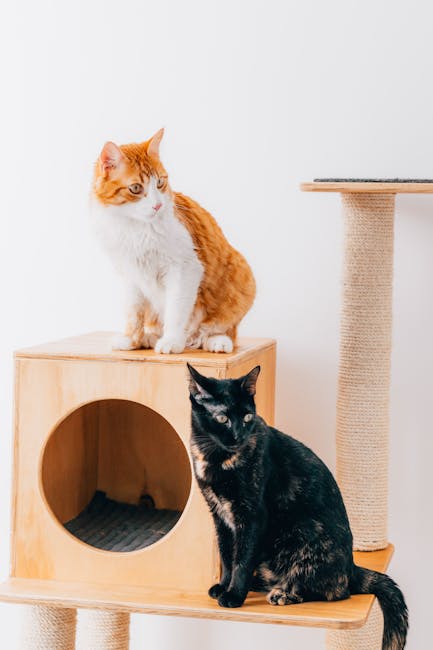
Cat trees give your pet a place to climb and scratch. They offer exercise and a sense of ownership. Ensure the tree is tall enough for stretching. Place it near windows for extra interest.
Use Catnip As A Lure
Sprinkle catnip on the scratching posts and trees. This encourages your cat to use them. Catnip can make these spots more attractive than your furniture. Refresh the catnip regularly for best results.
Create Restful Spaces
Provide cozy spots for your cat to rest. Use soft bedding in quiet corners. This reduces stress and the need to mark territory. Cats love warm, secluded areas for napping.
Interactive Toys And Play
Engage your cat with interactive toys. Playtime helps burn energy and reduces stress. Try different toys to see what they enjoy. Rotate toys to keep their interest high.
Maintain A Routine
Cats thrive on routine. Consistent feeding and playtimes create a sense of security. A secure cat is less likely to scratch furniture out of anxiety.
:strip_icc()/keep-cat-from-scratching-carpet-554831_final-a8dcf3bb9e3b4c269259604c244f42d5.png)
Credit: wb-iisg.com
Evaluating Commercial Products
Scratching is a natural behavior for cats. It helps them keep their claws sharp and mark territory. Yet, scratched furniture can be a big problem for pet owners. Fortunately, various commercial products can help protect your beloved furniture. This section explores these products and how they can assist.
Understanding Scratching Posts And Pads
Scratching posts are tall and sturdy. Cats can stretch and scratch on them. These posts come in different materials like sisal and carpet. Scratching pads lie flat on the ground. They are perfect for cats that prefer horizontal scratching. Both options are great for redirecting scratching habits away from furniture.
Exploring Anti-scratch Sprays
Anti-scratch sprays deter cats from scratching unwanted surfaces. These sprays often have scents that cats dislike. They are safe for most furniture types. Regular application can help keep your furniture scratch-free. Always check product labels for safety information.
Investing In Furniture Protectors
Furniture protectors are covers or shields for sofas and chairs. They are made from durable materials. These protectors can withstand sharp claws. Transparent options keep the look of your furniture intact. Protectors are easy to install and remove.
Discovering Cat Claw Caps
Claw caps are tiny covers for each claw. They are made from soft plastic. These caps prevent damage when cats scratch. They are safe and comfortable for cats. Application requires patience. It’s best done when your cat is calm.
Evaluating Motion-activated Deterrents
Motion-activated deterrents scare cats away from furniture. They use sound or air blasts. These devices are effective for stubborn scratchers. They are usually battery-operated. Placement near problem areas works best.
Frequently Asked Questions
What Can I Spray On My Furniture To Keep Cats From Scratching?
Use a cat-deterrent spray containing natural ingredients like citrus or lavender. These scents repel cats effectively. Test the spray on a small area first to ensure it won’t damage your furniture. Regular application helps maintain effectiveness. Consider pairing sprays with scratching posts to redirect your cat’s behavior.
How Do You Scratch Proof Furniture From Cats?
Cover furniture with protective materials like slipcovers or cat-proof fabric. Place scratching posts nearby. Use deterrent sprays designed for cats. Trim your cat’s claws regularly. Consider using double-sided tape on furniture edges.
At What Age Do Cats Stop Clawing?
Cats typically stop clawing excessively by age one to two. Regular scratching is a natural behavior. Provide scratching posts to manage this.
How To Punish A Cat For Scratching A Couch?
Redirect your cat’s behavior instead of punishment. Provide scratching posts and reward use with treats. Use deterrent sprays on the couch. Cover the area temporarily or use double-sided tape. Consistent redirection ensures better results.
Conclusion
Stopping cats from scratching furniture is possible with patience and care. Use scratch posts to divert their attention. Regularly trim their nails to reduce damage. Cover furniture with protective materials when needed. Positive reinforcement works well. Reward them when they use appropriate scratching spots.
Consistency is key. Make changes gradually to avoid stress. Cats need time to adapt. Always be gentle and understanding. Keep experimenting to find what suits your cat best. With these tips, you can protect your furniture and keep your cat happy.
Enjoy a harmonious home with your feline friend!