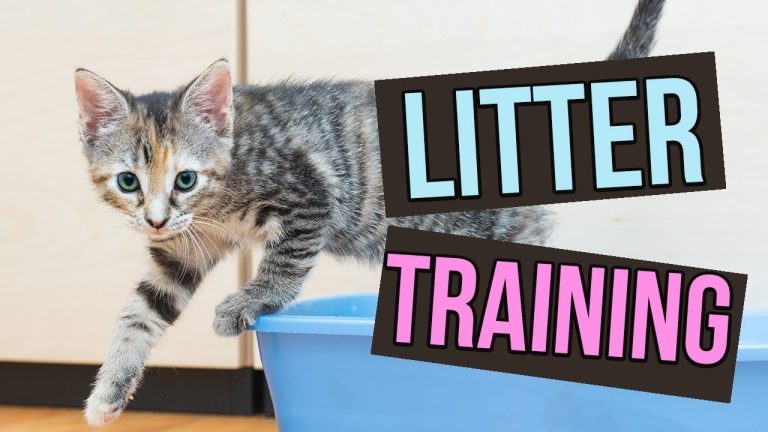
How to Train Cat: Expert Tips for Happy Felines
Are you ready to transform your feline companion into the well-behaved, happy pet of your dreams? Training your cat might sound challenging, but it can be a fun and rewarding experience for both you and your furry friend.
Imagine the joy of seeing your cat respond to your commands, reducing those pesky behavioral issues, and creating a stronger bond between you two. You don’t have to be an animal expert to achieve this. With the right techniques, patience, and consistency, you can master the art of cat training.
Stick around to discover simple yet effective methods that will turn your curious kitty into a well-mannered feline superstar.
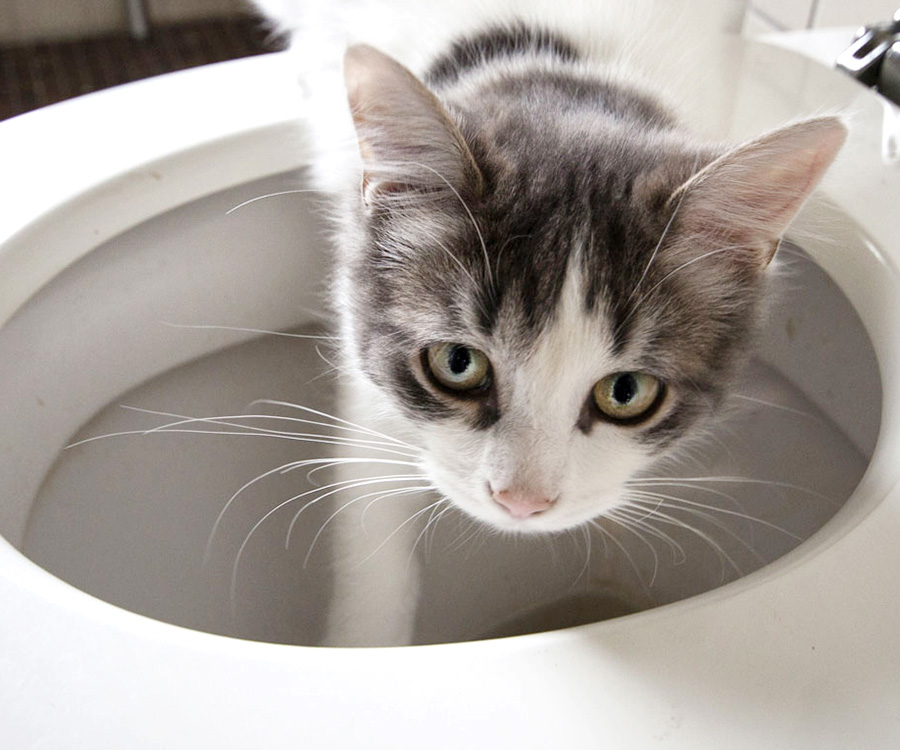
Credit: www.hartz.com
Choosing The Right Training Tools
Training a cat involves selecting the right tools for success. Opt for clickers, treats, and toys to engage your feline friend. Consistent use of these tools helps reinforce positive behavior and strengthens the bond between you and your cat.
Training your cat can be a rewarding experience that strengthens your bond. Selecting the right tools is crucial to success. With the proper equipment, you can create an environment that encourages learning and keeps your furry friend engaged. Let’s delve into the essentials that every cat trainer needs.Essential Items For Training
Having the right gear makes all the difference. A clicker is a handy tool that helps communicate with your cat. This small device emits a sound that marks good behavior, making it easier for your cat to understand what you want. Treats are another must-have. They act as positive reinforcement, motivating your cat to repeat desired actions. Opt for small, tasty treats that your cat loves. This ensures your cat remains focused and eager to learn. A training mat can be useful too. It gives your cat a designated space to practice skills, helping them concentrate. Mats can be moved around, allowing training sessions in various locations.Creating A Safe Environment
Safety is key in any training session. Remove any hazardous items from the area. This prevents accidents and keeps your cat focused on the task. Ensure the training space is quiet and free of distractions. You want your cat’s attention solely on you. A calm environment fosters better learning and reduces stress. Have you ever noticed how your cat reacts to different noises or movements? Tailor the environment to suit their comfort level. If your cat is skittish, a quieter room might be best. This personal insight helps make training more effective. Creating a safe and engaging environment for your cat is a crucial step. What changes can you make to ensure your cat feels secure and ready to learn?
Credit: www.fourpaws.com
Understanding Cat Behavior
Training a cat requires patience and understanding. Recognizing their natural instincts helps guide behavior. Use positive reinforcement to encourage good habits.
Understanding cat behavior is crucial if you want to train your feline friend effectively. Cats are mysterious creatures with unique ways of expressing themselves. By learning to interpret their behavior, you can form a stronger bond with your cat and make training sessions more successful.Reading Body Language
Cats communicate a lot through their body language. Their ears, tail, and posture can tell you volumes about their mood. Notice if your cat’s ears are pointed forward, which indicates curiosity or interest. A slowly swishing tail often means your cat is relaxed. But if it’s twitching quickly, your cat might be annoyed or excited. One personal experience taught me that when my cat’s back arched and fur stood on end, it was best to give him space.Recognizing Common Signals
Understanding common signals can help you respond correctly to your cat’s needs. Purring often means contentment, but it can also be a sign of discomfort. Pay attention to the context. Hissing or growling is a clear sign of displeasure or fear. Recognizing these signals can prevent you from getting scratched or bitten. Have you ever noticed your cat kneading on soft surfaces? This is a sign of comfort and happiness rooted in their kittenhood. Learning these behaviors can transform your relationship with your cat. Do you recognize any of these signals in your own cat? Observing and understanding them can lead to a more harmonious household.Positive Reinforcement Techniques
Training a cat with positive reinforcement involves rewarding desired behaviors. Treats or affection motivate cats to repeat actions. Consistency and patience are key to helping cats learn effectively.
Training your cat can be a delightful experience when you embrace positive reinforcement techniques. These methods focus on rewarding desired behaviors, which encourages your cat to repeat them. Cats, just like us, enjoy feeling appreciated. Positive reinforcement not only strengthens your bond but also creates a stress-free environment for learning.Using Treats Effectively
Treats are a fantastic way to motivate your cat. Keep them small and tasty, so your cat remains interested. You don’t need to spend a fortune on fancy treats. Small bits of cooked chicken or store-bought cat treats will do the trick. Offer the treat immediately after your cat performs the desired behavior. Timing is crucial to connect the reward with the action. Experiment with different treats to find what your cat loves most. You might be surprised by what grabs their attention. Have you ever noticed how a simple change in treat can spark enthusiasm? This could be your secret weapon in training.Praise And Affection
Words matter to your cat, even if they don’t understand them. Use a gentle voice to praise your cat when they do well. Combine verbal praise with physical affection. A gentle stroke or pat can reinforce your approval. Your cat will associate your voice and touch with positive feelings. This creates a happy and trusting atmosphere. Consistency is key. Use the same phrases and actions to avoid confusing your cat. Ever tried telling your cat they’re a “good kitty” during training? Watch their eyes light up. Your approval means the world to them. Have you considered what your affection communicates to your cat? It’s a silent promise of love and companionship. What if your praise could transform your training sessions into moments of joy? Imagine the possibilities. Incorporating these techniques can make training enjoyable for both you and your feline friend. What’s stopping you from trying it today?Basic Commands For Cats
Training your cat can be a rewarding experience. Cats can learn basic commands with patience and consistency. These commands can enhance your cat’s behavior and your bond with them. Let’s explore some foundational commands for cats.
Teaching Sit And Stay
Teaching a cat to sit is simpler than it sounds. Start with a treat in your hand. Hold it above your cat’s head. Move it slowly towards the back. This action encourages them to sit. Once they sit, reward them with the treat. Use a clear command like “sit.” Repetition is key.
For the “stay” command, get your cat to sit first. Once seated, hold your hand up and say “stay.” Take a step back. If they stay, reward them with a treat. Gradually increase the distance. Practice regularly to reinforce the behavior.
Training Come And Go
The “come” command can be useful in many situations. Use your cat’s name followed by the word “come.” Encourage them with a treat or toy. Reward them when they approach you. Consistency helps them understand the command.
Teaching “go” requires patience. Use a gentle tone and point in a direction. Encourage them with a treat or toy. Reward them when they follow the direction. Practice regularly to help them learn effectively.
Addressing Behavioral Issues
Training cats involves patience and understanding. Addressing behavioral issues requires identifying causes and setting clear boundaries. Positive reinforcement encourages good habits, making your cat feel secure and loved.
Addressing behavioral issues in cats can be a challenging yet rewarding journey. Cats, known for their independent nature, sometimes display behaviors that can be perplexing to their owners. These behaviors often arise due to underlying issues like aggression or anxiety. Understanding and addressing these concerns not only improves your cat’s well-being but also strengthens the bond between you and your feline friend. Let’s explore practical ways to handle aggression and reduce anxiety in cats.Handling Aggression
Aggression in cats can stem from various reasons such as fear, territorial disputes, or health issues. Identifying the root cause is the first step towards resolution. Watch for triggers that set off aggressive behavior. If your cat reacts aggressively when approached suddenly, try creating a calm environment. Approach slowly and speak softly. This can help in reducing fear-based aggression. Consider setting up play routines to channel your cat’s energy positively. Interactive toys like feather wands or laser pointers can be great tools. They not only provide exercise but also reduce pent-up frustration. Have you ever noticed your cat lashing out when another pet is around? This could be territorial aggression. Ensuring each pet has its own space can ease tension. Separate feeding areas and resting spots can make a difference.Reducing Anxiety
Cats, much like humans, can experience anxiety. Changes in environment, new pets, or even shifting furniture can unsettle them. Creating a stable routine helps in alleviating their stress. Introduce change gradually. If you’re moving furniture, do it one piece at a time. Allow your cat to explore the new setting at their own pace. Providing safe spaces is crucial. Designate a quiet corner with their favorite blanket or toy where they can retreat. This sanctuary can significantly reduce anxiety levels. Have you tried using calming aids? Products like pheromone diffusers or calming collars are designed to soothe anxious cats. They can be effective, especially during stressful events like thunderstorms or fireworks. Consider your own experiences. If you’ve seen your cat exhibit signs of anxiety, what steps did you take? Reflecting on past successes can guide you in managing future issues. Remember, patience and observation are key when addressing behavioral issues. What small changes have you made today that your cat might appreciate?Socialization Strategies
Training a cat involves more than teaching tricks. Socialization is crucial. It helps your feline friend become well-adjusted. A well-socialized cat is confident and relaxed. This reduces stress and unwanted behaviors.
Introducing New Environments
Cats are naturally curious. New environments can be overwhelming. Start with one room. Let your cat explore at their own pace. Provide hiding spots for comfort. Gradually introduce them to other areas. This approach builds familiarity and reduces anxiety.
Use treats to encourage exploration. Place them in different spots. This turns exploring into a fun game. It also helps your cat associate new places with positive experiences. Avoid forcing them into spaces. Let them decide when they’re ready.
Building Confidence
Confidence in cats grows with positive experiences. Encourage playtime with toys. Wand toys mimic hunting and boost confidence. Play sessions should be short and engaging. This prevents boredom and keeps them interested.
Allow your cat to retreat if they feel overwhelmed. Respect their boundaries. Reward calm behavior with treats or affection. Gradually, their confidence will increase. A confident cat feels safe and secure in their surroundings.
Consistency In Training
Training a cat can be a rewarding experience. Consistency is the key to success. Cats thrive on routine and predictability. This helps them understand what is expected. By being consistent, you can make training less stressful for both you and your cat.
Setting A Routine
Establish a daily training schedule. Choose the same time each day. This creates a sense of normalcy. Your cat will know when to expect training. Start with short sessions. Five to ten minutes is enough. Gradually increase the time as your cat gets comfortable.
Use the same commands and gestures. Consistency helps your cat learn faster. Stick to one command per action. Avoid confusing your cat with multiple commands. Use a calm and clear voice. This helps your cat understand better.
Tracking Progress
Keep a training journal. Record your cat’s achievements and challenges. Note which commands your cat responds to well. Also, note which ones need more practice. This helps you adjust your training methods.
Celebrate small victories. Reward your cat for every success. Use treats or affection as rewards. This reinforces positive behavior. It also motivates your cat to keep learning. Be patient and gentle. Each cat learns at its own pace.
By maintaining consistency, you create a positive training environment. Your cat will feel secure and eager to learn. Remember, patience and persistence are your best tools in training.

Credit: www.kinship.com
Advanced Training Techniques
Training cats can be fun and rewarding. Use simple commands, patience, and treats to teach your cat new tricks. Start with basic exercises and gradually introduce more advanced techniques.
Training your cat can be more than just teaching it where to use the litter box or how to stop scratching furniture. Advanced training techniques can elevate your cat’s skills and create a stronger bond between you and your furry friend. These techniques aren’t just for fun—they stimulate your cat’s mind and improve its behavior. Are you ready to take your cat’s skills to the next level? Let’s explore some advanced methods to enhance your training routine.Clicker Training
Clicker training is a powerful tool for shaping your cat’s behavior. It’s all about associating the click sound with a reward. Start by clicking and immediately giving your cat a treat. Do this consistently until your cat understands that a click means a treat is coming. Use the clicker to encourage positive behaviors. For example, when your cat sits on command, click and reward. With patience, your cat will learn to respond to the clicker even when no treat follows. It’s fascinating how quickly cats can learn through this method. Have you ever wondered why your cat seems more responsive to some sounds than others? Clicker training could be your answer.Teaching Tricks
Teaching your cat tricks is not only fun but also mentally stimulating for them. Begin with simple tricks like ‘high five’ or ‘spin’. Use treats to motivate your cat—hold a treat above its head to encourage a high five. Be consistent with your commands. Cats can learn tricks just like dogs, but they need clear cues. Imagine the surprise on your friends’ faces when your cat performs a trick on command. It’s a great way to showcase your cat’s intelligence and your training skills. Incorporating play into training sessions can make learning tricks even more enjoyable for your cat. Have you considered how play impacts your cat’s learning process? Mixing fun with learning can keep your cat engaged and eager to learn more. — Training your cat using advanced techniques requires patience and consistency. With clicker training and teaching tricks, you’ll not only improve your cat’s behavior but also strengthen your bond. Are you ready to see how much your cat can achieve?Common Training Mistakes
Training a cat can be tricky due to common mistakes like inconsistency and lack of patience. Cats need clear, consistent signals and rewards. Avoid punishing; it confuses them. Focus on positive reinforcement for better results.
Training a cat can be an exciting yet challenging adventure. It’s important to remember that cats are not small dogs and they have their own set of behaviors and learning styles. Missteps in training can lead to frustration for both you and your feline friend. Knowing what not to do is just as crucial as knowing what to do. Let’s look at some common training mistakes and how you can avoid them.Avoiding Punishment
Many people believe that punishing a cat for bad behavior will teach them a lesson. However, this approach can backfire. Cats don’t respond well to punishment; it can lead to fear or aggression, distancing you from your pet. Imagine trying to teach your cat to stop scratching the furniture. If you yell or use physical punishment, your cat might become afraid of you. Instead, redirect their behavior. Provide a scratching post and reward them when they use it. Positive reinforcement will help build a trusting relationship between you and your cat. Have you ever wondered why your cat suddenly runs away from you? Could it be linked to how you respond to their mistakes?Understanding Limits
It’s crucial to understand your cat’s limits. Cats are independent creatures and have unique personalities. Expecting them to behave like a perfectly trained dog is a common mistake. Take my cat, Luna. I spent weeks trying to teach her to sit on command. Despite my efforts, she never quite got it. It wasn’t because she was stubborn; she simply didn’t find it interesting. Instead, I focused on training her to come when called, which she mastered quickly. Recognizing what your cat enjoys can make training more effective. Does your cat love treats or playtime? Use those as rewards to encourage the behaviors you want. Training your cat should be a fun experience for both of you. By avoiding punishment and understanding their limits, you’ll foster a positive and enjoyable learning environment.Maintaining Happy Felines
Maintaining happy felines is crucial for their well-being. Cats thrive in environments that cater to their natural instincts. Providing a stimulating environment and proper nutrition are key elements. These factors contribute to a cat’s happiness and health.
Creating A Stimulating Environment
Cats are curious creatures by nature. They love exploring and discovering new things. To keep them entertained, offer a variety of toys. Choose toys that mimic prey animals like mice or birds. Interactive toys are great for mental stimulation. Scratching posts help maintain their claws and reduce stress. Consider installing climbing shelves. Cats love observing from high vantage points.
Ensuring Proper Nutrition
Proper nutrition plays a vital role in a cat’s happiness. A balanced diet keeps their energy levels high. Choose high-quality cat food with essential nutrients. Ensure the food is suitable for your cat’s age and health. Fresh water should always be available. Treats can be used for training but in moderation. Consult a vet for dietary advice tailored to your cat.
Frequently Asked Questions
Is It Easy To Train A Cat?
Training a cat can be challenging but possible. Cats are independent and require patience and positive reinforcement. Start with simple commands and use treats to motivate them. Consistency and understanding their behavior are key to success. Each cat is unique, so adapt your approach to their personality.
How Do You Teach A Cat No?
Use a firm voice and say “no” when the cat misbehaves. Redirect its attention with toys or treats. Consistency is key. Reward positive behavior to reinforce learning.
What Is The First Thing You Should Train Your Cat To Do?
Train your cat to use the litter box first. It ensures cleanliness and prevents behavioral issues. Positive reinforcement helps. Start training when they’re young for best results. Consistency is key in the training process.
What’s The Proper Way To Discipline A Cat?
Use positive reinforcement like treats or praise to encourage good behavior in cats. Redirect bad behavior using toys. Avoid physical punishment, as it can harm trust. Use gentle corrections, like a stern “no” or a water spray. Consistency is key for effective discipline.
Conclusion
Training your cat takes patience and consistency. Start small and celebrate progress. Always use positive reinforcement like treats or praise. Keep sessions short to maintain interest. Stay calm and understanding when challenges arise. Bond with your cat through play and affection.
This strengthens trust and cooperation. Remember, every cat is unique. Adapt strategies to fit your cat’s personality. Enjoy the journey as you guide your feline friend. With dedication, you’ll build a lasting bond. Your cat will learn and grow with you.
Happy training!