Is Upper Respiratory Infection in Cats Contagious? Unveiling Facts
Imagine your beloved feline sneezing and coughing, looking uncomfortable and distressed. You can’t help but worry, “Is this just a cold or something more serious?”
Upper respiratory infections in cats are a common concern for many pet owners like you. But the burning question remains: are these infections contagious? Understanding the answer is crucial for safeguarding not only your furry friend’s health but also the well-being of any other cats in your household.
Your curiosity and concern are valid, and we’ll delve into everything you need to know about upper respiratory infections in cats. You’ll discover how these infections spread, the symptoms to watch out for, and the steps you can take to protect your pets. With insights that will empower you to make informed decisions, this blog is your guide to ensuring your cat’s health and happiness. Don’t let uncertainty cloud your peace of mind—read on to unveil the essential truths about feline upper respiratory infections.
Credit: wesvet.com
Causes Of Upper Respiratory Infection In Cats
Upper respiratory infections in cats are common. Understanding what causes these infections can help prevent them. Several factors contribute to these infections. Viral and bacterial agents are primary causes. Environmental influences also play a significant role.
Viral Infections
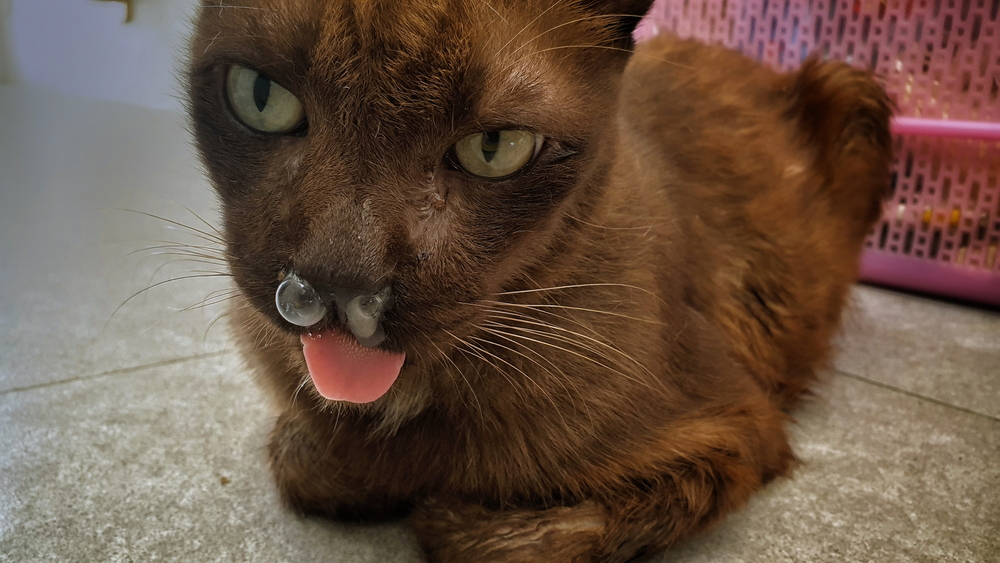
Viruses are the main cause of upper respiratory infections in cats. The feline herpes virus is widespread. It spreads easily among cats. This virus leads to sneezing and nasal discharge. Feline calicivirus is another culprit. It often causes mouth ulcers and fever. These viruses are highly contagious. They can spread through direct contact. Shared food and water bowls also pose a risk.
Bacterial Infections
Bacteria can also lead to respiratory issues. Bordetella bronchiseptica is a common bacterial infection. It causes cough and nasal congestion. Chlamydophila felis affects cats’ eyes and respiratory system. Bacterial infections often follow viral attacks. They worsen the cat’s condition. Antibiotics are usually required for treatment.
Environmental Factors
Environment plays a crucial role in cat health. Crowded living conditions increase infection risks. Poor ventilation allows viruses and bacteria to thrive. Stress weakens the immune system. Cats under stress are more prone to infections. Cleanliness and proper ventilation are essential. Reducing stress helps keep cats healthy.
Symptoms Of Upper Respiratory Infection
Recognizing the symptoms of an upper respiratory infection in cats is essential. These infections are common and can affect your cat’s health significantly. Understanding the signs helps provide timely care and keep your feline friend comfortable.
Common Signs
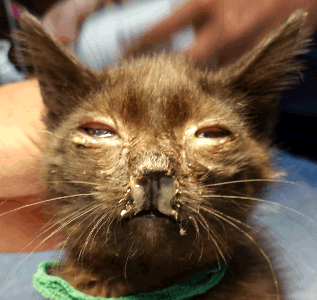
Cats often show sneezing as a primary symptom. Sneezing can appear suddenly and frequently. Nasal discharge is another common sign. It can be clear or colored. Eye discharge is also typical. It may cause your cat’s eyes to appear watery. Coughing is less common but can occur.
Severe Symptoms
Severe symptoms may indicate a more serious condition. Difficulty breathing is one such symptom. Your cat might breathe through their mouth. Loss of appetite can also signal severity. Cats might refuse to eat or drink. Fever is another serious symptom. It can cause lethargy and weakness in cats.
Chronic Conditions
Some cats develop chronic respiratory issues. Chronic conditions may include persistent sneezing. Long-term nasal discharge is also possible. These symptoms might last for weeks or months. Chronic conditions often require veterinary attention. Early intervention can help manage these symptoms effectively.
Transmission Between Cats
Upper respiratory infections in cats are common and can spread easily. Understanding how they transmit between cats is crucial. This helps in preventing the spread and keeping cats healthy. Cats living close to each other are at higher risk. They can catch the infection through direct and indirect methods.
Direct Contact
Direct contact is the most common way infections spread between cats. Cats often groom each other and play together. These activities increase the chance of transmission. A healthy cat can catch the infection from a sick cat. Sneezing and coughing can release droplets. These droplets contain germs that can infect another cat. Sharing food bowls also poses a risk.
Indirect Contact
Indirect contact can also lead to infection spread. Germs can survive on surfaces like bedding and toys. Cats can catch the infection without meeting a sick cat directly. Humans can carry germs on their clothing or hands. When they touch a healthy cat, the germs can transfer. Cleaning shared spaces is important to reduce the risk.
Risk Factors
Several factors increase the risk of infection spread among cats. Cats in shelters or crowded spaces are more vulnerable. Stress weakens the immune system, making cats more prone to infections. Young kittens and older cats have weaker immune defenses. Unvaccinated cats are at a higher risk of catching infections. Regular vet check-ups help identify and manage risk factors.
Credit: www.marvistavet.com
Preventing The Spread
Upper respiratory infections in cats can be contagious. Sneezing and coughing spread germs easily. Keep cats separated to prevent transmission.
When your furry friend comes down with an upper respiratory infection (URI), it’s natural to worry about their health and the risk of it spreading to other pets. While URIs are often contagious among cats, there are effective ways to prevent the spread. Implementing preventive measures can make a significant difference in protecting your other pets and maintaining a healthy home environment.Vaccinations
Vaccinations are a crucial line of defense against URIs in cats. Ensure your cat is up-to-date with their vaccination schedule. Consult with your vet about the specific vaccines that can help reduce the risk of respiratory infections. Vaccinations don’t just protect your cat; they create a safer environment for all your pets. If you’re bringing a new cat into your home, check their vaccination history. This step can prevent introducing potential infections to your existing pets.Hygiene Practices
Good hygiene can go a long way in preventing the spread of URIs. Clean your cat’s bedding, toys, and litter box regularly. Use disinfectants that are safe for pets to minimize the presence of germs. Wash your hands after handling your infected cat. This simple practice reduces the chance of transferring the infection to other animals in your home. Remember, a clean environment is a healthier environment.Isolation Measures
Isolating an infected cat is one of the most effective ways to prevent a URI from spreading. Set up a comfortable space where your sick cat can rest away from other pets. Ensure this area is equipped with food, water, and a litter box. Monitor your cat’s health and limit interactions with other pets until the infection clears up. This not only protects your other animals but also gives your sick cat a better chance to recover without stress. Have you ever had to isolate a pet? It can be challenging, but it’s a compassionate step for the wellbeing of all your pets. By focusing on these preventive strategies, you can take an active role in keeping your cats healthy and happy. What steps will you take today to protect your furry family members from URIs?Treatment Options
Understanding how to treat upper respiratory infections in cats is crucial. This common ailment can disrupt your feline friend’s comfort and health. Exploring effective treatment options can aid in a quicker recovery. Let’s dive into the various ways to treat these infections.
Home Remedies
Some natural remedies can ease symptoms. Keep your cat’s living area warm and humid. A humidifier can help. Offer fresh water and nutritious food to boost immunity. Isolate your infected cat to prevent the spread.
Medications
Medications may be necessary for severe infections. Antibiotics can fight bacterial causes. Antivirals are useful for viral infections. Always consult a vet before starting any medication. Follow their instructions carefully.
Veterinary Care
Professional care is vital for accurate diagnosis. A vet can perform tests to identify the specific cause. They may prescribe medications tailored to your cat’s needs. Regular check-ups ensure your pet is recovering properly.
Impact On Multi-cat Households
Upper respiratory infections in cats can spread easily in homes with many cats. Close contact increases the chance of infection. Monitoring symptoms and seeking veterinary care can help prevent outbreaks.
Upper respiratory infections (URIs) in cats are a common concern, especially in multi-cat households. When one cat catches a cold, the chances of it spreading to others are high. This can be a challenging situation for cat owners who need to manage the health of all their feline companions. Ensuring the well-being of every cat in your household requires understanding the dynamics of infections and implementing effective strategies.Managing Infected Cats
Isolating the infected cat is crucial. Create a comfortable and separate space for them with their own food, water, and litter box. This minimizes the risk of spreading the infection. Monitor their symptoms closely. Keep track of sneezing, coughing, or any discharge from the eyes or nose. Regular check-ins with your vet can provide guidance on managing the illness effectively. Administer any prescribed medication diligently. Completing the course of antibiotics or other treatments is essential to prevent relapses.Protecting Healthy Cats
Boosting the immunity of your healthy cats can be a proactive step. Consider adding supplements to their diet that are known to enhance immune function. Discuss options with your vet for tailored advice. Maintain hygiene by cleaning shared spaces and items. Use disinfectants safe for pets to clean toys, bedding, and feeding areas. Regular vacuuming and washing can also help eliminate potential germs. Limit interactions between healthy and sick cats. Even if they’re used to being around each other, keeping them apart temporarily can prevent further transmission. It’s better to be safe than sorry.Long-term Considerations
Think about vaccination for your cats. Vaccines can significantly reduce the likelihood of future URIs and are a wise investment for multi-cat households. Assess the stress levels in your home. High stress can weaken a cat’s immune system, making them more susceptible to infections. Ensure each cat has their own space to retreat and relax. Evaluate your household’s airflow and ventilation. Proper air circulation can help reduce the concentration of pathogens, making your home a healthier environment for your pets. Have you ever noticed how quickly a simple sneeze can disrupt the harmony of your multi-cat home? By taking these steps, you’re not just managing a current infection; you’re setting the stage for a healthier, happier feline family.When To Consult A Veterinarian
Upper respiratory infections in cats can spread quickly among felines, especially in crowded environments. Consulting a veterinarian is crucial when symptoms like sneezing or coughing appear to prevent the infection from spreading to other pets. Early intervention can help manage symptoms effectively.
When your cat has an upper respiratory infection, knowing when to consult a veterinarian can make all the difference in their recovery. While many cats can fight off these infections on their own, there are times when professional help is necessary. But how do you know when it’s time to reach out to a vet? Let’s explore some key signs and situations that indicate it’s time to seek veterinary advice.Signs Of Complications
If your cat’s symptoms worsen or don’t improve after a few days, it’s time to consult a vet. Look out for signs such as persistent sneezing, severe congestion, or a high fever. If your cat starts showing signs of lethargy, reduced appetite, or dehydration, these could indicate complications that need medical attention. A friend once ignored her cat’s persistent cough, thinking it was a minor cold. Unfortunately, it escalated into pneumonia. Don’t let your beloved pet suffer due to delayed action. If in doubt, it’s always safer to get professional advice.Emergency Situations
Certain situations require immediate veterinary care. If your cat is having difficulty breathing, it’s an emergency. Gasping for air or breathing through an open mouth are critical signs. Also, watch for blue or pale gums, which indicate oxygen deprivation. These symptoms can escalate quickly, so swift action is crucial. Remember, your cat relies on you to recognize when things aren’t right.Regular Check-ups
Even if your cat appears to recover, regular check-ups are essential to ensure full recovery. Follow-up visits can help catch any lingering issues before they become serious. Regular vet visits also provide an opportunity to discuss preventive measures. Vaccinations, for instance, can help protect your cat from future infections. Are you keeping up with your cat’s routine health checks? By staying informed and vigilant, you can ensure your furry friend receives the care they deserve. Always trust your instincts—if something feels off, don’t hesitate to reach out to a vet. Your cat’s health and happiness depend on it.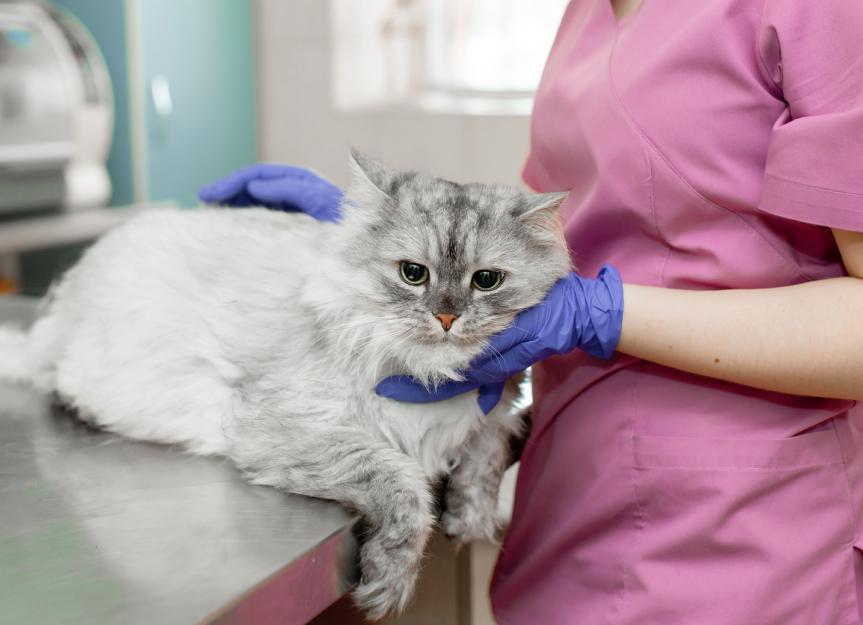
Credit: www.petmd.com
Frequently Asked Questions
Can A Cat Give Another Cat An Upper Respiratory Infection?
Yes, cats can transmit upper respiratory infections to other cats. These infections spread through direct contact, sneezing, or shared items like food bowls. It’s important to isolate infected cats to prevent further spread. Regular vet check-ups can help manage and treat these infections effectively.
What Is The Fastest Way To Get Rid Of An Upper Respiratory Infection In Cats?
Consult a veterinarian promptly for effective treatment. Administer prescribed antibiotics and supportive care. Ensure hydration and a stress-free environment for recovery.
Can Humans Contract Upper Respiratory Infections From Cats?
Humans can rarely contract upper respiratory infections from cats. Most infections are species-specific. Practice good hygiene around pets to reduce risk.
Can Cats Spread Upper Respiratory Infections To Humans?
No, cats cannot spread upper respiratory infections to humans. These infections are species-specific. They primarily affect cats and do not pose a risk to humans. However, it’s essential to maintain good hygiene when handling infected cats to prevent the spread of other germs or bacteria.
Conclusion
Upper respiratory infections in cats can spread easily. Close contact is the main risk. Keep infected cats away from others. This prevents the virus from spreading. Early treatment helps recovery and reduces contagion. Visit the vet for advice and care.
Regular cleaning and good hygiene protect all cats. Watch for symptoms like sneezing or coughing. Quick action keeps your feline family safe. Understanding these infections keeps cats healthy. Protect your furry friends with knowledge and care. Stay informed and proactive for their wellness.
Your attention makes a big difference. Happy, healthy cats are the goal.