What Do Veterinarians Use to Euthanize Cats: Explained
Facing the loss of a beloved feline friend is undeniably heartbreaking. When your cat is suffering and there are no more options for recovery, euthanasia becomes a compassionate choice.
As you navigate this difficult decision, understanding the process can ease your mind. Have you ever wondered what veterinarians use to euthanize cats and why these methods are chosen? By grasping the details, you empower yourself with knowledge that may bring comfort during this tough time.
We’ll explore what substances are used and why they are considered humane. Knowing this might help you feel more assured about the care your pet receives. Stick with us as we delve into the specifics, offering clarity and peace to your heart.
Reasons For Euthanizing Cats
Veterinarians use specific drugs to euthanize cats humanely. These substances help ensure a painless, peaceful end. The process is essential for cats suffering from severe illness or injury.
Euthanizing a beloved cat is a tough decision. It’s often a choice made with love and compassion. Understanding the reasons can help in this emotional process. Here are some common reasons why cat owners make this decision.Health Issues
Cats can suffer from severe health problems. These include cancer, kidney failure, and heart disease. Chronic pain and untreatable conditions also affect them. When treatments no longer help, euthanasia is considered. It prevents prolonged suffering for the cat. Veterinary guidance is crucial in these situations.Quality Of Life
Quality of life is a key concern for pet owners. A cat’s life may become painful or uncomfortable. Loss of appetite, mobility issues, and constant distress are signs. Owners may notice their cat is no longer enjoying life. Euthanasia might be the humane option at this stage. It offers a peaceful end to the cat’s discomfort.Behavioral Problems
Severe behavioral issues can impact a cat’s life. Aggression or dangerous behaviors may arise. These problems might not respond to training or treatment. They can also pose risks to other pets or family members. In such cases, euthanasia can be considered. It is a last resort when all other options have failed.
Credit: pawsandmorevet.com.au
Veterinary Protocols
Veterinarians typically use a solution called pentobarbital to euthanize cats. This drug is administered through an injection. It works quickly and peacefully, ensuring a painless process for the cat.
Euthanizing a beloved pet is a heart-wrenching decision that no cat owner wants to face. Yet, understanding the veterinary protocols can provide clarity and comfort during such a difficult time. Veterinarians follow a compassionate and systematic approach to ensure that the process is as peaceful and humane as possible for your feline friend. This involves several steps, from initial assessment to securing owner consent.Initial Assessment
Upon entering a veterinary clinic, the first step is the initial assessment of your cat’s health condition. This is where the vet evaluates your pet’s medical records and current state. They may ask you questions about your cat’s behavior and any recent changes you’ve observed. You might be surprised to know how crucial your observations are in shaping the vet’s understanding.Decision-making Process
Once the assessment is complete, the vet embarks on the decision-making process. This involves considering the quality of life your cat is experiencing. Vets weigh factors such as pain levels, mobility, and overall happiness. Have you ever wondered what goes through a vet’s mind during this phase? Their goal is to ensure your pet’s dignity and comfort.Owner Consent
The final step requires your explicit consent. It’s a conversation where vets explain the procedure, addressing any concerns you might have. They may share personal stories of other pet owners who faced similar decisions, illustrating the emotional journey. What questions would you ask to feel more at ease about giving consent? Your queries can empower you to make the best choice for your cat. Understanding these protocols can ease some of the anxiety during such a poignant moment. As challenging as it may be, knowing what to expect can offer solace and reassurance.Common Methods Used
Veterinarians often use an overdose of anesthetics to gently euthanize cats. These drugs ensure a peaceful and painless passing. The process is designed to minimize distress for both the cat and the owner.
When facing the heartbreaking decision to euthanize a beloved cat, understanding the methods veterinarians use can bring a sense of clarity. It’s a difficult topic, but knowing what to expect can help you navigate this emotional journey with a bit more ease. This section will break down the common methods used, focusing on how professionals ensure a peaceful passing for your furry friend.Injectable Solutions
Injectable solutions are the most common method veterinarians use to euthanize cats. They provide a quick and humane way to ease your pet into a peaceful rest. Typically, a solution called pentobarbital is used. It acts rapidly, usually within seconds, ensuring minimal distress for your cat. The vet administers the injection, usually in a vein, allowing the solution to circulate swiftly through the bloodstream. This method is often preferred for its reliability and the calm state it induces. Have you ever wondered why this solution is the go-to choice? It’s due to its effectiveness in ensuring a smooth and serene transition, minimizing any potential discomfort. Gas anesthesia is another method used, particularly in situations where injectable solutions might not be immediately feasible. This involves using anesthetic gases to induce a state of unconsciousness before administering an injectable solution. While less common, it serves a critical role in specific cases, such as when a cat’s veins are challenging to access. This approach ensures the cat is relaxed and unaware, reducing stress. It’s interesting to note that gas anesthesia is often used in surgical procedures, showcasing its versatility in veterinary care. Have you ever thought about how this method might be beneficial in a multi-pet household? It can be less alarming for other pets present, as the initial calming effect is achieved without distressing reactions. Understanding these methods can be comforting, helping you make informed decisions and preparing you for the process. It’s all about ensuring that your beloved companion experiences a gentle and dignified farewell.Injectable Solutions Explained
Euthanizing a beloved pet is a difficult decision for any owner. Veterinarians ensure this process is peaceful and painless for the animal. Injectable solutions are commonly used to achieve this. These solutions work quickly to minimize any distress or discomfort. Understanding how these solutions work can bring comfort during this challenging time.
Sodium Pentobarbital
Sodium Pentobarbital is widely used in veterinary euthanasia. It is a barbiturate that acts rapidly. Administered intravenously, it induces deep sedation. It ensures a peaceful and humane transition. The solution is prepared carefully to avoid any complications.
Mechanism Of Action
Sodium Pentobarbital depresses the central nervous system. It slows down brain activity, causing unconsciousness. As the dose increases, it halts respiratory functions. The heart gradually stops, ensuring a serene passing. Its effectiveness is due to predictable pharmacological effects. Veterinarians rely on its reliability and speed for humane euthanasia.
Gas Anesthesia
Veterinarians often use gas anesthesia to gently put cats to sleep. This method ensures a peaceful and painless process.
Gas anesthesia is an approach veterinarians sometimes consider when euthanizing cats. This method involves using gas to render the animal unconscious before administering the final euthanasia solution. It’s a delicate process that requires expertise and care, ensuring the cat transitions peacefully.Usage In Euthanasia
Gas anesthesia is primarily used to make the process less stressful for cats. It helps calm them, reducing anxiety and fear during their final moments. Veterinarians often use this technique for cats that are particularly nervous or uncooperative. The process is straightforward: the cat inhales the anesthetic gas, which induces sleep before the euthanasia solution is given. This approach may also be chosen for its precision, allowing the veterinarian to control the dosage and timing with accuracy.Pros And Cons
Using gas anesthesia in euthanasia has its advantages. It can be less traumatic for both the cat and the owner, offering a serene environment during the procedure. It can also be beneficial in managing cats with difficult health conditions, where traditional methods might be challenging. However, there are downsides to consider. Gas anesthesia can be costly, and not all veterinary clinics may have the necessary equipment. The process can also take longer compared to other methods, potentially extending the emotional toll on the owner. Additionally, some cats may react unpredictably to the gas, requiring careful monitoring. Have you ever wondered how a veterinarian decides which method to use? It’s a decision that balances the cat’s needs and the owner’s preferences. Understanding these nuances can help you make informed choices for your pet when the time comes. Each step in this process is crucial, and veterinarians aim to handle it with compassion and precision. It’s about ensuring your beloved feline friend experiences peace and dignity at the end of their journey.Emotional Support For Pet Owners
Veterinarians provide comfort to grieving pet owners. They use a gentle injection to euthanize cats. This method ensures a peaceful passing for beloved pets.
Losing a pet is one of the most challenging experiences a pet owner can face. The decision to euthanize a beloved cat is never easy, and the emotional toll can be overwhelming. It’s important to have support during this difficult time. Emotional support for pet owners can come in various forms, providing comfort and understanding when needed most.Counseling Services
Professional counseling services offer a safe space to express your grief and emotions. These services can help you process the loss and navigate the complex feelings that arise. Many veterinarians can recommend therapists who specialize in pet loss, ensuring you receive the right support. Talking to someone who understands the depth of your bond with your cat can be incredibly healing. Some people find group therapy sessions helpful, where they connect with others who have experienced similar losses. It’s a reminder that you’re not alone in your grief.Memorial Options
Creating a memorial for your cat can be a meaningful way to honor their memory. Options range from planting a tree in your garden to having a custom piece of jewelry made. Each memorial can serve as a personal tribute to the joy your pet brought into your life. Consider writing a letter to your cat, expressing your love and the memories you cherish. Displaying photos or creating a scrapbook can also keep their memory alive. What kind of memorial would best capture the spirit of your cat? Remember, there is no right or wrong way to grieve. Finding the support and memorial options that resonate with you can make the healing process more bearable. You deserve to take the time you need to heal and remember the happy moments spent with your furry friend.Ethical Considerations
Veterinarians prioritize ethical considerations during cat euthanasia by using humane methods. Drugs like pentobarbital ensure a peaceful and painless experience. Respect and compassion guide every step of the process, reflecting a commitment to animal welfare.
When it comes to the heart-wrenching decision of euthanizing a beloved pet, the ethical considerations are paramount. The process involves balancing the alleviation of suffering with the emotional weight of saying goodbye. Understanding the ethical landscape helps you make informed decisions that honor your pet’s dignity and well-being.Animal Rights
Animal rights play a crucial role in the ethical debate surrounding euthanasia. Many believe that animals have the right to live without unnecessary suffering. Euthanasia is often viewed as a humane option when a cat is experiencing untreatable pain or illness. Consider the quality of life your cat is experiencing. Is the pain manageable, or is it an ongoing struggle? Your decision should reflect compassion and respect for your cat’s right to a life free from suffering.Veterinarian’s Role
Veterinarians serve as both guides and executors in the euthanasia process. Their role is not only to administer medication but also to provide support and clarity. They offer professional insights into whether euthanasia is the most humane option for your pet. A good veterinarian will discuss all possible outcomes with you. They will explain the procedure and what you can expect. This transparency helps you make a decision with confidence and peace of mind. Ethical considerations are not just about making a choice; they’re about ensuring that choice is informed and compassionate. How do you balance the emotional and ethical aspects of this difficult decision? Understanding your pet’s rights and the veterinarian’s role can guide you through this challenging time.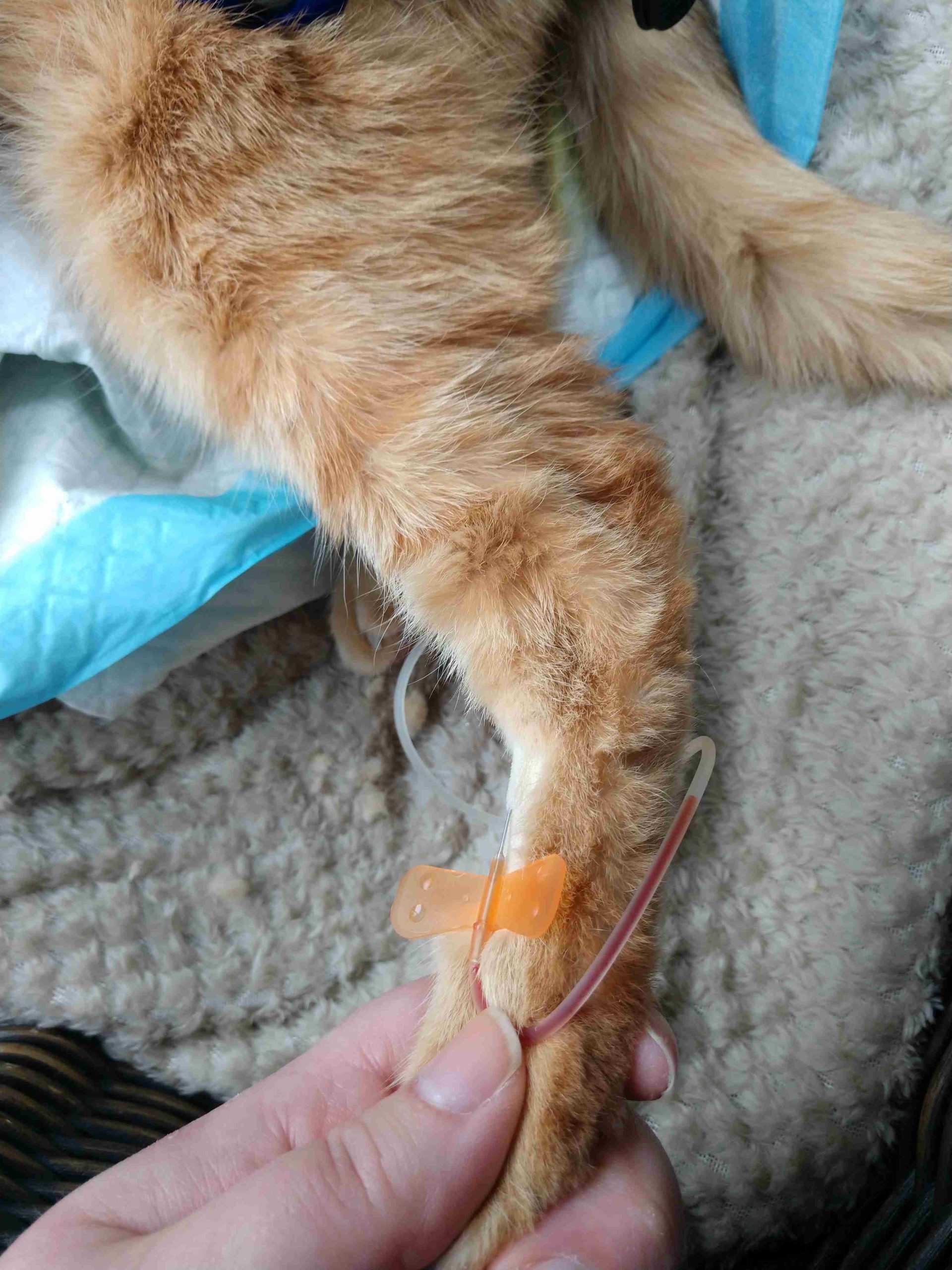
Credit: catvets.com
Alternatives To Euthanasia
Veterinarians use pentobarbital, a common euthanasia drug for cats. It ensures a peaceful and painless experience. Alternatives to euthanasia include hospice care, pain management, and holistic therapies for terminally ill pets.
When faced with the heartbreaking decision of euthanizing a beloved cat, many pet owners wonder if there are alternatives that can provide a more comforting end-of-life experience. While euthanasia is often considered the most humane option for pets in severe pain or suffering, there are other paths that you might explore to ensure your feline friend enjoys their final days with dignity and comfort. These alternatives focus on enhancing the quality of life, rather than hastening its end.Palliative Care
Palliative care is all about making your cat’s remaining time as comfortable as possible. It’s not just about managing pain, but also providing emotional support and a loving environment. This approach can include administering medications to alleviate symptoms and adjusting your cat’s diet to accommodate their changing needs. Think about your cat’s favorite activities and try to incorporate them into their daily routine. Maybe they enjoy sitting by a sunny window or snuggling on the couch. By keeping them engaged in activities they love, you can enhance their quality of life significantly. Have you considered how small changes in your home could make a big difference? Adding soft bedding or easy access to their favorite spots could improve their comfort immensely.Hospice Services
Hospice services are tailored to cats with terminal illnesses, providing care that focuses on comfort and dignity. This option often includes regular check-ins with a veterinarian who specializes in end-of-life care, ensuring your cat receives personalized treatment that respects their unique needs. Consider the emotional support that hospice services can offer to both your cat and your family. Many hospice providers have resources to help you cope with the emotional toll of caring for a terminally ill pet. What would it mean to you to have professional guidance during this challenging time? Knowing that experts are there to assist can relieve some of the burden and allow you to focus on the time you have left with your pet. Exploring these alternatives to euthanasia opens up avenues for providing your cat with a compassionate and loving end-of-life experience. As you consider these options, reflect on what would bring the most peace to both you and your feline companion during their final chapter.Final Thoughts
Veterinarians choose specific drugs to euthanize cats, ensuring a peaceful process. These medications help the cat pass away gently. It’s important to consult a vet for details and support during this emotional time.
Saying goodbye to a beloved pet is never easy. It’s a heart-wrenching decision that many pet owners face at some point. Understanding the euthanasia process can provide some comfort and clarity during this emotional time. Veterinarians play a crucial role in ensuring that this final journey is as peaceful and compassionate as possible. But what does this look like in practice? Let’s explore the importance of compassion and support networks in this delicate process.Importance Of Compassion
Compassion is at the heart of every veterinarian’s approach to euthanasia. When your cat is suffering, it’s essential that their final moments are gentle and serene. Veterinarians use medications designed to minimize distress and pain, focusing on your cat’s comfort. This compassionate approach helps ensure that their transition is peaceful. By prioritizing compassion, veterinarians also support you, the pet owner. They understand the emotional toll and strive to provide a comforting environment.Support Networks
During this difficult time, having a support network can be invaluable. It’s not just about saying goodbye to your cat; it’s about processing your grief. Reach out to friends and family who understand your bond with your pet. Sharing stories and memories can be therapeutic. Many veterinarians offer resources for grief counseling and support groups. These networks can help you navigate the emotional aftermath. Consider connecting with online communities that focus on pet loss. They offer a space where you can express feelings and receive empathy from those who have been through similar experiences. Thoughtful question: How can your support network help you find peace in remembering the joyful moments with your beloved cat?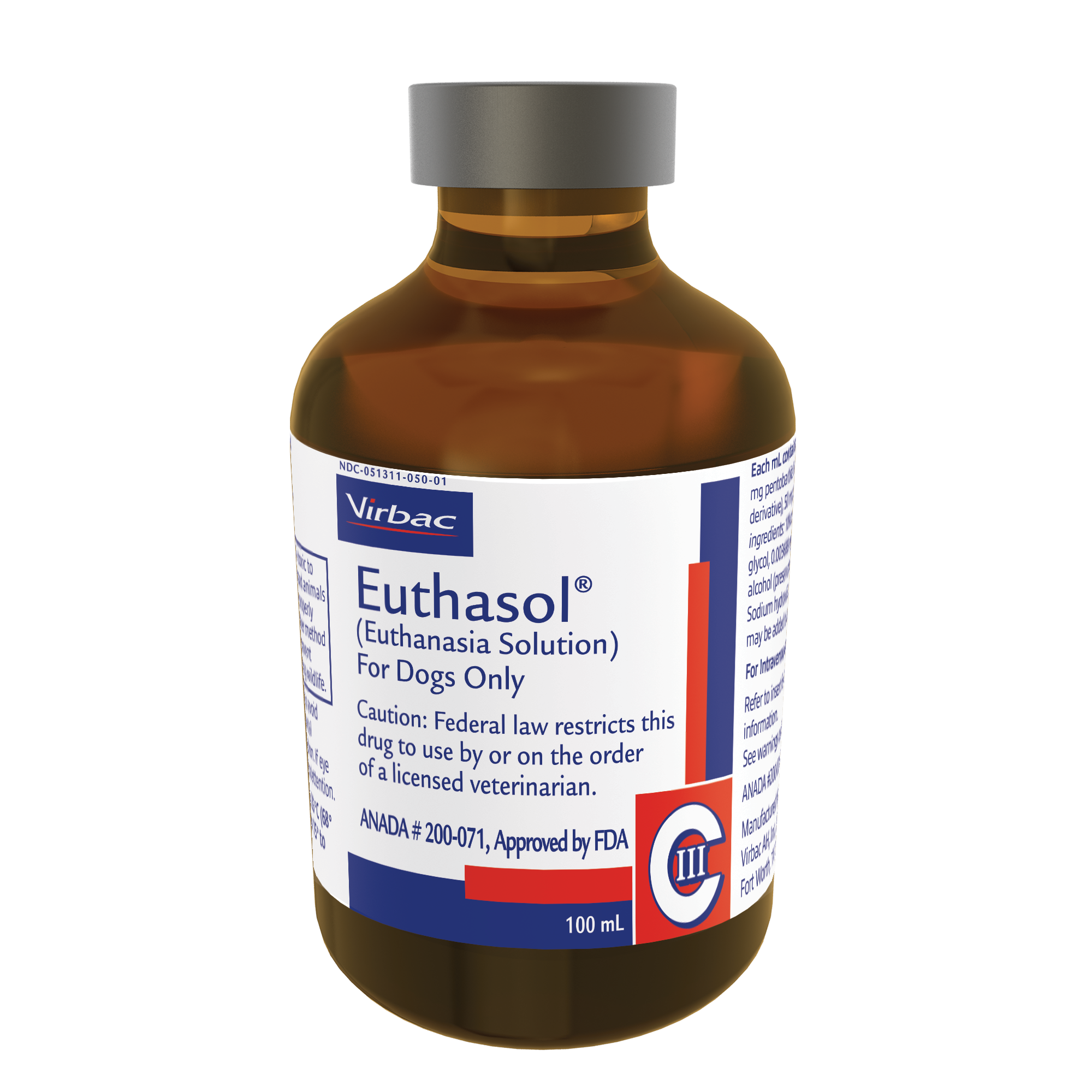
Credit: vet-us.virbac.com
Frequently Asked Questions
What Drug Do Vets Use To Put A Cat To Sleep?
Veterinarians often use pentobarbital to euthanize cats. It’s a barbiturate that induces a peaceful, pain-free death. Administered intravenously, it quickly leads to unconsciousness and respiratory arrest. Always consult with a vet for compassionate guidance during this difficult decision.
How Painful Is Euthanasia For Cats?
Euthanasia for cats is generally painless. Vets administer a sedative, followed by an overdose of anesthetic. Cats peacefully drift into unconsciousness, then pass away. It’s a compassionate choice to prevent suffering. Always consult your vet for personalized advice.
What Do Vets Give Cats For Euthanasia?
Vets administer a barbiturate overdose, typically sodium pentobarbital, to humanely euthanize cats. This injection induces deep sleep, followed by painless death. The process is compassionate and quick, ensuring minimal distress for the cat. Always consult with a vet for guidance during this difficult time.
Can A Vet Euthanize A Cat At Home?
A vet can euthanize a cat at home. Many vets offer this service for a peaceful environment. It allows pets to be surrounded by familiar comforts. Always consult with your veterinarian to discuss options and ensure a respectful process.
Conclusion
Choosing to euthanize a beloved cat is a tough decision. Understanding the process can bring some comfort. Veterinarians use humane methods to ensure no pain. Euthanasia drugs act quickly and peacefully. This helps the cat pass gently. Trust your vet to guide you through this.
They provide support and care for your pet’s last moments. Remember, the decision stems from love and compassion. It’s about ending suffering and providing peace. Always talk openly with your vet about any concerns. They are there to help, every step of the way.