How Often Do Cats Need to Go to the Vet: Essential Guide
Imagine the peace of mind that comes with knowing your beloved cat is as healthy as can be. You want the best for your furry friend, and that includes regular check-ups at the vet.
But how often do cats need to visit the vet to ensure they stay in tip-top shape? If you’ve ever found yourself wondering about the right schedule for your cat’s vet visits, you’re not alone. Many cat owners share the same concern.
By understanding the right frequency, you can prevent potential health issues and ensure your cat lives a long, happy life. Dive into this article to uncover the crucial details that can help you make the best decisions for your feline companion. Your cat’s health is in your hands, and it starts with knowing how often they need to see their vet.

Credit: www.pumpkin.care
Routine Vet Visits
Cats are independent creatures. Yet, they require regular vet visits for health. Routine vet visits ensure your feline friend stays in top shape. Regular check-ups can catch potential issues early. This helps prevent serious health problems down the road.
Annual Check-ups
Annual vet visits are crucial for cats of all ages. During these visits, vets perform a thorough physical examination. They check weight, dental health, and more. Vaccinations are updated during annual visits too. This protects your cat from common diseases. Blood tests may also be conducted to assess internal health.
Bi-annual Visits For Seniors
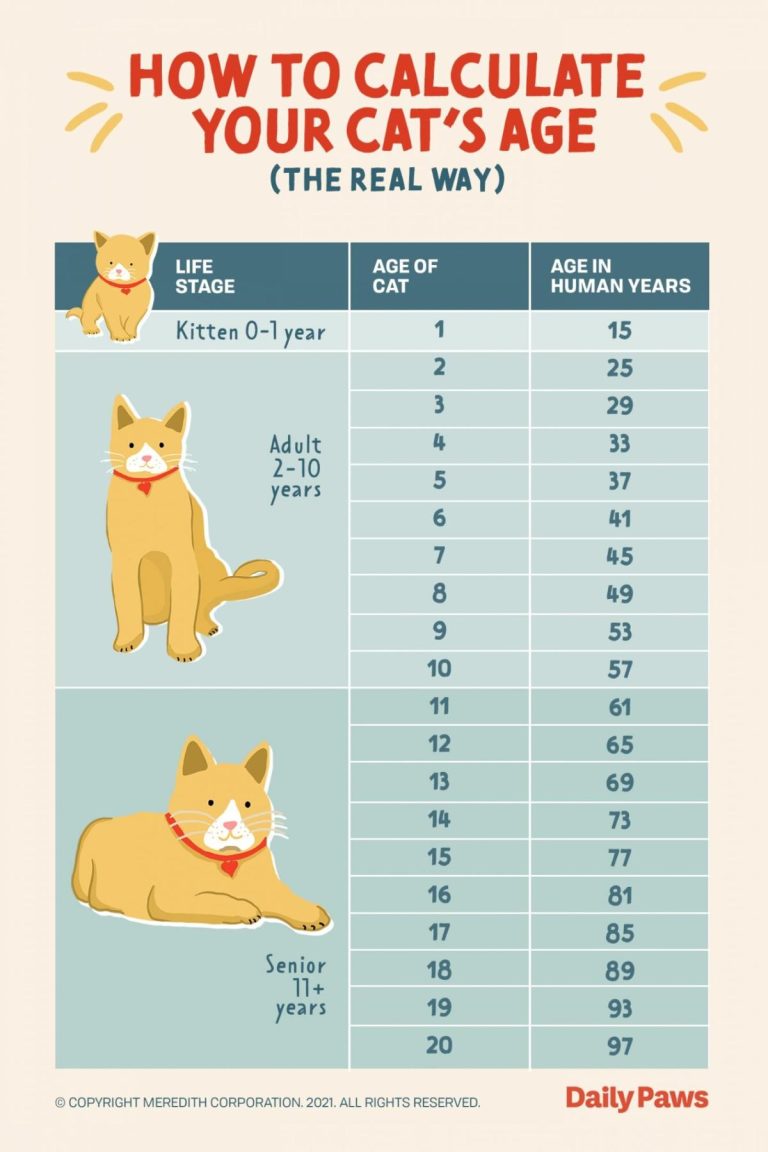
Senior cats need more frequent vet visits. Bi-annual vet visits are recommended for cats over seven years. Older cats face higher risks of chronic illnesses. Regular checks can detect arthritis, diabetes, or kidney issues early. These visits help manage aging-related health concerns effectively. Your vet may suggest dietary changes or medications during these appointments.

Credit: www.usatoday.com
Vaccination Schedule
Keeping your cat healthy involves more than just feeding them well and providing cozy sleeping spots. An essential part of their care is adhering to a proper vaccination schedule. Vaccinations protect your feline friend from serious diseases and help them live a long, healthy life. But how often do these vaccinations need to happen, and what types are necessary? Let’s break it down.
Core Vaccines
Core vaccines are vital for all cats, regardless of their lifestyle or environment. These include shots for feline distemper, feline herpes virus, calicivirus, and rabies. Your vet will usually start these core vaccines when your kitten is around six to eight weeks old.
They’ll need boosters every three to four weeks until they’re about sixteen weeks old. After that, adult cats typically require these vaccines every one to three years. Ask your vet about the best schedule for your cat based on their health and age.
Have you ever noticed your cat getting a little grumpy after a vet visit? That’s completely normal! It’s their way of processing the experience. Despite the grumpiness, regular vaccinations mean fewer visits for illness later.
Non-core Vaccines
Non-core vaccines depend more on your cat’s lifestyle. If your cat goes outdoors or has exposure to other cats, they might need additional shots. These vaccines can include feline leukemia and Bordetella.
Your vet may suggest these based on risks specific to your cat. For instance, if your cat spends time in a boarding facility, a Bordetella vaccine might be recommended. Consider the places your cat visits and discuss them with your vet to determine if non-core vaccines are necessary.
Have you ever thought about the places your cat roams? Their outdoor adventures might seem harmless, but they could expose them to threats. Non-core vaccines can act as a shield against unexpected diseases.
As a cat owner, understanding the vaccination schedule is crucial. Are you aware of your cat’s current vaccination status? Keeping up with their vaccines not only safeguards their health but also saves you from costly treatments later. Consult your vet regularly to ensure your feline friend stays protected.
Dental Health Checks
Dental health checks are essential for cats. Poor dental care can lead to serious health problems. Regular vet visits help prevent these issues. Dental checks include examining the teeth and gums. Vets look for signs of disease or decay. Keeping your cat’s teeth healthy can improve their overall well-being.
Signs Of Dental Issues
Bad breath is a common sign. Drooling more than usual can indicate a problem. Difficulty eating or chewing might be a concern. Red or swollen gums could mean infection. If your cat paws at their mouth, they might be in pain. Discolored teeth are another warning sign. Regular checks can catch these issues early.
Preventive Dental Care
Brush your cat’s teeth regularly. Use a toothbrush and toothpaste made for cats. Regular brushing can reduce plaque and tartar buildup. Provide dental treats designed to clean teeth. These treats can help remove food particles. A balanced diet also supports dental health. Ensure your cat has plenty of water. Hydration aids in maintaining healthy gums. Vet-recommended dental cleanings are beneficial. These cleanings can prevent serious dental problems.
Parasite Prevention
Parasite prevention is a crucial aspect of maintaining your cat’s health. These tiny invaders can cause discomfort, illness, and even transmit diseases. Regular vet visits and preventive measures can help keep your feline friend safe from parasites. But how often should you focus on this aspect of your cat’s health?
Flea And Tick Treatments
Fleas and ticks can quickly become a nightmare for both you and your cat. These parasites thrive in warm environments and can easily find their way into your home. You should consider monthly treatments, especially if your cat spends time outdoors. Products like topical applications, collars, or oral medications can help keep these pests at bay.
I remember when my own cat suddenly started scratching incessantly. A quick trip to the vet confirmed a flea infestation. It was a wake-up call that prevention is better than cure. Regular treatments are not just an option; they’re a necessity.
Worming Protocols
Worms are another common parasite that can affect cats. Roundworms, tapeworms, and hookworms are frequent culprits that can wreak havoc on your cat’s digestive system. Most vets recommend worming treatments every three months to keep these parasites in check.
Have you ever noticed your cat losing weight despite a healthy diet? Worms might be the unseen enemy. Regular worming can prevent these silent invaders from compromising your cat’s health. It’s not just about treating; it’s about protecting.
Keeping up with parasite prevention might seem like a chore, but it’s a small effort compared to the big benefits for your cat’s well-being. Do you want your cat to live a long, healthy life? It starts with regular vet visits and preventive care. How committed are you to your cat’s health journey? The answer could make all the difference.
Signs Of Illness
Cats are known for their independent nature, but they can still fall ill. Recognizing the signs of illness in your feline friend is crucial. Early detection can prevent more serious health issues. Understanding what to watch for is essential for every cat owner.
Behavioral Changes
Behavioral changes in cats can indicate health problems. Is your cat hiding more often? Are they less interested in play or food? These shifts in behavior might signal distress. Monitor changes in their daily routine. Cats often mask their pain. So, subtle changes can be significant.
Watch for aggression or unusual vocalizations. Increased meowing or growling might indicate discomfort. Pay attention to their litter box habits. Avoidance or excessive use can suggest underlying issues. Behavioral changes are often the first clues to illness.
Physical Symptoms
Physical symptoms are easier to spot. Notice any changes in your cat’s appearance? Weight loss or gain can be a warning sign. Is your cat’s coat looking dull or matted? Healthy cats usually have shiny, smooth fur.
Look for changes in appetite or thirst. Increased drinking might signal kidney issues. Reduced eating can indicate dental pain or illness. Check for vomiting or diarrhea. These symptoms should not be ignored. Observe your cat’s breathing. Rapid or labored breathing requires immediate attention.
Swelling or lumps can be concerning. Inspect your cat’s body regularly. Any unusual growths should be examined by a vet. Physical symptoms provide valuable insights into your cat’s health.
Emergency Vet Visits
Cats often require vet visits to maintain their health, generally once a year for check-ups. Emergency vet visits might be necessary if your cat shows sudden illness or injury, ensuring timely care and treatment. Regular monitoring of your cat’s behavior can help in identifying when an urgent vet visit is needed.
Cats are curious creatures. They often hide when feeling unwell. Emergency vet visits can save your cat’s life. Quick action is crucial. Recognizing the signs of an emergency helps. Knowing what to do in urgent situations is vital.Recognizing Urgent Situations
Cats can’t tell us when they’re in pain. You must watch for signs. Is your cat having trouble breathing? That’s an emergency. Is there blood in the urine? That’s serious. Sudden weight loss or seizures? Seek help fast. Trust your instincts. If your cat seems off, consult a vet.Preparing For Emergencies
Emergencies can be stressful. Be ready with a plan. Have your vet’s number handy. Keep a cat carrier accessible. Know the route to the nearest emergency clinic. Prepare a list of your cat’s medications. This helps the vet provide care quickly. Familiarize yourself with basic cat first aid. It can make a difference in critical moments.Choosing The Right Vet
Cats need regular vet visits for their health. Adult cats should see a vet once a year for check-ups. Kittens and older cats may need more frequent visits to ensure they stay healthy and happy.
Choosing the right vet for your cat is more than just a quick search online. It’s about finding a trusted partner in your pet’s health journey. Your cat deserves a vet who is knowledgeable, caring, and accessible.Qualifications To Consider
When selecting a vet, look into their qualifications. Ensure they are licensed and have relevant certifications. A vet with special training in feline medicine can be a great asset. Ask about their experience with cats. A vet who regularly treats cats will be more familiar with their unique needs. It’s important to feel confident in their expertise. Location matters too. A nearby vet can be crucial in emergencies. Also, consider their hours of operation to ensure they fit your schedule.Building A Relationship
A good vet is one you can trust and communicate with easily. Visit the clinic to see how the staff interacts with animals. Friendly and compassionate staff can make a big difference. Consider scheduling a meet-and-greet with the vet. This can help you gauge their approach and bedside manner. It’s vital to feel comfortable asking questions about your cat’s health. Think about the long-term. You want a vet who will be there for every stage of your cat’s life. Building a relationship now can ensure your cat receives consistent and personalized care. By carefully choosing the right vet, you’re investing in your cat’s well-being. What qualities do you find most important in a vet? Share your thoughts in the comments below!
Credit: www.greensboroncvet.com
Frequently Asked Questions
How Often Should Indoor Cats Go To The Vet?
Indoor cats should visit the vet at least once a year. Regular check-ups ensure they remain healthy. Vaccinations, dental checks, and weight monitoring are essential. Older cats or those with health issues may need more frequent visits. Routine vet visits help catch potential health problems early.
Is It Okay If I Never Take My Cat To The Vet?
Regular vet visits are essential for your cat’s health. Vets detect early signs of illness and provide vaccinations. Skipping appointments risks undiagnosed issues, affecting your cat’s well-being. Prioritize your pet’s health by scheduling routine check-ups for a happier, longer life.
Is It Necessary To Take A Cat To Vet Every Year?
Yes, taking your cat to the vet annually is essential. Regular check-ups help detect health issues early. They ensure vaccinations are up to date, maintaining overall well-being. Annual visits also allow vets to provide tailored advice based on your cat’s age, lifestyle, and health needs.
Prioritize your cat’s health with yearly vet visits.
How Much Should A Cat Checkup Cost?
A cat checkup typically costs between $50 to $100. Prices vary based on location and services included. Regular checkups are important for your cat’s health. Always consult your veterinarian for a precise estimate. Consider vaccinations and additional tests, which may increase the overall cost of the visit.
Conclusion
Regular vet visits are important for your cat’s health. They help catch issues early. Yearly check-ups are ideal for adult cats. Kittens and seniors may need more frequent visits. Always consult your vet for the best advice. Each cat is unique.
Their needs can vary. Regular care keeps them happy and healthy. Don’t ignore signs of discomfort. Your vet is a great partner in your cat’s wellness. Keep track of your cat’s health at home, too. Together, you ensure a long, joyful life for your feline friend.
Prioritize these visits for peace of mind.