
Have you ever wondered if your curious feline friend would snack on the tomatoes sitting on your kitchen counter? You’re not alone.
Many cat owners find themselves questioning which human foods are safe for their beloved pets. Understanding what cats can and cannot eat is essential for ensuring their health and happiness. We’ll explore the intriguing world of cats and tomatoes. You’ll discover whether this common fruit is a safe treat or a potential hazard for your whiskered companion.
So, let’s dive in and uncover the surprising truths that every cat owner should know!
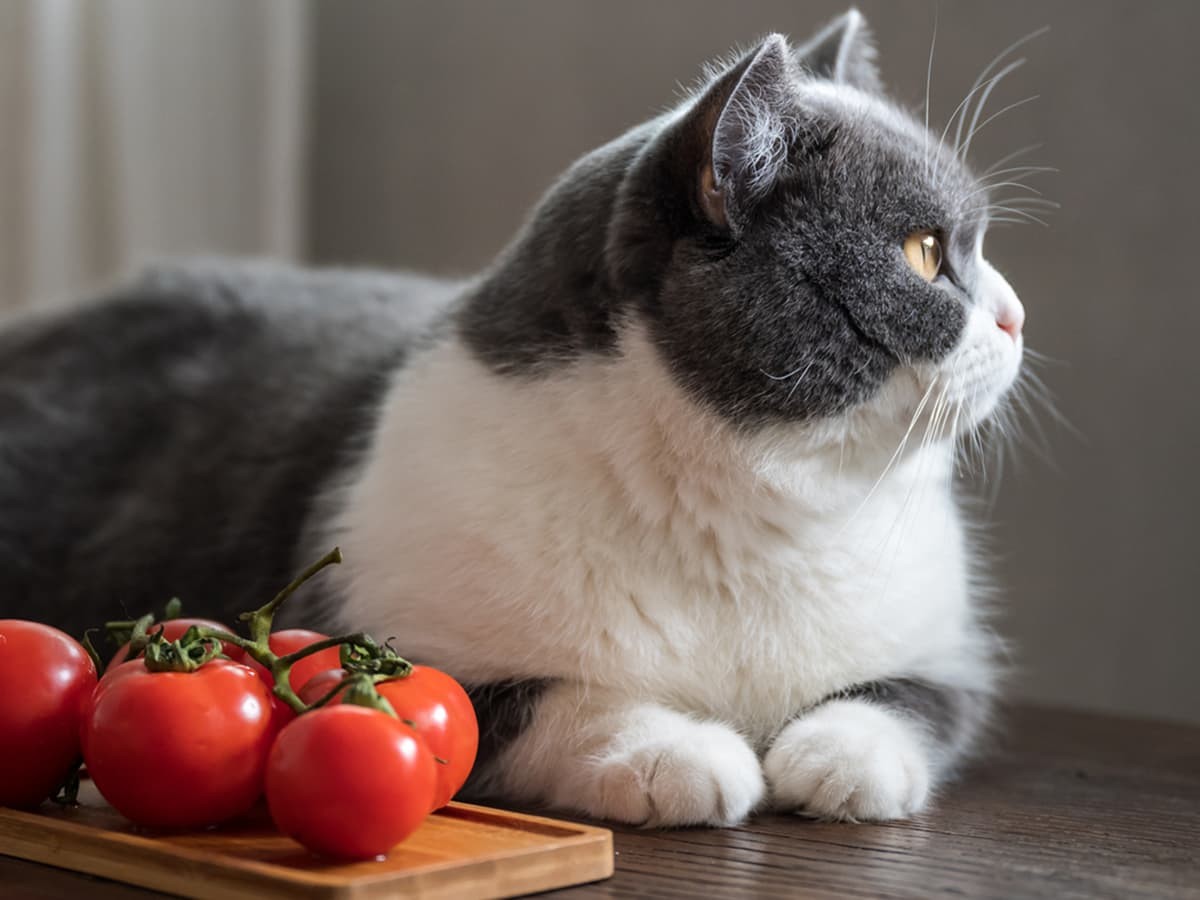
Credit: spotpet.com
Cats And Their Diet
Tomatoes might catch a cat’s curiosity, but they are not a natural food choice. Cats typically ignore vegetables and prefer proteins. Small amounts may be safe, but the green parts and unripe tomatoes can be toxic.
Cats are fascinating creatures, especially when it comes to their eating habits. As obligate carnivores, they primarily thrive on a meat-based diet. But what happens when they encounter foods like tomatoes? Should you be concerned if your feline friend shows interest in your salad bowl?Understanding A Cat’s Nutritional Needs
Cats require a diet rich in proteins and fats to maintain optimal health. Unlike humans or dogs, they have specific dietary needs that must be met through animal-based sources. Taurine, an essential amino acid found in meat, is crucial for their heart health and vision. A friend once tried to switch her cat to a vegetarian diet, thinking it was a healthier option. The result? The cat became lethargic and lost weight rapidly. This underscores the importance of respecting a cat’s natural dietary requirements.Can Cats Eat Vegetables?
While cats don’t need vegetables, they sometimes nibble on them out of curiosity or boredom. Some vegetables, like carrots and peas, are harmless in small amounts. However, others can be toxic or cause digestive issues. Think about it: Would you let your child eat something potentially harmful just because it looks tempting? The same caution should apply to your feline companions.The Curious Case Of Tomatoes
Tomatoes are a common kitchen staple, but are they safe for cats? The answer is a bit tricky. Ripe tomatoes, in small quantities, might not harm your cat. However, the leaves, stems, and unripe tomatoes contain solanine, a toxic compound. Imagine your cat sneaking a bite of an unripe tomato from your garden. While it might seem like innocent behavior, it could lead to vomiting or diarrhea. Always monitor what your cat has access to in your home.Signs Of Dietary Issues In Cats
How can you tell if your cat is having trouble with their diet? Look for signs like vomiting, diarrhea, or sudden changes in appetite. Even subtle changes, like increased thirst or unusual lethargy, can signal a problem. A neighbor once ignored her cat’s frequent vomiting, assuming it was a hairball issue. It turned out the cat had been munching on houseplants, leading to a toxic reaction. Always be vigilant about your cat’s behavior and diet.Ensuring A Balanced Diet For Your Cat
Providing a balanced diet is key to your cat’s well-being. Stick to high-quality commercial cat food that’s specifically formulated for their needs. If you want to introduce new foods, do so gradually and consult your vet. Consider keeping a food diary for your cat, noting any changes in behavior or health after introducing new foods. This can help identify potential allergens or irritants. Remember, your cat’s health is a reflection of their diet. Always prioritize their nutritional needs over curiosity.Tomatoes In Cat Food
Cats may nibble on tomatoes if included in their food, but it’s not their favorite treat. These fruits are safe in small amounts, yet not all cats will be interested. Always ensure tomatoes are ripe and used sparingly to avoid any digestive issues.
Tomatoes in cat food might surprise many pet owners. You may have noticed them listed on the ingredient label of your cat’s favorite kibble or canned food. This often leads to questions about their purpose and safety.Why Do Manufacturers Add Tomatoes?
Tomatoes bring a touch of natural flavor and color to cat food. They can enhance the taste, making it more appealing to your feline. Manufacturers also use tomatoes for their antioxidant properties, primarily from lycopene, which can support a cat’s immune system.Nutritional Benefits
While cats are obligate carnivores, they can still benefit from small amounts of plant-based nutrients. Tomatoes in cat food provide a modest amount of vitamins like A and C. These vitamins can contribute to your cat’s overall health, promoting a shiny coat and good vision. You might wonder if tomatoes are safe for your kitty. While raw and green parts of tomatoes are toxic, the ripe tomato ingredient in cat food is processed and safe. Manufacturers ensure that only non-toxic, ripe tomato parts are used, eliminating any risk to your pet.Personal Experience With Tomato-based Cat Food
I once hesitated when switching to a brand with tomatoes listed as an ingredient. My cat, however, took to it immediately. Her coat became shinier, and she seemed more energetic. This personal experience reassured me of tomatoes’ potential benefits when used correctly.Considerations For Tomato-sensitive Cats
Every cat is unique, and some might be sensitive to tomatoes. If you notice any digestive issues after feeding tomato-based cat food, consider switching to a different brand. Always observe your cat’s reaction to new food and consult your vet if necessary.Final Thoughts On Including Tomatoes
Including tomatoes in cat food can be beneficial, provided they’re included in the right form and quantity. Next time you see tomatoes on the ingredient list, you can feel more assured about their role. Have you ever tried tomato-based cat food for your feline friend? How did they react?Nutritional Value Of Tomatoes
Tomatoes are a popular fruit that many people enjoy. They are rich in nutrients and can be a healthy snack. But what about their nutritional value for cats? Understanding the components of tomatoes can help determine if they are suitable for feline consumption.
Vitamins And Minerals
Tomatoes contain several important vitamins. Vitamin C is one of them. It supports the immune system and helps in healing. They also have Vitamin A, which is good for vision and skin health. These vitamins are essential for overall well-being.
Minerals like potassium are present in tomatoes. Potassium is necessary for muscle function. It also helps maintain fluid balance in the body. Magnesium is another mineral found in tomatoes. It aids in nerve function and keeps bones strong. These minerals can contribute to a balanced diet.
Potential Health Benefits
Tomatoes have antioxidants like lycopene. Antioxidants combat harmful free radicals. They can reduce the risk of certain diseases. Lycopene is particularly known for its heart health benefits.
Eating tomatoes might also aid digestion. They have fiber, which promotes healthy digestion. Fiber can prevent constipation and improve bowel movements. These benefits make tomatoes a nutritious choice.
Are Tomatoes Safe For Cats?
Many pet owners wonder about the safety of tomatoes for their cats. Cats are curious animals. They often explore different foods. Tomatoes are common in households. But are they safe for your feline friend? Understanding the risks is crucial. Not all parts of the tomato are harmless. A cat’s digestive system is different from humans.
Risks Of Feeding Tomatoes
Tomatoes contain solanine. Solanine is a toxic substance. The green parts have more solanine. This includes stems and leaves. Unripe tomatoes also contain solanine. Cats can suffer if they ingest them. Cooked ripe tomatoes have lower solanine levels. Still, they are not ideal for cats. The acidity of tomatoes can upset a cat’s stomach.
Signs Of Tomato Toxicity
Signs of tomato toxicity in cats can vary. Watch for vomiting or diarrhea. Lethargy is another sign. Tremors may occur. Increased heart rate is dangerous. These symptoms need immediate attention. Take your cat to a vet if you notice these signs. Early detection is important for recovery.
Cats’ Taste Preferences
Cats are curious eaters, but tomatoes aren’t on their favorite list. Though not toxic in small amounts, the stems and leaves can be harmful. Always keep these parts away from your feline friend to ensure their safety.
Cats have unique taste preferences that can puzzle their owners. Curious creatures, cats often explore new foods. But what do they really like? Let’s dive into their culinary world.What Do Cats Prefer?
Cats are carnivores. They have a natural craving for meat. Their taste buds are tuned to detect savory flavors. Proteins attract them more than sweet or sour foods. This means tomatoes might not be their first choice.Sensitivity To Flavors
Cats have fewer taste buds than humans. They can’t taste sweetness. This makes sugary foods less appealing. They can detect bitter flavors, though. Tomatoes have a slightly bitter taste. Cats might nibble out of curiosity, but not consume much.Curiosity Over Taste
Cats are naturally curious. Sometimes, they nibble on food just to explore. It’s not always about liking the taste. Even if tomatoes don’t appeal, a cat might take a bite. This behavior is more about discovery than preference. Understanding cats’ taste preferences can help in choosing their food wisely. It’s essential to offer what aligns with their natural instincts.Alternatives To Tomatoes
Tomatoes might not be the best snack for your cat. They can upset their stomach. Luckily, there are other safe options. Cats can enjoy different treats and vegetables. These can be both tasty and healthy. Let’s explore some options that your feline friend might love.
Cat-friendly Vegetables
Some vegetables are safe for cats. Cooked carrots can be a good choice. They are soft and easy to chew. Green beans are another option. They provide fiber and nutrients. Peas can be a treat too. They are small and easy to eat. Always cook vegetables first. Raw ones can be hard to digest.
Healthy Treats
Not all treats have to be vegetables. Cats enjoy meat-based snacks. Small pieces of cooked chicken are great. They provide protein and flavor. Tuna is another favorite. It is tasty and rich in nutrients. Just make sure it’s plain. Avoid any seasonings or sauces. A small piece of cheese can be a delight. Always in moderation, of course.
Feeding Guidelines For Cats
Cats usually prefer meats and fish over vegetables. Some might nibble on tomatoes, but caution is advised. Tomatoes contain solanine, which can be harmful to cats if ingested in large quantities.
Cats are curious creatures, and their eating habits can sometimes surprise us. If you’ve ever caught your feline eyeing a tomato, you might wonder if it’s safe for them to indulge. While cats are obligate carnivores, meaning they thrive on a meat-based diet, small amounts of certain fruits and vegetables can be part of their diet. However, before you toss a tomato to your cat, let’s explore some feeding guidelines to ensure their health and safety.Balanced Diet Tips
A balanced diet is crucial for your cat’s overall health. Cats need a mix of proteins, fats, and carbohydrates. Proteins should be the main component, coming primarily from animal sources like chicken, beef, or fish. Add small amounts of fruits or vegetables to provide vitamins and minerals. However, it’s essential to research each food item for safety. Always introduce new foods slowly to monitor for any adverse reactions.Foods To Avoid
While some fruits and vegetables can be safe, others are not. Tomatoes, especially green ones and the plant’s leaves, contain solanine, which is toxic to cats. Always remove any dangerous parts before considering giving tomatoes. Avoid feeding cats onions, garlic, grapes, and chocolate. These foods can cause serious health issues. Make sure any human food given is free from these ingredients. Cats have unique dietary needs, and it’s our responsibility to ensure they receive proper nutrition. Have you ever tried feeding your cat something unusual? Share your experiences in the comments below!
Credit: spotpet.com
Expert Opinions
Experts suggest cats can eat tomatoes, but only ripe ones and in small amounts. Unripe tomatoes or leaves might be harmful to cats. Always ensure tomatoes are safe for your furry friend.
Cats are curious creatures and often explore their surroundings with an adventurous palate, which sometimes leads to unexpected dietary choices. Many cat owners find themselves wondering if tomatoes should be part of their feline friend’s diet. Understanding what experts say can help you make informed decisions about your cat’s eating habits.What Veterinarians Say
Veterinarians generally advise caution when it comes to feeding cats tomatoes. While ripe tomatoes aren’t toxic to cats, the green parts, such as stems and leaves, contain solanine, which can be harmful. Always check with your vet before introducing new foods to your cat’s diet.Animal Nutritionists’ Perspective
Animal nutritionists emphasize that cats are obligate carnivores, meaning their diet should primarily consist of meat. Tomatoes do not provide the essential nutrients cats need. Instead, focus on protein-rich foods that support their health and well-being. Have you considered if your cat’s current diet meets these nutritional needs?Cat Behaviorists’ Insights
Cat behaviorists often observe that cats are attracted to foods based on smell and texture. A juicy tomato might catch their eye, but it doesn’t mean it’s beneficial for them. Understanding your cat’s preferences can help you offer treats that are both appealing and safe.Personal Experiences From Cat Owners
Many cat owners have shared stories about their pets’ encounters with tomatoes. My neighbor’s cat once nibbled on a cherry tomato, leading to a quick vet visit due to mild stomach upset. This experience taught them to be vigilant about what foods are left unattended. Have you had a similar experience that changed how you monitor your cat’s diet? By considering these expert opinions, you can make better choices for your cat’s nutrition. Always prioritize their health and well-being when thinking about adding new foods to their diet.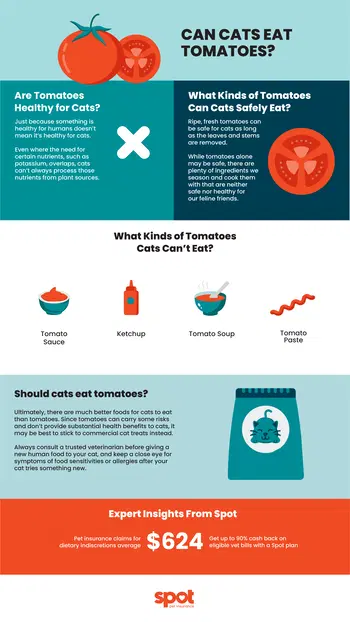
Credit: spotpet.com
Frequently Asked Questions
Will Feral Cats Eat Tomatoes?
Feral cats rarely eat tomatoes. They prefer meat-based food sources like rodents or birds. Tomatoes aren’t a natural part of their diet and may not attract them. While curious, feral cats usually avoid unfamiliar plant-based foods. Always ensure cats have access to appropriate, nutritious meals for their wellbeing.
What Happens If My Cat Eats Tomatoes?
Tomatoes are toxic to cats. They can cause gastrointestinal upset, lethargy, and confusion. Keep tomatoes out of reach to ensure your cat’s safety. If ingested, contact your vet immediately for advice.
Why Does My Cat Want Tomatoes?
Cats may be curious about tomatoes due to their color, texture, or scent. Some cats might enjoy the taste. Ensure tomatoes are ripe and avoid feeding them often, as they can cause digestive issues. Always monitor your cat’s reaction to new foods and consult a vet if unsure.
Can Cats Be Near Tomatoes?
Cats can be near tomatoes, but avoid feeding them. Tomatoes contain solanine, harmful to cats if ingested. Unripe tomatoes and leaves are more toxic. Keep your cat away from tomato plants to ensure safety. Always consult a vet for dietary concerns and potential risks.
Conclusion
Cats show curiosity towards tomatoes but rarely eat them. Their interest usually lies in the texture or smell. Tomatoes are not toxic for cats unless they’re green. Green tomatoes can upset their stomach. It’s best to keep tomatoes out of reach.
A balanced diet with cat food is ideal. Safe treats include cooked chicken or fish. Always consult a vet for dietary advice. Observing your cat’s behavior is crucial. Each cat is unique. Remember, understanding their needs helps ensure their health.
Keep your feline friend safe and happy!