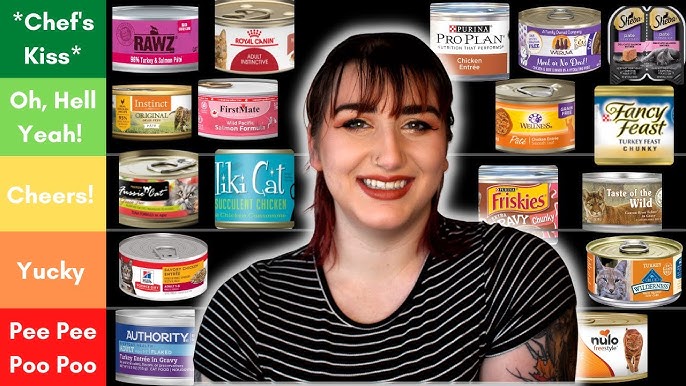
What is a Good Canned Cat Food: Top Picks Revealed
Are you on a quest to find the perfect meal for your furry friend? Choosing the right canned cat food can feel like an overwhelming task, given the myriad of options lining the shelves.
You want what’s best for your cat, but how do you decipher which choice stands out as truly beneficial? We’ll unravel the secrets of what makes a good canned cat food. We’ll guide you through the essentials, ensuring your feline companion not only enjoys their meal but thrives because of it.
Stick with us as we explore the ingredients, nutritional values, and expert tips that will help you make an informed decision. Your cat deserves the best, and so do you. Let’s dive in to discover what makes canned cat food not just good, but exceptional.
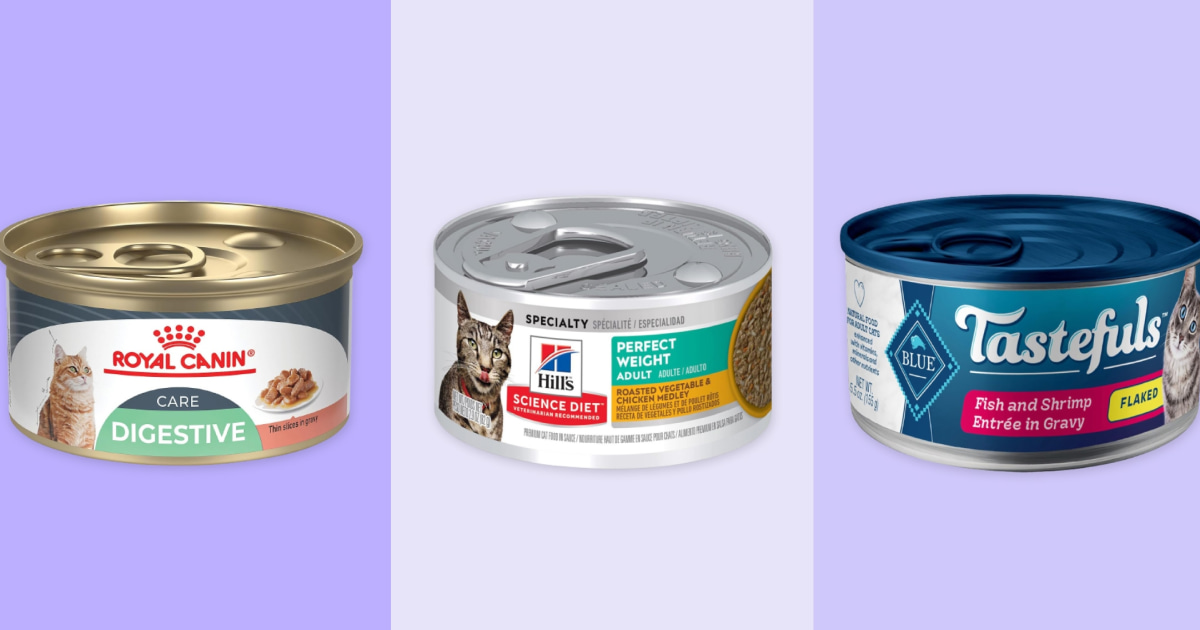
Credit: www.nbcnews.com
Benefits Of Canned Cat Food
Choosing canned cat food provides essential moisture and nutrients, supporting hydration and overall health. High-quality options feature real meat, offering optimal protein content for muscle maintenance. Look for balanced ingredients, including vitamins and minerals, to ensure comprehensive nutrition for your feline friend.
Canned cat food often raises questions among pet owners. Is it truly beneficial for your feline friend? Understanding the advantages of canned cat food can help you make an informed decision. Whether you’re a new cat parent or looking to change your cat’s diet, it’s essential to know the perks that come with choosing canned options.Nutritional Advantages
Canned cat food typically offers higher protein content, essential for your cat’s health. Cats are obligate carnivores, meaning they thrive on protein-rich diets. Canned options often contain real meat, providing the necessary amino acids that dry kibble may lack. Moreover, canned food generally contains fewer carbohydrates. This can be beneficial for cats prone to obesity or diabetes. High moisture content combined with low carbs helps maintain a healthy weight.Hydration Benefits
Did you know that cats often don’t drink enough water? Canned cat food can help bridge this gap. It’s composed of about 70-80% water, which aids in keeping your kitty hydrated. Proper hydration supports urinary tract health. This is especially crucial for male cats who are more susceptible to urinary issues. A hydrated cat is a healthier cat. Think about the last time you checked your cat’s water intake. Would a hydrated diet benefit them? Canned food might just be the solution. Wouldn’t you want to provide the best for your furry friend? Understanding these benefits might just be the nudge you need. Make an informed choice for a healthier, happier pet.
Credit: www.chewy.com
Key Ingredients To Look For
Choosing quality canned cat food involves checking for real meat like chicken or fish as the main ingredient. Essential nutrients such as taurine and omega-3 fatty acids support heart and eye health. Avoid artificial preservatives and fillers to ensure your cat’s well-being.
Choosing the right canned cat food is essential for your feline friend’s health and happiness. As a cat owner, you want to ensure that your pet gets the best nutrition possible. Understanding the key ingredients in canned cat food can help you make informed choices. Let’s explore what you should look for when selecting a quality product.Protein Sources
Cats are obligate carnivores, which means they need a diet rich in animal protein. Look for canned cat foods with named protein sources like chicken, turkey, or salmon. Avoid ambiguous terms like “meat by-products” as these can be low-quality fillers. Your cat’s diet should mimic what they would eat in the wild, focusing on real, identifiable meats. Quality protein supports strong muscles, a shiny coat, and overall vitality. It also helps maintain a healthy weight, which is crucial for your cat’s long-term well-being.Essential Vitamins And Minerals
Vitamins and minerals play a vital role in your cat’s health, supporting everything from vision to bone strength. Key nutrients like taurine are crucial for heart health and vision. Ensure the canned food includes a balanced blend of vitamins like A, D, and E, along with minerals such as calcium and phosphorus. These nutrients should be clearly listed on the label, demonstrating the brand’s commitment to quality. Consider the impact of these nutrients on your cat’s daily life. Are they more energetic and playful? Do they have a healthy, glossy coat? Observing these signs can help you gauge whether your chosen food meets their nutritional needs. Selecting the right canned cat food means understanding what goes into it. What ingredients do you prioritize for your cat’s diet? Share your thoughts and experiences below!Avoiding Harmful Ingredients
Choosing a good canned cat food involves checking labels for harmful ingredients. Avoid artificial preservatives, flavors, and colors. Opt for products with natural and high-quality protein sources.
Choosing the right canned cat food can be a daunting task, especially with so many options available. One crucial aspect to keep in mind is avoiding harmful ingredients. Your cat’s health and happiness depend largely on the quality of their diet. By steering clear of certain additives and low-quality components, you’re taking an important step toward ensuring your feline friend thrives.Artificial Additives
Artificial additives can be detrimental to your cat’s health. Preservatives like BHA, BHT, and ethoxyquin are sometimes used to prolong shelf life but can pose health risks. Look for natural alternatives such as vitamin E (often labeled as mixed tocopherols). Colorings and flavors are other artificial additives to watch out for. Cats don’t care what color their food is, and artificial flavors aren’t necessary if the food contains quality ingredients. Opt for brands that let the real flavors of meat shine through.Fillers And By-products
Fillers are often used in cat food to bulk up the product cheaply. Ingredients like corn, wheat, and soy offer little nutritional value for your cat. They can also be hard to digest and might lead to allergies. Instead, choose food that lists real meat or fish as the first ingredient. By-products can be misleading. While some animal by-products can be nutritious, they often include parts of the animal that are less desirable. These might not provide the essential nutrients your cat needs. Always check the label and prioritize foods that specify high-quality protein sources. Have you ever wondered why some cat foods are cheaper than others? Often, it’s due to these fillers and by-products. Spending a bit more on quality food can save you money on vet bills in the long run. Choosing the best canned cat food involves careful label reading and ingredient checking. By avoiding artificial additives and fillers, you’re giving your cat a cleaner, healthier diet. Your cat deserves nothing but the best, so take the time to choose wisely. What changes will you make to your cat’s diet today?Types Of Canned Cat Food
Choosing the right canned cat food is essential for your feline friend’s health and happiness. With various types available, it’s easy to get overwhelmed. But don’t worry, understanding the differences can help you pick the best option for your cat’s needs. Let’s explore some popular types of canned cat food, focusing on texture and ingredients.
Pâté Vs. Shredded
Have you ever wondered why your cat prefers one texture over another? Cats, much like humans, have their personal preferences. Pâté is a smooth, evenly mixed option that can be easily eaten by cats with dental issues. Its soft consistency might remind you of spreading butter on toast – smooth and satisfying. Shredded varieties, on the other hand, offer a bit more texture and can be similar to a pulled chicken dish. They often contain chunks of meat that allow your cat to engage with their food more actively, making mealtime exciting. Observe which texture your cat gravitates towards; it could be a key to their culinary happiness.
Grain-free Options
Grain-free canned cat foods have gained popularity for their potential health benefits. These options are often packed with protein and are free from ingredients like wheat and corn, which some cats might be sensitive to. I once switched my cat to a grain-free diet and noticed a significant improvement in her coat’s shine and her energy levels. However, not all cats require a grain-free diet, so consider your pet’s specific needs. Is your cat showing signs of allergies or digestive issues? Grain-free might be worth a try.
Choosing the right type of canned cat food can enhance your cat’s mealtime experience and contribute to their overall well-being. Have you found a favorite type or brand that your cat loves? Share your experiences and insights with fellow cat lovers. Your tip could be the key to another pet’s happiness!
Top Picks For Canned Cat Food
Finding the right canned cat food is essential for your feline friend. Cats need nutrients to stay healthy and happy. Canned cat food offers moisture and flavor, making it a popular choice. But with countless brands and options, choosing the best can be tricky. This guide highlights top picks for canned cat food.
Premium Brands
Premium brands offer high-quality ingredients. They prioritize real meat and natural flavors. These brands ensure nutritional balance for your cat. They often avoid fillers and artificial additives. Popular premium options include Wellness CORE and Blue Buffalo. These brands focus on protein-rich recipes. They cater to a cat’s carnivorous nature. Premium brands often come with a higher price tag. But they offer superior health benefits for your pet.
Budget-friendly Choices
Budget-friendly choices still deliver essential nutrients. They provide good value for your money. These brands balance cost with quality. They may use some fillers but maintain nutritional standards. Friskies and Fancy Feast are popular budget options. They offer variety in flavors and textures. Budget-friendly choices are ideal for multiple-cat households. They ensure your cats receive necessary nutrition without breaking the bank.
Factors To Consider
Choosing good canned cat food depends on several factors. Check for high-quality protein sources, limited fillers, and essential nutrients. Ensure the food meets your cat’s specific dietary needs and preferences.
When selecting the best canned cat food, it’s essential to consider several factors. Your feline friend’s well-being and happiness hinge on these choices. From their age and health needs to flavor preferences, each element plays a crucial role in ensuring your cat receives the nutrition they need while enjoying their meals.Age And Health Needs
Cats, like humans, have different nutritional requirements at various life stages. Kittens need higher protein levels to support their growth and development. Older cats might benefit from foods with added vitamins to support joint health. A friend of mine once struggled with finding the right food for her senior cat. After consulting her vet, she switched to a formula designed for older cats, and the difference in her pet’s energy levels was noticeable. Are you considering your cat’s age and health when choosing their food?Flavor Preferences
Cats can be notoriously picky eaters. The flavor of their food can make a big difference in their willingness to eat it. Some cats might prefer fish flavors, while others lean towards poultry. It’s a bit like us preferring chocolate over vanilla. Have you ever noticed your cat turning up their nose at a particular flavor? Experimenting with different options can help you discover their favorites. Keep in mind that mixing up flavors can also add excitement to their meals, much like how we enjoy variety in our diets.Tips For Transitioning To Canned Food
Selecting a nutritious canned cat food is crucial for your pet’s health. Look for high-quality protein sources and essential nutrients. Read labels carefully to ensure no harmful additives or fillers are present. Transition gradually to allow your cat’s digestive system to adjust smoothly.
Transitioning your feline friend to canned cat food can be a rewarding journey if done with care. Cats, like humans, have their preferences and can be quite particular about their meals. Making the switch requires patience, observation, and a bit of trial and error. But don’t worry—many cat owners have successfully made this transition, and you can too. Here are some practical tips to ensure a smooth changeover to canned cat food.Gradual Introduction
Start by mixing a small amount of canned food with your cat’s regular dry food. This helps your cat get used to the new taste and texture without feeling overwhelmed. Increase the ratio of canned food gradually over a week or two. This slow transition helps in avoiding digestive issues and gives your cat time to adapt. Observe your cat’s reaction. Does it seem interested or hesitant? Adjust the pace accordingly to ensure your cat feels comfortable and excited about mealtime.Monitoring Health And Behavior
Keep a close eye on your cat’s weight and energy levels. A sudden change in food can impact your cat’s health, so monitoring is key. Watch for any changes in litter box habits. Soft stools or diarrhea might indicate that the transition is happening too quickly. Notice your cat’s behavior. Is it more playful or lethargic? Canned food can affect energy levels, and noticing these changes can offer insights into your cat’s well-being. Transitioning to canned cat food can be a game-changer for your feline friend. It’s all about patience and paying attention to your cat’s needs. Have you ever wondered how your cat feels about their meals? Keep experimenting and adjusting, and soon you’ll find the perfect balance for a happy, healthy cat.Expert Recommendations
Choosing quality canned cat food involves considering ingredients and nutritional value. Experts suggest seeking options with real meat and minimal fillers. Proper hydration and balanced nutrients support your cat’s health and wellbeing.
When choosing a good canned cat food, expert recommendations can guide you to make the best choice for your feline friend. Whether you’re a new pet owner or have years of experience, understanding what veterinarians and pet nutritionists suggest can make all the difference in ensuring your cat’s health and happiness. Let’s delve into their insights.Veterinarian Insights
Veterinarians emphasize the importance of quality ingredients in canned cat food. They often recommend looking for food with high protein content, as cats are obligate carnivores. Dr. Smith, a veterinarian with 15 years of experience, suggests checking the first few ingredients for real meat sources like chicken or salmon. Avoiding fillers such as corn and soy can help maintain your cat’s weight and energy levels. You might wonder why some foods are pricier than others. Often, it’s because they contain better ingredients. Veterinarians also highlight the need for balanced nutrition, which includes essential vitamins and minerals. This is crucial for your cat’s immune system and overall health.Pet Nutritionists’ Advice
Pet nutritionists focus on the nutritional profile of canned cat food. They advise ensuring that the food is formulated to meet AAFCO standards. These standards guarantee that the food meets the nutritional needs of cats. Nutritionist Laura advises checking for taurine in the ingredients. It’s a vital amino acid that supports your cat’s heart and vision. Many pet owners overlook the moisture content in canned cat food. Higher moisture helps with hydration, which is particularly beneficial if your cat doesn’t drink much water. Do you consider your cat’s age and health when choosing food? Pet nutritionists recommend selecting food tailored to your cat’s specific life stage. This ensures they get the right nutrients at every age. Incorporating expert recommendations can transform your approach to selecting cat food. What tips will you try next to ensure your cat eats the best canned food possible?
Credit: www.youtube.com
Frequently Asked Questions
What Is The Healthiest Wet Food For Cats?
Wellness CORE Grain-Free Canned Cat Food is a top choice for healthy wet cat food. It features high-quality protein, essential nutrients, and no artificial additives. This promotes optimal feline health. Always consult your vet to tailor the diet to your cat’s specific needs.
What Type Of Canned Food Is Best For Cats?
High-quality canned cat food rich in animal protein and low in carbohydrates is best. Choose brands with real meat as the first ingredient. Ensure the food contains essential nutrients like taurine and omega-3 fatty acids. Avoid artificial additives and fillers for a healthier option.
What Is The Healthiest Food You Can Feed A Cat?
The healthiest food for cats is high-quality, balanced commercial cat food. It provides essential nutrients. Include lean meats like chicken and fish for protein. Avoid feeding cats human food with spices or toxic ingredients. Always ensure fresh water is available.
Consult a vet for specific dietary needs.
Is It Okay To Give Cats Canned Food Every Day?
Yes, feeding cats canned food daily is okay. Ensure it’s nutritionally balanced and meets your cat’s dietary needs. Canned food provides hydration and can be beneficial for cats. Always consult your veterinarian for personalized advice and monitor your cat’s health and weight regularly.
Conclusion
Choosing the right canned cat food matters. It impacts your cat’s health. Look for high-quality proteins and essential nutrients. Avoid fillers and artificial flavors. Read labels carefully. Your cat needs balanced nutrition. This ensures energy and a healthy coat. Consult your vet for personalized advice.
Each cat is unique. Their needs vary. Prioritize quality over price. A healthy cat means fewer vet visits. Happy cat, happy home. Remember, your cat trusts you. Make informed choices. Their well-being depends on it.