Picture this: you’re at home, and your feline friend is giving you that unmistakable look, the one that says, “I’m hungry!” But to your dismay, you realize the pantry is empty of cat food. Panic sets in as you wonder what to do next.
Don’t worry! You’re not alone, and there’s no need to stress. Many pet owners have faced this dilemma and found easy solutions. In this guide, we’ll explore safe and nutritious alternatives you likely already have in your kitchen. Keep reading to ensure your cat remains happy and healthy, even without their usual kibble.
Your peace of mind and your cat’s contentment are just a few scrolls away!
Credit: www.ingleside.com
Homemade Protein Sources
Feeding your cat a balanced diet is crucial for its health. Sometimes, you may run out of cat food and need alternatives. Homemade protein sources can be a great option. These can provide essential nutrients that your feline friend needs. Let’s explore some safe and nutritious options.
Cooked Chicken
Cooked chicken is a simple protein choice for cats. Ensure the chicken is plain without spices or seasoning. Boiled or baked chicken pieces work best. Cut the chicken into small, manageable pieces. This makes it easier for your cat to eat. Avoid giving your cat chicken bones. Bones can be dangerous and cause choking.
Fish Options
Fish is another excellent protein source for cats. Cooked fish like salmon or tuna can be given safely. Make sure the fish is fully cooked and free of bones. Fish provides essential fatty acids beneficial for your cat’s coat. Avoid raw fish as it may contain harmful bacteria. Check for any fish allergies before serving fish.
Eggs
Eggs are nutritious and easy to prepare for cats. Scrambled eggs are a good choice. Ensure they are fully cooked and without seasoning. Eggs are rich in proteins and vitamins. They can support your cat’s muscle development. Avoid giving raw eggs to prevent health issues. Serve eggs as an occasional treat to maintain balance.
Vegetables For Cats
Cats can eat certain vegetables if cat food is not available. Cooked carrots and peas are safe and nutritious. Always ensure the vegetables are plain and free from seasoning. These options can provide temporary nourishment in an emergency.
When you find yourself out of cat food, you might wonder if your pantry holds any suitable alternatives. Surprisingly, certain vegetables can serve as temporary substitutes for your feline friend’s diet. While cats are obligate carnivores, small amounts of certain vegetables can be beneficial and provide essential nutrients. Let’s explore some safe vegetables you can offer your cat and how to prepare them.Carrots
Carrots are a safe option for cats. They’re rich in beta-carotene, which converts to vitamin A and supports eye health. To serve carrots to your cat, steam or boil them until soft and cut them into tiny pieces. Never serve raw carrots, as they can be a choking hazard. Have you ever noticed how much cats love to bat at small objects? A small piece of cooked carrot can be an engaging toy and snack in one!Peas
Peas are another vegetable that’s generally safe for cats. They contain vitamins A, B1, B2, and C, along with fiber. Offer peas either fresh or frozen, but always ensure they are cooked and soft. You can mash them for easier digestion. Do you remember the satisfaction of popping a pea from its pod as a child? Your cat might enjoy a similar experience with a small, mashed portion.Pumpkin
Pumpkin is often recommended for cats, especially when they have digestive issues. It’s packed with fiber and can help with both constipation and diarrhea. Use plain canned pumpkin—avoid any with added spices or sugar. Mix a small spoonful into your cat’s usual food, or serve it alone. Have you ever tried pumpkin pie? Cats can enjoy the same wholesome taste, minus the spices and sugar, of course. When selecting vegetables, always ensure they are free from any seasoning or additives. Introduce any new food gradually and observe your cat for any adverse reactions. Remember, these vegetables should only be a temporary solution. Always aim to get back to a balanced, commercial cat food diet as soon as possible. What other pantry staples have you used in a pinch for your cat?Grains And Carbohydrates
Cats can eat cooked grains like rice or oats when cat food is unavailable. These grains offer essential carbohydrates and energy. Ensure the grains are plain and free from seasoning or additives to keep your cat healthy.
Finding yourself without cat food can be a bit of a panic moment. However, you might be surprised to learn that your pantry could hold the answer. Grains and carbohydrates can serve as a temporary solution for feeding your cat. While they shouldn’t replace a balanced cat diet, they can help in a pinch. Let’s dive into some grains that are safe for your feline friend.Rice
Rice is a common staple in many households. It’s not only easy to prepare but also gentle on your cat’s stomach. You may have already used rice when your cat has had a tummy upset. Cooked plain rice can be a quick fix meal. Just ensure it’s fully cooked and free from any seasoning. Salt, spices, and oils should be avoided as they’re not suitable for cats. A small serving mixed with some protein like cooked chicken can provide a balanced temporary meal. Watch your cat’s reaction, though. Some cats may enjoy rice, while others might turn their noses up at it.Oats
Oats are another grain that can be safe for your cat. They are packed with nutrients and can be easily cooked. Rolled oats, in particular, are quick to prepare and can be served plain. Try making oatmeal with water instead of milk. Cats are generally lactose intolerant, so it’s better to avoid dairy. Serve a small portion and see how your cat reacts. Oats can be filling, so you don’t need much. A tablespoon or two is plenty for a small meal. Are oats a new experience for your cat? Watch for any signs of discomfort or allergies. It’s always fascinating to see how adaptable your cat can be. What unexpected pantry items have you discovered are safe for your feline friend?Dairy Products
When you’re out of cat food, you might wonder what household items can keep your feline friend satisfied. Many pet owners are surprised to learn that certain dairy products can be a temporary solution. But what dairy options are safe and enjoyable for your cat? Let’s dive into the specifics of cheese and yogurt.
Cheese
Cheese can be a hit with some cats. It’s rich in protein and fat, which can give your cat a quick energy boost. A small piece can also be a delightful treat.
Remember, moderation is key. Not all cheeses are created equal, and some might be too rich for your cat’s digestive system. Opt for softer types like mozzarella or cottage cheese.
Have you ever noticed your cat eyeing your cheese plate during snack time? It’s tempting to share, but it’s best to keep it minimal. A pinch here and there can satisfy their curiosity without upsetting their stomach.
Yogurt
Yogurt is another dairy option that can be safe for cats. Choose plain, unsweetened yogurt to avoid unnecessary sugars. The probiotics can be beneficial for their digestion.
Consider sharing a small spoonful next time you enjoy your breakfast. It can be an exciting new taste for your cat, and they might appreciate the creamy texture.
But be cautious with flavored yogurts. Many contain additives that aren’t suitable for cats. Always check the label before offering a taste.
Have you ever thought about how dairy affects your cat? While it might be a short-term solution, it’s essential to observe their reaction. Do they seem satisfied, or does their tummy grumble?
Ultimately, dairy products can be a temporary fix when you’re out of cat food. But understanding your cat’s preferences and tolerances is crucial. Would you consider trying these options the next time you’re in a pinch?
Fruits Safe For Cats
Feeding your cat the right food is essential for their health. If you don’t have cat food, some fruits can be safe options. They provide essential nutrients and hydration. It’s crucial to know which fruits are safe for your feline friend. Some fruits might upset their stomach or be toxic. Below are fruits that are safe for cats.
Apples
Apples can be a safe snack for cats. They contain vitamins A and C. These vitamins support a cat’s immune system. Always remove the core and seeds. They can be harmful. Serve small, bite-sized pieces. Monitor your cat for any adverse reactions.
Bananas
Bananas are a good fruit for cats. They are high in potassium. Potassium helps with muscle function. Cats can eat small banana pieces. It is a sweet treat they might enjoy. Avoid overfeeding to prevent digestive issues. Watch for any signs of allergies.
Credit: libertyvillageanimalhospital.com
Avoiding Harmful Foods
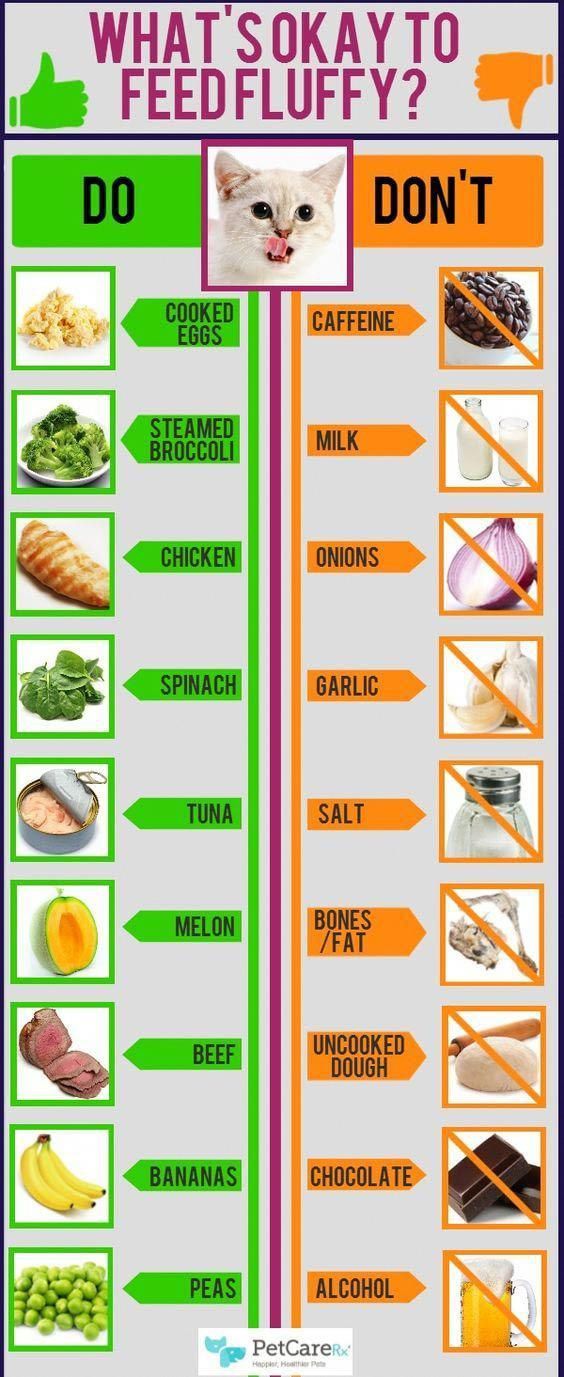
Cats can eat cooked chicken, turkey, or beef as safe options when cat food is unavailable. Plain rice or boiled vegetables like carrots can also be included. Avoid onions and garlic, as they are harmful to cats. Always ensure food is cooked and served plain.
When you find yourself without cat food, you might wonder what safe alternatives you can feed your feline friend. It’s important to know which foods to avoid to keep your cat healthy. Not all human foods are safe for cats, and some can be downright dangerous. Knowing which foods are harmful can make all the difference in an emergency situation.Onions And Garlic
Onions and garlic might add flavor to your meals, but they are toxic to cats. Whether raw, cooked, or powdered, these ingredients can damage a cat’s red blood cells. A small amount might not show immediate symptoms, but repeated exposure can lead to serious health issues. I once made a stir-fry with plenty of onions and garlic. My cat, curious as always, tried to sneak a bite. Thankfully, I knew better than to let her have any. Have you ever wondered how much a small piece of onion could affect your cat? It’s not worth the risk.Chocolate
Chocolate is another food that you should keep far away from your cat. It contains theobromine, which is harmful to pets. Even a small piece can cause vomiting, diarrhea, and other serious symptoms in cats. Imagine celebrating a special occasion with chocolate cake. Your cat, ever the opportunist, might try to sample some. But remember, what seems like a harmless treat for you is anything but for your feline. How would you feel if a simple oversight caused your cat distress? By staying informed about these harmful foods, you protect your cat from potential dangers. Always think twice before sharing your meal with your furry friend. What other foods do you think could be harmful to cats? Knowing the answer could make a big difference in your cat’s health and happiness.Hydration And Fluids
Cats need safe, hydrating foods when cat food is unavailable. Cooked chicken or turkey offers essential nutrients. Ensure water is always accessible to prevent dehydration.
When your pantry suddenly runs out of cat food, ensuring your feline friend stays healthy becomes a priority. Hydration is crucial for cats, just like it is for humans. Providing the right fluids can prevent dehydration and maintain their kidney health. Let’s explore some practical ways to keep your cat well-hydrated when you’re out of cat food.Water
Always have fresh water available. It’s the simplest and most essential fluid for your cat. Cats are notoriously fussy about their water, so consider using filtered water or regularly changing the water in their bowl. If your cat is reluctant to drink, try moving the water bowl to a new location. Cats often enjoy finding water in unexpected places. Another tip is to use a pet fountain. The sound of flowing water can encourage your cat to drink more often.Broth
Unsalted chicken or beef broth can be a great alternative to encourage hydration. It’s tasty and provides essential fluids. Make sure to check the ingredients for any added salt, onion, or garlic, which are harmful to cats. You can easily make your own broth at home by boiling meat bones and letting it cool. Would your cat enjoy a warm treat? Try serving the broth slightly warmed up. The aroma might tempt your cat to lap it up eagerly. Providing a variety of hydration options can keep your cat healthy and happy. What unique fluid solutions have you tried for your cat in a pinch?Balancing Nutrients
Cats can eat cooked chicken, turkey, or fish as alternatives to cat food. These meats provide essential proteins and nutrients. Additionally, cooked eggs and small amounts of cooked grains like rice can complement their diet.
Balancing nutrients is essential when feeding your cat without commercial cat food. Cats need specific nutrients to stay healthy and strong. It is important to know what your feline friend requires for a balanced diet. This ensures they receive the right nutrients. Below are key factors to consider.Protein Needs
Cats are obligate carnivores. This means they require a diet rich in protein. Without it, they may become weak or ill. Chicken, turkey, or fish can be good protein sources. Cook them thoroughly and remove bones. Eggs are another protein option. Serve them cooked and plain. Avoid seasoning or oils.Fiber Importance
Fiber aids in digestion. It helps prevent constipation in cats. Vegetables like carrots or peas can provide fiber. Cook them until soft and mash well. A small amount is enough. Too much can upset their stomach. Always introduce new foods gradually. This helps monitor any adverse reactions.Monitoring Health
Caring for a cat’s nutrition is crucial, especially without cat food. Monitoring their health ensures they remain healthy and happy. Pay attention to signs that indicate their wellbeing. Observe changes to catch problems early.
Signs Of Digestive Issues
Watch for vomiting or diarrhea. These can signal digestive problems. A sudden decrease in appetite is another red flag. Cats might reject food if they feel unwell. Monitor their litter box habits. Constipation or diarrhea indicates digestive distress. Regular bowel movements are essential for their health.
Behavior Changes
Behavioral changes can point to health issues. Look for increased aggression or withdrawal. Cats may hide more if they feel sick. Excessive meowing or vocalization can indicate discomfort. Notice changes in energy levels. A lethargic cat might be unwell.
Keep a close eye on their coat condition. A dull coat can signal health problems. Regular grooming is important for their wellbeing. Cats usually groom themselves when healthy.

Credit: www.facebook.com
Frequently Asked Questions
What To Give Your Cat If You Have No Food?
Offer cooked chicken or turkey without seasoning. Provide plain canned tuna or salmon. Serve scrambled eggs or cooked rice.
What To Do If A Cat Has No Food?
Provide small portions of cooked chicken, turkey, or fish. Avoid seasoning and bones. Offer wet cat food if available. Keep fresh water accessible at all times. Visit a pet store or supermarket for cat food as soon as possible. Consult a veterinarian for advice if necessary.
What Human Food Is Safe For Cats?
Cats can safely eat cooked chicken, turkey, and beef. Plain rice and steamed vegetables like carrots are also safe. Small amounts of cheese and yogurt can be given occasionally. Always avoid onions, garlic, chocolate, and alcohol, which are toxic to cats.
Ensure food is plain and unseasoned.
Can I Feed My Cat Human Food Instead Of Cat Food?
Feeding your cat human food instead of cat food is not recommended. Cats require specific nutrients found in commercial cat food. Some human foods are toxic to cats, like onions and chocolate. Consult your vet for safe treats or occasional human food options.
Always prioritize balanced cat-specific diets for your pet’s health.
Conclusion
Feeding your cat without cat food can be simple. Focus on balance. Offer cooked chicken, turkey, or fish. Avoid bones and seasoning. Include plain rice or pasta for carbs. Small portions of cooked veggies like carrots work well. Always ensure fresh water is available.
Remember, these are temporary solutions. Consult your vet for long-term advice. Keep your cat’s diet safe and healthy. Your furry friend deserves the best care. With these tips, you can ensure your cat stays happy and nourished.