Imagine your cat, usually playful and full of energy, suddenly becomes quiet and withdrawn. You notice it hesitating to eat, and when it does, it seems uncomfortable.
The culprit could be stomatitis, a painful condition affecting your cat’s mouth. Understanding what causes stomatitis in cats is crucial for ensuring your furry friend stays healthy and happy. You’re about to discover the surprising reasons behind this condition and how you can help alleviate your cat’s discomfort.
Knowing the causes not only empowers you to take proactive steps but also strengthens the bond you share with your pet. Stay with us as we uncover the mysteries of stomatitis and guide you through essential tips to safeguard your cat’s well-being.
Credit: animaldentalspecialist.com
Common Symptoms
Stomatitis in cats can be a painful condition. Recognizing the symptoms early helps in managing the disease. Cats often hide their pain, making it tricky to spot issues. Observing changes in behavior and physical signs is crucial.
1. Difficulty EatingCats with stomatitis may refuse food. They might also eat less. This is because their mouth hurts. You may notice them dropping food. Eating becomes a struggle for them.
2. Bad BreathBad breath is a common symptom. A foul odor from your cat’s mouth can indicate stomatitis. This happens due to inflammation and infection in the mouth. Regularly check your cat’s breath for unusual smells.
3. Excessive DroolingDrooling more than usual is a red flag. Cats with stomatitis often drool excessively. Their saliva might appear bloody or thick. Check for wet patches where your cat rests.
4. Pawing at the MouthCats may paw at their mouth. This indicates discomfort or pain. They might also rub their face against furniture. Such behavior suggests something is wrong in their mouth.
5. Weight LossWeight loss happens when cats eat less. Pain from stomatitis reduces appetite. Monitor your cat’s weight regularly. Sudden drops can be a sign of this condition.
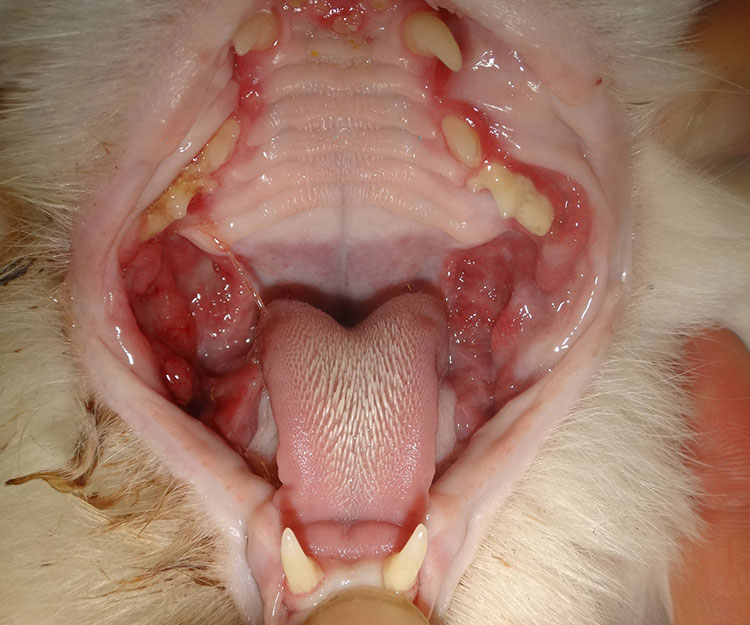
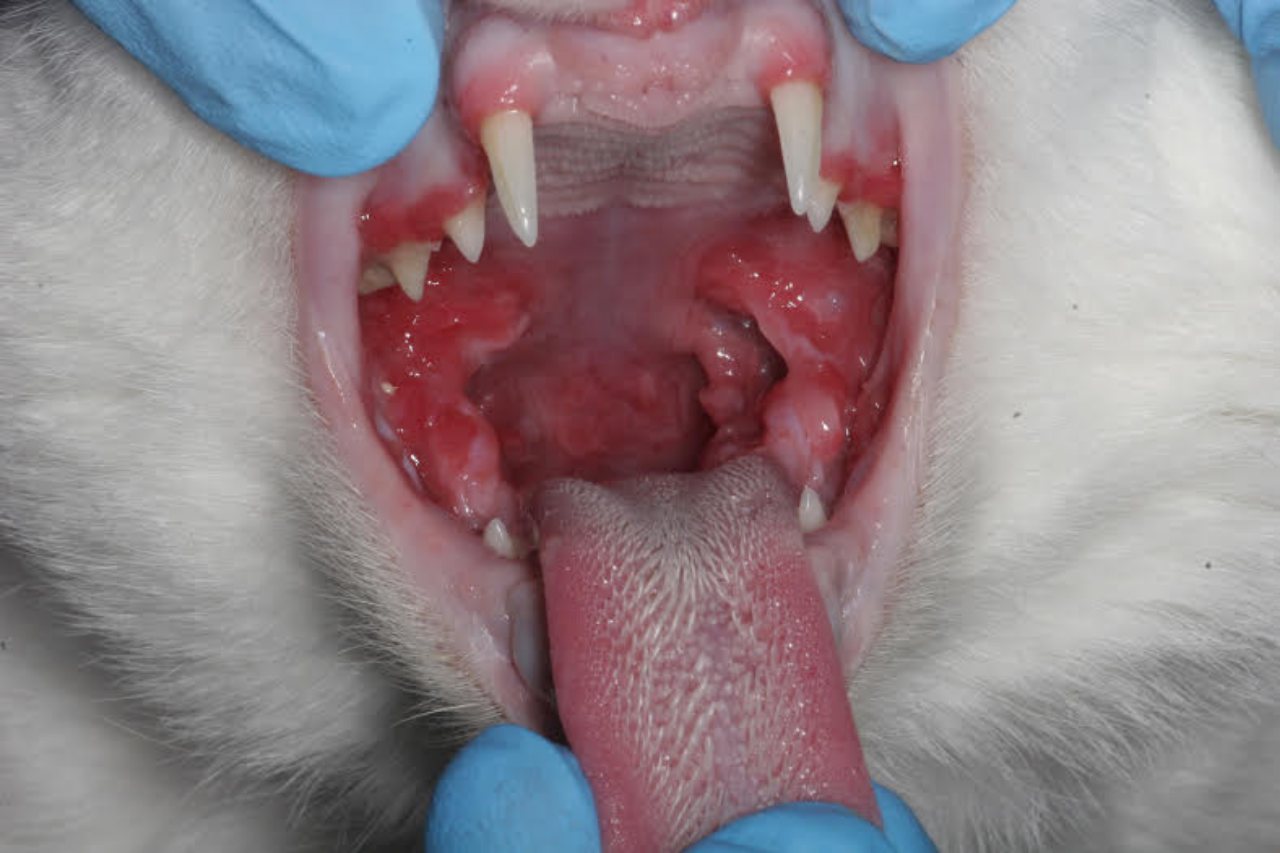
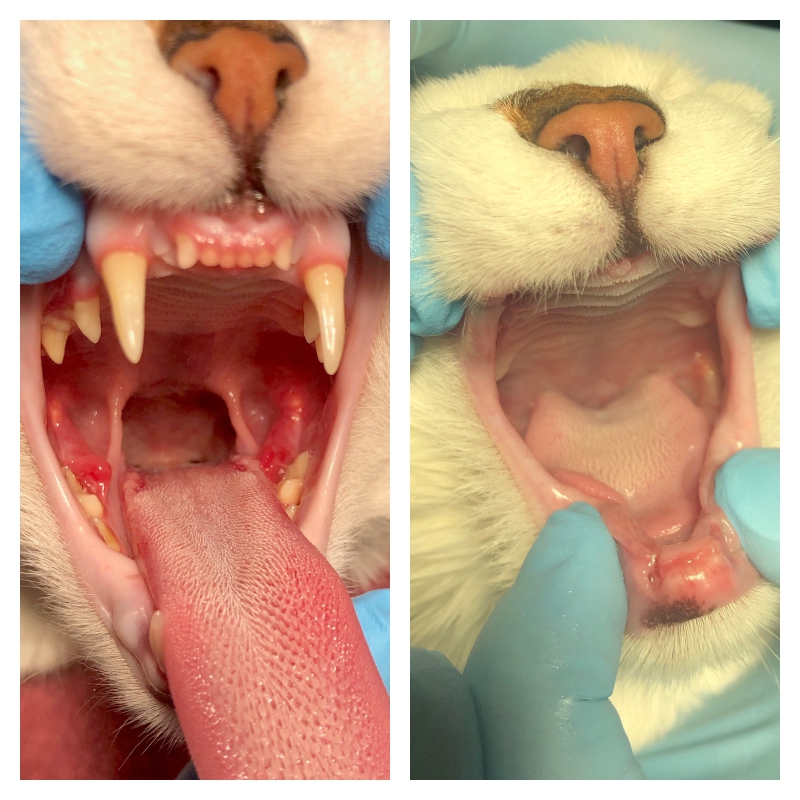
6. Swollen GumsSwollen, red gums are a clear symptom. Inflammation causes the gums to swell. Check your cat’s mouth for any swelling or redness. This is a sign that needs attention.
Credit: animaldentalspecialist.com
Bacterial Infections
Stomatitis in cats often arises from bacterial infections. These infections occur due to plaque and tartar buildup. Painful inflammation can result, affecting a cat’s gums and mouth. Understanding the cause helps in managing and preventing this condition. Regular dental care is essential for your cat’s health.
Bacterial infections play a significant role in causing stomatitis in cats. These infections are often linked to the bacteria present in a cat’s mouth, which can exacerbate inflammation and cause severe discomfort. Understanding the impact of these bacteria can help you better care for your feline friend and potentially prevent this painful condition.Role Of Oral Bacteria
Oral bacteria are naturally present in every cat’s mouth. However, when these bacteria multiply excessively, they can lead to infections. A buildup of plaque can transform into tartar, harboring harmful bacteria that irritate the gums. This is where the trouble begins. As the bacteria continue to grow, they can trigger an inflammatory response, leading to stomatitis. It’s similar to how a neglected garden can quickly become overrun with weeds, choking the life out of the intended plants. Have you noticed your cat avoiding dry food or being reluctant to open its mouth wide? This could be due to the bacteria causing discomfort. By maintaining good oral hygiene, you can help manage bacterial levels.Impact On Immune System
The immune system plays a crucial role in how a cat’s body responds to bacterial infections. When bacteria invade, the immune system reacts by sending white blood cells to fight off the invaders. In some cases, this response can become overactive, causing excessive inflammation. Think about how your body feels when you have a cold. Your immune system works overtime, sometimes making you feel worse before you get better. The same happens in cats with stomatitis. The immune system’s attempt to combat the bacteria can lead to severe inflammation and pain. This inflammation can make eating and grooming uncomfortable for your cat. Regular vet check-ups can help monitor your cat’s immune response and catch any issues early. Could your cat’s lethargy or lack of appetite be linked to an immune system struggle? Pay close attention to their behavior and consult with your vet if you suspect anything unusual. Understanding the role of bacteria and the immune response can empower you to take proactive steps in managing your cat’s oral health. Regular dental care and vet visits can make a world of difference.Viral Causes
Stomatitis in cats can have several causes. Viral infections are significant contributors. These infections affect a cat’s oral health severely. Let’s explore the viral causes of stomatitis in cats.
Feline Calicivirus
Feline Calicivirus is a common viral cause of stomatitis. This virus spreads easily among cats. It targets the mouth and respiratory tract. Cats with this virus often have mouth ulcers. These ulcers cause pain and discomfort. The virus also weakens the immune system. This makes it harder for cats to fight infections.
Feline Herpesvirus
Feline Herpesvirus is another viral cause of stomatitis. This virus leads to respiratory problems and oral issues. Cats with herpesvirus often have inflamed gums. Inflammation makes eating painful and challenging. Stress can trigger flare-ups in infected cats. Managing stress is crucial for affected cats.

Credit: www.tricoanimalclinic.com
Immune System Disorders
Stomatitis in cats can often be linked to immune system disorders. These disorders disrupt the normal functioning of your cat’s immune system, causing it to mistakenly attack its own tissues, including the mouth. Understanding these underlying issues is crucial in managing and treating stomatitis effectively. If you’ve noticed your cat struggling with oral health issues, it’s time to consider how their immune system might be playing a part.
Autoimmune Reactions
Autoimmune reactions occur when your cat’s immune system starts attacking healthy cells. This can lead to severe inflammation in the mouth. Imagine your cat’s immune system as a guard dog that can’t differentiate between intruders and family members. Instead of protecting, it harms. This misdirected attack can make your cat’s mouth sore and painful.
It’s heartbreaking to see your furry friend in discomfort due to what should be their protective mechanism. Consider discussing with your vet whether autoimmune reactions might be affecting your cat. They can conduct tests to confirm and suggest appropriate treatments. Wouldn’t it be reassuring to know that you’re tackling the root of the problem rather than just the symptoms?
Chronic Inflammation
Chronic inflammation is another immune-related issue that can cause stomatitis in cats. Inflammation itself is a protective response, but when it becomes chronic, it can lead to ongoing damage. Picture a fire alarm that never stops ringing—it can become a constant source of stress.
Your cat’s mouth might feel like it’s perpetually under siege, making eating and grooming uncomfortable. Have you observed your cat avoiding hard food or being less playful? It might be due to chronic inflammation. Addressing this with your vet can open pathways to relief through medication or dietary changes that reduce inflammation.
Don’t you want your cat to enjoy their meals and toys again? By understanding how immune system disorders contribute to stomatitis, you can make informed decisions about their care. Addressing these issues not only improves their oral health but also enhances their overall well-being.
Diet And Nutrition
Cats rely heavily on their diet and nutrition for overall health. Improper nutrition can lead to various health issues, including stomatitis. This painful condition affects a cat’s mouth, causing inflammation and discomfort. Understanding the role of diet in stomatitis can help in preventing and managing this condition.
Nutritional Deficiencies
A balanced diet is crucial for a cat’s health. Cats require specific nutrients to maintain strong immune systems. Deficiencies in vitamins or minerals can weaken their immunity. Weak immunity makes cats prone to infections, including stomatitis. Ensure your cat’s diet includes essential nutrients like vitamin C and zinc. These nutrients help in maintaining oral health.
Allergic Reactions
Food allergies can trigger stomatitis in cats. Some cats react adversely to certain food ingredients. Common allergens include fish, dairy, and grains. Allergic reactions cause inflammation in the mouth, leading to stomatitis. Identifying and eliminating allergens from your cat’s diet can reduce symptoms. Consider consulting a vet for allergy testing and dietary recommendations.
Environmental Factors
Environmental factors like poor hygiene and overcrowded living conditions can contribute to stomatitis in cats. Exposure to stressors such as dietary changes and infections can also trigger this painful condition. Regular vet check-ups and a clean environment help minimize the risk for your feline friend.
Understanding what causes stomatitis in cats can be essential for any pet owner. While medical factors often play a significant role, environmental factors should not be overlooked. Your cat’s environment can dramatically influence their health, including the onset of stomatitis. Let’s dive into a couple of these environmental factors and see how they might be impacting your furry friend.Stress And Anxiety
Cats are sensitive creatures, and changes in their environment can stress them out. A new pet, a move, or even changes in your schedule can lead to anxiety. This stress can weaken their immune system, making them more susceptible to conditions like stomatitis. Have you noticed your cat acting differently after a change at home? It might be worth considering if their emotional state is affecting their physical health. Reducing stressors and providing a calm environment can do wonders for their well-being.Hygiene And Cleanliness
The cleanliness of your cat’s environment plays a crucial role in their oral health. Dirty feeding areas can harbor bacteria, contributing to oral infections. Regularly cleaning your cat’s bowls and living spaces can help minimize the risk of stomatitis. Have you ever thought about how often you clean your cat’s eating area? A simple routine of washing their bowls daily can significantly reduce harmful bacteria. Keeping a tidy space is an easy step toward preventing health issues. By paying attention to these environmental factors, you can create a healthier space for your cat. What steps will you take to ensure a stress-free and clean environment for your feline companion?Genetic Predispositions
Stomatitis in cats can often be traced back to genetic factors. These genetic predispositions play a significant role in determining susceptibility. Understanding these can help cat owners manage and prevent this painful condition.
Breed-specific Risks
Certain cat breeds have a higher risk of developing stomatitis. Siamese and Burmese cats show a greater susceptibility to this condition. These breeds might carry specific genetic markers linked to stomatitis. Being aware of these risks can guide cat care strategies.
Inherited Traits
Genetic traits passed down from parents can lead to stomatitis. Cats with a family history of stomatitis may inherit these traits. This hereditary link increases their chances of developing the condition. Knowing a cat’s lineage can help in early detection and prevention.
Dental Health Issues
Stomatitis in cats often results from dental plaque and tartar buildup. Bacteria can cause inflammation and pain in a cat’s mouth. Sometimes, a weak immune system may also contribute to this condition. Regular dental check-ups help in early detection and management of stomatitis.
Cats often suffer from dental health issues. These issues can lead to stomatitis, a painful condition. Poor dental hygiene is a major cause. Understanding these problems helps in prevention and treatment.Plaque And Tartar Buildup
Plaque forms on cats’ teeth after eating. It is a sticky film. If not cleaned, plaque hardens into tartar. Tartar irritates gums and leads to inflammation. This inflammation can cause stomatitis. Regular brushing helps prevent plaque. Special dental treats can reduce tartar.Tooth Root Abscess
Tooth root abscesses are painful for cats. They occur when bacteria infect the tooth root. Infection spreads and forms pus. Swelling and pain follow. This can worsen stomatitis. Affected teeth may need removal. Dental exams can detect early signs. Prompt treatment can prevent severe issues.Secondary Health Conditions
Cats often suffer from stomatitis due to underlying health issues. These secondary conditions can worsen the inflammation in their mouths. Managing these health problems is crucial for alleviating stomatitis symptoms.
Diabetes
Diabetes in cats can lead to various complications. High blood sugar levels affect the body’s healing ability. This can exacerbate oral inflammation, causing stomatitis. Regular vet visits help monitor and manage diabetes.
Kidney Disease
Kidney disease impacts a cat’s overall health. Toxins build up in the blood, causing mouth ulcers and inflammation. Stomatitis symptoms become more severe due to kidney issues. Early detection and treatment are vital.
Preventive Measures
Stomatitis in cats often stems from dental issues, viral infections, or autoimmune disorders. Regular veterinary check-ups and proper oral hygiene can help prevent this painful condition. Keeping your cat’s mouth healthy is key to avoiding discomfort and potential complications.
Preventive Measures Caring for your cat’s health is not just about responding to issues as they arise. Preventive measures can significantly reduce the risk of stomatitis, a painful inflammation in your cat’s mouth. By being proactive, you can help ensure a long, happy, and healthy life for your feline friend.Regular Vet Checkups
Regular vet checkups are crucial. They enable the early detection of potential health issues like stomatitis before they become severe. During these visits, your vet can examine your cat’s mouth, teeth, and gums for signs of inflammation or disease. Consider scheduling at least one annual vet visit. If your cat is older or has a history of dental problems, more frequent checkups might be necessary. Remember, early intervention can make a significant difference in treatment outcomes.Proper Dental Care
Proper dental care is vital in preventing stomatitis. Regular brushing of your cat’s teeth can help remove plaque and prevent tartar buildup. Use a cat-friendly toothbrush and toothpaste to make the process smoother and more enjoyable for your furry friend. Diet also plays a role in dental health. Feeding your cat dry food or dental treats can aid in keeping their teeth clean. Have you ever tried incorporating dental toys? They can be a fun way to promote oral health while keeping your cat entertained. Preventive measures are not just tasks to check off your list. They are a form of love and care that can improve your cat’s quality of life. How can you make these practices a regular part of your routine?Frequently Asked Questions
How Long Do Cats With Stomatitis Live?
Cats with stomatitis can live normal lives with proper treatment. Regular vet visits and tailored care improve longevity. Treatment options include medication, dental care, or surgery. Early detection and consistent management are crucial for better outcomes. Always consult a vet for personalized advice and treatment plans.
What Is The Fastest Way To Cure Stomatitis In Cats?
Consult a veterinarian for an accurate diagnosis. Treatment often involves antibiotics, pain relief, and dental care. Regular oral hygiene can help.
Do All Cats With Stomatitis Have Fiv?
Not all cats with stomatitis have FIV. Stomatitis can occur due to various reasons, including dental issues or other infections. Regular veterinary check-ups are essential for diagnosis and treatment. Always consult your vet for accurate information and guidance on managing feline stomatitis effectively.
How To Avoid Stomatitis In Cats?
Maintain your cat’s oral hygiene by brushing teeth regularly. Provide a balanced diet and dental treats. Schedule routine veterinary check-ups to catch early signs of oral issues. Avoid sharing food or bowls with other animals. Ensure your cat’s vaccination is up-to-date for overall health.
Conclusion
Stomatitis in cats can stem from various sources. Common causes include dental issues, infections, and immune system problems. Knowing these can help in early detection. Regular vet visits ensure your cat stays healthy. Keep an eye on your cat’s eating habits and mouth appearance.
Changes may signal stomatitis. Early action can prevent discomfort and complications. Your cat’s health and happiness depend on timely care. Prioritize their needs and seek professional advice. A proactive approach leads to better outcomes. Remember, a healthy cat is a happy companion.
Stay informed and attentive to ensure your furry friend thrives.