
Have you ever noticed your cat scratching its ears a little too much? Or maybe you’ve seen some dark debris in your cat’s ears that looks like coffee grounds.
If you have, you might be dealing with cat ear mites. These tiny parasites are more than just a nuisance—they can cause discomfort and lead to more serious ear problems if left untreated. Understanding what causes cat ear mites is the first step in protecting your furry friend from these pesky invaders.
We’ll dive into the causes of cat ear mites, helping you get a clearer picture of what you’re up against. Stick around, because knowing what’s behind this common issue can make all the difference in keeping your cat healthy and happy.
Understanding Ear Mites
Understanding ear mites in cats is crucial for pet owners. These tiny parasites can cause discomfort and health issues for your furry friends. Let’s dive into what ear mites are and how they thrive.
What Are Ear Mites
Ear mites are microscopic pests that live in the ear canal of cats. They feed on earwax and skin oils. Their presence can lead to itchiness and irritation. Cats often shake their heads or scratch their ears frequently.
Life Cycle Of Ear Mites
The life cycle of ear mites consists of several stages. It starts with eggs laid by adult mites. These eggs hatch into larvae after a few days. The larvae then develop into nymphs. Finally, they become adult mites ready to reproduce.
This cycle takes about three weeks. During this time, mites can multiply rapidly. Their fast reproduction can worsen infestations quickly. Addressing the issue early is key to preventing severe irritation.

Credit: www.broglilaneweaver.com
Symptoms In Cats
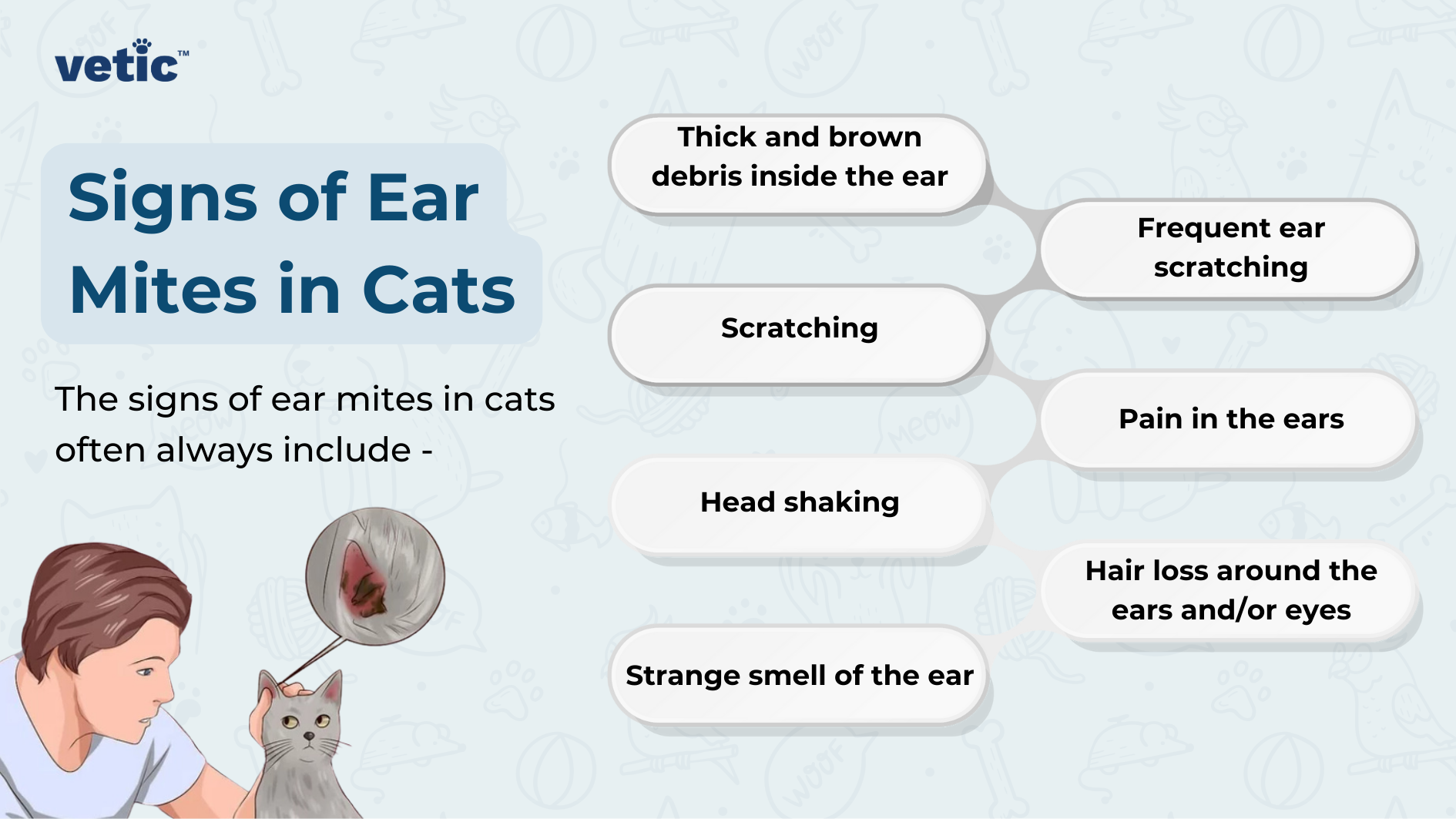
Ear mites in cats are tiny parasites that cause intense itching. These pests spread through direct contact with infected animals. Symptoms include frequent scratching, head shaking, and dark wax discharge. Regular cleaning and vet visits help manage and prevent infestations.
Cat ear mites are a common concern for pet owners. These tiny parasites can cause significant discomfort for your feline friend. Recognizing the symptoms early can make a big difference in your cat’s well-being. But what should you look for? Let’s explore the signs and changes in behavior that might indicate your cat has ear mites.Common Signs
Cats with ear mites may display several noticeable symptoms. You might see your cat scratching its ears excessively or shaking its head more often. Dark, crumbly ear discharge resembling coffee grounds is another strong indicator. As a pet owner, being vigilant about these signs can help you catch the problem early. Frequent inspection of your cat’s ears is crucial. A healthy cat’s ears should be clean and free of debris. Any change in appearance or smell could mean a deeper issue.Behavioral Changes
Behavioral shifts can also signal ear mite infestation. Is your usually playful cat suddenly irritable or withdrawn? Such changes could stem from the constant itch and discomfort. Imagine your cat, once the picture of calm, now restless and anxious. If your cat starts avoiding being touched around the head, it’s worth investigating further. Understanding these symptoms can empower you to act quickly. Have you noticed any of these signs in your cat? Early detection and treatment can prevent unnecessary suffering. Taking your cat to the vet at the first sign of trouble can ensure a quick resolution. Have you ever caught an issue with your pet just by observing their behavior? Your attention can make all the difference.Transmission Methods
Cat ear mites can spread quickly and cause discomfort for your pet. Understanding how these tiny parasites travel is essential. It helps in preventing their spread and protecting your furry friend. Two primary ways contribute to the transmission of ear mites. Direct contact with infected animals and certain environmental factors.
Contact With Infected Animals
Direct contact is a common way for ear mites to spread. Cats often touch each other during play or grooming. If one cat has mites, they can easily pass to another. This is especially true in multi-cat households. Even a brief encounter with an infected animal can be enough. Dogs and other animals can also host ear mites. So, any pet interaction holds a risk.
Environmental Factors
Ear mites can survive in certain environments for a short time. They can linger in bedding, carpets, and furniture. If an infected animal rests in these areas, mites may transfer. Once your cat visits the same spot, mites can jump on board. Clean surroundings help reduce this risk. Regular vacuuming and washing pet bedding are effective steps.
Credit: vetic.in
Risk Factors
Understanding the risk factors for cat ear mites can help prevent infestations. Ear mites are tiny parasites that thrive on cats, causing discomfort and health issues. Identifying these risk factors can lead to better care for your feline friend.
Age And Health Conditions
Younger cats are more prone to ear mites. Their immune systems are not fully developed. Senior cats can also be at risk. Age weakens their ability to fight off parasites. Cats with health conditions face higher risks. Conditions like diabetes and immune disorders lower their defenses. Regular check-ups can identify and manage these risks.
Living Environment
Cats living outdoors are exposed to more parasites. Ear mites spread easily in unclean environments. Crowded living conditions increase the risk. Shelters and multi-cat households can be breeding grounds. Regular cleaning reduces the chance of infestations. Indoor cats face less risk but are not immune. Mites can still hitch a ride indoors.
Diagnosing Ear Mites
Ear mites in cats are tiny parasites that infest the ear canal. These pests cause itching, redness, and discomfort. Close contact with infected animals often leads to transmission. Regular vet check-ups help in early detection and treatment.
Diagnosing ear mites in cats is a crucial step for ensuring their health. Ear mites can cause discomfort and lead to more serious issues if left untreated. Understanding how to identify these pesky parasites helps in addressing them promptly.Veterinary Examination
A vet examination is a reliable way to diagnose ear mites. Veterinarians use specialized tools to look inside your cat’s ears. They might use an otoscope, which helps them see deep inside. This device allows clear detection of mites or signs of infection. Vets may take samples from the ear, examining them under a microscope. This confirms the presence of mites. Professional diagnosis ensures accurate identification and treatment.Home Observation
Observing your cat at home can also hint at ear mites. Scratching ears frequently may indicate a problem. Cats shaking their heads often is another sign. Brown or black debris in the ear canal could suggest mites. A foul odor from the ears is a warning sign. You might notice your cat’s ears look red or inflamed. These symptoms suggest a need for a vet visit. Early observation helps in seeking timely treatment.Preventive Measures
Preventing cat ear mites is crucial for your pet’s health. Effective measures ensure these pesky parasites don’t invade your cat’s ears. Regular cleaning and isolation of infected pets are key strategies. Let’s explore these preventive actions.
Regular Cleaning
Keep your cat’s ears clean to prevent mites. Use a gentle ear cleaner weekly. This helps remove wax and debris. Dirty ears attract mites, so regular cleaning is essential. Check your cat’s ears for redness or dirt. Early detection helps prevent infestations.
Consult your vet if you’re unsure about cleaning. They can guide you on the best products. Ensure the cleaner is safe for cats. Never use cotton swabs inside the ear canal. They can cause damage. A damp cloth is often best for the outer ear.
Isolation Of Infected Pets
Separate infected pets to stop mite spread. Isolate them from other animals. Mites easily transfer between pets. Ensure all pets in the house are checked. This minimizes the risk of an outbreak.
Monitor your pet’s symptoms closely. If one pet shows signs, others might too. Quick action is vital. Discuss with your vet about treating all pets. This ensures complete eradication of mites. Isolation reduces risk and aids recovery.
Treatment Options
Cat ear mites can cause discomfort and irritation for your furry friend. Thankfully, there are various treatment options available to manage this issue. These treatments can help restore your cat’s ear health and ensure their comfort. Here are some effective methods to tackle cat ear mites.
Medication And Topical Treatments
Veterinarians often recommend medications to treat cat ear mites. These medications can be oral or injectable. They are designed to eliminate mites effectively. Topical treatments, such as ear drops, are another option. They target the mites directly in the ear canal. It’s crucial to follow the vet’s instructions carefully. This ensures the best results and prevents recurrence.
Natural Remedies
Some pet owners prefer natural remedies for treating ear mites. Olive oil is a popular choice. It can smother mites and soothe the ear. Apply a few drops into the ear and gently massage. Garlic oil is another option. It contains natural antibacterial properties. Use it with caution to avoid irritation. Always consult with a vet before using natural methods. This ensures safety and effectiveness for your cat.
:strip_icc()/about-ear-mites-dogs-and-cats-3384667_final-8dbaa8f5eb53452da5516085dee7c5d2.png)
Credit: www.thesprucepets.com
Frequently Asked Questions
How Does An Indoor Cat Get Ear Mites?
Indoor cats can get ear mites through contact with infested pets or contaminated environments. Humans or other pets might carry mites indoors unknowingly. Regularly clean your cat’s living area and check for signs of ear mites to prevent infestation. Consult a vet for effective treatment if needed.
What Kills Ear Mites In Cats?
Revolution, Advantage Multi, and ear mite medications kill ear mites in cats. Consult a vet for proper treatment. Clean the cat’s environment to prevent reinfestation.
Where Do So-ear Mites Come From?
Ear mites come from direct contact with infected animals. They thrive in warm, moist environments like pet ears. These parasites can spread through shared bedding, grooming tools, or close proximity. Regular cleaning and vet check-ups help prevent infestations and ensure pet health.
What Are Cat Ear Mites Symptoms?
Cat ear mites cause itching, redness, and inflammation in cats’ ears. You might notice your cat shaking its head frequently. A dark, waxy discharge may also be present. These symptoms can lead to ear infections if untreated. Regular vet check-ups can help identify and manage ear mite infestations early.
Conclusion
Understanding cat ear mites helps in keeping your cat healthy. These tiny pests can cause big problems if not treated. Regular vet check-ups are important. Early detection prevents discomfort for your cat. Keeping your cat’s environment clean also helps. Regular cleaning can reduce the risk of mites.
Your cat deserves a comfortable and itch-free life. So, stay informed and proactive. This ensures your furry friend stays happy and healthy. Ear care is crucial for pet wellness. Always consult a vet for concerns. Your attention to detail makes a difference.
Caring for your cat means a happier home.