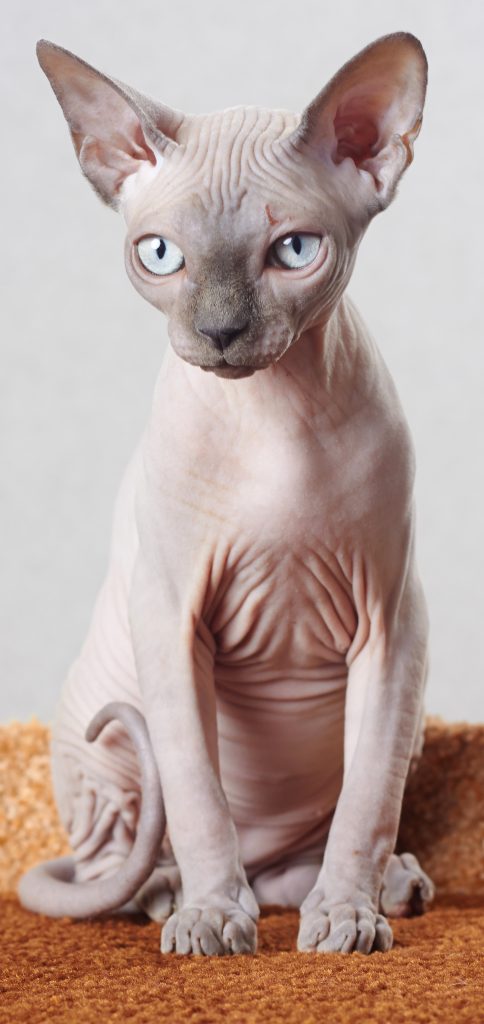
Imagine a feline friend without the fluff. Hairless cats are a unique and intriguing breed that sparks curiosity in many cat lovers.
If you’ve ever wondered what these smooth-skinned companions are called, you’re not alone. This article is your gateway to discovering the fascinating world of hairless cats. We’ll unravel their names, explore their distinctive traits, and reveal why they might just be the perfect pet for you.
As you read on, you’ll uncover surprising facts and insights that could change the way you think about cats forever. So, get ready to dive into the realm of the nearly-naked, where each cat carries a story as compelling as their appearance.
Credit: www.petmd.com
Popular Hairless Cat Breeds
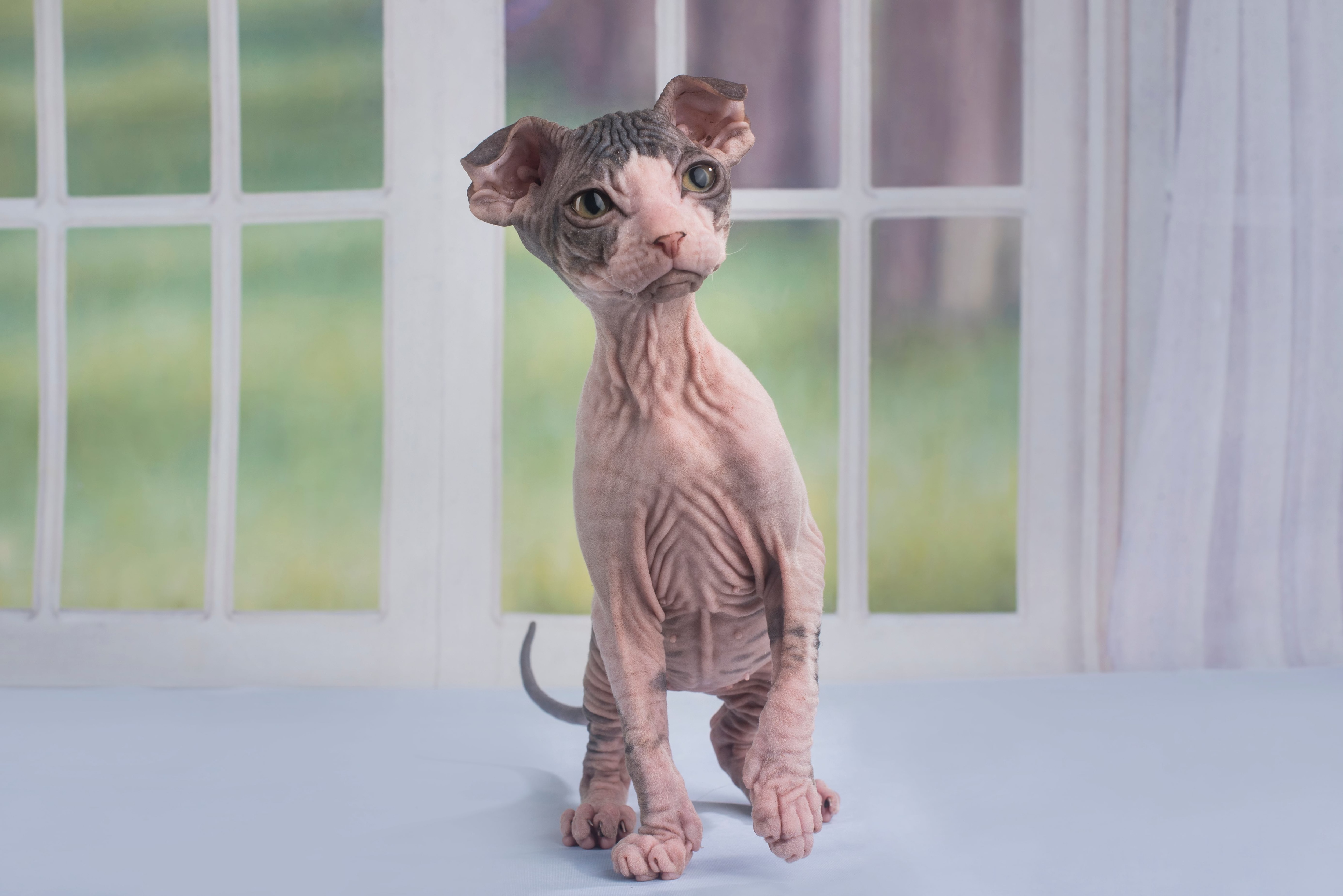
Hairless cats, often called Sphynx, are known for their unique bald appearance. Popular breeds include the Sphynx, Donskoy, and Peterbald, each showcasing distinct features and affectionate personalities. These cats demand special care due to their sensitive skin.
Hairless cats captivate with their unique appearance and charm. These breeds are known for their friendly nature and affectionate behavior. Let’s explore some popular hairless cat breeds that make wonderful pets.Sphynx
The Sphynx is the most famous hairless cat breed. It originated in Canada during the 1960s. This breed is known for its wrinkled skin and large ears. Sphynx cats are playful and love attention. They often behave like clowns, making everyone laugh. Their lack of fur means they need regular baths.Peterbald
The Peterbald is another fascinating hairless breed. It comes from Russia and is relatively new. These cats have a slender, elegant appearance. Peterbalds are affectionate and social. They get along well with families and other pets. Their skin feels soft and warm to the touch.Donskoy
The Donskoy breed, also known as Don Sphynx, originated in Russia. It was discovered in the 1980s and is distinct from the Sphynx. Donskoy cats have a muscular build and expressive eyes. They are intelligent and love interactive play. Regular grooming is essential to keep their skin healthy.Bambino
The Bambino is a unique mix of Sphynx and Munchkin breeds. This breed is known for its short legs and hairless body. Bambino cats are small but full of energy. They are friendly and enjoy spending time with their owners. Despite their size, they are quite agile and curious. `:max_bytes(150000):strip_icc():focal(602x0:604x2)/xherdan-cat-2-1a0a928c0605461f851e49fb5b5f29af.jpg)
Credit: people.com
Unique Characteristics
Hairless cats, known for their distinct lack of fur, offer unique characteristics. These felines are not only fascinating to look at but also have intriguing personalities. While they might seem high-maintenance, caring for them is quite straightforward. Let’s explore their unique traits in more detail.
Distinct Appearance
Their appearance is striking. Hairless cats, like the Sphynx, have smooth skin. This lack of fur highlights their muscular bodies and prominent cheekbones. Their large ears and round eyes add to their exotic look. Despite their name, they may have a thin layer of fuzz. This gives them a peach-like texture. Their skin can come in various colors and patterns, similar to furred cats.
Personality Traits
Hairless cats are known for their lively personalities. They are often described as affectionate and friendly. These cats enjoy being around people and other pets. Their playful nature makes them great companions. They are also quite curious. This means they love exploring their surroundings. They often seek attention and love to be involved in family activities.
Care Requirements
Caring for hairless cats is unique due to their lack of fur. Their skin produces oils that need regular cleaning. Weekly baths help keep their skin healthy. Sun protection is crucial as they can burn easily. They need warm environments since they lack fur to keep them warm. Regular ear cleaning is important too. Their large ears can collect dirt and wax quickly. Despite these needs, they are generally easy to care for.
History And Origin
Hairless cats, often called “Sphynx,” have a fascinating history. Their origin is rooted in genetic mutations. These mutations led to the distinctive hairless trait. This characteristic makes them unique among feline breeds.
Development Of Breeds
The Sphynx breed began in the late 1960s. A hairless kitten was born in Canada. This kitten was named Prune. Breeders started to develop the Sphynx from Prune. They used selective breeding techniques. This ensured the hairless trait was passed on. Over time, breeders refined the Sphynx’s appearance. They focused on maintaining the skin’s health. Another breed, the Peterbald, emerged in Russia. It shared similar hairless traits. These breeds highlight the genetic diversity in cats.
Cultural Significance
Hairless cats hold a special place in various cultures. Some cultures associate them with mysticism. Their unique appearance often fascinates people. In ancient Egypt, cats were revered. The Sphynx resembles the cats of Egyptian art. This connection enhances their allure. Hairless cats are often featured in media. Their distinctive look captures attention. This makes them popular in films and advertising. They symbolize elegance and uniqueness. These cats continue to intrigue and inspire.
Health Considerations
Hairless cats, known for their unique looks, require special attention. Their lack of fur impacts their health in several ways. Owners must understand their skin care needs and potential health issues. Proper care ensures a happy and healthy pet.
Skin Care Needs
Hairless cats have sensitive skin. Their skin is exposed to the elements. Regular bathing is necessary to remove oil buildup. Use gentle, cat-specific shampoos. Moisturize their skin to prevent dryness and irritation. Sun exposure can cause burns. Indoor living is safest for them.
Common Health Issues
Hairless cats can face specific health challenges. They often have respiratory issues. Their skin may develop infections if not cleaned regularly. A weak immune system can lead to frequent illnesses. Regular vet visits are crucial for early detection. Proper nutrition supports their health. A balanced diet is essential.
Living With Hairless Cats
Hairless cats are unique pets. They require special care and attention. Living with them can be a rewarding experience. Their distinct appearance is just the beginning. These cats have specific needs that owners should understand. Learn how to create a comfortable environment for your hairless cat.
Home Environment
Hairless cats need a warm home. They lack fur to keep warm. Ensure your home is cozy and draft-free. Use soft blankets and heated beds. This helps them maintain body temperature. Consider investing in cat-friendly clothes. These help keep them comfortable in cooler weather.
Regular grooming is essential. Hairless cats have oily skin. Bathe them weekly to remove excess oils. Use gentle cat shampoo for best results. Their skin can be sensitive. Avoid harsh chemicals or rough towels. This prevents irritation and keeps skin healthy.
Interaction With Other Pets
Hairless cats can be friendly with other pets. Their social nature makes them adaptable. Introduce them to other pets gradually. This prevents stress and ensures smooth interaction. Monitor their behavior closely. This helps prevent conflicts or aggression.
Hairless cats enjoy companionship. They thrive with play and attention. Provide toys and playtime with other pets. This keeps them active and entertained. Supervise interactions to ensure safety. This maintains a harmonious household.
Myths And Misconceptions
Hairless cats, like the Sphynx, are surrounded by myths. These myths often cloud their true nature. Misunderstandings can affect potential cat owners’ decisions. Let’s clear the air. Learn more about these unique creatures.
Misunderstood Traits
Hairless cats aren’t completely hairless. They have fine, soft fuzz. This fuzz can feel like suede. Some people think they are cold. Not true! Their bodies generate warmth. They love snuggling with humans. It keeps them cozy.
Another trait often misunderstood is their skin. People think it’s oily. Hairless cats produce skin oils, but not excessively. Regular baths help manage this. They don’t require much more care than other cats.
Debunking Common Myths
Many believe hairless cats are hypoallergenic. This is not always the case. Allergies are usually caused by proteins in saliva, not fur. Hairless cats might shed less dander, but allergens remain.
Some think these cats are high maintenance. Not true. They need regular baths and ear cleaning. But so do some other cat breeds. They are playful, affectionate, and love human interaction.
Others fear they are unhealthy. Hairless cats are generally healthy. Regular vet check-ups ensure their well-being. Like all cats, they thrive with proper care and love.
Choosing The Right Hairless Cat
Hairless cats, often called Sphynx, are unique with their bare skin and friendly nature. These cats require special care to keep their skin healthy. Consider their playful personality and grooming needs when choosing the right one for your home.
Choosing the Right Hairless Cat Selecting the perfect hairless cat involves more than just admiring their unique appearance. These intriguing felines, like the Sphynx, Donskoy, and Peterbald, each come with their own distinct personalities and care needs. When you decide to bring one home, it’s important to consider various factors to ensure a happy and healthy relationship.Factors To Consider
Before you commit, consider the lifestyle you can offer. Hairless cats are known for their sociable nature and often crave attention. Are you ready to spend quality time with your new feline friend? Keep in mind that hairless cats have unique care requirements. Their lack of fur means they can easily get cold, so your home should be comfortably warm. Additionally, their skin may need regular cleaning to prevent oil buildup. It’s also important to think about any allergies. While hairless cats produce less dander, they’re not entirely hypoallergenic. Meeting one in person can help determine your sensitivity level.Finding Reputable Breeders
Once you’ve decided on the type of hairless cat that suits your lifestyle, it’s time to find a trustworthy breeder. This step ensures you’re getting a healthy and well-socialized kitten. Start by seeking recommendations from friends or online communities dedicated to hairless cats. Personal experiences can offer valuable insights into breeder reputations. A reputable breeder will be open to questions and provide health records for their kittens. They should also welcome you to visit their facilities. When I was searching for my own Sphynx, I noticed that the breeder’s willingness to show their home and answer questions gave me confidence in my choice. Have you considered adopting from a rescue? Many hairless cats are looking for loving homes. Checking local shelters or breed-specific rescues could be a heartwarming option. Ultimately, choosing the right hairless cat involves careful thought and research. Are you ready to welcome one of these unique companions into your life?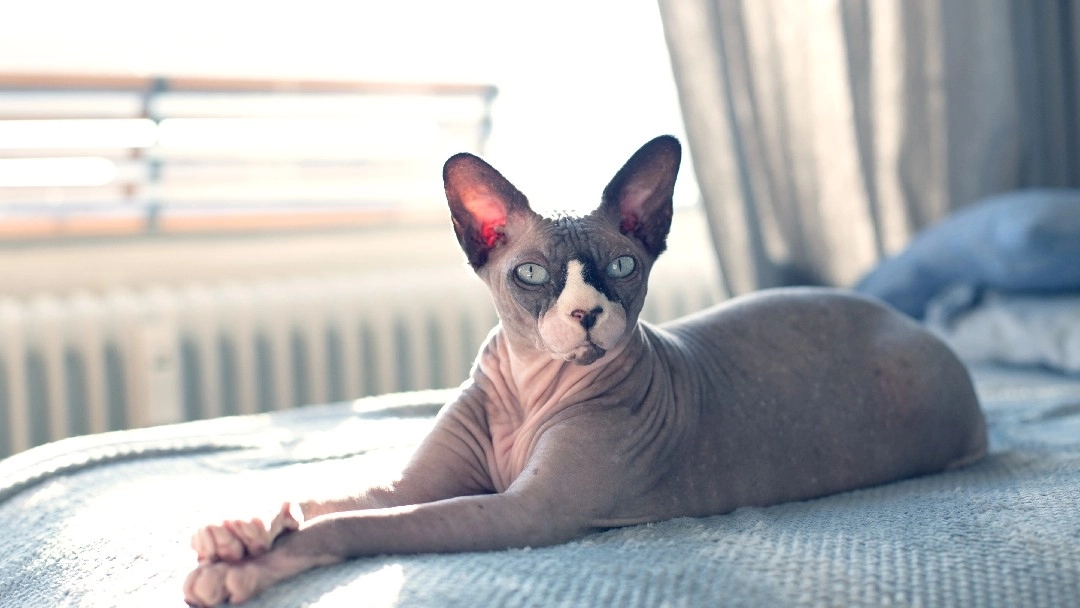
Credit: www.purina-arabia.com
Frequently Asked Questions
Are Sphynx Cats Actually Egyptian?
Sphynx cats are not Egyptian. They originated in Canada in the 1960s. Their name refers to their resemblance to ancient Egyptian statues. Despite the name, their breed development has no direct connection to Egypt.
Are Sphynx Cats Evil?
Sphynx cats are not evil; they are affectionate and social. Their unique appearance may seem unusual, but they are gentle and friendly. Known for their playful nature, Sphynx cats enjoy human interaction. Their behavior reflects their environment and upbringing rather than any inherent evilness.
Are Sphynx Cats Expensive?
Yes, Sphynx cats are expensive. Prices range from $1,500 to $3,000 due to their rare breed status. Their high demand and unique care needs also contribute to the cost. Consider ongoing expenses like grooming and veterinary care when budgeting for a Sphynx cat.
Do Sphynx Cats Smell?
Sphynx cats can have a slight odor due to their oily skin. Regular bathing helps control this smell. Their lack of fur means natural oils aren’t absorbed, making them more prone to scents. Proper grooming and hygiene routines minimize any potential odor issues, ensuring your Sphynx stays fresh.
Conclusion
Hairless cats offer a unique and charming pet option. Their friendly nature and low-maintenance grooming needs make them ideal companions. Sphynx cats are the most popular among these breeds. Known for their affectionate behavior, they thrive in warm environments. Other breeds like the Donskoy and Peterbald also have hairless features.
Each breed has distinct characteristics and requires proper care. Consider climate and lifestyle before choosing a hairless cat. These cats can be great friends with the right care and attention. Explore more to find the perfect match for your home.