Should I Take My Cat to the Vet for Vomiting: Essential Guide
Is your cat vomiting? You might be wondering whether a vet visit is necessary.
As a pet owner, it can be alarming to see your furry friend unwell. Vomiting is a common issue in cats but can be a sign of various underlying problems. Should you wait and see if it resolves on its own, or is it time to seek professional advice?
Understanding when to take action is crucial. You’ll learn what to watch for, how to assess your cat’s symptoms, and when a vet’s intervention is needed. Keep reading to ensure your cat stays healthy and happy, and gain peace of mind by knowing when professional help is the right choice.
Common Causes Of Cat Vomiting
Vomiting in cats can be caused by hairballs, dietary changes, or infections. Observing frequent vomiting? A vet visit helps identify serious issues and keeps your cat healthy.
Cats can vomit for many reasons, and it’s often a concern for pet owners. Understanding the common causes helps in determining if a vet visit is necessary. Frequent vomiting shouldn’t be ignored. It could signal an underlying health issue. Recognizing these causes will ensure your cat stays healthy and happy.Dietary Indiscretions
Cats might vomit after eating something unusual. Maybe they snuck a bite of human food. Or perhaps they devoured too many treats. Sudden changes in diet also upset their stomachs. Monitor their food intake closely.Hairballs
Hairballs are common in cats, especially those with long fur. During grooming, they ingest hair. This hair accumulates in their stomach. Occasionally, they vomit to expel it. Regular grooming helps minimize hairball formation.Infections
Infections can cause vomiting in cats. Viral or bacterial infections affect their digestive system. Symptoms might include lethargy and loss of appetite. If your cat shows these signs, consult a vet promptly.Toxins
Cats are curious creatures. They might ingest something toxic unknowingly. Household plants, chemicals, or certain foods can be harmful. If you suspect poisoning, seek veterinary help immediately. Your cat’s safety is paramount.
Credit: www.winston-salem.carolinavet.com
When To Worry About Vomiting
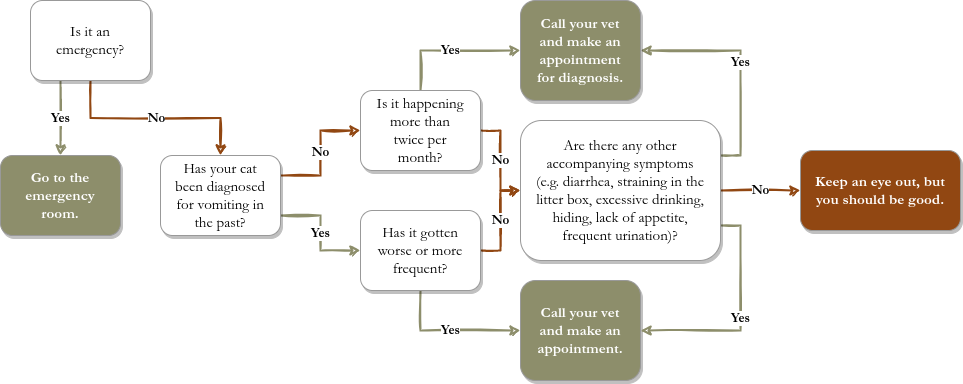
Vomiting in cats can signal health issues. Frequent or severe vomiting requires a vet visit. Look out for signs like lethargy, blood, or appetite loss.
Understanding when to worry about your cat’s vomiting can be challenging. Cats can occasionally vomit due to hairballs or minor digestive upsets. But how do you know when it’s serious enough to see a vet? Let’s break it down so you can make the best decision for your furry friend.Frequency And Duration
If your cat vomits once, it might not be a cause for alarm. However, vomiting more than once in a day or over several days is a red flag. Persistent vomiting can lead to dehydration and other complications. Consider how often your cat throws up. Is it after every meal or sporadically throughout the day? Frequent vomiting can signal underlying issues that need professional attention.Accompanying Symptoms
Keep an eye out for other symptoms that accompany vomiting. Does your cat seem lethargic, or is it refusing food? Look for signs like diarrhea, weight loss, or a change in behavior. These could indicate a more severe problem requiring a vet’s intervention. If your cat shows signs of distress, such as excessive drooling or difficulty breathing, it’s crucial to act quickly.Age And Health Conditions
Kittens and senior cats are more vulnerable to health issues. If your kitten is vomiting, it could be a sign of a congenital issue or infection. Older cats might vomit due to chronic conditions like kidney disease or diabetes. Consider your cat’s overall health. Does it have pre-existing conditions that might cause vomiting? Knowing your cat’s medical history can help determine the urgency of the situation. If your cat has a known condition, regular vet check-ups become even more essential. Have you noticed any of these signs in your cat? Trust your instincts. When in doubt, consulting a vet is always a wise choice. Your cat’s health is precious, and early intervention can make all the difference.Immediate Steps To Take
Vomiting in cats can signal health issues. Observing frequency and any other symptoms is crucial. Contacting a vet promptly ensures your cat receives the needed care.
When your cat starts vomiting, it’s natural to worry. Before you rush to the vet, there are immediate steps you can take to assess the situation. These steps can help determine whether your cat needs urgent care or if monitoring at home is sufficient.Observing Symptoms
Start by observing your cat closely. Check for any other symptoms like lethargy, diarrhea, or unusual behavior. If the vomiting is accompanied by blood or if your cat is unable to keep anything down, it’s time to call the vet. Note the frequency and timing of the vomiting. Did it happen right after eating or drinking? This information can be crucial when you speak to your vet.Hydration And Diet Adjustments
Ensure your cat stays hydrated. Offer small amounts of water frequently but avoid giving large quantities at once, as this might trigger more vomiting. Consider adjusting your cat’s diet temporarily. You might try offering a bland diet, like boiled chicken and rice, but only after consulting with your vet. This can help soothe their stomach and reduce vomiting.Monitoring Behavior
Watch your cat’s behavior closely. Is your cat still interested in playing or interacting with you? A change in behavior can indicate how serious the issue might be. Keep an eye on their litter box habits. A sudden change can be a sign of something more serious. Are you noticing a decrease in urination or bowel movements? Sometimes, a personal experience can shed light on how to handle these situations. When my cat, Luna, started vomiting, I panicked. But by observing her symptoms, adjusting her diet, and monitoring her behavior, I realized she had just eaten too quickly. My quick actions helped avoid an unnecessary trip to the vet. Have you ever taken immediate steps to help your cat in a similar situation? What worked for you? Your experiences might help other cat owners facing the same concerns.
Credit: www.yourvetonline.com
Preparing For A Vet Visit
Is your cat vomiting? A vet visit might be needed. Frequent vomiting could indicate health issues. Always prioritize your pet’s health.
Preparing for a vet visit when your cat is vomiting can feel overwhelming, but knowing what to expect and how to prepare can ease your stress. By organizing your thoughts and information, you’ll ensure a productive consultation with the vet. The key is to be thorough yet concise, so you can communicate effectively and get the best care for your furry friend.Gathering Medical History
Start by collecting your cat’s medical history. Have they had similar issues before? Include any past treatments or medications. This can help the vet understand patterns or recurring issues. Consider using a small notebook or digital app to keep track of this information. It’s easier to refer back to when needed. Your vet will appreciate a clear timeline of your cat’s health. It saves time and can lead to more accurate diagnoses.Noting Recent Changes
Take note of any recent changes in your cat’s environment or routine. Did you switch their food brand or introduce a new toy? Even small changes can impact their health. Observe their behavior closely. Are they more lethargic or unusually aggressive? These changes can offer clues to underlying issues. Think about your own experiences with sudden changes. Have you ever felt off after moving to a new place or changing your diet? Your cat might be going through something similar.Questions To Ask The Vet
Prepare a list of questions to ask the vet during the visit. Ask about potential causes of vomiting and what steps you can take at home to help your cat recover. Inquire about tests that might be necessary. Knowing what to expect can ease any anxiety you might feel. Don’t hesitate to ask for clarification if you don’t understand something. Your cat’s health is worth the extra effort to ensure you’re informed.Treatment Options At The Vet
Vomiting in cats may indicate health issues. A vet can diagnose the problem and suggest treatment options. Early intervention helps prevent serious complications and ensures your cat stays healthy.
When your cat starts vomiting, it can be worrying. You might wonder if a trip to the vet is necessary. The good news is, modern veterinary care offers a range of treatment options. These can help get your feline friend back to their playful self. Here, we’ll dive into what you can expect at the vet’s office.Diagnostic Tests
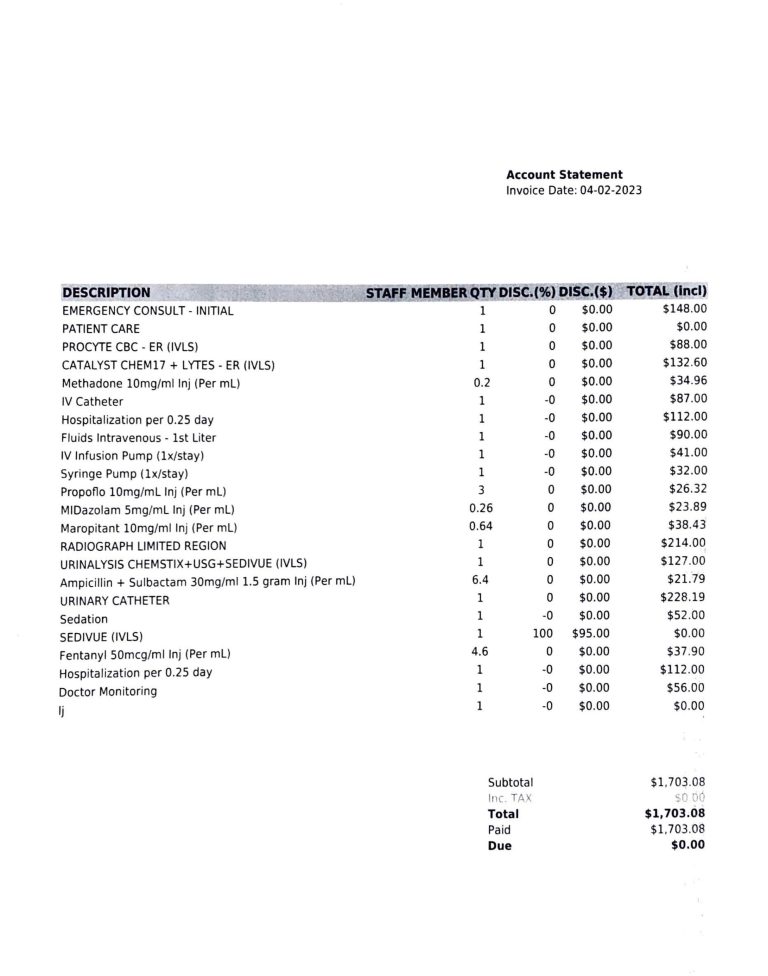
Vets often begin with diagnostic tests to find out what’s causing the vomiting. Blood tests can reveal infections or organ issues. X-rays might be used to check for blockages or abnormal growths. Sometimes, an ultrasound gives a clearer picture. These tests help pinpoint the problem so treatment can be more effective.Medications
Based on the test results, your vet may prescribe medications. Anti-nausea drugs are common and can provide quick relief. If an infection is found, antibiotics might be given. There are also medications to protect the stomach lining, reducing irritation. Each cat is unique, so vets tailor medication plans accordingly.Dietary Recommendations
Diet plays a crucial role in recovery. Your vet might suggest a special diet that’s gentle on your cat’s stomach. This could be a prescription diet or homemade options. Sometimes, simply changing the feeding schedule or portion size can make a big difference. Have you ever considered how your cat’s eating habits affect their health? Small adjustments can lead to big improvements. Taking your cat to the vet for vomiting isn’t just about immediate relief. It’s about understanding the underlying issue and preventing future problems. So, the next time you’re faced with a vomiting kitty, remember that the vet has a toolkit of options. Your furry friend deserves the best care to stay happy and healthy.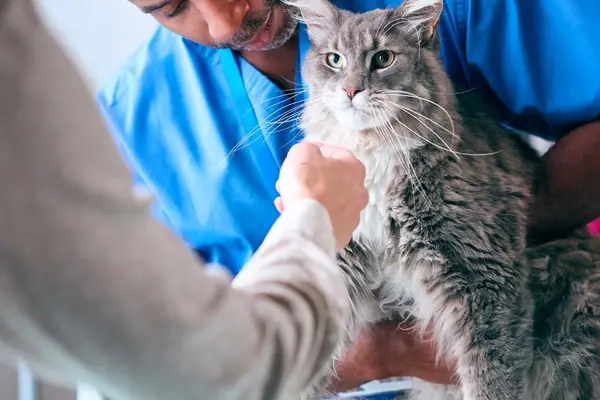
Credit: gsvs.org
Preventing Future Vomiting
Preventing your cat from experiencing future bouts of vomiting involves understanding the root causes and making some proactive adjustments. Vomiting can be distressing for both you and your feline friend, but with the right strategies, you can help keep your cat healthy and reduce the chances of it happening again. By focusing on diet management, scheduling regular health check-ups, and ensuring environmental safety, you can create a supportive environment for your cat’s well-being.
Diet Management
A healthy diet is crucial for preventing vomiting. Ensure your cat’s food is appropriate for their age, size, and health status. High-quality, balanced cat food can make a significant difference.
Introduce any dietary changes gradually. Sudden changes can upset your cat’s stomach. Consider consulting with your vet to choose the best diet plan.
Pay attention to portion sizes and feeding frequency. Overeating or eating too quickly can lead to vomiting. A feeding schedule with measured portions can help manage this.
Regular Health Check-ups
Regular vet visits can catch potential health issues early. Schedule annual or bi-annual check-ups, depending on your cat’s age and health condition.
During these visits, discuss any vomiting incidents with your vet. They can offer insights and recommend preventive measures.
Vaccinations and parasite control are essential. Keeping your cat protected against common diseases contributes to their overall health and reduces vomiting risks.
Environmental Safety
Your home environment plays a big role in your cat’s health. Ensure there are no toxic plants or substances within reach.
Secure trash bins and keep small objects out of your cat’s reach. Cats are curious and might ingest something harmful, leading to vomiting.
Provide a stress-free environment. Cats are sensitive creatures, and stress can manifest in physical symptoms like vomiting. Create a calm and secure space for your cat to relax.
Preventing your cat from vomiting is a shared responsibility between you and your vet. What changes can you make today to improve your cat’s health and comfort? Your proactive measures today can ensure a healthier tomorrow for your furry friend.
Frequently Asked Questions
How Many Times Should A Cat Vomit Before Going To Vet?
A cat vomiting more than once a day or frequently over several days needs a vet visit. Persistent vomiting could indicate serious health issues. Early veterinary care ensures proper diagnosis and treatment. Always monitor additional symptoms like lethargy or lack of appetite.
Should I Take My Cat To The Vet If He Vomits?
Yes, consult a vet if your cat vomits frequently. Vomiting can indicate health issues. Immediate vet attention is needed if there are other symptoms like lethargy, blood, or dehydration. Early diagnosis ensures better treatment and prevents complications. Regular check-ups help maintain your cat’s health.
When Should I Be Concerned If My Cat Threw Up?
Be concerned if your cat vomits frequently, shows lethargy, or refuses to eat. Seek veterinary advice if vomiting persists, is accompanied by diarrhea, or contains blood. Watch for changes in behavior or weight loss. Early intervention can prevent serious health issues.
What Type Of Vomit Is Concerning In Cats?
Bloody, black, or projectile vomiting in cats is concerning. Vomit with undigested food or a foul smell needs attention. Frequent vomiting, lethargy, or weight loss are also alarming signs. Consult a veterinarian for persistent or unusual symptoms to ensure your cat’s health and safety.
Conclusion
Taking your cat to the vet for vomiting is wise. Cats can’t explain their symptoms. So, a vet can help. Vomiting might seem minor. But it could hide bigger issues. Early detection is key. It ensures your cat stays healthy.
Trust your instincts. If your cat seems unwell, don’t wait. The vet knows best. They can offer peace of mind. Your furry friend deserves the best care. Regular vet visits prevent serious problems. Keep your cat happy and healthy. Remember, your cat depends on you.
Taking action shows love and responsibility.