How Much Does a Cat Insurance Cost: Uncover the Truth
Imagine the peace of mind you could have knowing that your furry friend is protected from unexpected vet bills. As a cat owner, you’re probably curious about how much cat insurance costs and whether it’s worth it.
You’re not alone; many people share the same concern. By understanding the costs and benefits of cat insurance, you can make an informed decision that keeps your beloved pet safe and your wallet happy. We’ll explore the factors that influence the cost of cat insurance and help you discover what options might be best for your feline companion.
You’ll learn how different types of coverage affect pricing, and why investing in insurance could save you money in the long run. Get ready to uncover the secrets of cat insurance costs and find the perfect plan for your pet’s needs. Let’s dive in and ensure your cat’s health and happiness are always prioritized!
Factors Influencing Cat Insurance Costs
Cat insurance costs vary based on several factors. Your cat’s age and health status can impact premiums. Breed-specific issues and chosen coverage level also play a role in determining the price.
When considering cat insurance, the cost can vary widely. Understanding the factors that influence these costs can help you make informed decisions. While some factors might be out of your control, being aware of them can help you choose a policy that suits your needs and budget.Breed And Age
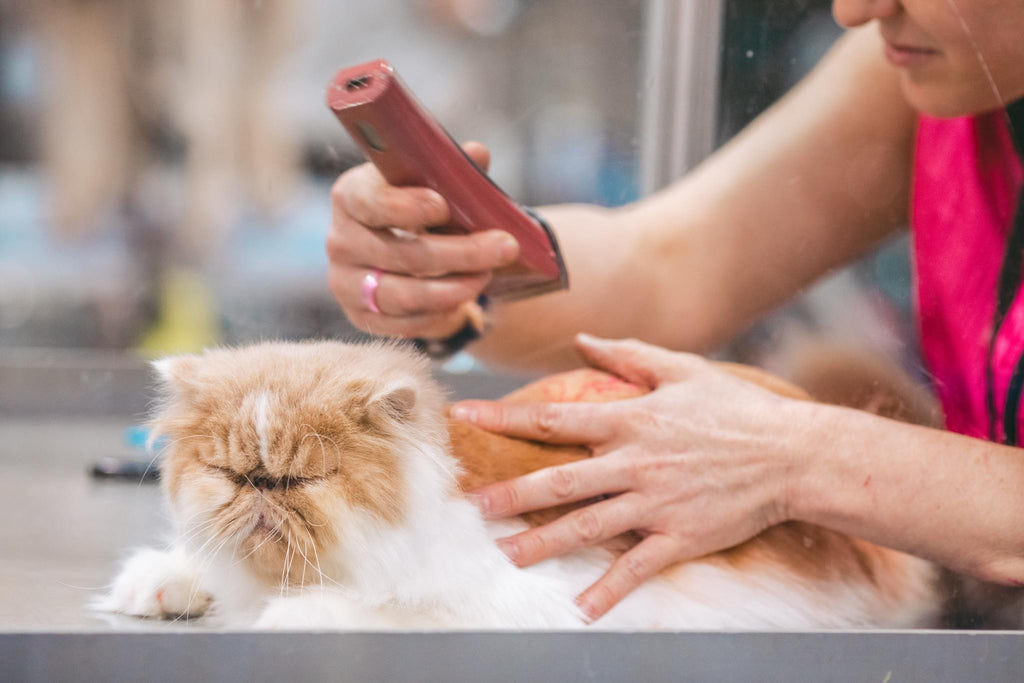
The breed and age of your cat significantly impact the insurance premium. Certain breeds are prone to specific health conditions, which can increase costs. For instance, Persian cats often face respiratory issues, leading to higher premiums. Younger cats generally have lower premiums due to fewer health problems, but as they age, the costs can rise. Have you considered how your cat’s breed and age might affect your insurance choices?Location And Living Environment
Where you live can also play a role in determining your cat insurance costs. Urban areas may have higher veterinary fees, impacting your premium. Additionally, if your cat lives outdoors, it might face more risks, leading to increased insurance costs. Think about your cat’s environment and how it might affect your insurance rates.Health History
A cat’s health history is crucial when insurers determine the premium. Previous illnesses or ongoing health issues can increase costs. Regular check-ups and a healthy lifestyle can sometimes mitigate these increases. Does your cat have a clean bill of health, or are there past issues that might affect your insurance costs? Understanding these factors can help you find the right balance between coverage and cost. Consider each element carefully to ensure your furry friend gets the protection it deserves without breaking the bank. Have you checked all these aspects before deciding on a policy?
Credit: www.marketwatch.com
Types Of Cat Insurance Plans
Choosing the right cat insurance plan can be a daunting task, especially with the variety of options available. Understanding the types of plans can help you make an informed decision that suits your pet’s needs and your budget. Let’s dive into the different types of cat insurance plans and what each offers.
Accident-only Coverage
This plan is straightforward and typically the most affordable. It covers expenses related to accidents, such as broken bones or injuries from falls. If your cat is an adventurous explorer, this might be a practical choice. It’s a safety net for unexpected mishaps, ensuring you don’t face hefty vet bills.
Comprehensive Coverage
Comprehensive coverage is like a safety blanket for your cat’s health. It includes accident and illness coverages, offering peace of mind against both sudden injuries and diseases. Imagine discovering a lump on your cat—this plan can cover the tests and treatments needed. It’s more inclusive but comes at a higher cost. Is the security worth the price for you?
Wellness And Preventive Care
Preventive care focuses on maintaining your cat’s health before problems arise. It covers routine check-ups, vaccinations, and dental cleanings. Think of it as ensuring your cat stays fit and healthy. This plan encourages regular vet visits, potentially saving you money in the long run. Are you proactive about your cat’s health?
Understanding these types of plans helps you weigh the pros and cons. Consider your cat’s lifestyle and health needs carefully. Your choice can significantly impact your cat’s well-being and your financial peace of mind. What plan aligns best with your priorities?
Average Cost Of Cat Insurance
Understanding the average cost of cat insurance helps in budgeting. Cat insurance offers peace of mind in unexpected situations. But the cost can vary based on several factors. It’s important to know how much you might spend monthly. Understanding deductibles and copayments is also crucial. Let’s break down these costs.
Monthly Premiums
Monthly premiums are a key part of cat insurance. On average, they range from $10 to $40. The breed and age of your cat affect these rates. Some insurers offer discounts for multiple pets. Location can also influence the cost. Urban areas might see higher premiums. Compare different providers for the best deal.
Deductibles And Copayments
Deductibles are the amount you pay before insurance kicks in. They typically range from $50 to $500. Lower deductibles mean higher monthly premiums. Copayments are the percentage you pay for each claim. Many plans have a 10% to 30% copayment rate. It’s vital to choose a plan that fits your budget. Understand your financial responsibilities before signing up.

Credit: cfvc.net
Ways To Reduce Cat Insurance Costs
Cat insurance costs can add up quickly, but there are ways to reduce them. Saving money on pet insurance doesn’t mean compromising on coverage. Here are practical ways to lower your cat insurance expenses.
Choosing Higher Deductibles
Higher deductibles can lower monthly premiums. Paying more out of pocket for vet visits reduces insurance costs. Evaluate your budget before opting for this choice.
Bundling Policies
Insurance companies often offer discounts for bundling policies. Combine cat insurance with other pet insurances. This approach saves money and simplifies management.
Discounts And Promotions
Keep an eye out for discounts and promotions. Insurance companies often provide seasonal offers. Signing up during these periods can reduce costs significantly. Loyalty programs may offer additional savings.
Comparing Cat Insurance Providers
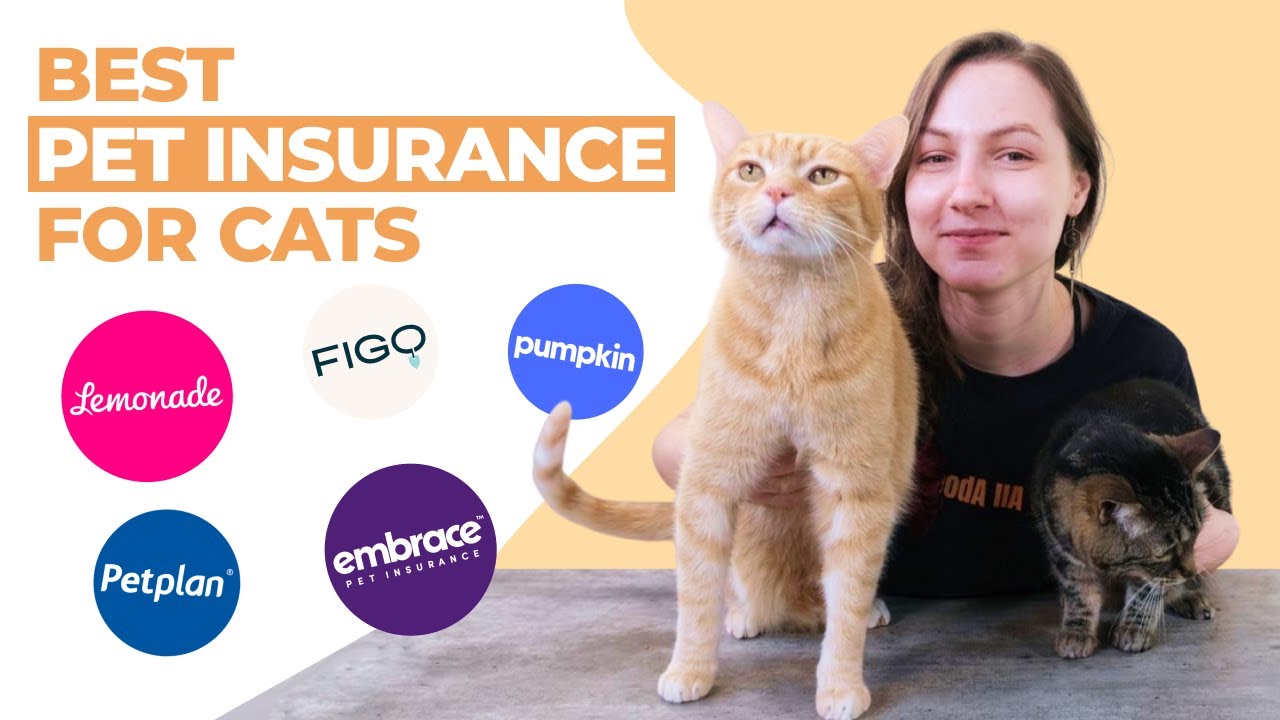
Choosing the right cat insurance can be challenging. With many providers, each offering different packages, finding the best fit for your furry friend requires careful comparison. It’s important to consider various factors that influence your decision. Reputation, coverage, and customer service are crucial aspects to evaluate.
Reputation And Reviews
Trust is key when selecting an insurance provider. Investigate the reputation of each company. Read reviews from other cat owners. Online forums and review sites can offer insights. Positive feedback may reflect reliability and satisfaction. A company with many complaints could signal potential issues.
Coverage Options
Insurance plans vary in coverage. Some cover only accidents, others include illnesses too. Evaluate what each provider offers. Determine what suits your cat’s needs. Comprehensive plans might provide wider protection. Consider exclusions and limitations carefully. Adequate coverage ensures better care for your pet.
Customer Service
Customer service impacts your experience significantly. A responsive provider can ease your concerns quickly. Evaluate how companies handle inquiries. Check if they offer 24/7 support. Good communication can make a difference. Choose a provider that values customer satisfaction.
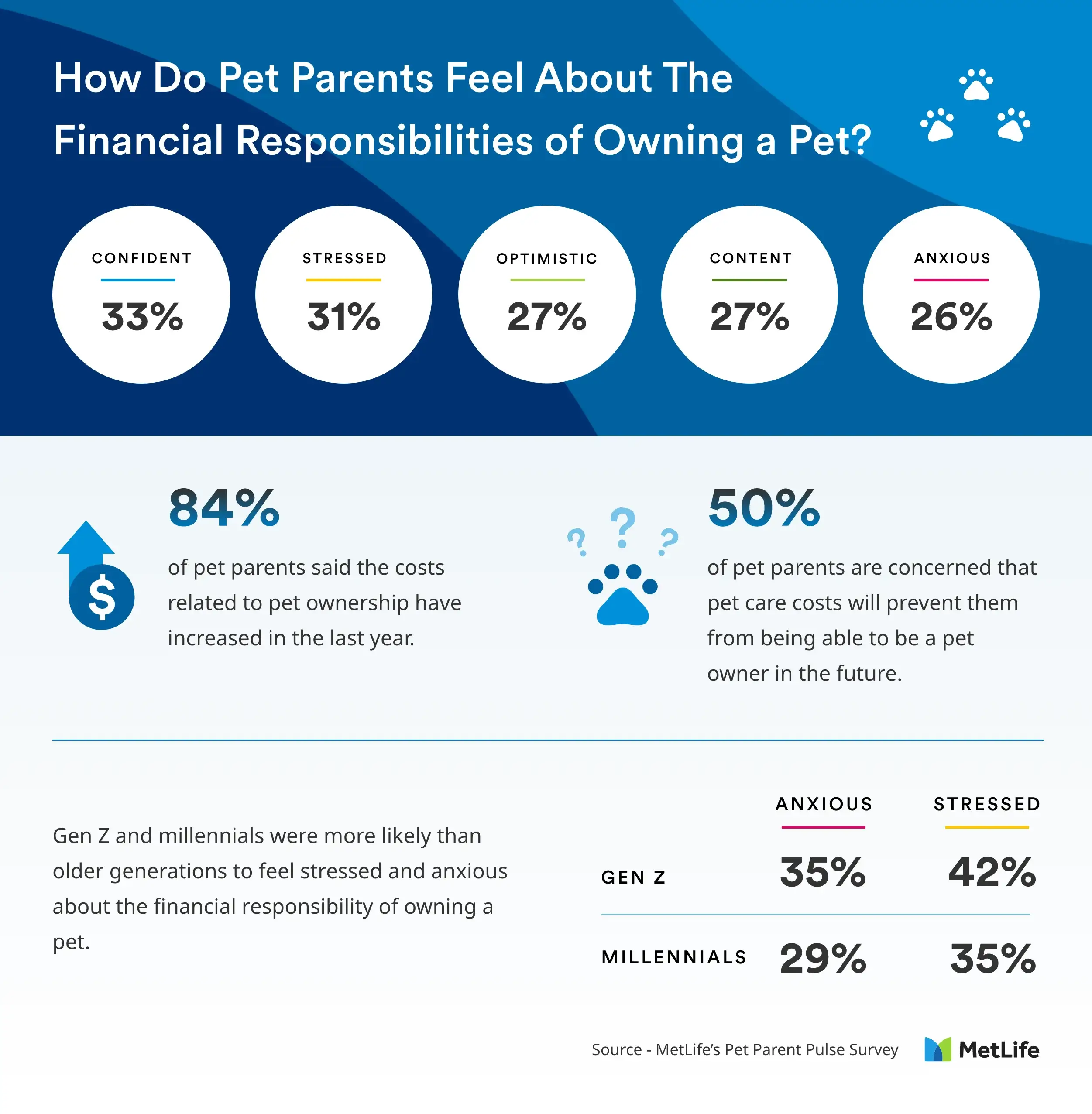
Credit: www.metlifepetinsurance.com
Deciding If Cat Insurance Is Worth It
Determining the cost of cat insurance involves understanding various factors. Prices vary based on breed, age, and coverage level. Monthly premiums can range from $10 to $50, making it crucial to weigh potential expenses against benefits.
Deciding if Cat Insurance is Worth It Considering cat insurance can feel a bit like juggling. You weigh costs against benefits, hoping to catch the best deal without dropping the ball on your cat’s health. But is it really worth it? Whether you’re a first-time pet parent or a seasoned feline aficionado, this decision isn’t one to take lightly. Let’s dissect this choice with a clear head and a calculator in hand.Cost-benefit Analysis
Start by listing what you can afford. Monthly premiums for cat insurance can range from $10 to $50, depending on coverage and the provider. Then, think about potential vet bills. Routine visits might not cost much, but emergencies can skyrocket into the thousands. Imagine your cat facing a major health issue. Would you be able to cover those costs out-of-pocket? If the answer is no, insurance might be a wise safety net.Long-term Health Considerations
Cats, like humans, are living longer than ever. With age comes the possibility of chronic conditions that require ongoing treatment. Ask yourself: how much would peace of mind be worth if your cat develops diabetes or kidney disease? Insurance could mean the difference between getting necessary treatments or having to make heart-wrenching decisions based on finances. Consider your cat’s breed and health history. Some breeds are prone to specific health problems. Insurance might be a proactive way to manage potential future issues. Deciding on cat insurance isn’t just about the money. It’s about ensuring your furry friend gets the best care, no matter what life throws your way. So, is it worth it for you? Only you can decide.Frequently Asked Questions
How Much Should Pet Insurance Cost For A Cat?
Pet insurance for a cat typically costs between $10 and $40 monthly. Factors like age, breed, and coverage affect pricing. Compare different plans and providers to find the best fit for your budget and needs. Ensure adequate coverage for unexpected medical expenses.
Is It Worth Insuring A Cat?
Insuring a cat can be worth it for unexpected vet bills. Coverage often includes accidents, illnesses, and routine care. This can ease financial stress during emergencies. Analyze costs versus potential expenses to make a well-informed decision. Compare plans and reviews to find suitable coverage for your cat’s needs.
Is Cat Health Insurance Worth It?
Cat health insurance can save money on unexpected vet bills. It offers peace of mind for pet owners, ensuring quality care. Evaluate coverage options and costs to determine suitability. Investing in insurance can prevent financial strain during emergencies, making it worthwhile for many cat owners.
How Much Would It Cost To Insure A Cat?
Cat insurance typically costs between $10 to $50 monthly. Prices vary based on coverage, location, and the cat’s age. Comparing different providers can help find the best deal. Always read the policy details to ensure it meets your needs.
Conclusion
Understanding cat insurance costs helps make informed decisions. Prices vary widely. Factors include breed, age, and coverage level. Shop around for the best deal. Compare plans to find one that suits your needs. A little research goes a long way.
Remember, investing in cat insurance can save money later. Protect your feline friend without breaking the bank. Consider your budget and your cat’s health needs. Insurance can offer peace of mind. Know what you’re paying for. Make a smart choice for you and your cat.

Similar Posts